Visiting Dortmund, a city balancing industry, soccer, and culture
Located in North Rhine-Westphalia, Dortmund has successfully reinvented itself long after its heavy manufacturing roots. Once defined by coal mines and steel mills, it functions today as a dynamic hub blending sports, green spaces, and contemporary culture. Known for its powerhouse soccer team and welcoming pub culture, Dortmund appeals just as much to sports fans as to travelers looking for an industrial-chic urban getaway.
Industrial heritage and reinvention
Dortmund bears the marks of its manufacturing past, and numerous sites still bear witness to that era. The Dortmunder U, a former brewery converted into a center for the arts and creativity, stands out as the ultimate symbol of this transformation.
The Deutsches Bergbau-Museum in nearby Bochum offers a deep dive into the region's mining history. The Zeche Zollern, a former coal mine listed as a historic landmark, is worth visiting for its striking Jugendstil architecture.
Signal Iduna Park and soccer fanaticism
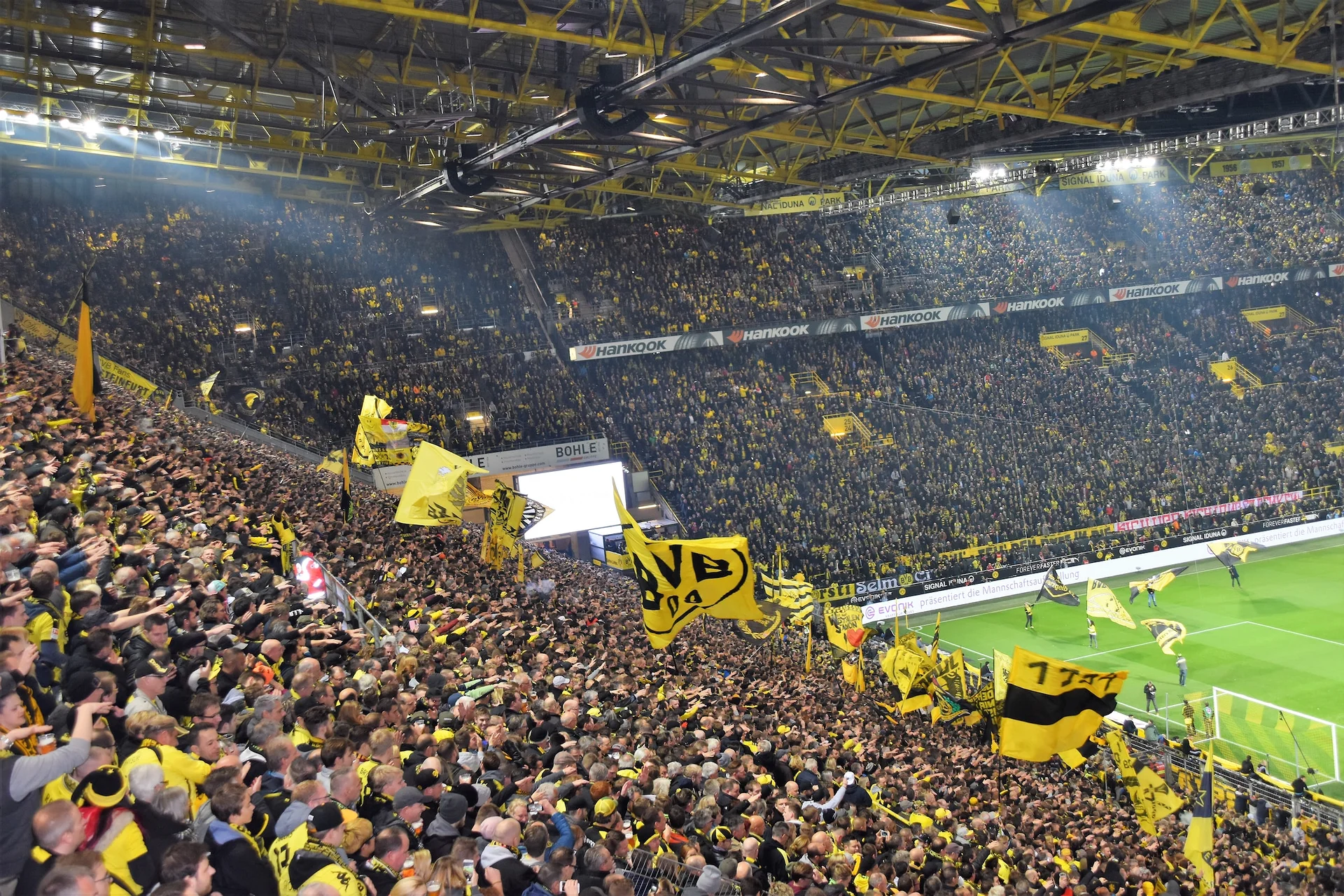
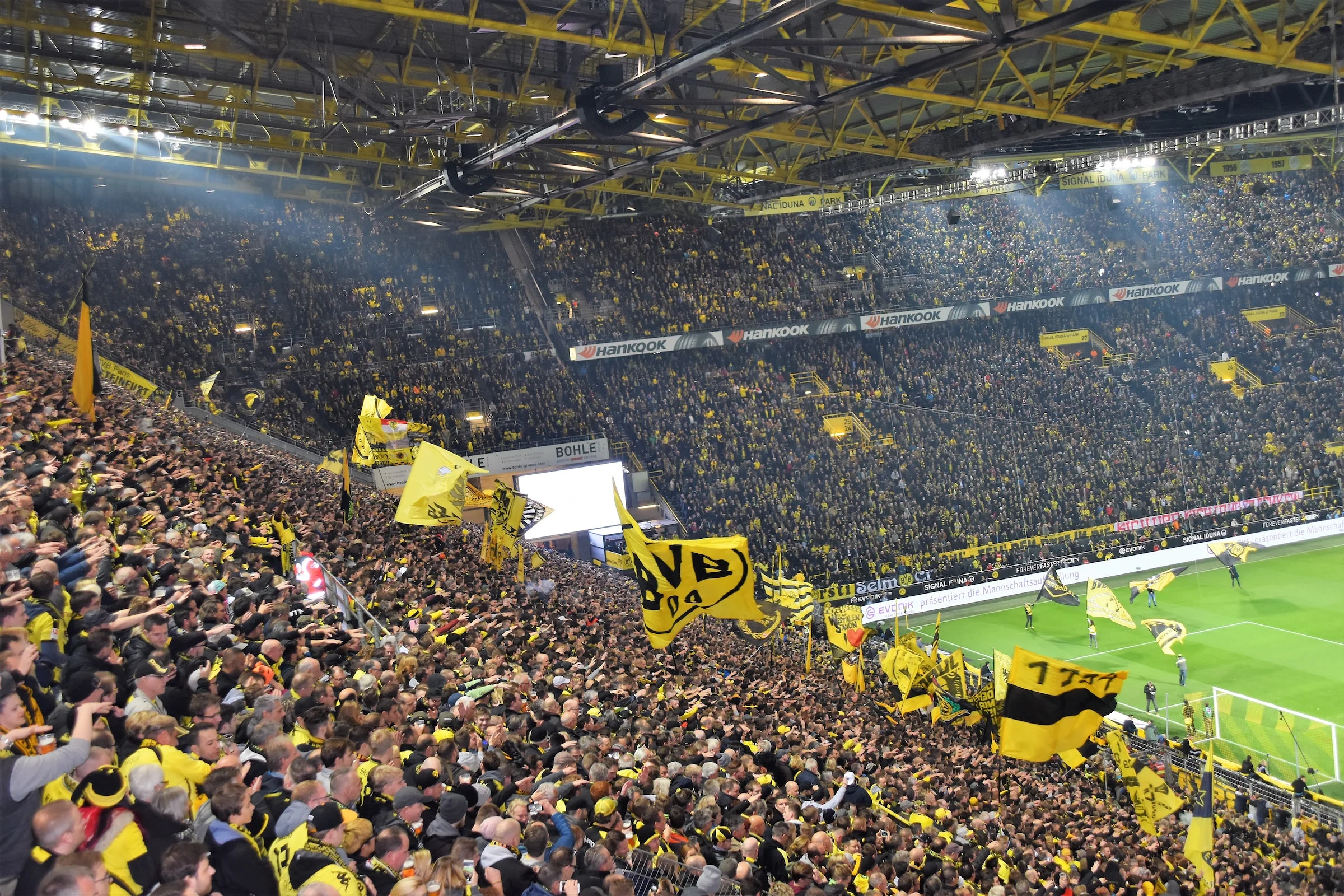
It is impossible to talk about Dortmund without mentioning its club, Borussia Dortmund. Their home ground, Signal Iduna Park, ranks among the most imposing stadiums in Europe, holding over 81,000 spectators. The atmosphere on match day is legendary, especially inside the Gelbe Wand (Yellow Wall), the massive standing-room terrace for hardcore supporters. Even when there is no game scheduled, visitors can tour the stadium and the club museum.
Green spaces and relaxation
Despite its heavy industrial footprint, Dortmund ranks among the greenest cities in Germany. Westfalenpark spans a massive area featuring themed flower gardens, picnic lawns, and the Florian Tower, an observation spire overlooking the skyline. Nearby, Phoenix-See, an artificial lake built on a former steelworks site, draws walkers and runners looking to unwind near the water.
Culture and museums
Dortmund features several notable museums. The Museum of Industrial Heritage traces the economic history of the region. For art lovers, the Museum Ostwall inside the Dortmunder U houses a collection of modern and contemporary works. Finally, the German Football Museum, opened in 2015, is an absolute must-visit for anyone interested in the sport.
Hearty food and local brews
Dortmund's food scene reflects its blue-collar roots, focusing on simple, filling dishes. Pfefferpotthast, a spicy beef stew, counts as one of the regional specialties. Currywurst, sliced pork sausage topped with spiced tomato sauce and curry powder served alongside fries, remains a staple of German street food.
When it comes to drinks, Dortmund is famous for its beer, particularly Dortmunder Export, a pale lager with a crisp, slightly bitter finish.
Where to eat?
- Zum Alten Markt (Center). A traditional tavern serving regional classics and local brews.
- Hövels Hausbrauerei (Center). A brewpub where you can drink beer brewed on-site alongside hearty plates.
- Emil (Phoenix-See). A modern restaurant putting a contemporary spin on local ingredients right by the lake.
- Der Schneider (Kreuzviertel). A refined dining spot focusing on upscale takes on regional produce.
Where to stay?
- Hotel Esplanade (Center). A comfortable hotel with a contemporary feel and a central location for getting around on foot.
- Radisson Blu Hotel (Phoenix-See). An upscale property overlooking the water, complete with a spa.
- B&B Hotel Dortmund-City (Center). A straightforward, reliable budget option close to the action.
- L’Arrivée Hotel & Spa (Outskirts). A wellness-focused hotel tucked away for a quieter stay outside the center.
When to go?
Spring and summer bring blooming parks and ideal weather for walking around outdoors. Fall appeals directly to soccer fans when the German league season is in full swing. Winter brings a major Christmas market centered around Hansaplatz, home to one of the largest holiday trees in Europe.
How to get there?
Dortmund connects easily via the rail network, offering fast links to major German hubs like Berlin and Frankfurt. The local airport handles direct flights from select European cities. Flights from elsewhere in Europe take about 1 hour and 30 minutes, and round-trip fares typically run between $90 and $230*. Taking the train via Cologne provides a comfortable alternative.
How to get around?
The public transit network is well-developed, using trams, buses, and the U-Bahn light rail to cover the city efficiently. Walking works well for exploring the compact downtown area, and bike rentals continue to grow in popularity.