Georgia, the Caucasus country that hooks you
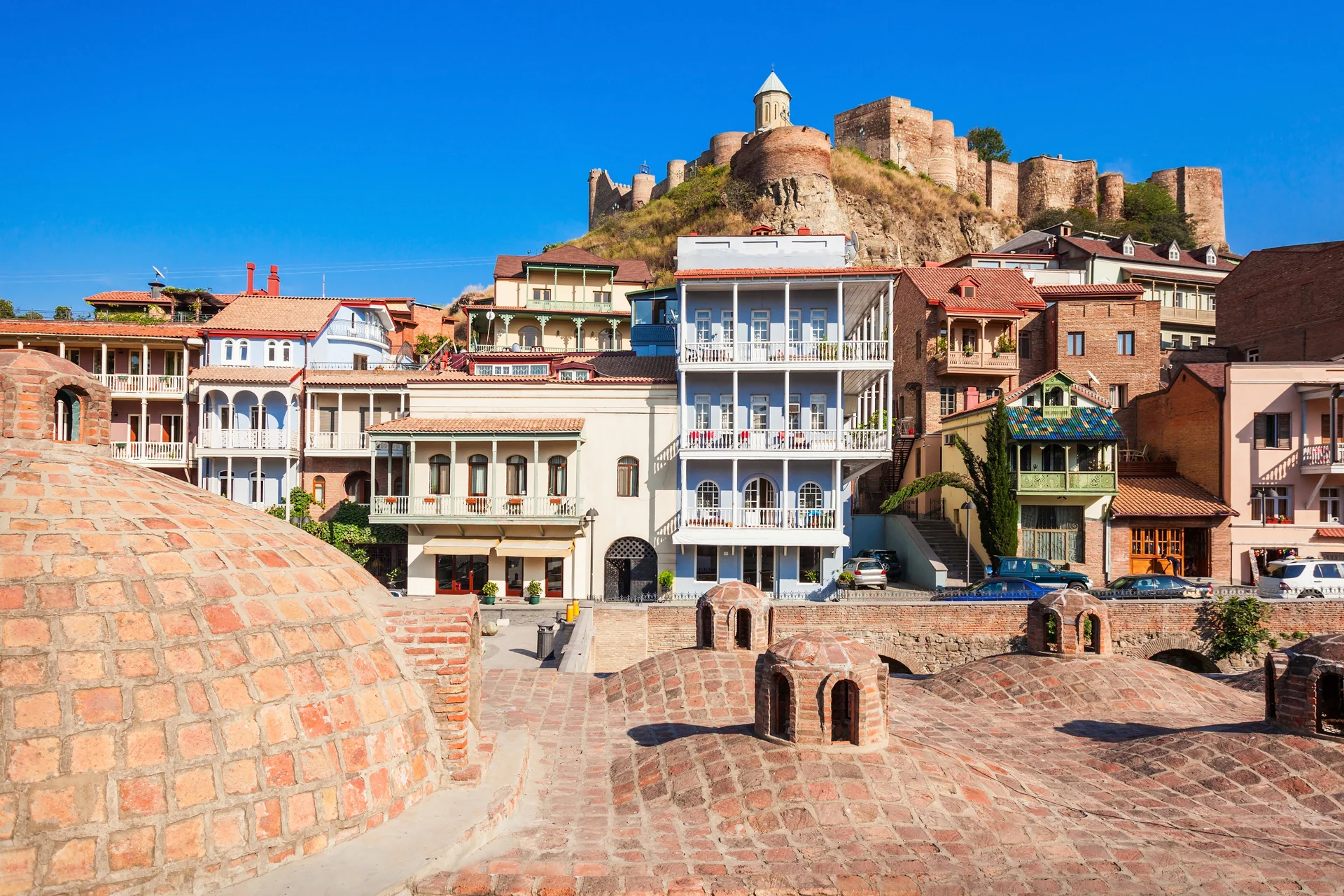
Your first morning in Tbilisi, the scent of sulfur hits you before you even smell coffee. It rises from the thermal baths of the old town, where generations of Georgians have come for a traditional scrub between lively conversations.
That detail says a lot about this country wedged between Europe and Asia. Traditions here are not locked away in museums, they are woven right into daily life. Georgia claims 8,000 years of winemaking history, an alphabet that no one else uses anywhere on Earth, and a food culture that puts many Mediterranean menus to shame.
Likely love at first sight, but not for everyone
Georgia draws you in with its sheer geographical density. In ten days, you can go from peaks towering over 5,000 meters to subtropical beaches on the Black Sea, driving across ancient vineyards and cliffside monasteries along the way. The cost of living is remarkably low for the region, letting you treat yourself without running the numbers.
Let's be upfront. Infrastructure still has room for improvement, local driving can border on extreme sports, and the language barrier gets real outside the major cities.
Great destination for:
- Hikers and trekkers looking for grand, uncrowded mountain trails
- Wine lovers and fans of hearty regional cuisine
- Budget travelers who want maximum experiences for their dollar
- Backpackers and digital nomads looking for an affordable European base
- History buffs, monastery fans, and heritage travelers
- Road-trippers who love dramatic mountain passes
Not ideal for:
- Anyone looking for classic resort beaches and turquoise water
- Travelers who need reliable, punctual public transit
- People who struggle with improvisation and logistical surprises
- Those seeking high-end luxury coastal tourism
A budget that makes you smile
Georgia remains one of the most affordable destinations near Europe. A filling restaurant meal costs between $4.50 and $12*, a guesthouse night runs between $12 and $29*, and a marshrutka ride costs just a couple of dollars. Even when treating yourself, daily spending rarely tops $45* for a comfortable style.
| Trip Style | Where | Duration | Budget per Person |
|---|---|---|---|
| Food and Culture City Break | Tbilisi | 4-5 days | $169 to $400* |
| High Mountain Trek | Svaneti (Mestia-Ushguli) | 1 week | $230 to $450* |
| Complete Road Trip | Tbilisi, Kazbegi, Kakheti, Svaneti | 2 weeks | $570 to $1,020* |
| Wine Trail Route | Kakheti (Sighnaghi, Telavi) | 3-4 days | $113 to $290* |
| Coastal Getaway | Batumi and the Black Sea Coast | 1 week | $230 to $570* |
| Winter Ski Trip | Gudauri or Bakuriani | 1 week | $290 to $680* |
Rough roads, warm welcomes
The main highway network has improved, but unpaved gravel tracks take over as soon as you leave the primary routes. Marshrutkas, the shared minibuses that leave whenever they fill up, remain the most common way to get between towns. Comfort is basic and schedules are flexible. The GoTrip platform lets you book a private driver by the day at a reasonable rate, which has become the top tip from recent travelers.
Weather-wise, summers are hot in the lowlands with peaks hitting 38 to 40 degrees Celsius in Tbilisi during July. Winters are cold in the mountains but mild in the capital. The prime visiting window runs from May through October, with peak crowds in July and August.
Is it safe to travel in Georgia?
Georgia is generally a safe country. Petty crime is rare, and solo travelers, including women, move around without major issues. The main hazard is driving. Mountain roads can be narrow, passing maneuvers aggressive, and livestock wanders across the pavement regularly. Two areas are restricted for entry from Georgian territory: Abkhazia and South Ossetia, both occupied by Russia. Stay well clear of those border zones.
Friendly tip: check political news before you head out. Tbilisi saw major demonstrations related to pro-European and pro-Russian tensions. These gatherings focus around Rustaveli Avenue. Outside the capital, daily life goes on as normal.
The Caucasus Mountains: a visual jolt
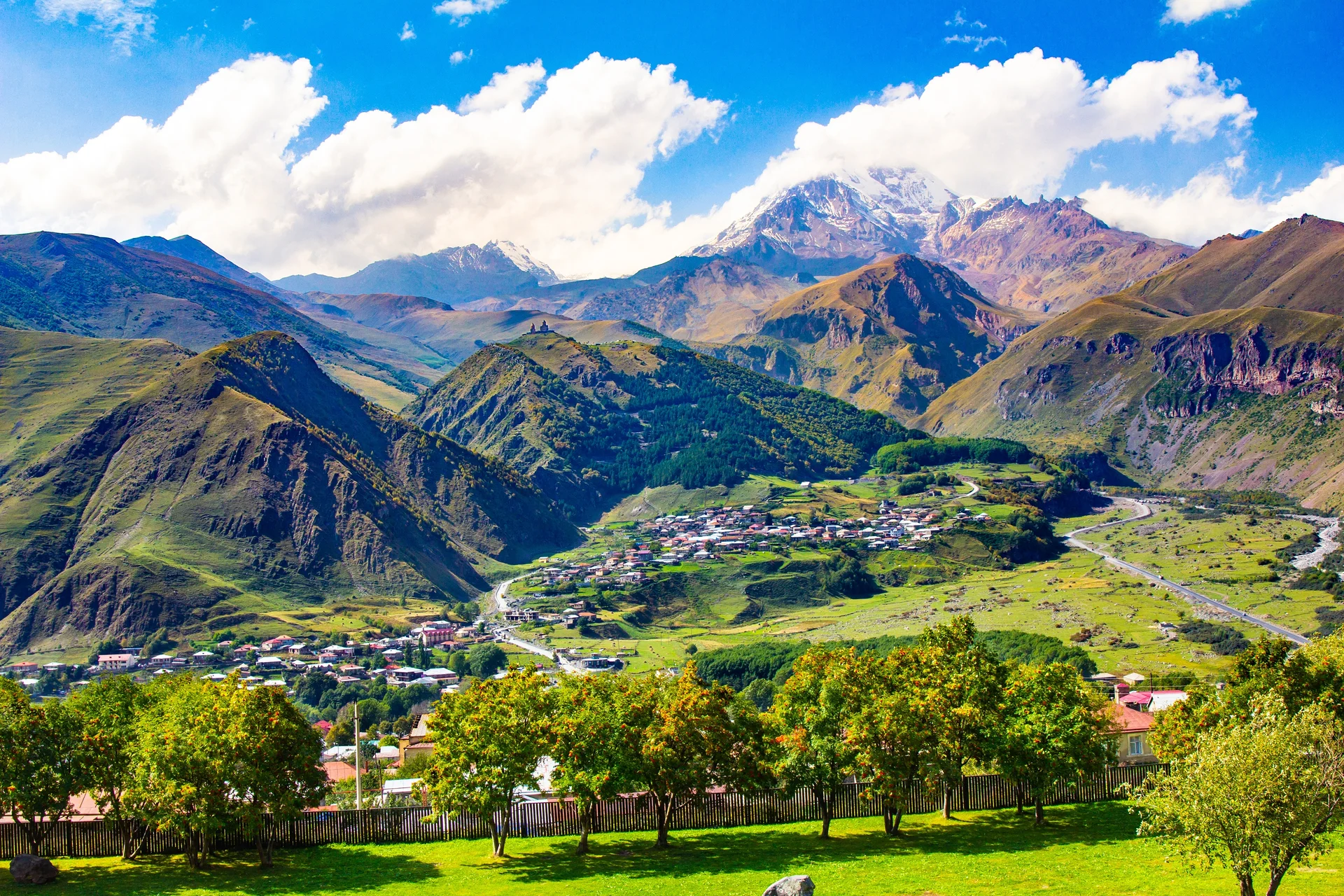
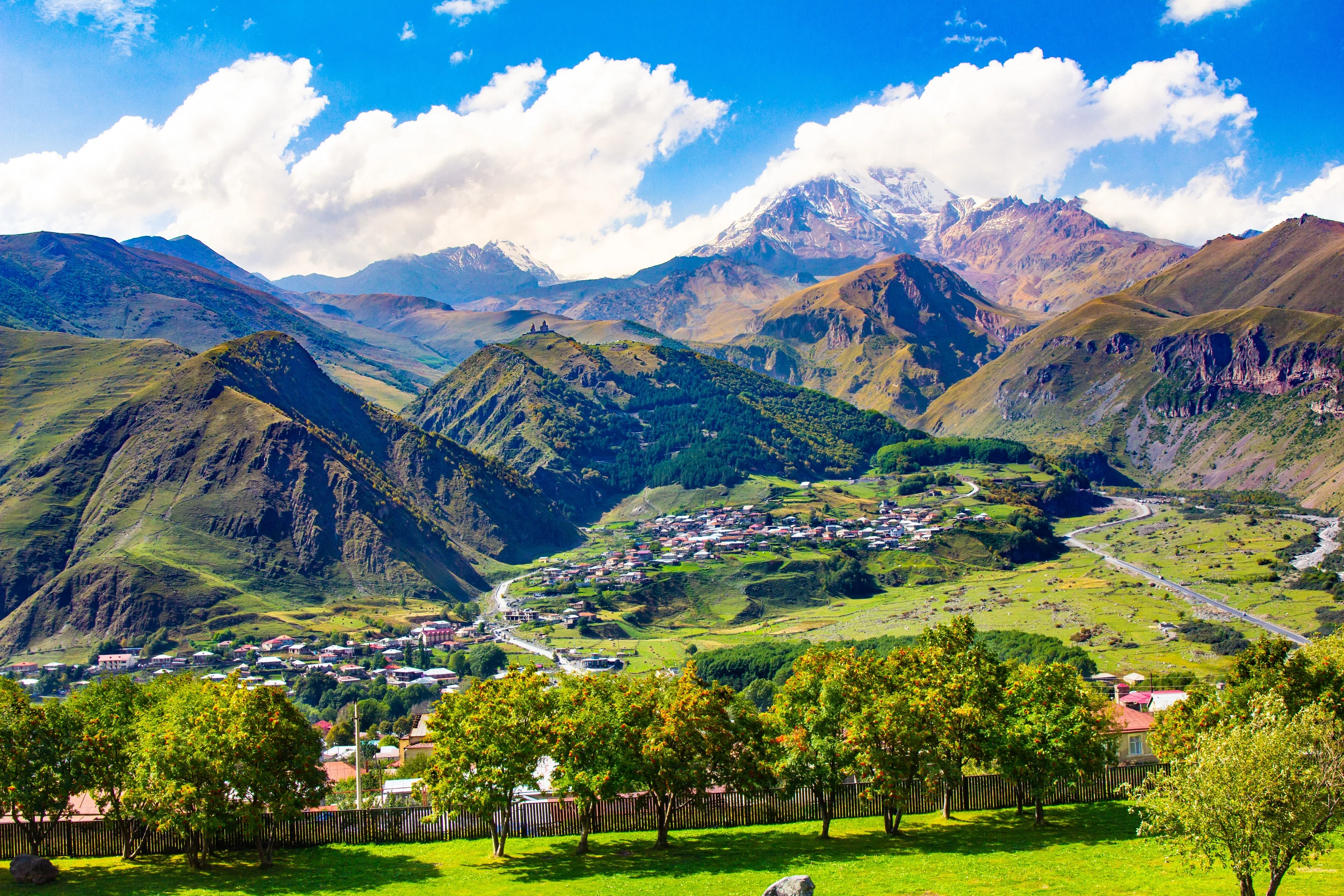
The Greater Caucasus forms Georgia's northern border with Russia. Its peaks top 5,000 meters, and its valleys shelter villages where time feels suspended. The most famous trek links Mestia to Ushguli over four days across Svaneti. Along the way, you pass medieval defense towers, glaciers, and endless alpine meadows.
Because of its popularity, this trek requires booking guesthouses several months ahead during summer. Walkers stay in local family homes for $23 to $29* a night with full board. The effort level is moderate, but daily elevation changes require decent physical fitness.
Friendly tip: if Svaneti sounds too busy, check out Tusheti, which is only accessible by 4x4 over a dizzying mountain pass. It ranks among the most isolated regions in the country, with no ATMs or reliable cell service, but the landscapes and hospitality are exceptional.
Kazbegi and the Georgian Military Highway
The Georgian Military Highway connects Tbilisi to the Russian border right through the Caucasus. It is one of the country's most scenic road trips. At the end of the route, the village of Stepantsminda delivers the iconic view of the Gergeti Trinity Church perched at 2,170 meters against Mount Kazbek. You can do this as a day trip from Tbilisi, but staying overnight lets you catch the sunrise lighting up the peaks.
Along the drive, stop at the Ananuri Fortress overlooking the Jinvali reservoir, and the Jvari Pass at 2,379 meters, where paragliders launch in summer for $79 to $102* a flight.
Georgian wine: 8,000 years in the making
Georgia doesn't just make wine, it invented it. Archaeological traces of winemaking go back to 6000 BC, making this the oldest wine-producing country on Earth. The traditional fermentation method using qvevri, large underground clay jars, is recognized on UNESCO's intangible cultural heritage list.
The eastern region of Kakheti holds the bulk of production. The small towns of Sighnaghi and Telavi serve as home bases for visiting vineyards. Skip the large industrial wine plants around Sighnaghi, as the best tastings happen with small family producers around a table packed with food.
At the Avygeo editorial office, we have a soft spot for Kindzmarauli, a semi-sweet red that surprises palates used to bone-dry wines. Try an amber qvevri wine as well, which features a heavy tannic structure far removed from anything on a North American wine list. It takes some getting used to, but you will find yourself coming back for more.
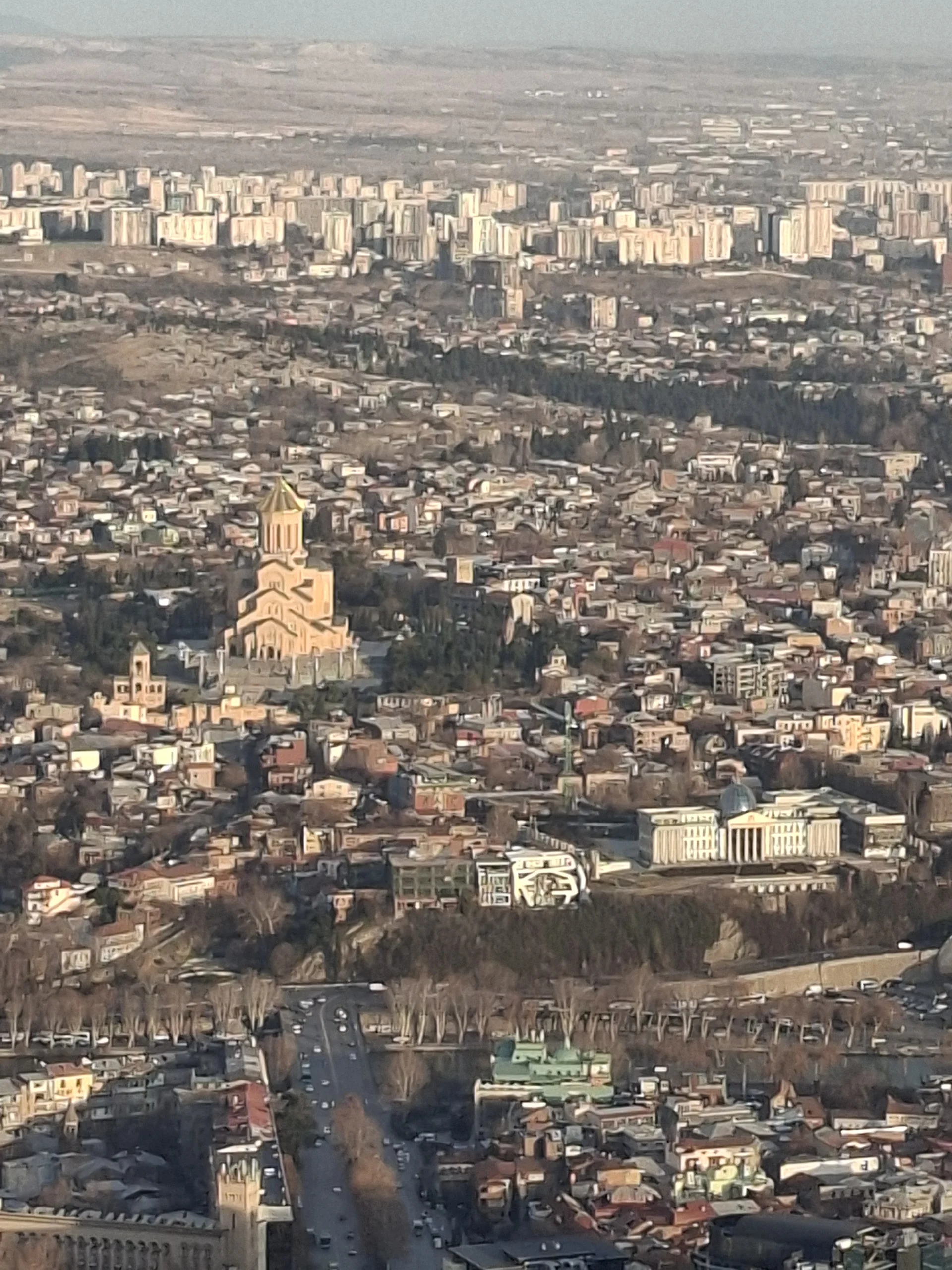
Tbilisi: a capital with personality
Tbilisi looks like no other European capital. The carved wooden balconies of the old town lean precariously over narrow alleys. The Sololaki neighborhood hides interior courtyards where neighborhood life plays out in full view: laundry hanging out to dry, kids playing, and grapevines climbing crumbling facades.
Neighborhoods to explore
The Narikala fortress, reachable by cable car, provides the best city panorama. Down below, the sulfur baths in the Abanotubani district offer private rooms starting at just a few dollars. The experience is intense but deeply refreshing, especially after a long walking day.
Fabrika, a former Soviet textile factory converted into a hybrid hostel, coworking space, and cultural hub, embodies contemporary Tbilisi. In the evenings, natural wine bars and underground techno clubs in the Vera district draw a mixed local and international crowd.
Friendly tip: grab a Magti SIM card as soon as you arrive. For around $12*, you get 5 GB of data for a month, which is essential for using Google Maps on country roads and translating the Georgian alphabet in real time.
The lesser-known backcountry: caves, steppes, and monasteries
Kutaisi, the country's third-largest city, acts as the gateway to the west. The UNESCO-listed Gelati Monastery and the Martvili Canyon, where you can boat between limestone walls, each deserve a half-day. Nearby, the former spa town of Tskaltubo with its abandoned Soviet sanatoriums thrills urban exploration photographers.
To the southeast, the David Gareja monastery complex, carved into the rock along the Azerbaijani border, is one of the most striking sights in the country. The semi-desert steppes surrounding it, dotted with mud volcanoes, make you feel like you stepped onto another continent.
Gori and Soviet memory
Gori, Stalin's birthplace, houses a museum dedicated to the Soviet dictator. The site is controversial yet fascinating for understanding Georgia's complex relationship with its past. A few miles away, the cave city of Uplistsikhe, one of the oldest human settlements in the Caucasus, is well worth the detour.
Georgian food: a non-stop feast
Georgian dining does not do moderation. The supra, a traditional banquet, can stretch on for hours guided by the tamada, the toastmaster who leads the wine toasts. Two items rule the table: khachapuri, a melted cheese bread where the Adjarian version comes shaped like a boat with an egg and butter on top, and khinkali, large juicy soup dumplings meant to be eaten with your hands.
Lobiani, a bread stuffed with red beans, makes a meal all by itself for less than a euro. Grilled meat skewers, tomato-cucumber salads generously tossed with walnut paste, and churchkhela, a candle-shaped sweet made from grape juice and walnuts, round out the spread. Georgian cooking borrows from Turkish, Persian, and Russian neighbors while maintaining a distinct identity of its own.
When to visit Georgia?
The ideal season runs from May to October. Spring brings green landscapes and pleasant temperatures, though some mountain passes stay closed until June. Summer works well for high-altitude trekking and beach trips to Batumi, even though the heat gets brutal in the lowlands.
Autumn, from September to mid-November, lines up with the grape harvest in Kakheti, making it the tastiest time for wine enthusiasts. Winter draws skiers to Gudauri and Bakuriani, two solid resorts with budget-friendly lift tickets.
How to get to Georgia?
No airline flies nonstop from North America, so every itinerary connects in Europe or Istanbul. Air France and Georgian Airways fly Paris-Tbilisi in around 4.5 hours, and Transavia serves the same route out of Orly. That European leg alone runs between $169 and $450* round-trip depending on the season, with the best deals in November and peak pricing in June and July.
The most budget-friendly option often runs through Wizz Air, connecting a long list of European cities to Kutaisi starting at $113* round-trip. Kutaisi sits a 4-hour drive from Tbilisi, making it a clever entry point if you want to start exploring the western part of the country. Pegasus Airlines and Turkish Airlines offer the handiest one-stop routings from North America, connecting through Istanbul.
Regarding paperwork, citizens of the United States, Canada, and the European Union enter Georgia visa-free for stays of up to one year with a valid passport. Travel insurance is strongly recommended.
Getting around Georgia
Marshrutkas remain the most widespread form of transport. These minibuses link all mid-sized towns for a few laris. Comfort is basic with tight seating, departures only when full, and no guaranteed air conditioning. Trains connect Tbilisi to Batumi and Kutaisi in greater comfort with tickets bookable online.
Car rental offers the ultimate freedom, especially for reaching remote regions. Plan on roughly $29 to $45* per day for a standard vehicle, and double that for a 4x4, which is necessary in Tusheti or on rough Caucasus tracks. Gas costs around $1.20* a liter. Be ready to share the road with cows, trucks, and aggressive drivers.
For travelers who prefer not to drive, the GoTrip platform lets you book a private daily driver for around $90 to $135* including fuel. Ride-hailing apps like Bolt and Yandex Taxi work well in major cities.