
Tbilisi, the capital that wears its scars like medals
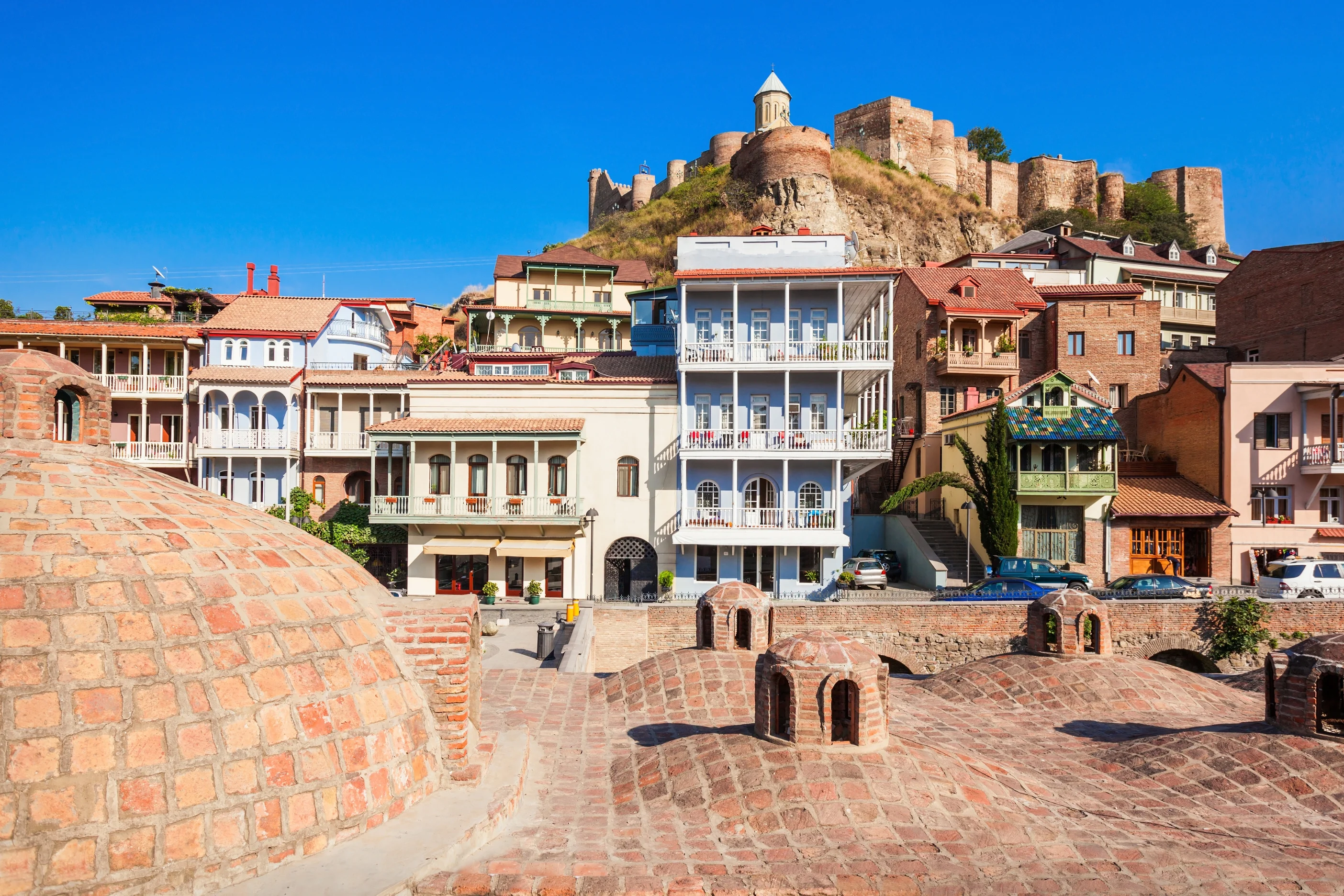
The smell of sulfur hits you before you even realize where it is coming from. In Abanotubani, the bath district, ochre brick domes vent thick steam that mingles with the scent of hot bread stuck to the walls of a toné, the traditional Georgian oven. Graffiti covers the facade of a building where wooden balconies lean precariously toward the street.
This raw blend of beauty and decay is the soul of the Georgian capital. Destroyed 26 times throughout its history, the city refuses to polish itself up for the sake of appearances.
Is this the place for you?
Tbilisi attracts a wide range of travelers, but it is not for everyone. This is a city to be explored on foot, characterized by steep cobblestone streets, uneven sidewalks, and chaotic traffic. Comfort is accessible at a low price, but the infrastructure remains that of a post-Soviet country in the midst of a transformation.
Ideal for:
- Food and wine lovers on a budget
- Travelers interested in history and layered architecture
- Backpackers and digital nomads looking for value
- Couples seeking a unique city break away from crowds
- Fans of street art and underground culture
Not ideal for:
- Travelers with limited mobility: the hills are steep and sidewalks are uneven
- Those looking for beaches or a coastal resort trip
- People sensitive to intense heat in July and August
- Strict vegans: the cuisine relies heavily on cheese, bread, and meat
Budget friendly, very budget friendly
This is one of Tbilisi's biggest draws. The city was voted the most affordable European destination for a city break in 2025. The Georgian Lari (GEL) works in your favor, and prices remain exceptionally low compared to Western Europe.
| Expense category | Price range |
|---|---|
| Hostel dormitory bed | $7.90 to $21* |
| Comfortable hotel, double room | $40 to $79* |
| Quick meal: khachapuri, street khinkali | $3.40 to $7.90* |
| Restaurant meal | $12 to $29* |
| Transport and daily activities | $5.70 to $17* |
| Backpacker daily budget | $17 to $40* |
| Comfortable daily budget | $62 to $113* |
Getting around, communicating, and adapting
The historic center is walkable, but bring comfortable shoes. The cobblestones are tricky and the climbs toward Narikala or Sololaki are steep. The subway costs 1 GEL (about $0.39*) per ride. The Bolt and Yandex Go apps work perfectly for longer trips.
The Georgian alphabet is impossible to decipher at first, but everything is signposted in Latin characters as well. Younger locals speak English in tourist areas. A few words of Georgian go a long way: gamarjoba for hello, madloba for thank you.
Is it safe to travel in Georgia?
Yes. Georgia is among the 35 safest countries in the world according to the Gallup Law and Order Index. The risks are limited to classic taxi scams and occasional pickpockets in crowded areas. The real danger is the traffic, as pedestrians rarely have the right of way.
Women traveling alone are generally safe. There have been reports of persistent staring at night in party districts, but standard precautions apply: prefer Bolt over street taxis and never leave your drink unattended in bars. The universal emergency number is 112.
The Old Town and Abanotubani: the beating heart
This is where most visitors spend their first few hours. The cobblestone alleys of the old town offer an improbable mix of crumbling facades, carved wooden balconies, and trendy wine bars. Shardeni Street is the tourist hub, but the restaurants there are often mediocre, featuring identical menus of marked-up Georgian food.
Descending toward the Kura river, the Abanotubani district and its sulfur baths are worth a visit. These hot springs gave the city its name, as "tbili" means "warm" in Georgian.
Friendly tip: Hike up to the Narikala fortress via the path along the Sololaki district rather than taking the cable car. The 20-minute walk offers great views of both banks. Arrive an hour before sunset.
Rustaveli and Vera: the other side of the city
Rustaveli Avenue is the Georgian Champs-Élysées: wide, lined with theaters, museums, and neoclassical buildings. The vintage shopping here is excellent. Metro Vintage, tucked under a hotel, offers items for as little as 10 GEL, about $3.90*.
Just behind it, the residential neighborhood of Vera has become a favorite for expats and digital nomads. Expect specialty cafes, local grocery stores where the tomatoes actually taste like tomatoes, and a baker who fires bread in a well-shaped oven. We believe this is the kind of neighborhood, far from tour groups, where Tbilisi reveals itself best.
Fabrika and alternative Tbilisi
The former Soviet sewing factory Fabrika, now converted into a hostel, coworking space, and creative hub, embodies the city's renewal. At night, its courtyard turns into a social space where locals and travelers mingle over craft beers.
For fans of Soviet architecture, the Bank of Georgia building is a brutalist block stacked like a giant puzzle. Further out, the Chronicles of Georgia monument, a sort of Georgian Stonehenge perched facing the "Tbilisi Sea" reservoir, offers one of the most photogenic panoramas in the country.
Friendly tip: Do not leave Tbilisi without walking down to the small waterfall hidden beneath the botanical garden. A local tradition suggests shaking the iron chains attached to the cliff three times to ensure a return to Georgia.
Mtatsminda and the heights
The Mtatsminda funicular, operating since 1905, climbs to the summit where a Soviet-era amusement park overlooks the city. The panoramic view is the main reason to head up. Local tradition recommends ordering ponchiki, cream-filled doughnuts, once you reach the top.
Where to eat and drink in Tbilisi?
Georgian cuisine is a revelation. Every meal revolves around a few pillars: khachapuri, bread stuffed with melted cheese (the Adjarian version looks like a boat topped with an egg and butter), and khinkali, large twisted dumplings that must be eaten with your fingers.
Friendly tip: Never cut a khinkali with a knife. Hold it by the stem, bite the dough, slurp the hot broth, then eat the filling. Leave the stems on your plate to keep count of how many you have devoured.
Pkhali, lobio, and badrijani round out the menu. For dining, avoid the restaurants on Shardeni Street and opt for neighborhood taverns instead. Racha, a family restaurant in a basement near Freedom Square, serves simple and hearty food at bargain prices. Georgia also claims to be the cradle of viticulture with 8,000 years of history. Try amber wine fermented in qvevri, which are buried clay jars.
Where to stay in Tbilisi and beyond?
For a first visit, the old town or Sololaki puts all major sites within walking distance. Fabrika Hostel is the gold standard for solo travelers, with mixed or female-only dorms and a social atmosphere. Envoy Hostel, with its rooftop view of the fortress, is another reliable choice.
The Vera neighborhood is better for longer stays or those seeking quiet. You can find apartments with balconies at very reasonable rates. For a high-end hotel, the Stamba Hotel, housed in a former Soviet printing press, is in a category of its own.
How to get to Tbilisi?
There are no direct flights from North America. The usual routings connect through Istanbul with Turkish Airlines, through Doha with Qatar Airways, or through a European hub such as Frankfurt, Warsaw or Paris. Count on 15 to 20 hours of total travel time from the East Coast, and several hours more from the West Coast. If your itinerary already runs through Paris, Air France and Georgian Airways operate direct flights from Paris-CDG 3 to 4 times a week, and Transavia flies from Paris-Orly. That final leg takes about 4 hours and 45 minutes and costs between $230 and $450* round-trip depending on the season.
Pegasus Airlines is the cheapest way through Istanbul, starting at $169* round-trip. The Tbilisi airport is 17 km (about 11 miles) from the center. A Bolt ride costs about $12*, while the line 37 shuttle bus costs mere cents.
How to get around in Tbilisi?
The center is easily walkable despite the elevation changes. The subway costs 1 GEL per ride with the rechargeable MetroMoney card. The cable car to Narikala and the funicular to Mtatsminda round out the network for a few Lari.
Bolt and Yandex Go are reliable and inexpensive, with most city trips rarely exceeding $2.30 to $3.40*. Never take a taxi without an app, especially at the airport. Georgian driving style is assertive, so if you plan to rent a car to explore the countryside, brace yourself.
When to go?
Spring (April to June) and autumn (September to October) are the best times. Temperatures hover between 20 and 25 °C (68-77 °F) and the light is superb. Autumn coincides with the grape harvest and the Tbilisoba festival, which turns the city into a giant party. Avoid July and August if you dislike heat, as the thermometer frequently climbs above 33 °C (91 °F).
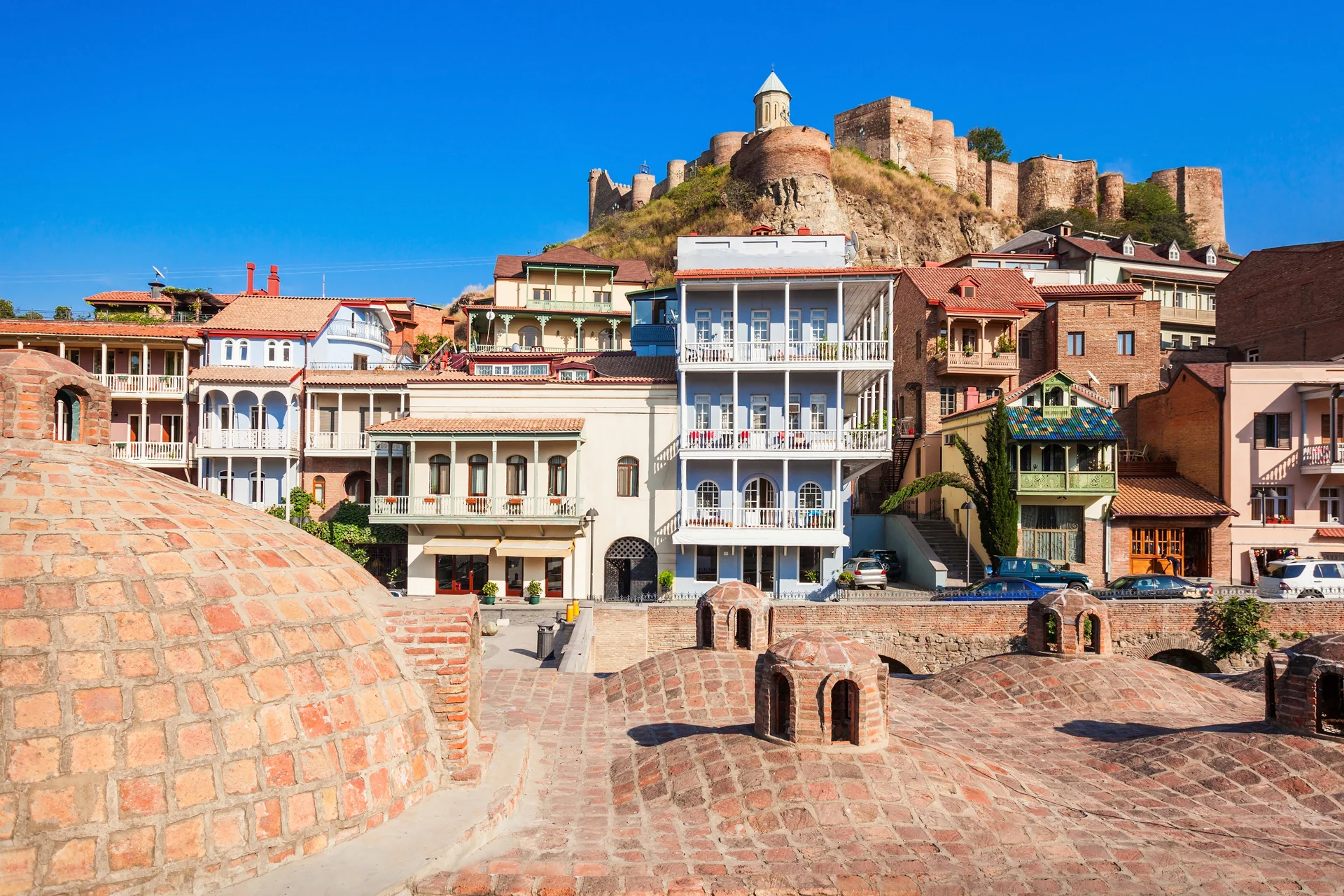
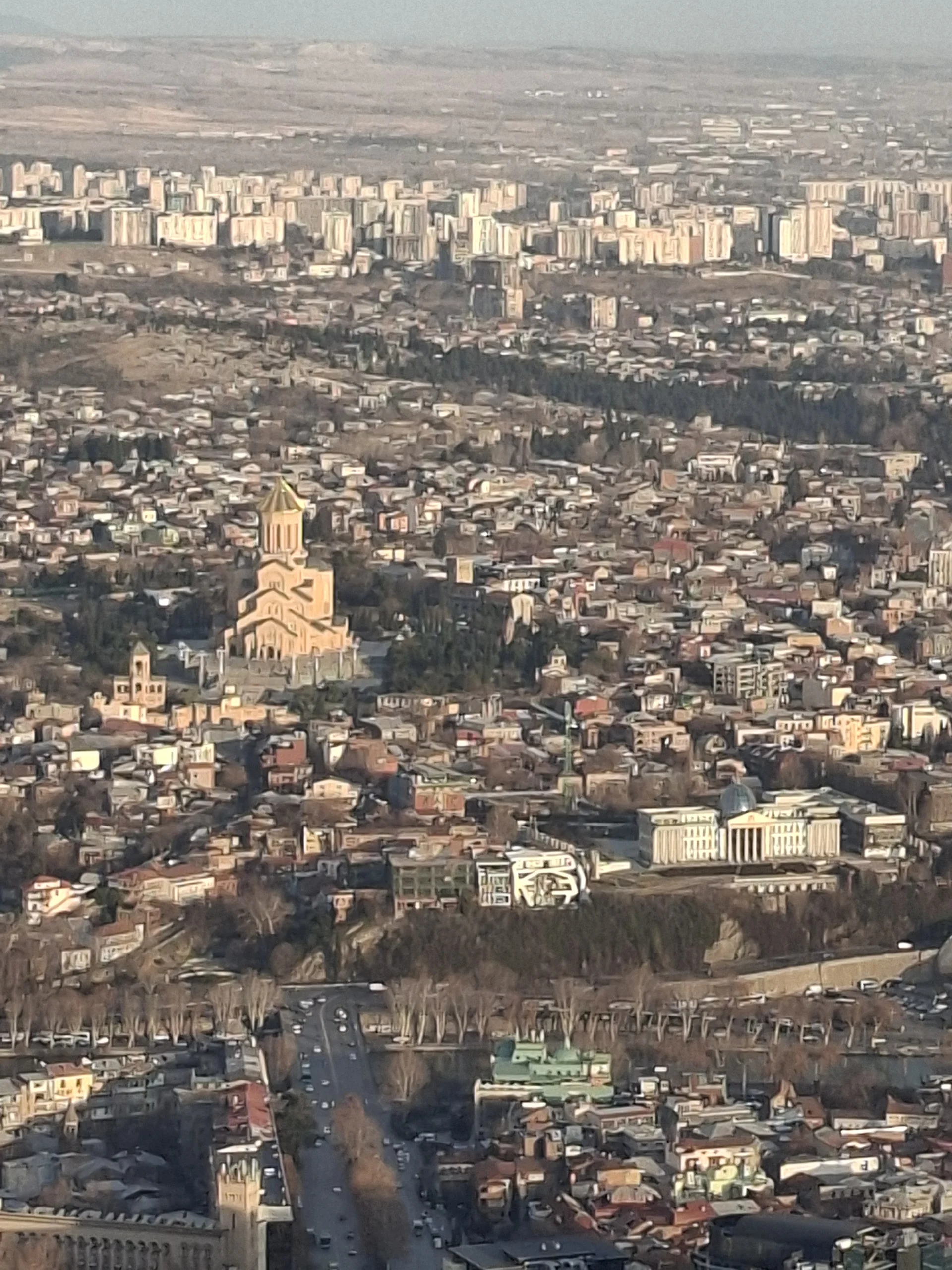
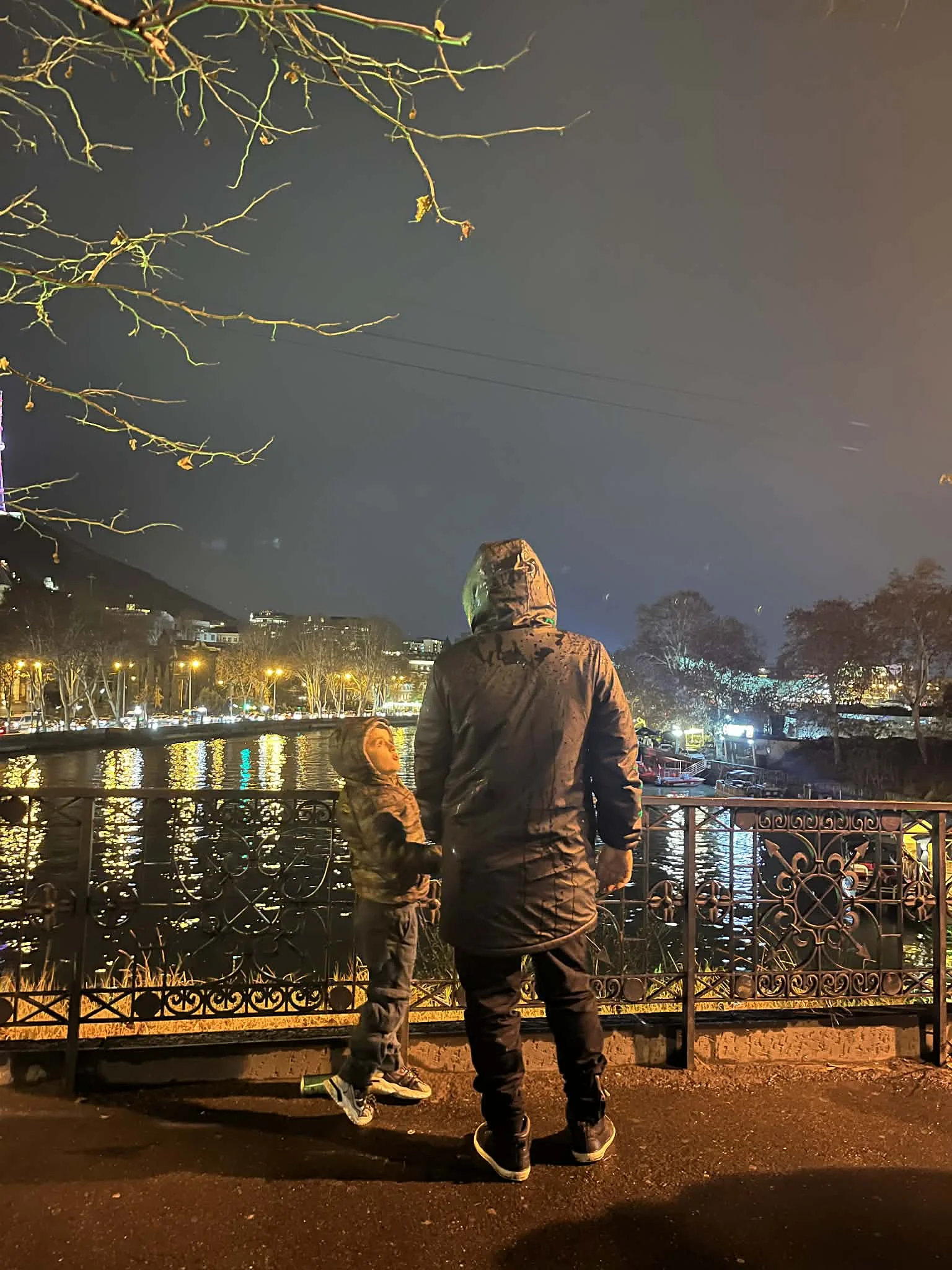
Tbilisi is sized just right, and its scale makes it really pleasant to visit. For a trip of a few days, don't miss:
- the heights of the city and their incredible view of the valley (special shout-out to Qartlis Deda, an imposing statue of a woman representing the symbol of Georgia),
- the baths that were at the origin of the city's founding (a small waterfall and a canyon are hidden right in the heart of the city...),
- looking for an urbex spot (Georgia is full of them, just as much as it is full of USSR artifacts),
- visiting the Chronicle of Georgia, a spectacular installation that recalls the history of Georgia,
- checking out the Georgian National Museum to get an idea of the country's rich history,
- eating khachapuri and khinkali,
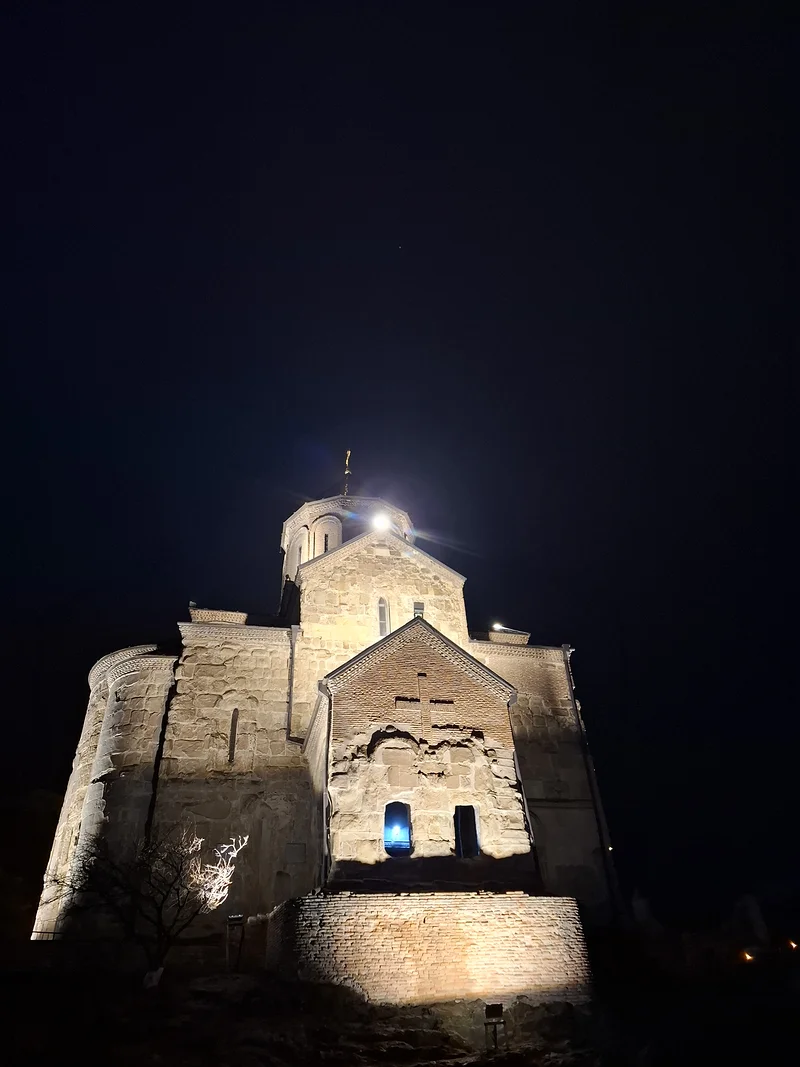
- visiting the Metekhi Church, one of the oldest in Georgia...
I personally loved visiting this city and discovering its cultural richness, and the size of it is also perfect for those (like me) who don't really like big metropolises!