


Discovering Angers: History and an Easy Way of Life
Angers was the historic capital of Anjou, and it earns its reputation through medieval landmarks, plenty of green space, and an unhurried Loire Valley way of living. The city sits in the heart of the Loire Valley and has a deep medieval past, yet it stays lively thanks to a large student population and a packed cultural calendar.
Angers Castle and the Apocalypse Tapestry
You can't visit Angers without stopping in front of its massive fortress. Built in the 13th century, it towers over the town with high curtain walls and seventeen towers of schist and limestone. Inside is one of France's great treasures: the Apocalypse Tapestry, a monumental 14th-century woven work depicting the visions of Saint John. It ranks among the most remarkable medieval masterpieces in the world.
The Historic Center and Its Half-Timbered Houses
Wander the historic center and you'll find medieval, Renaissance, and contemporary architecture sitting comfortably side by side. The Maison d'Adam, with its half-timbered frame and carved figures, is one of the most photographed buildings in town. Cobbled lanes open onto small squares where lingering over a drink on a café terrace is half the point.
The Banks of the Maine and Angevin Softness
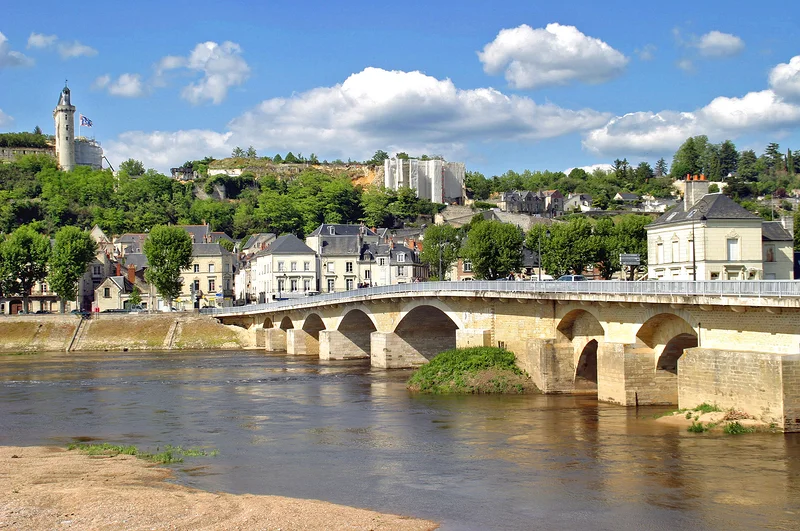
The Maine River runs through Angers, so water is part of nearly every view. The landscaped riverbanks make for good walks, especially out toward the Île Saint-Aubin, a protected natural area. In summer, houseboats and open-air riverside bars (known as guinguettes) draw crowds looking to soak up what locals call the douceur angevine, a phrase poets and writers have long loved for the region's gentle climate and mood.
Plant Life and the Terra Botanica Park
Angers has a close relationship with plants, and you can see it in the many parks and gardens. The clearest example is Terra Botanica, billed as the first European theme park devoted to the plant world. It combines tropical greenhouses, themed gardens, and playful rides, so it works for families and botany buffs alike.
Food Rooted in the Land
Cooking in Angers draws on Loire Valley ingredients. The quernon d'ardoise is a blue chocolate candy that mimics the slate roofs of the city, and it's the local sweet to try. The rillaud, chunks of confit pork belly, is a regional charcuterie specialty. To drink, look for Anjou wine and Cointreau, the orange-peel liqueur made here.
Where to eat
- La Table de Yo (Centre): A fine-dining address built around local ingredients.
- Chez Rémi (Centre): A friendly restaurant known for Angevin specialties.
- Les 3 Lieux (Ponts-de-Cé): A pleasant waterside setting with refined cooking.
- Brasserie du Théâtre (Centre): A classic spot for regional dishes in an elegant dining room.
When to go
Spring and summer are the best seasons for Angers. Festivals fill the calendar, and the banks of the Maine are at their best. Fall suits wine lovers, with the grape harvest underway in the surrounding vineyards. Winter is quieter, but the Christmas markets add warmth to the city.
How to get there
Angers is well connected by rail, with a 1h30 high-speed TGV ride from Paris Montparnasse. By car, take the A11 motorway linking Paris and Nantes. The nearest airport is Nantes, about an hour away by road.
How to get around
The Irigo public transit network runs trams and buses that make getting around easy. Angers is also good for cycling, with dedicated bike lanes and rental options.



Angers is a city that charms you immediately.
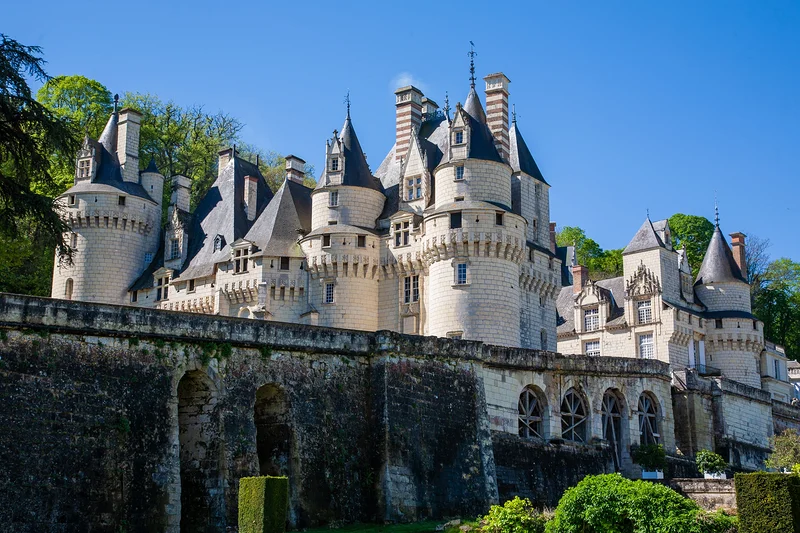
Its castle is impressive.
The walks along the Maine are peaceful and gorgeous, perfect for relaxing.
The city is also packed with tourist attractions, between the heritage, culture, and easygoing lifestyle.
Explore the old town, and if you have a moment, opt for a visit to the Terra Botanica park.