
Visiting Poitiers
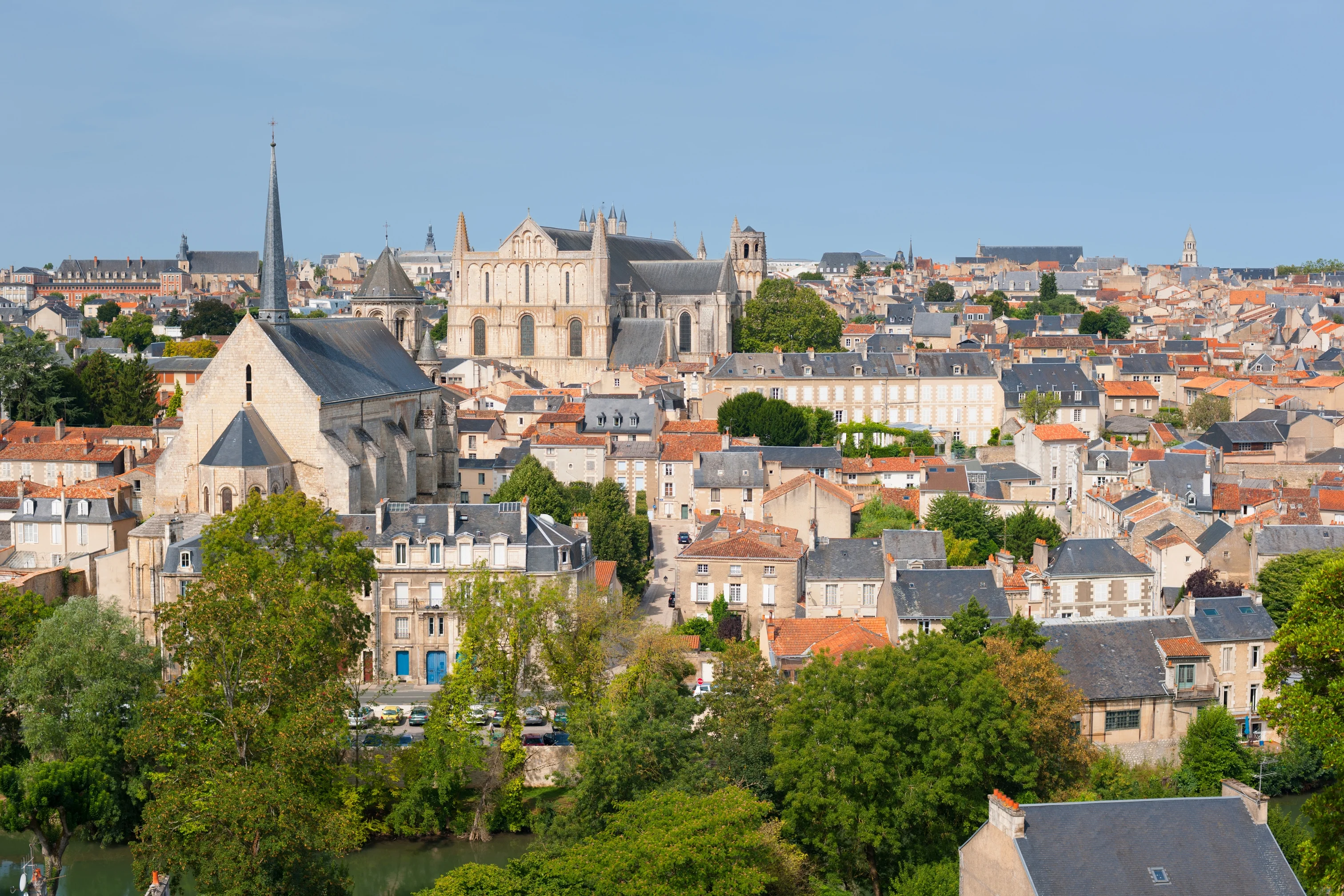
Home to nearly 90,000 residents, Poitiers carries a deep architectural and historical footprint tracing back to the Middle Ages. As a major college town in the Nouvelle-Aquitaine region and the county seat of Vienne, its university was founded back in 1431 and educated heavyweights in literature and science such as Rabelais, Descartes, and Du Bellay. Just outside town, the Futuroscope theme park took shape in the 1980s. Dedicated to digital media, future tech, and interactive exhibits, the park pulls in close to 2 million visitors each year.
A Medieval Powerhouse
Historically, Poitiers served as the backdrop for major military clashes. Back in 732, the Franks led by Charles Martel halted the advancing Moorish forces in the countryside nearby. In 1356, the area saw an English victory over the French forces of King John II the Good. During the Hundred Years' War, Poitiers even served as the temporary capital of the Kingdom of France, a status that paved the way for its prestigious university charter in 1431.
The Saint-Jean Baptistery stands as a rare surviving piece of Merovingian architecture, featuring an ancient immersion baptismal pool used through the 8th century. Poitiers also harbors one of the finest Romanesque churches in France, Notre-Dame-la-Grande Church. Strolling through the historic center leads you to the Sainte-Croix Museum, which houses fine art collections including notable pieces by Camille Claudel.
The Palace of Eleanor of Aquitaine
Poitiers hit a golden age under the rule of Eleanor of Aquitaine and Henry II Plantagenet, King of England. Eleanor of Aquitaine established her royal court here at the Palace of the Counts of Poitou and Dukes of Aquitaine. Crowned by the Maubergeon keep, the complex served as the Poitiers courthouse until 2019 before the city acquired it. Today, the site welcomes visitors, and its main reception hall, the Salle des Pas Perdus, functions as an exhibition space. Construction on the Gothic Saint-Pierre Cathedral also began under Eleanor of Aquitaine, though it took two more centuries to finish.
While the Renaissance brought a quieter pace, it left behind striking private mansions, notably the ornate Hôtel Fumé. Leaning into green spaces, Poitiers features Blossac Park, laid out starting in 1753 in the formal French garden style. Spanning nine hectares, the park overlooks the Clain Valley with sweeping viewpoints. Be sure to check out the Poitiers Rose Garden, a dense collection featuring hundreds of rose varieties.
When to Go
The ideal window for visiting Poitiers runs from May through September.
Getting There
Poitiers connects easily via train or bus lines from major French transit hubs.
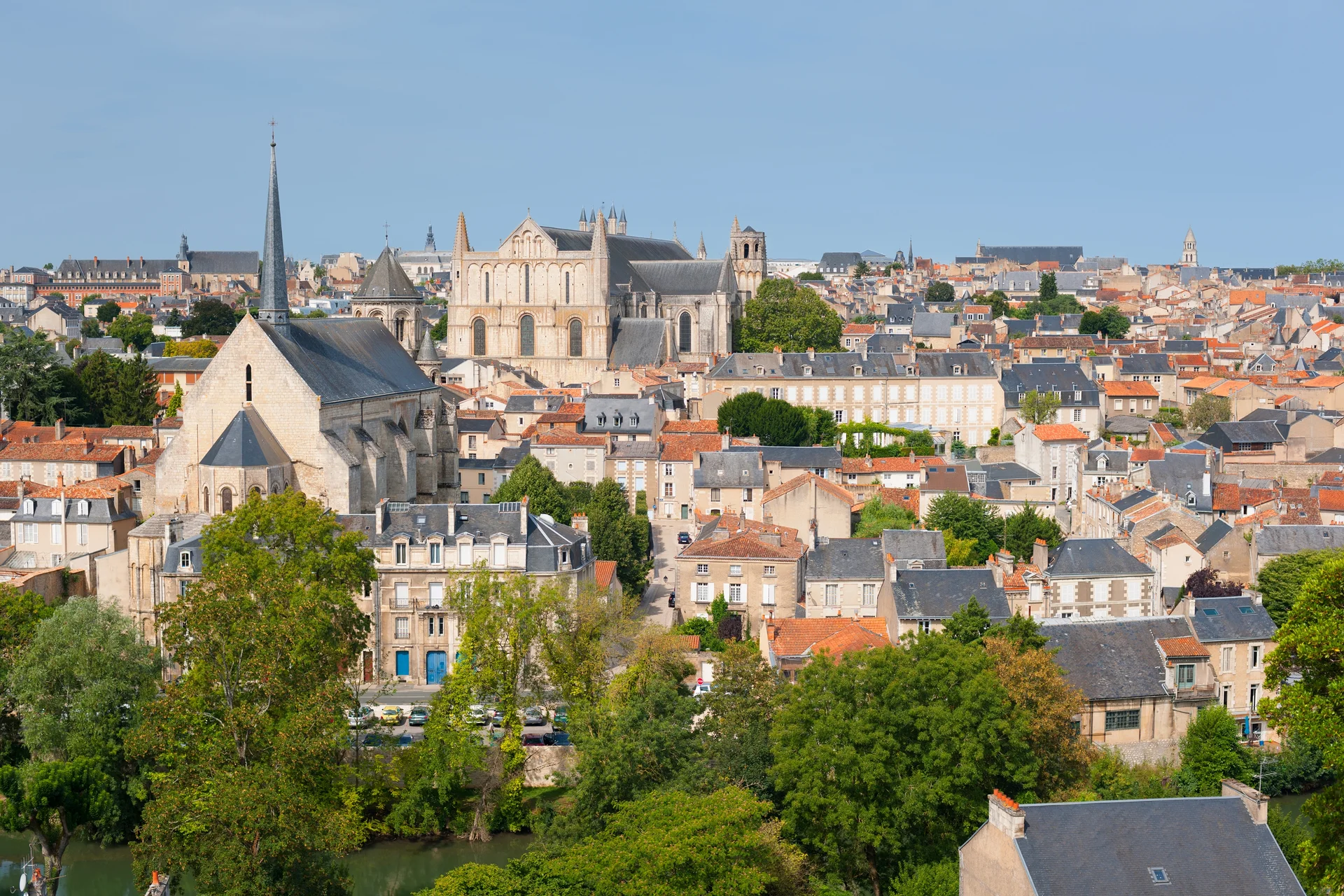

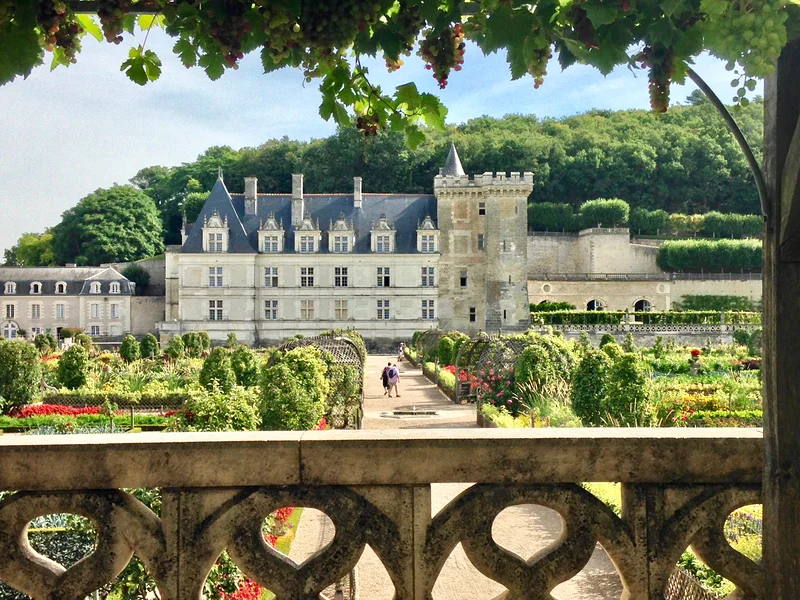
Spacious city with large parks (special mention to the Roseraie), pretty well-preserved medieval architecture in the city center, and the banks of the Clain are nice for a walk.
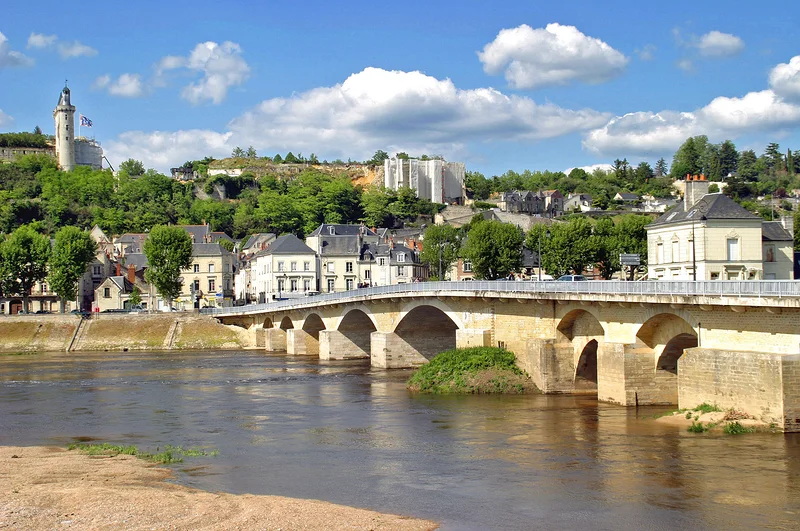
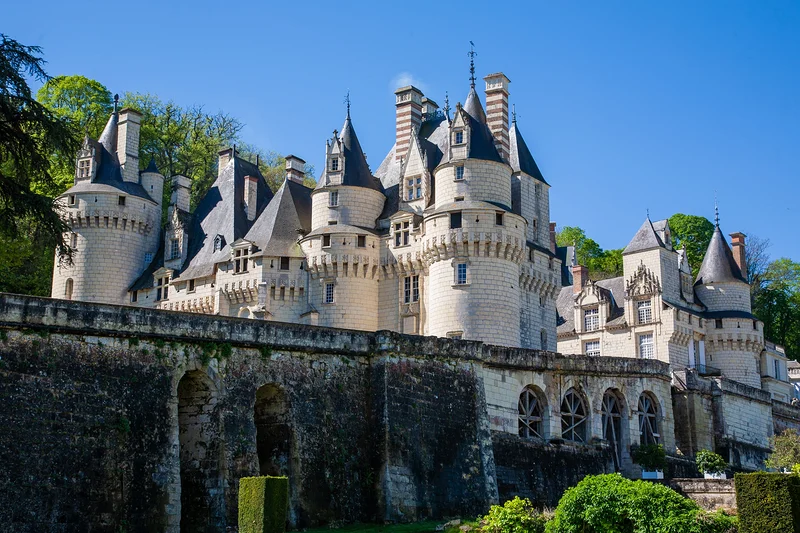
As for the scene, there is a very visible student community that keeps things moving a bit when it comes to bars and nights out. However, most of them leave the city during summer vacation. You will mostly be coming in the summer for the attractions in the region, such as Futuroscope about ten kilometers to the north, the Brenne Regional Natural Park to the east, the Château de Chauvigny, the Vallée des Singes zoo...