
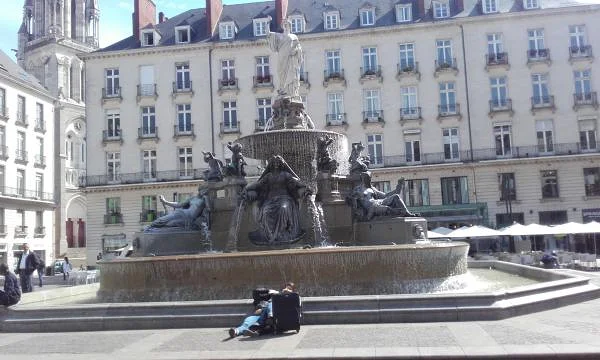
Nantes: Where the Loire meets imagination
The scent of warm butter drifting from a bakery, the metallic hum of a streetcar passing Art Deco facades, and the distant, hulking silhouette of a mechanical elephant moving through the streets. This is your first impression of Nantes, a city that balances tradition, artistic audacity, and the laid-back pace of the Loire River Valley.
Nantes: For the artists or the strollers?
It depends on your travel style. If you enjoy cities that reinvent themselves without erasing their history, you will fit in here. Nantes draws history buffs and modern art enthusiasts alike, along with families looking for a relaxed vibe. If you are strictly looking for absolute silence or raw wilderness, the urban energy here might feel a bit intense.
The budget is reasonable for a major French city. You will find affordable cafes and a range of lodging, though museum tickets and specific attractions can add up. The good news is that the city is highly walkable and well-connected by tram, so you can skip the rental car unless you plan to head out into the countryside.
The medieval and royal core
The city center revolves around the château des ducs de Bretagne, where you can walk the ramparts for a bird's eye view of the city. Nearby, the cathédrale Saint-Pierre stands out for its towering, light-filled interior.
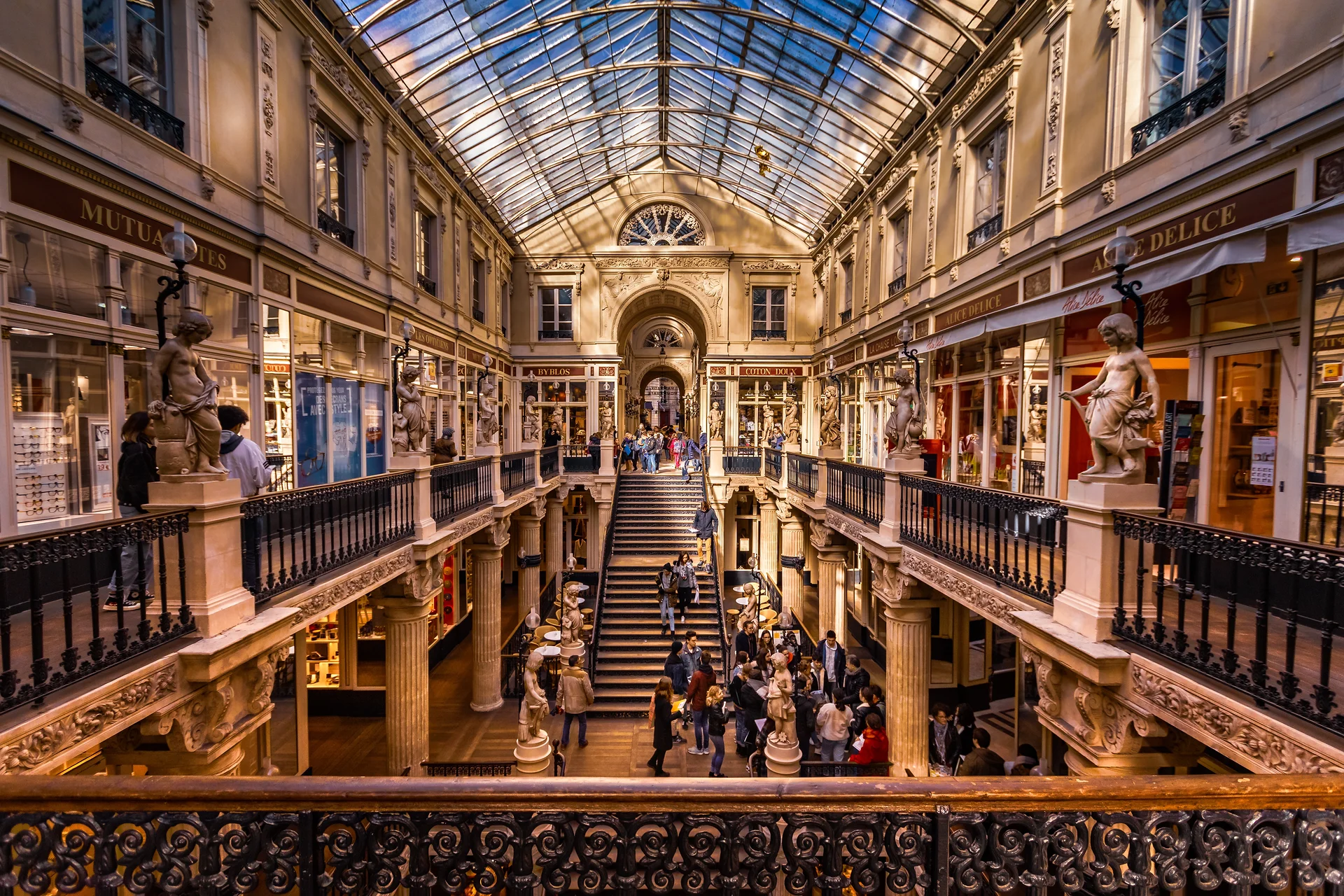
The surrounding alleys reveal half-timbered houses and covered passages like the passage Pommeraye, a 19th-century marvel where refined boutiques and ornate staircases create a near-theatrical setting.
Friendly tip: Visit the castle in the evening when the stone walls are softly illuminated and the daytime crowds have dispersed.
The Île de Nantes and its mechanical wonders
On the Île de Nantes, the landscape shifts entirely. You will find re-purposed shipyards, hangars converted into artist studios, and the massive mechanical elephant that wanders the docks, spraying water on surprised passersby. The Machines de l'île draw inspiration from the works of local author Jules Verne, blending steampunk engineering into a unique playground.
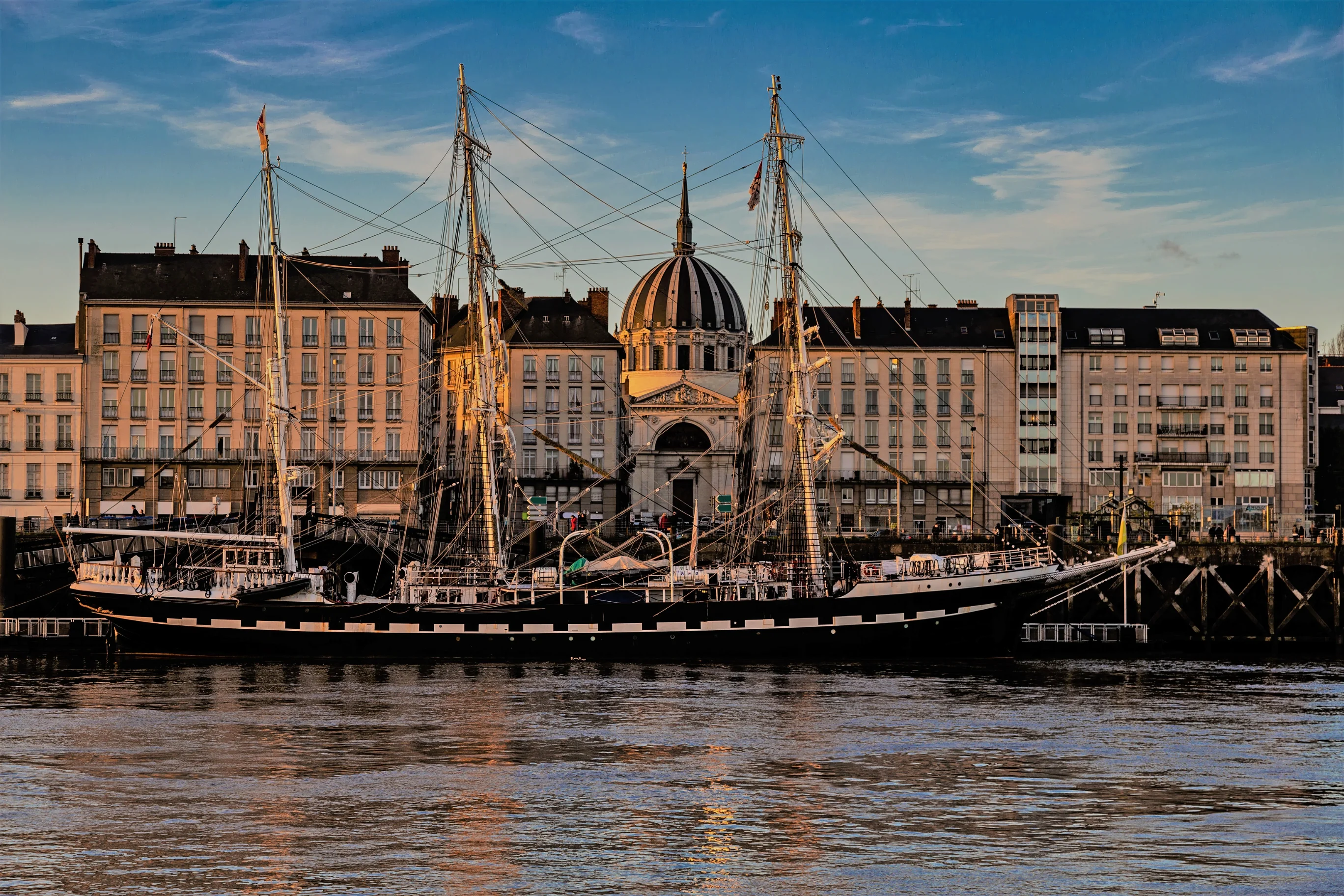
Along the banks of the Loire, you will find bars and seasonal guinguettes, which are casual outdoor spots perfect for sipping a craft beer while watching the river flow by.
Friendly tip: Book your tickets for the workshop in advance, especially if you are visiting on a weekend or during school holidays.
Bouffay and the nightlife scene
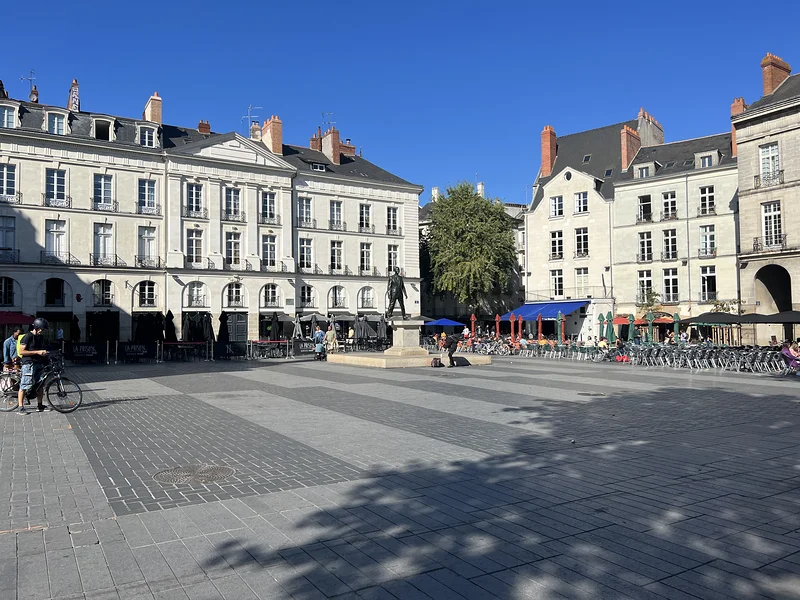
The Bouffay neighborhood is a maze of cobblestone streets where the sound of conversation spills out from crowded terraces. It is the go-to spot for a glass of crisp Muscadet wine with a side of oysters or a savory buckwheat galette in a traditional creperie.
After dark, the bars pick up the pace. Be aware that the area is popular with students, meaning a high-energy atmosphere that can get quite loud.
Friendly tip: If you want a quieter night, look for the small wine bars tucked into the side streets away from the main square.
Nature at the city gates
A few tram stops away, the jardin des Plantes offers a green escape with sculptures, exotic greenhouses, and century-old trees. Further out, the path along the Erdre River is a favorite for walkers and cyclists, lined with elegant private manors.
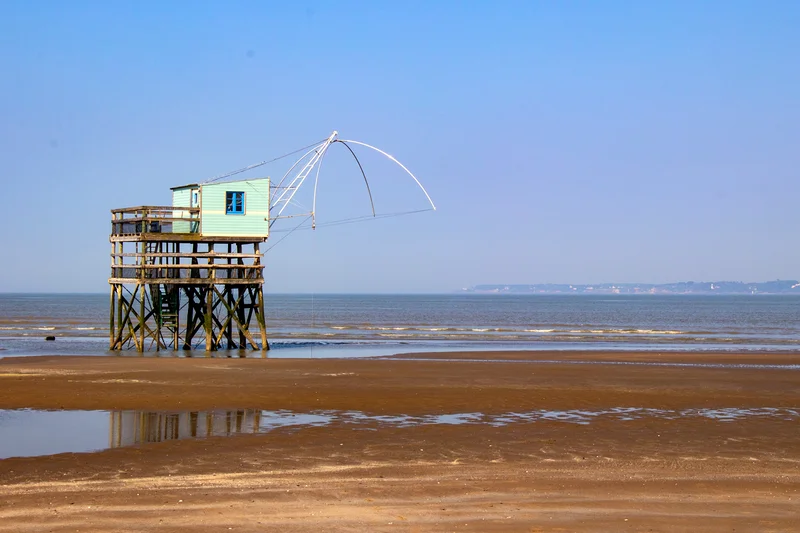
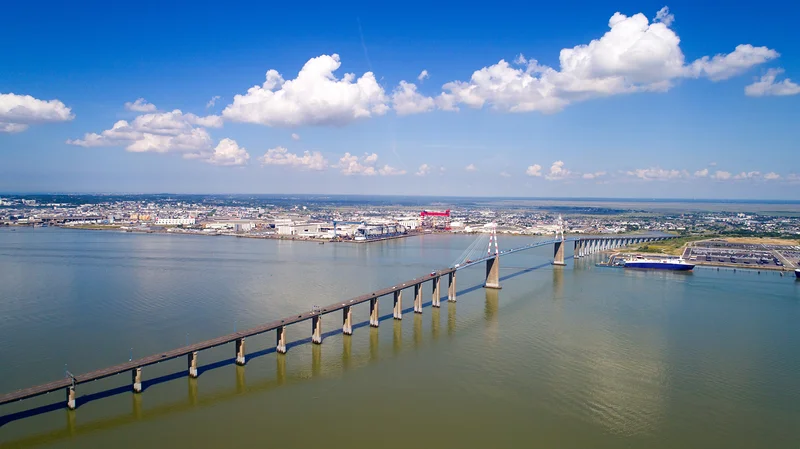
For a day trip, the Atlantic coast and the Brière marshes are both reachable in under an hour, making it easy to combine city life with the outdoors.
Friendly tip: Rent a bike to ride along the Erdre at sunset. The golden reflection on the water is worth the trip.
Where to eat and drink in Nantes?
The local food scene is a mix of river and ocean influences. Look for white butter sauce (beurre blanc) served over fresh-caught fish, duck rillettes at the Talensac market, or the classic rum-soaked Nantes cake. The local markets are also packed with farmhouse cheeses and fresh seafood.
Getting there and getting around
The airport is connected to the center by a quick shuttle, and high-speed trains from Paris take under two hours. Once you arrive, the tram and bus systems are efficient, though walking is the best way to see the city. You only need a car if you plan to explore the coast or the inland countryside.
When to go?
Spring and early autumn offer the best balance of mild weather, cultural events, and manageable crowds. Summer is busier, largely due to the Voyage à Nantes, an art trail that takes over the city. Winter is quieter, perfect if you prefer to spend your time in museums and cozy cafes.
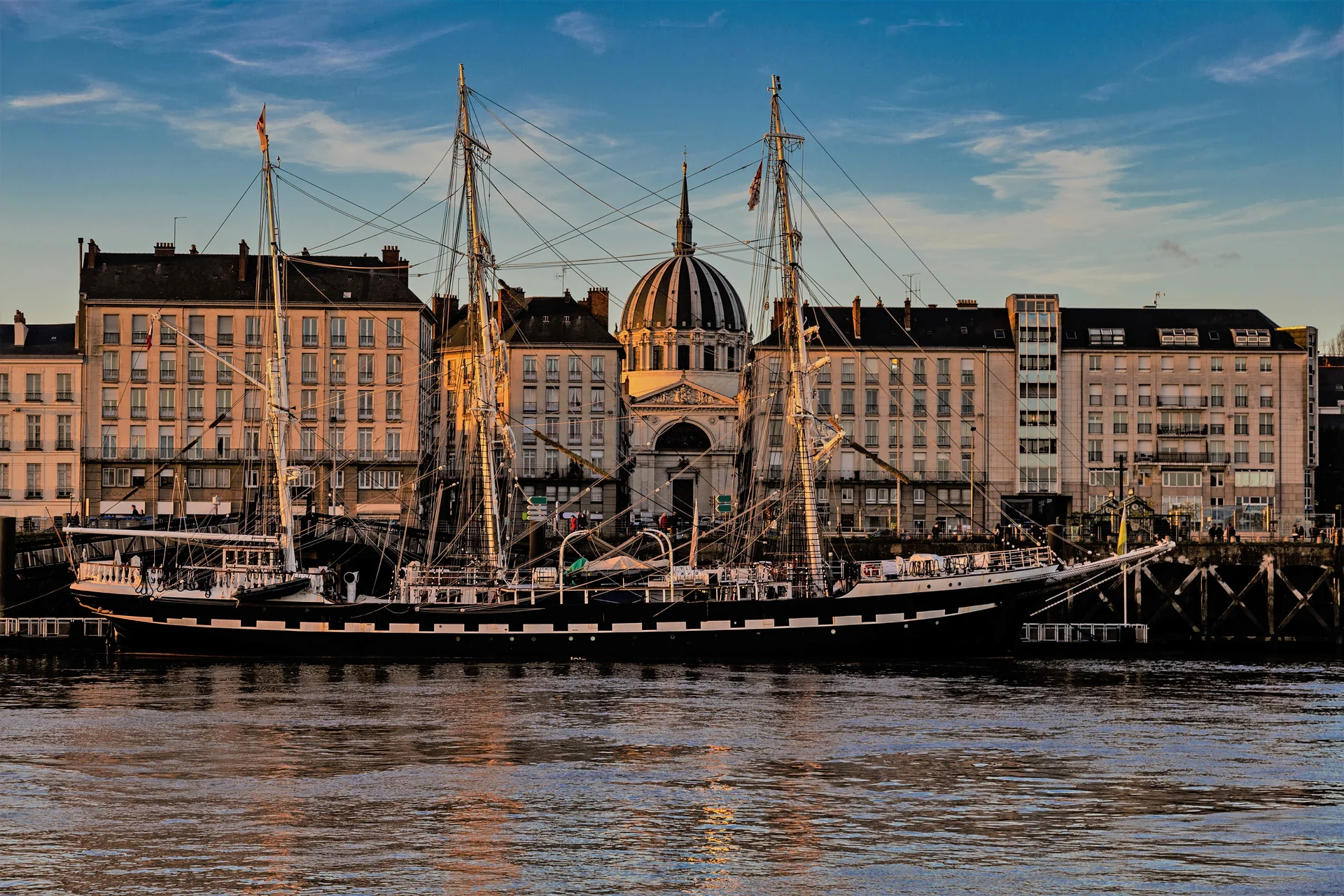
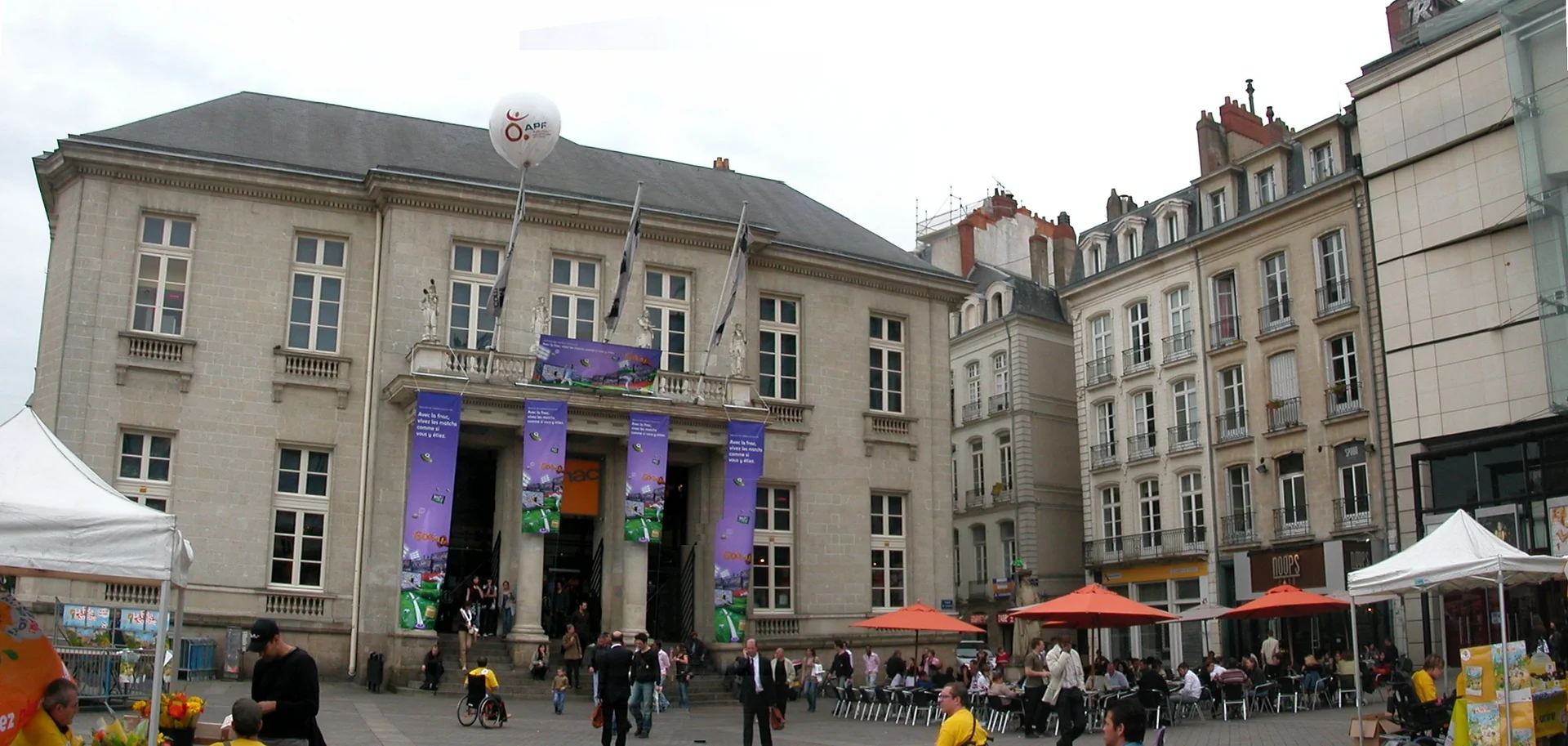

Even if the city has been going downhill in terms of safety for several years, Nantes remains a very dynamic city with high potential. The attractions are diverse and geared toward everyone, from the Chateau des Ducs de Bretagne to the Machines de l'ile, and the public transportation options are ideal (tram, river shuttle, bus...) when you do not have a car, whether you are a tourist or a student. I especially love the performance venues, small cafes, and the cultural scene that lets you catch a movie, go dancing, or listen to music at prices that remain affordable!