
Saint-Brevin-les-Pins, where the Loire meets the Atlantic
A giant 130-meter serpent skeleton emerges from the sand with the rhythm of the tides. Its 135 aluminum vertebrae ripple against the backdrop of the pont de Saint-Nazaire, looking like a marine monster stranded there for millennia. This sculpture by Chinese artist Huang Yong Ping, installed in 2012, captures the essence of this coastal town in a single glance: an unexpected mix of wild nature, ancient heritage, and contemporary art.
A low-key family beach town
This spot is tailored for families looking for a straightforward, toes-in-the-sand vacation. Five miles of lifeguarded beaches, calm waters ideal for learning to surf, quality campgrounds, and a laid-back vibe far from the flashy resorts further up the coast. Nature lovers will appreciate the shaded forest trails and protected coastal dunes.
If you are looking for pulsating nightlife or high-end designer boutiques, Saint-Brevin is not for you. The town leans hard into its identity as a family destination, complete with creperies, a modest casino, and casual summer beach activities. The main upside is that prices stay reasonable compared to La Baule or Pornic, both just a few miles away.
Keeping costs under control on the Jade Coast
Expect to pay between $68 and $113* a night for a mobile home at a 4-star campground, and $90 to $146* for a standard hotel room. A meal at a casual waterfront brasserie runs $21 to $34*, and a seafood platter for two is around $57*. Access to the beaches and most natural sites remains free.
The Ocean Serpent and Pointe de Mindin
The work by Huang Yong Ping is the primary reason to visit outside of peak summer. Installed on the tidal flats at the pointe du Nez-de-Chien, this monumental skeleton appears and disappears with the tide. At low tide, you can walk all the way around it. At high tide, only the skull and upper vertebrae break the surface of the waves.
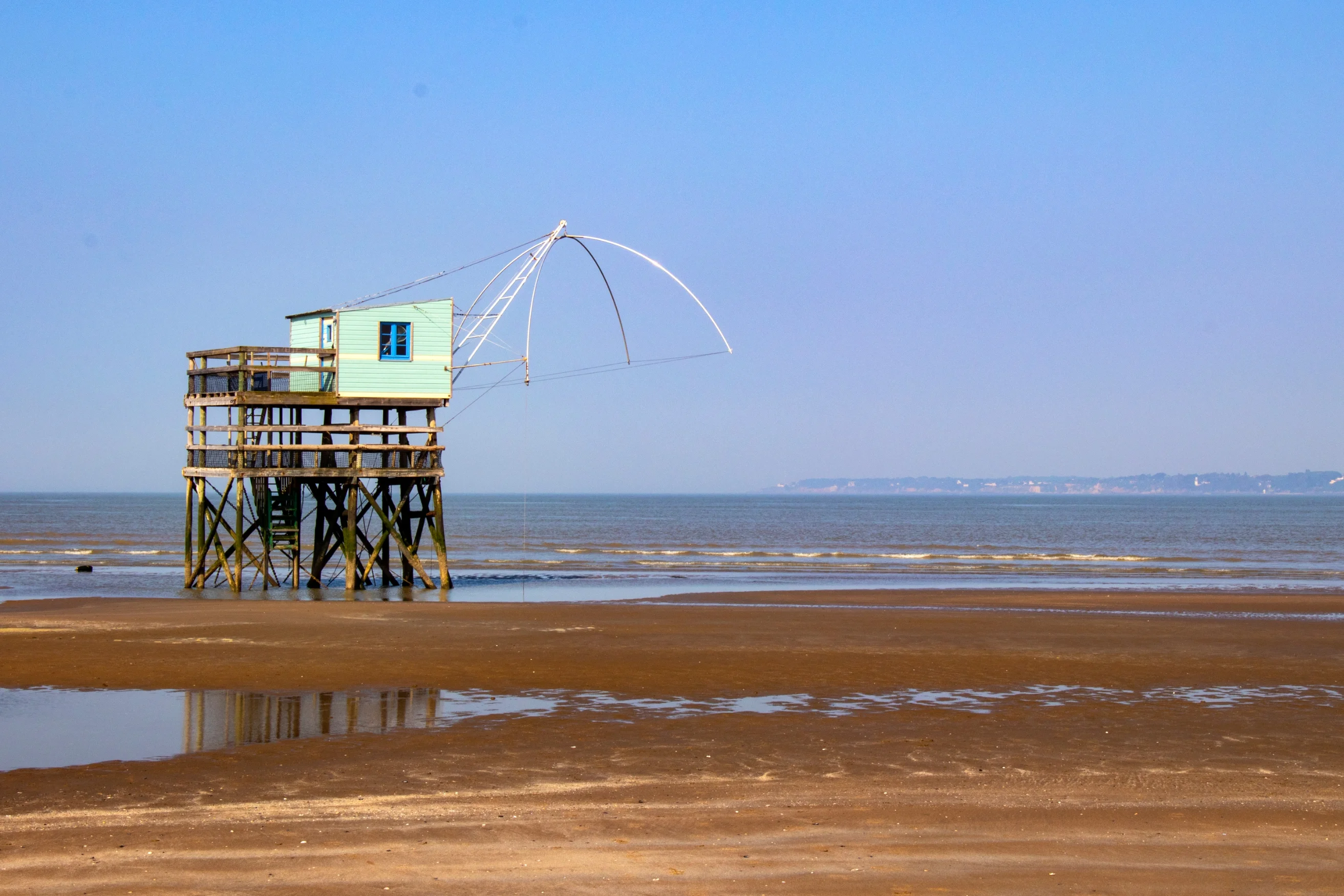
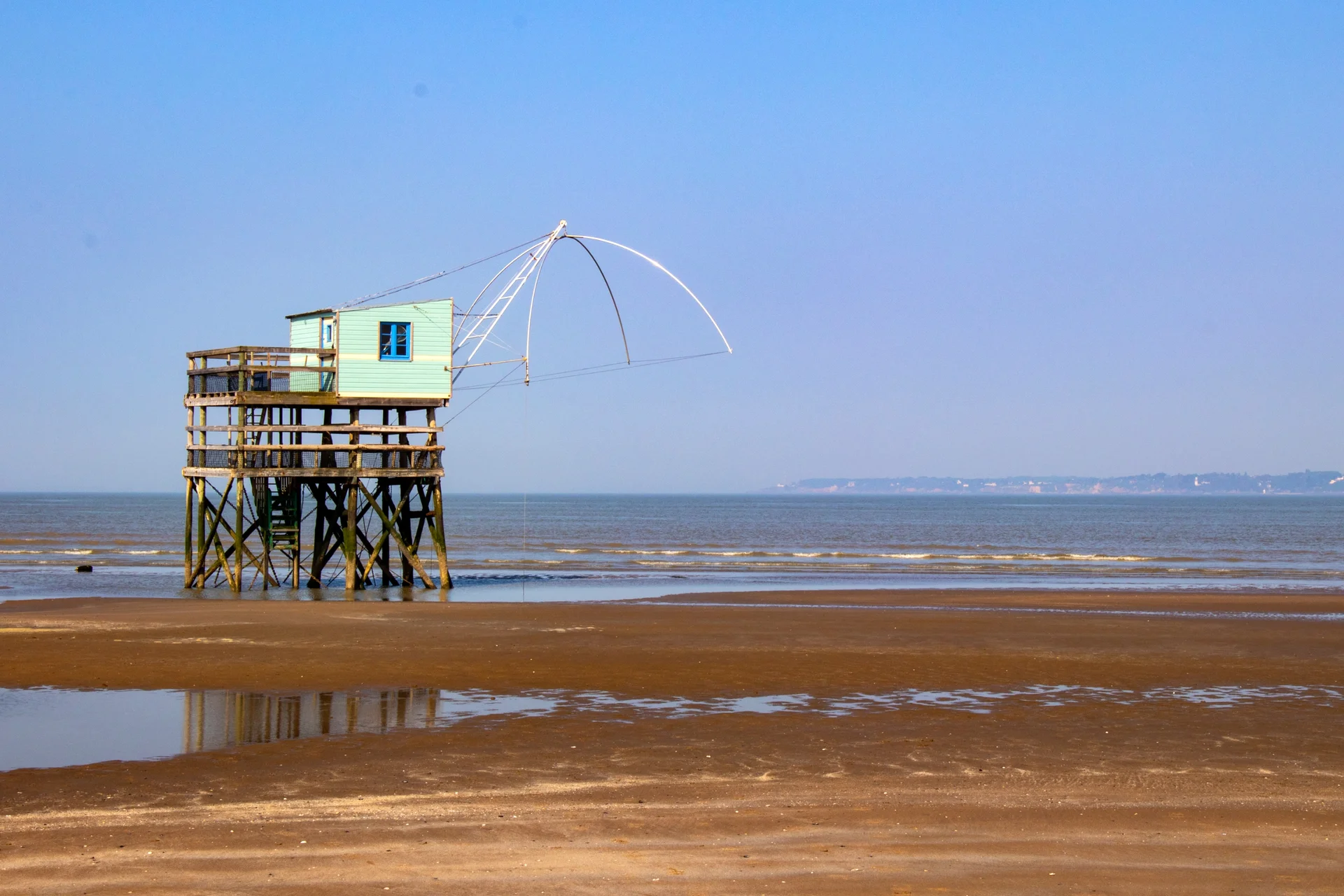
The curve of the vertebrae mirrors the shape of the pont de Saint-Nazaire visible in the distance, and their silhouette recalls the carrelets, the traditional stilt fishing huts typical of the estuary. Over time, algae and barnacles have colonized the structure, and seabirds perch on the metal. The artwork has evolved into a miniature ecosystem.
Friendly tip: check the tide tables before you visit. The most striking sight unfolds on a rising tide, when the waves begin to lap against the monster's vertebrae.
Beaches and board sports
The five miles of shoreline offer distinct environments. The plage de l'Ermitage suits families best with its shallow waters and summer lifeguards. The plage des Rochelets draws beginner surfers with steady, manageable waves. For something wilder, the plage de la Roussellerie backs directly up against the forest of Pierre Attelée.
Land sailing, or char à voile, remains the standout activity in Saint-Brevin. The vast stretches of hard-packed sand at low tide create an ideal racetrack. Several schools offer beginner lessons on the plage du Pointeau. Kitesurfing and windsurfing also find reliable conditions here for newcomers.
Forests, megaliths, and hidden heritage
The forêt de la Pierre Attelée hides prehistoric treasures. The menhir de la Pierre Attelée, standing nearly 3 meters tall, rises right out of the maritime pine forest. Other ancient megaliths dot the town: the Fesses du Diable near city hall, the dolmen des Rossignols, and several menhirs classified as historic monuments. These Neolithic remnants often go unnoticed by beachgoers rushing to the water.
The neo-Byzantine église des Pins surprises visitors with its Mediterranean architecture in the middle of southern Brittany. The musée de la Marine in Mindin traces local maritime history inside a 19th-century fort. Ship models and navigation gear tell the story of centuries of fishing and shipping on the estuary.
Friendly tip: ride the Vélodyssée bike route as it passes through Saint-Brevin. This coastal path offers gorgeous views winding between sand dunes and pine groves. Local rental shops carry e-bikes if you want an easier ride.
The Saint-Nazaire Bridge and surrounding area
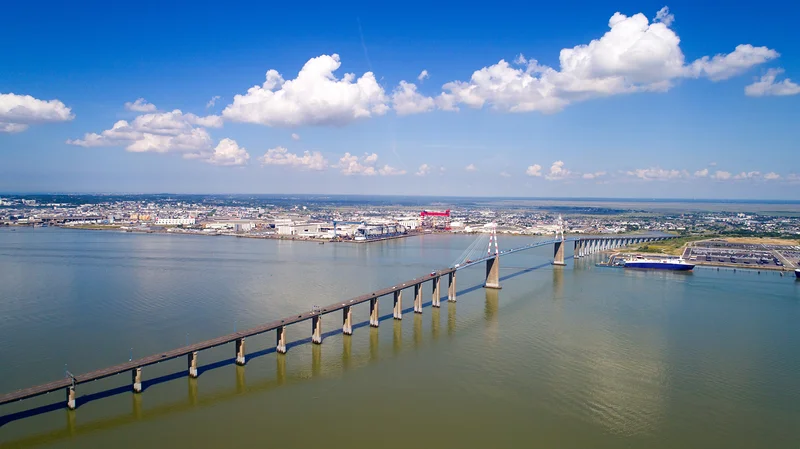
The 3.3-kilometer pont de Saint-Nazaire dominates the landscape. This cable-stayed bridge has linked Saint-Brevin to Saint-Nazaire and its shipyards since 1975. Driving across offers dramatic views over the estuary and the cargo ships heading toward Nantes. From the beach, watching cruise ships pass underneath the bridge is a show in its own right.
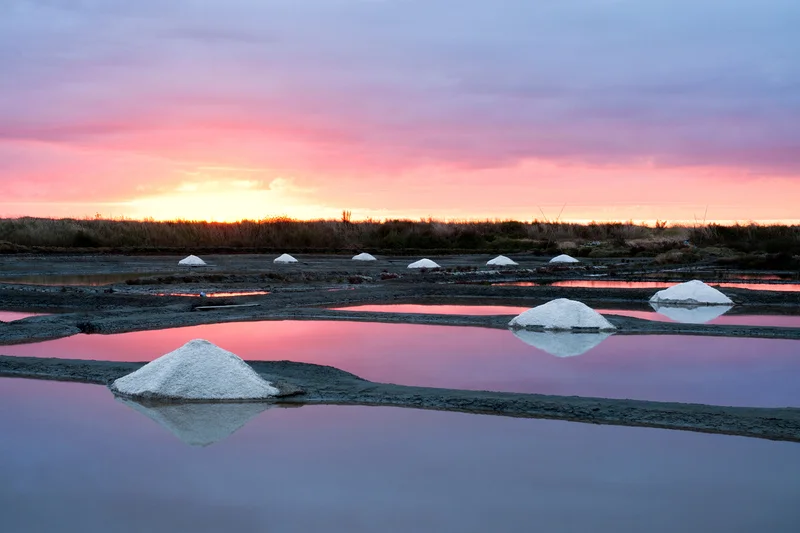
Twenty minutes south, Pornic features a colorful fishing port and a medieval castle. La Baule and its long sandy beach sit 40 minutes north. The Parc Naturel Régional de Brière, with its marshlands and traditional flat-bottomed boats, makes for an easy day trip. The salt marshes of Guérande round out the nearby options.
Where to eat and drink in Saint-Brevin-les-Pins?
Local dining leans heavily on seafood: moules de bouchot (rope-grown mussels), bay oysters, and the fresh catch of the day. Waterfront restaurants serve seafood towers with ocean views. Monsieur Jo, located right on the beach, serves local specialties in a relaxed setting.
Family creperies serve savory galettes de blé noir (buckwheat crêpes) paired with local cidre. For a more refined meal, Le Pacôme les Autres works with regional ingredients creatively. The Wednesday morning market is the place to pick up picnic supplies like farmhouse cheeses, fresh produce, and smoked fish.
Where to stay in Saint-Brevin-les-Pins and nearby?
Campgrounds make up the bulk of the lodging options. camping Le Fief features a pool complex worthy of a water park. camping de Mindin offers direct beach access and stays open year-round. Les Pierres Couchées and Les Rochelets are also solid choices for families.
Traditional hotels are scarce in the town center. The Hôtel La Villa Rose-Marie offers rooms with sea views and an on-site seafood restaurant. For more variety, Pornic 15 minutes away or Saint-Nazaire across the bridge broaden the choices. Private vacation rentals also offer houses right on the waterfront.
How to get to and around Saint-Brevin-les-Pins?
From Nantes, expect a 50-minute drive via the D723 and the Saint-Nazaire bridge. Without a car, the Aléop line 315 bus connects Nantes to Saint-Brevin in about 1 hour and 20 minutes for under $3.40*. Taking the train to Saint-Nazaire and transferring to a bus can sometimes shorten the trip.
Locally, the free Brevibus shuttle loops between the town's different neighborhoods. Cycling remains the most pleasant way to get around, with bike lanes connecting the beaches and cutting through the forests. From Paris, the TGV high-speed train to Nantes takes 2 hours and 15 minutes, followed by a bus or rental car to reach the coast.
When to go?
July and August bring the warmest weather for swimming, but they also draw the biggest crowds. June and September let you enjoy the beaches with fewer people and still comfortable temperatures. Winter appeals to travelers looking for dramatic storm-watching and bracing walks against the elements.
The Serpent d'Océan can be visited year-round and takes on a striking mood in bad weather, when the waves crash against its aluminum spine. Avoid long holiday weekends in the summer if you want to steer clear of crowded beaches.
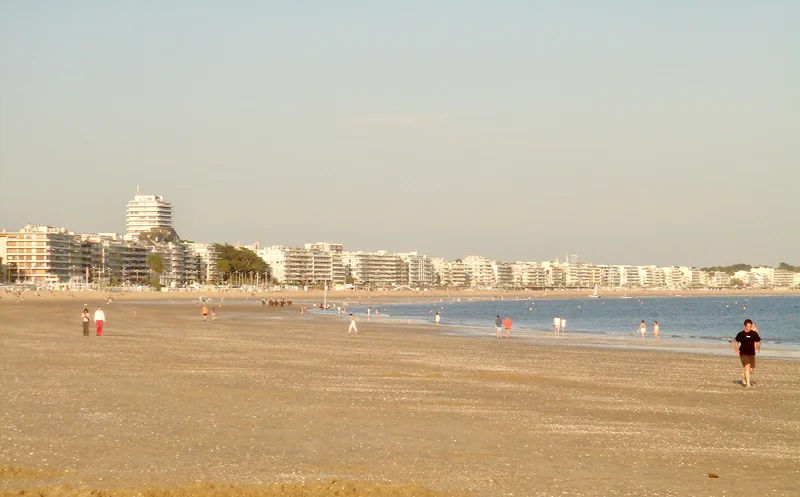
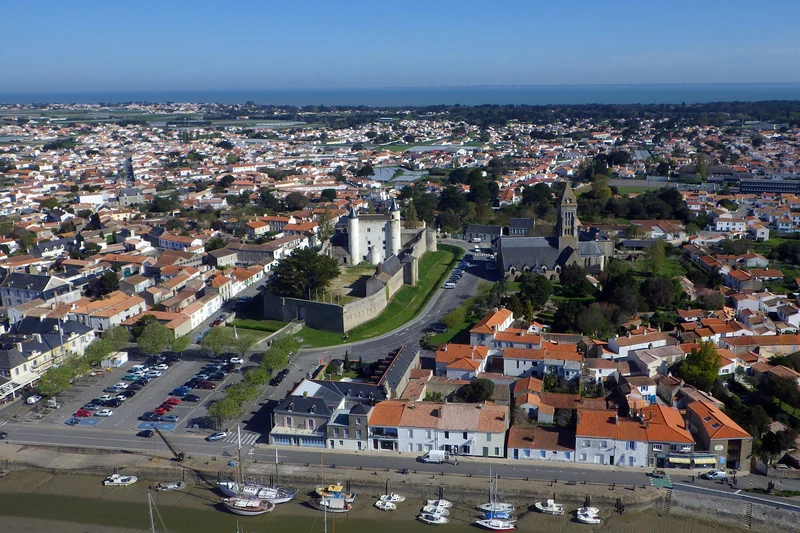
If you are in the area, I recommend spending a day in Saint-Brevin. It is a very pleasant town, which I love for taking walks along the sea. While crossing the Saint-Nazaire bridge, you can catch a glimpse of the Serpent d'Ocean and walk on the boardwalk in front of some sumptuous villas. The fine sand beach is perfectly suited for swimming. In about twenty-five minutes from the Serpent, you will arrive at the town center. It is a good place to have a drink on a terrace or do some shopping. Furthermore, I love the small Marine museum and its impressive ship models. Do not miss a trip there, as the visit is still fun for children.