
Jardin des Plantes at a Glance
A true green lung right in downtown Nantes, the Jardin des Plantes stands as the fourth largest botanical garden in France. Serving both scientific and recreational purposes, it holds an international reputation. As a pioneer in reintroducing rare species, it boasts the finest collection of camellias in the country, a true symbol of the city. Every year, its 7 hectares and 8 notable greenhouses draw 2 million visitors, half of whom are tourists. Children will love the Depodepo playground, a playful mishmash imagined by youth illustrator Claude Ponti, along with the aviary and pygmy goats at the petting zoo.
Established in 1806 by Parisian landscape architect Antoine Noisette, the Jardin des Plantes was originally called the apothecary garden and opened to the public 20 years later. Operating as an oasis of curved nature, it owes its current layout to Dr. Jean-Marie Ecorchard, whose elegant sculpture you will spot. That original statue was removed and melted down by German forces during World War II before being replicated by the city for the centennial of his death. If you appreciate statues, do not miss the Baigneuse au Miroir facing the grand waterfall. It dates back to 1909.
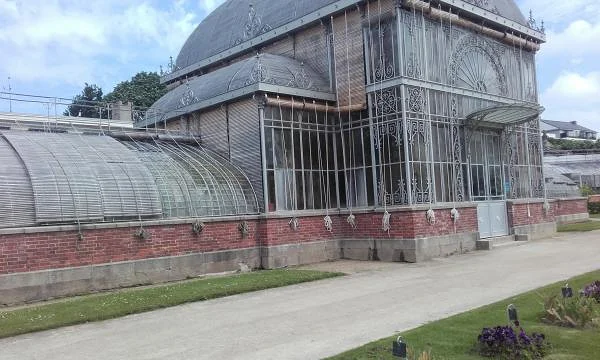
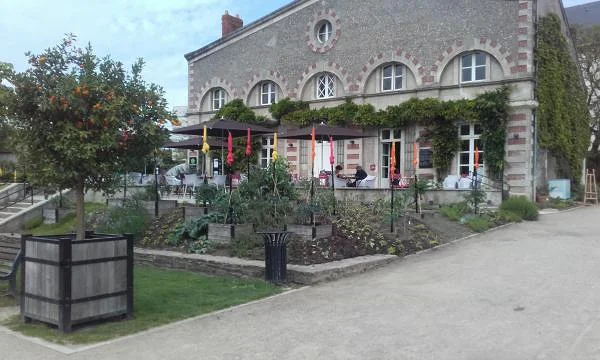
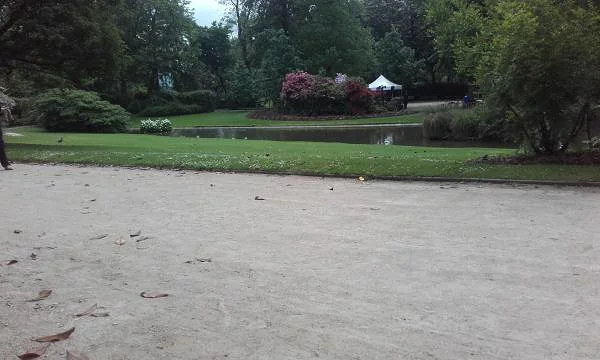
Following a classic Victorian tradition, the garden features expansive lawns and ponds, making it exceptionally pleasant for a stroll. Each spring, over 70,000 flowers go into the ground, creating a sensory wave of colors and fragrances. Certain specimens, such as the aging magnolia, date to the early 19th century. Pay attention to the giant sequoia as well as the small greenhouse built in 1890. If you need a break, you can grab a bite at the Café de l'Orangerie.

Great location. The Jardin des Plantes is a perfect place to wait for your train while surrounded by greenery, animals, and pretty flowers. There are several art pieces there, and new temporary exhibits arrive in the summer to add to the beautiful scenery.
The only downside is that you cannot walk on the grass or lie down on it. We just tell ourselves it is a way to protect the park.