
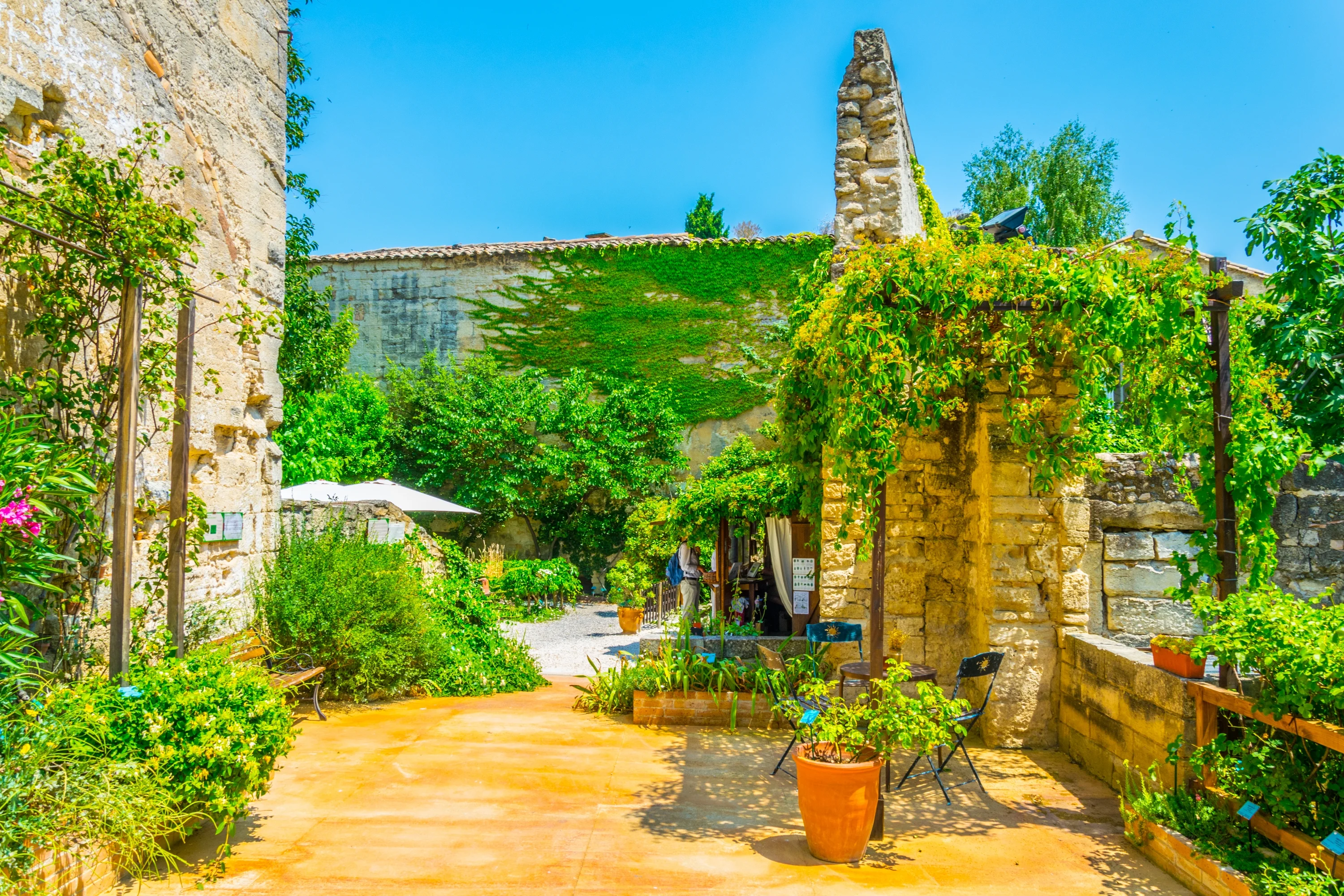
Visiting Uzès, with the subtle charm of a ducal city
Positioned between the Cévennes and Provence, Uzès carries a calm atmosphere, deep history, and a distinct southern lifestyle. This town in the Gard department holds the Ville d'Art et d'Histoire designation, making it a solid stop for anyone who likes old stone architecture, lively markets, and regional food.
A preserved historic center
The core of Uzès is meant for walking, winding through cobblestone alleys lined with blond stone townhouses. The Place aux Herbes, shaded by plane trees and framed by vaulted arcades, hosts a famous market twice a week filled with local produce and crafts. A short walk away, the Duché d'Uzès remains inhabited, standing as proof of the town's aristocratic past. The Tour Fenestrelle, the only round Lombard-style bell tower in France, rounds out the architectural lineup.
Bucolic walks
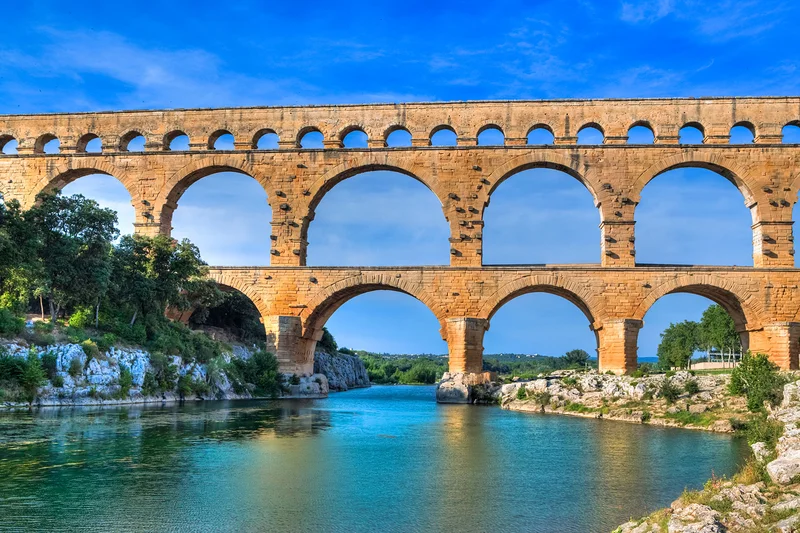
Just outside town, the Vallée de l'Eure offers a green escape. This is where the Romans built water channels to supply Nimes, and today it functions as a shaded park trail past ancient ruins. Nature lovers can also head out to nearby spots like Lussan and Saint-Quentin-la-Poterie, both known for traditional pottery and stone architecture.
A varied cultural scene
Uzès holds several museums, including the Musée Georges Borias housed in the former bishop's palace, which traces local history through art and everyday artifacts. Families often stop by the Musée du Bonbon Haribo, dedicated to the famous candy brand. Summer brings temporary art shows, concerts, and outdoor festivals staged inside the Duché or near the Saint-Théodorit cathedral.
A lively, colorful market
The Wednesday and Saturday morning markets on the Place aux Herbes rank among the best in the region. Stalls overflow with local produce including fruits, vegetables, cheeses, cured meats, olives, and wines, alongside clothing and crafts. The atmosphere stays busy and social, reflecting southern French daily life.
Gastronomy between truffles and olives
The Uzès region is famous for its black truffles, celebrated during the Fête de la Truffe every January. Olives and olive oil form the backbone of the local pantry. For dessert, croquignoles, which are crunchy almond biscuits, serve as the local treat to pair with coffee or a glass of sweet wine.
Where to eat?
- La Table d'Uzès (historic center): a fine-dining restaurant putting local ingredients front and center.
- Le Comptoir du 7 (boulevard Charles-Gide): modern and creative plates in a sharp setting.
- La Famille (Place aux Herbes): casual neighborhood spot serving dishes driven by the morning market.
Where to stay?
- Boutique Hôtel Entraigues (historic center): character-filled hotel with a pool and town views.
- Logis Hotel Restaurant Uzès Pont du Gard (near the center): comfortable hotel with an on-site restaurant and pool.
When to go?
The ideal window to visit Uzès runs from spring through autumn when the weather cooperates and local calendars fill up with events. January brings the Fête de la Truffe for food enthusiasts, while summer brings open-air festivals and exhibits.
How to get there?
Uzès connects by car via the A9 motorway at the Remoulins exit. The nearest TGV high-speed train stations are in Nimes and Avignon, both located about 30 km away. Regional bus lines also link Uzès to surrounding towns.
Getting around
The historic center of Uzès is entirely walkable. To explore the outlying countryside, having a car is recommended, though local bus routes do service nearby villages.
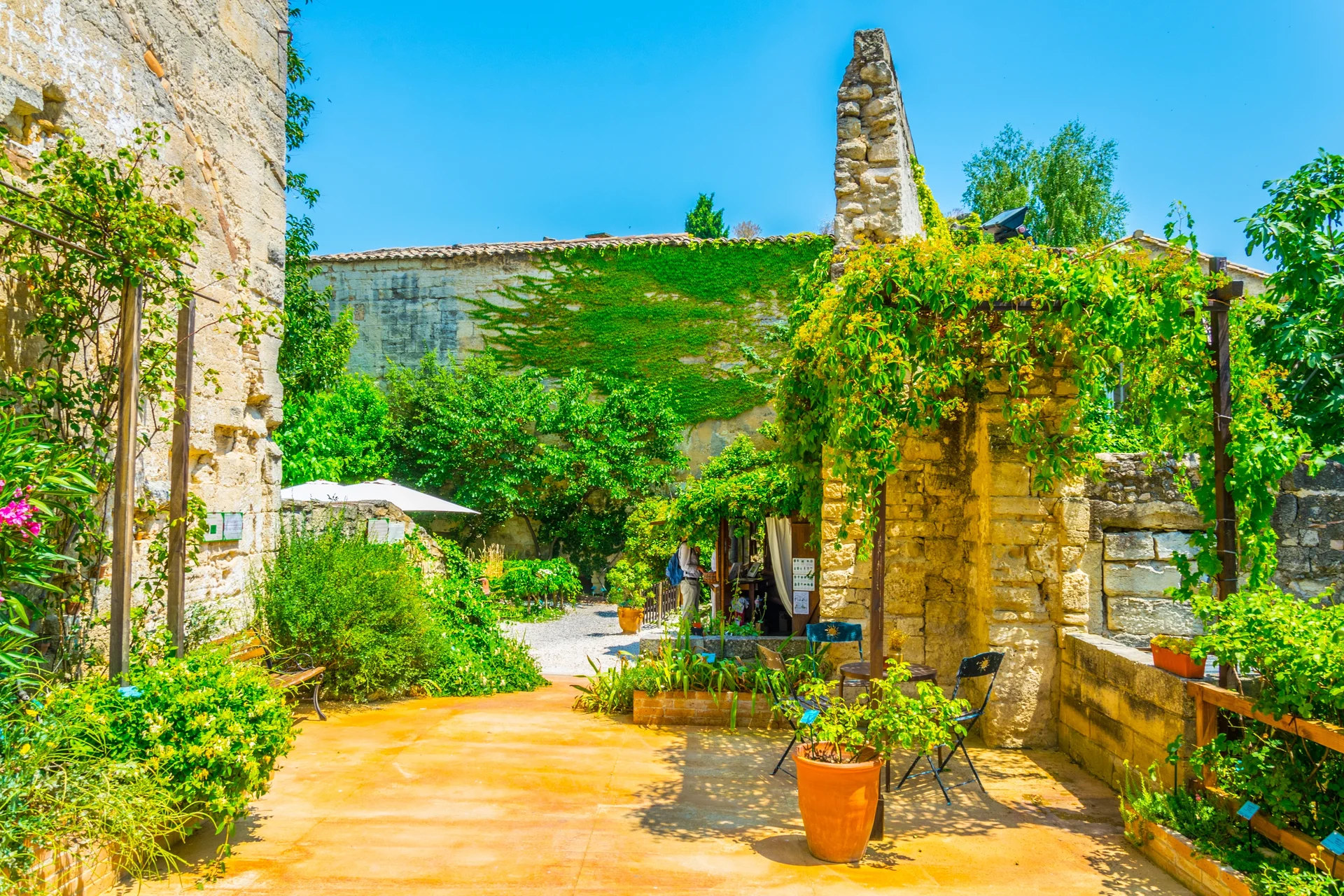
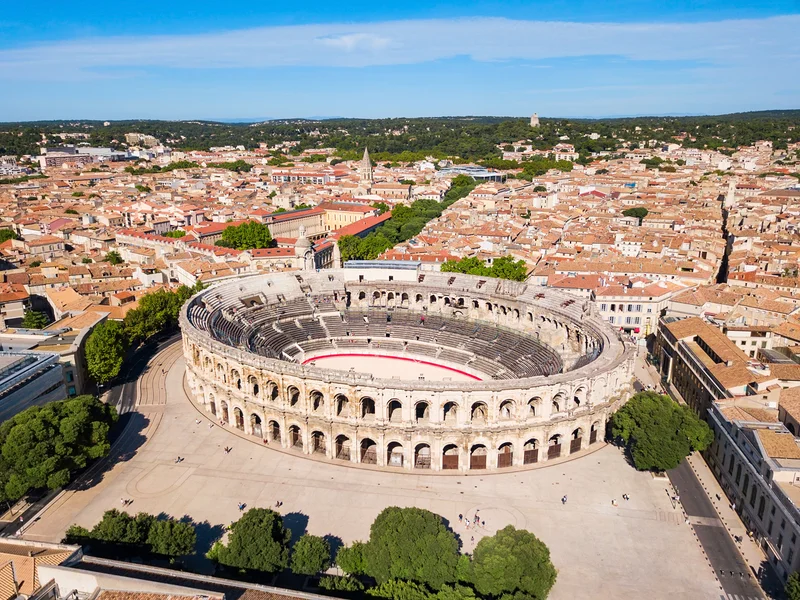
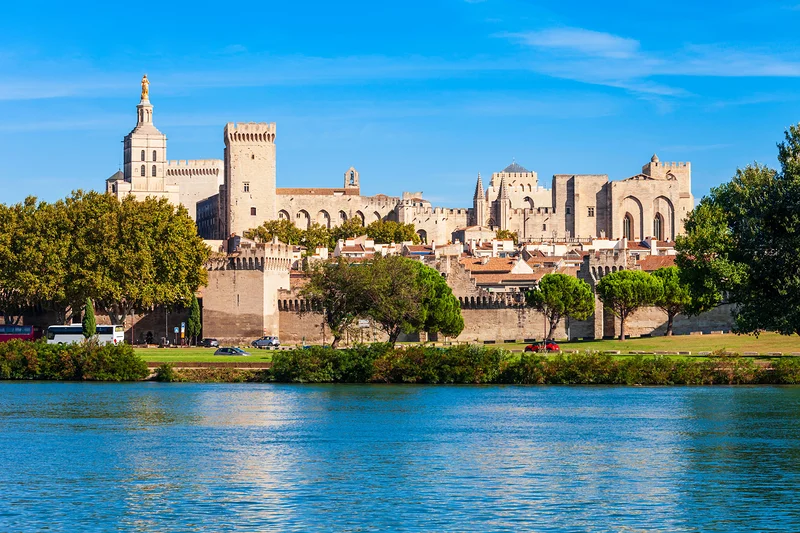
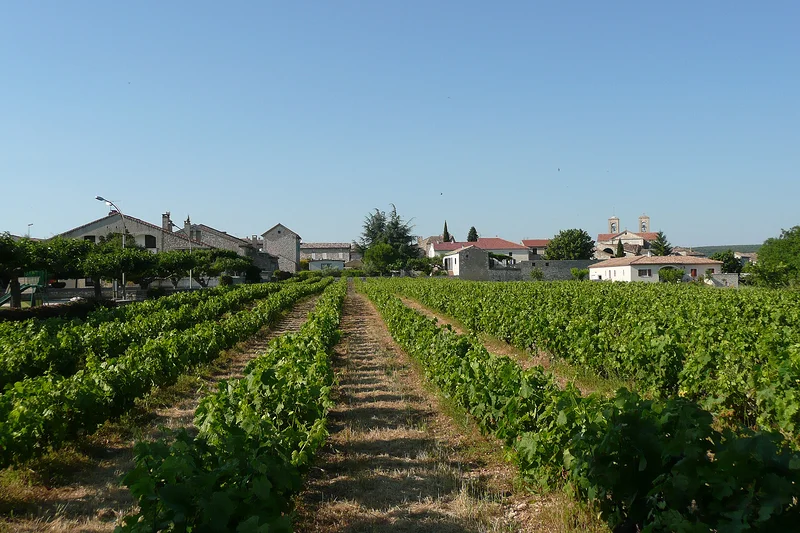
Uzès is a marvel to explore on foot while wandering through its lively narrow streets. I loved the vibrant squares in the city center and the many historical sites. My favorite spot was the beautiful Place aux Herbes, shaded by tall plane trees. In the summer, the energy spreads throughout the entire city, and the vibe is festive thanks to the many concerts, exhibits, and local markets.