Yerevan, the capital that is twenty-nine years older than Rome and does not even brag about it
It is 9:00 PM, and Republic Square just lit up. Fountains dance to classical music, shooting colored streams into the warm June air. Armenian families are out for their evening stroll, outdoor terraces are packed, and ice cream vendors are doing a steady trade.
This daily scene sums up the Armenian capital well: a city that lives outdoors, at a human pace, where the entertainment is free and no one will ever rush you to give up your table.
An endearing capital, but on its own terms
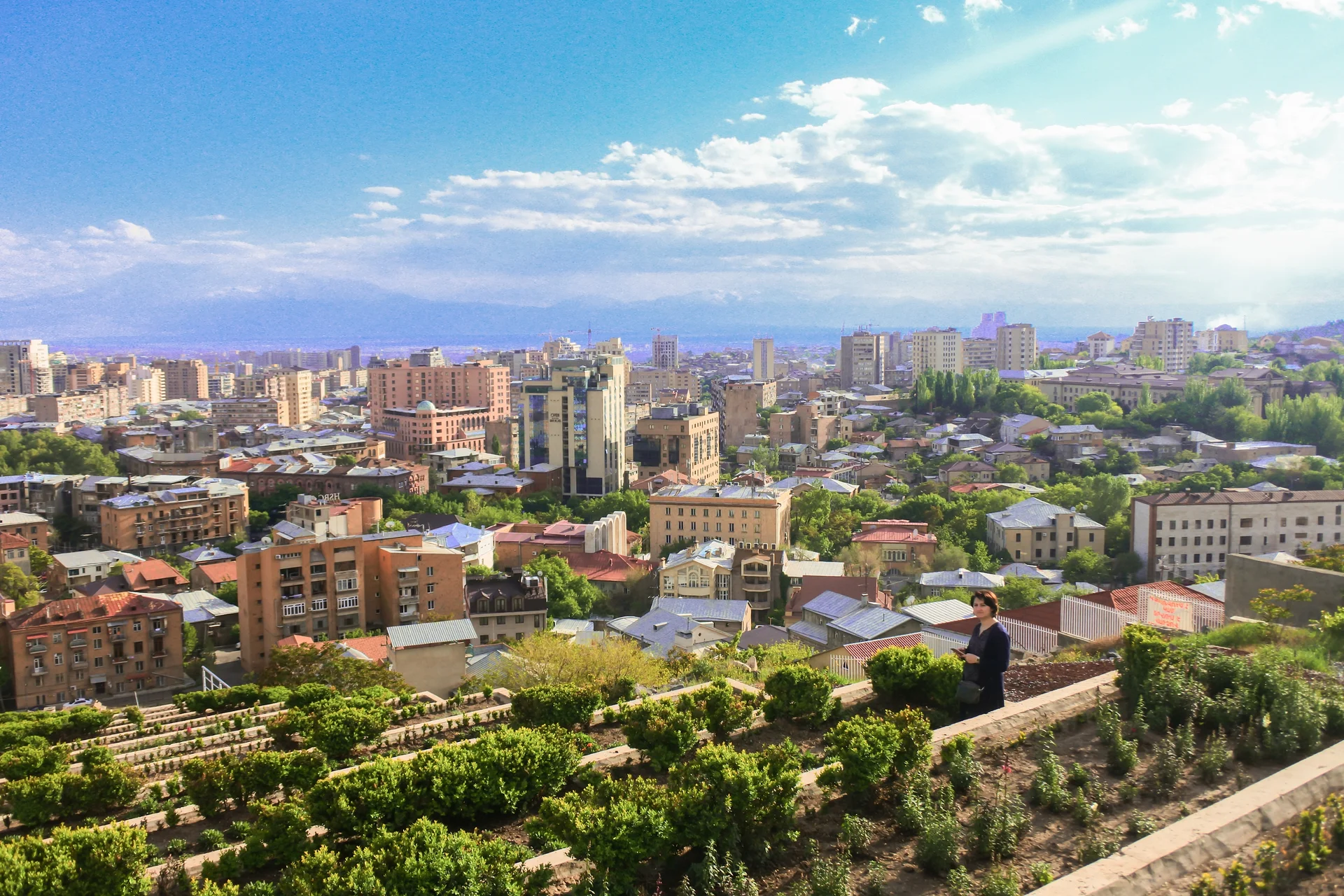
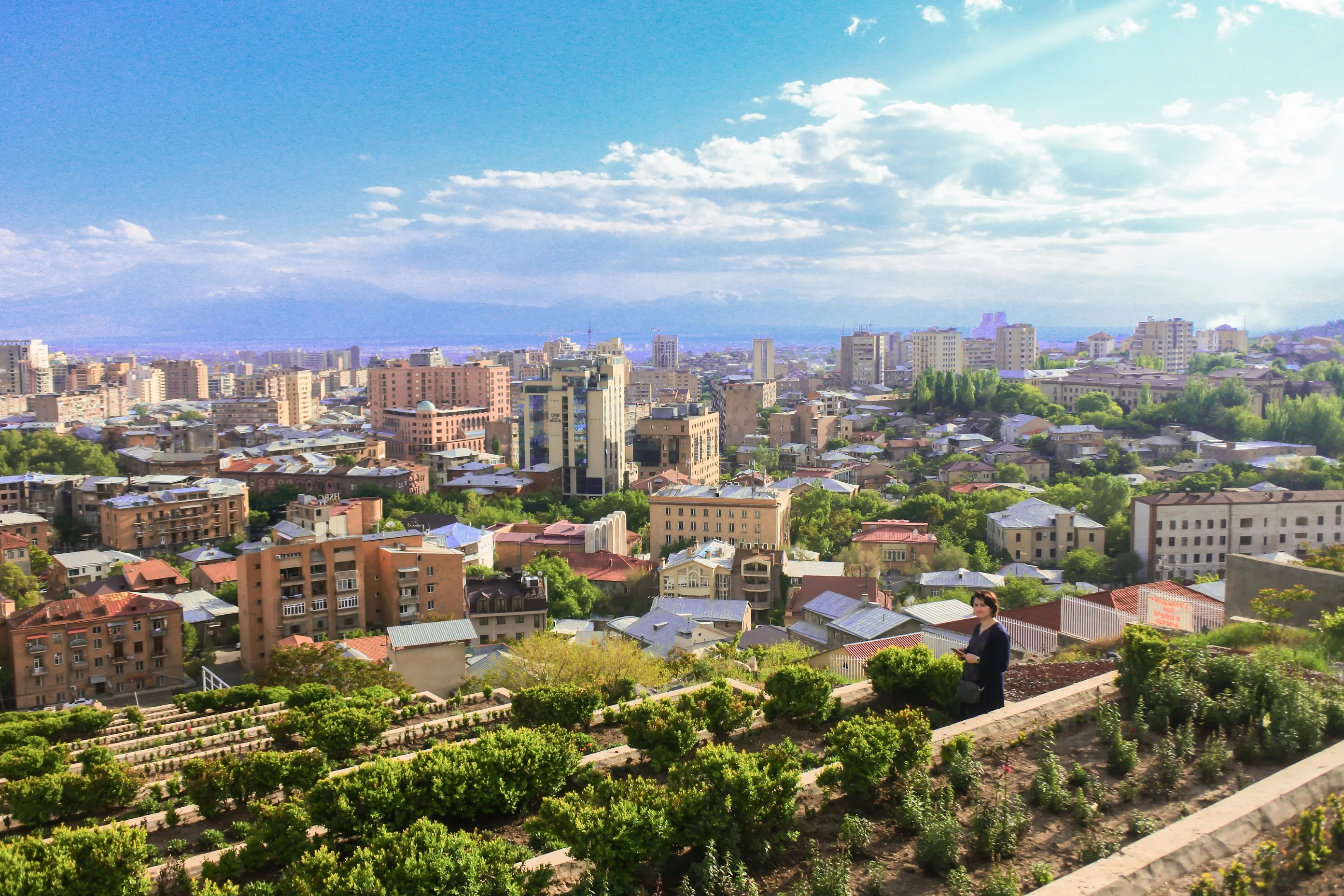
Yerevan is nothing like a classic European capital. The city is compact, often dusty in summer, and marked by decades of Soviet architecture. Yet that exact contrast is what makes it interesting, with concrete blocks sitting right next to buildings carved from a pink volcanic tufa that gives the city its nickname of the pink city.
You can eat remarkably well for very little, strangers invite you to their tables for no particular reason, and Mount Ararat, even though it sits just across the border in Turkey, keeps a permanent watch over the horizon.
Ideal destination for:
- Travelers curious about culture, ancient history, and religious heritage
- Food lovers who want to eat local without spending a fortune
- Coffee lovers and sidewalk cafe enthusiasts
- Solo travelers, including solo female travelers
- Anyone looking for a base to explore the entire country through day trips
Not recommended for:
- Beachgoers and coastal resort seekers
- Those looking for a high-energy clubbing scene
- Travelers who struggle with summer heat
- LGBTQ+ couples wanting to openly display affection
A very accessible budget for a capital city
Yerevan stands as one of the least expensive capitals in Europe. Prices have climbed since 2022 with the arrival of many Russian residents, but the value for money remains exceptional.
| Expense item | Price range |
|---|---|
| Night in a hostel | $9 to $17* |
| Night in a 3-star hotel | $40 to $79* |
| Quick bite (lahmajoun, shawarma) | $2.30 to $4.50* |
| Restaurant meal | $9 to $21* |
| Daily transport and activities | $3.40 to $14* |
| Total daily budget for backpackers | $23 to $40* |
| Total daily budget for comfortable travel | $62 to $113* |
An easy city to navigate
Downtown is easy to cover entirely on foot in a single day. Summer temperatures can reach 40 °C in July and August, so plan for plenty of water and sidewalk cafe breaks. English is spoken by young locals and in downtown restaurants, though Russian remains the most useful second language. Safety is outstanding, with Yerevan ranking among the safest capitals in the world according to the 2025 Numbeo index. You can walk around late at night without any worry.
The Cascade and its surroundings: the cultural heart
The Cascade is the city's most photogenic landmark. This monumental white limestone staircase, designed in the 1970s and still technically under completion, connects the city center to the Monument neighborhood. Inside, escalators lead up through the galleries of the Cafesjian Center for the Arts, where contemporary sculptures share space with works by Botero and Chihuly. Admission is free.
At the top, the view over the city and Mount Ararat on a clear day makes the climb worthwhile on its own. In the evening, the steps turn into a massive gathering spot where locals hang out with a local beer, sitting on the landings to watch the sunset. The cafes and wine bars clustered at the foot of the Cascade on Tamanyan Street form a small neighborhood with a relaxed vibe.
Friendly tip: head up inside using the escalators, then walk back down the outside steps to enjoy the view. Wine Republic, right at the base of the Cascade, serves glasses of Armenian wine starting at $1.70*.
Republic Square and the historic center: the pulse of the city
Republic Square is the geographic and symbolic heart of Yerevan. Its pink tufa buildings, designed by architect Alexander Tamanian in the 1920s, form an imposing ensemble. At night, the musical fountains show draws families and travelers alike. It is free and quite hypnotic.
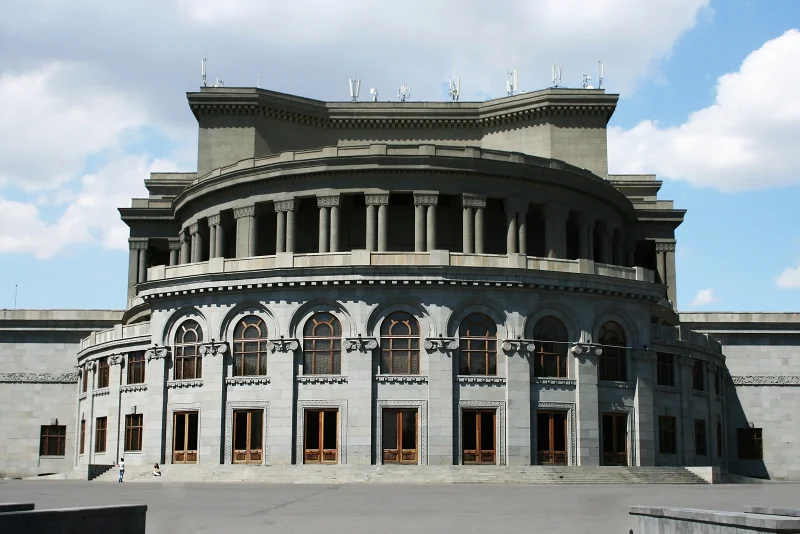
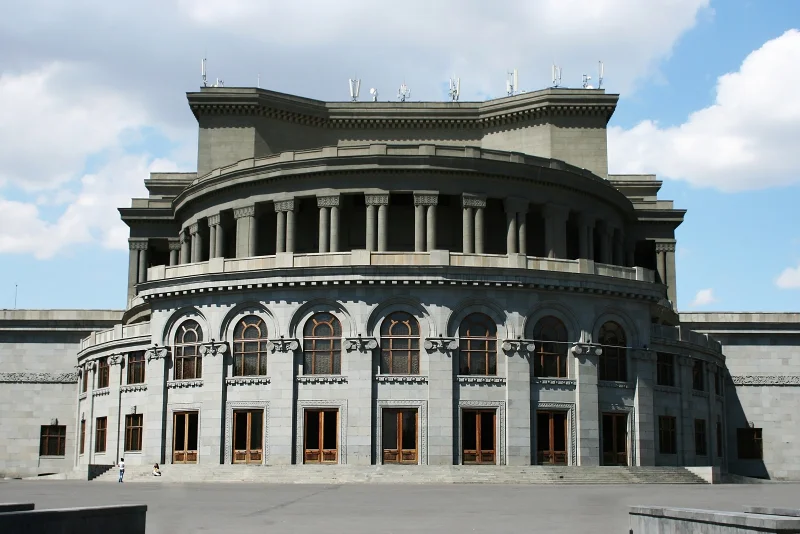
From the square, Northern Avenue, a modern pedestrian thoroughfare, leads toward the Opera and its cafe-lined plaza. Along the way, you pass galleries, bookstores, and pastry shops. The History Museum of Armenia, located right on the square, deserves a visit to understand three millennia of Armenian civilization.
The Matenadaran and the Genocide Memorial
Two essential stops to grasp the soul of the country. The Matenadaran, sitting at the top of Mesrop Mashtots Avenue, houses over 17,000 ancient manuscripts, some dating back to the 5th century. The massive, solemn building itself is worth seeing.
The Armenian Genocide Memorial at Tsitsernakaberd overlooks the city from a hill to the west. The underground museum is sober, well-documented, and chronicles the 1915 genocide. Admission is free, and it serves as a place of reflection that sheds light on how Armenians relate to their own history.
The old neighborhood of Kond: old Yerevan
A five-minute walk from Republic Square, the neighborhood of Kond feels like it belongs to another century. Narrow alleys, stone houses, hanging gardens, and cats everywhere. It is the last old neighborhood in Yerevan to survive Soviet urban planning. Redevelopment is partially planned, which adds a sense of urgency to visiting it now.
There are no museums or shops here. The main appeal is the sheer contrast, as a three-minute walk takes you from Mesrop Mashtots Avenue straight into a mountain village. Residents live simply here, making it an ideal spot for photography early in the morning when the low light grazes the ocher walls.
Saryan Street and the wine scene: the evening crawl
Saryan Street has turned into the epicenter of the Yerevan wine scene over the past few years. Wine bars line the street, pouring local grape varieties like Areni or Voskehat, produced from terroirs over 6,000 years old. In Vino, the city's first wine bar, fills up fast, so make a reservation or arrive early. Nearby, the craft brewery Dargett brews around twenty different beer styles on site.
We have a firm stance at the Avygeo editorial office: Yerevan stands out as one of the best cities in the world for eating and drinking well on a budget without sacrificing quality. Four glasses of local wine for $6.80* and a full meal for $12* at a quality restaurant is the standard here rather than the exception.
Where to eat and drink in Yerevan?
The culinary scene ranks as one of the city's greatest assets. The restaurant Lavash, which works directly with local farmers, bakes lavash bread in a traditional tonir oven right in front of you and serves generous Armenian dishes for around $12*. It offers the most reliable value in town.
Street food and local spots
For lahmajoun, the cheeseless Armenian flatbread pizza, Lahmajun Gaidz is an institution run by a Syrian-Armenian mother-and-son duo where a meal for two costs less than $5.70*. Zhinglyanov Hats on Teryan Street serves just one dish: a flatbread stuffed with over ten fresh herbs. Ranked among the city's top spots, a meal costs less than $3.40*.
For a livelier setting, Sherep features a spectacular open kitchen and regularly hosts guest chefs. Tavern Yerevan leans into live music and traditional dishes within a retro decor. The pomegranate juice-based soup called Nraneh is rare and worth ordering if it appears on the menu.
Friendly tip: restaurants stay open until midnight and cafes serve late into the night. For breakfast, try an Adjarian khachapuri at Ost near Mashtots Avenue for about $3.40*.
Where to stay in Yerevan and the surrounding area?
The downtown district of Kentron concentrates most of the lodging options and remains the most practical choice, keeping you within walking distance of everything. Abovyan, Nalbandyan, Amiryan, and Buzand streets offer the best balance of location and price. Airbnb rentals are abundant here and often beat hotels for a stay of a few days.
For a quieter vibe, the neighborhood around the Cascade and the Opera provides a pleasant atmosphere while remaining a ten-minute walk from the center. The Malatia-Sebastia sector near the airport works well for a quick overnight transit stay. International hotel chains are present with properties like the Marriott, Holiday Inn, and Alexander Luxury Collection.
How to get to Yerevan?
Direct flights reach Yerevan from several European hubs in about 4 hours 30: Air France from Paris-CDG, Transavia from Paris-Orly and Wizz Air from Paris-Beauvais. Return airfares vary from $130 to $400* depending on the season. From North America the usual routing is a connection in Europe, with Lufthansa, LOT, Austrian and Aegean running regular services.
Zvartnots International Airport sits 12 km from the city center. A taxi costs roughly $4.50 to $6.80*, while bus no. 201 connects the airport to downtown for under $1.20*. No visa is required for citizens of the United States, Canada or the European Union for stays under 180 days.
How to get around Yerevan?
Downtown is compact and very walkable. A metro system exists, but it features only a single line and holds limited usefulness for visitors. A bus or metro ticket costs roughly $0.29*.
For taxis, the GG app serves as the local equivalent of Uber, and city rides rarely exceed $2.30*. Yandex Go operates here as well. Renting a car makes sense for day trips outside the city, costing around $45 to $57* per day. Keep in mind that driving in Yerevan is aggressive, with traffic laws treated more as guidelines.
When to go?
The best windows to visit are May-June and September-October, bringing pleasant temperatures, fewer crowds, and golden light. Summer gets very hot in the city, particularly in July and August. The wine festival in late September turns the city into an open-air celebration with tastings and live music.