Thailand: Jungle Trails, Ancient Temples, and Some of the Best Beaches in Asia
The Landscape, Region by Region
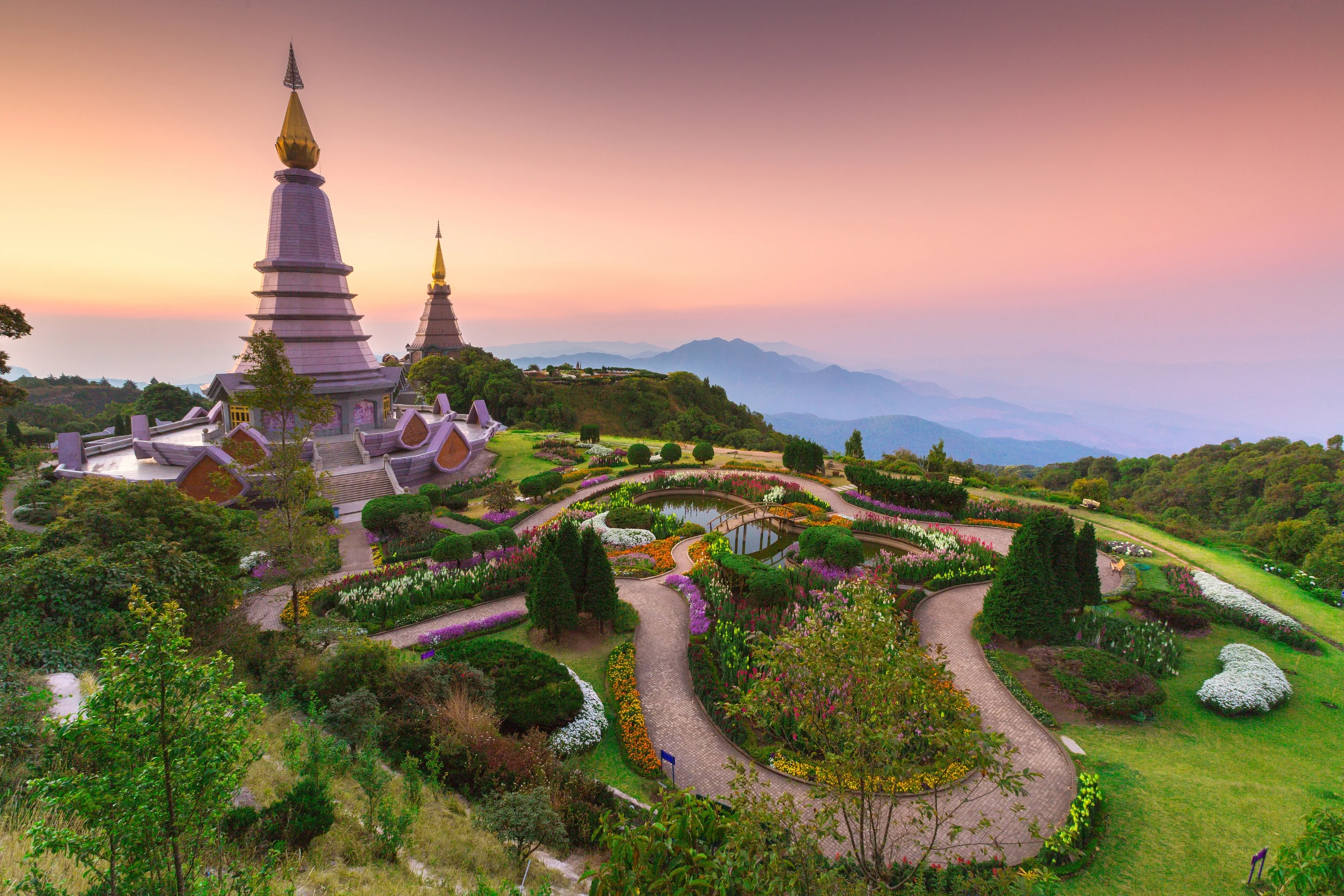
Thailand covers a lot of ground, and each region feels like a different country. The north is all forested mountains and tropical highlands, great for trekking and visiting the hill tribe villages that dot the area around Chiang Mai. Temperatures up here are noticeably cooler than the coast, which makes it a welcome change if you're coming from a beach stint.
The central plains hold most of the country's history. Ayutthaya and Sukhothai are both former capitals with sprawling temple ruins that give you a real sense of how powerful this kingdom once was.
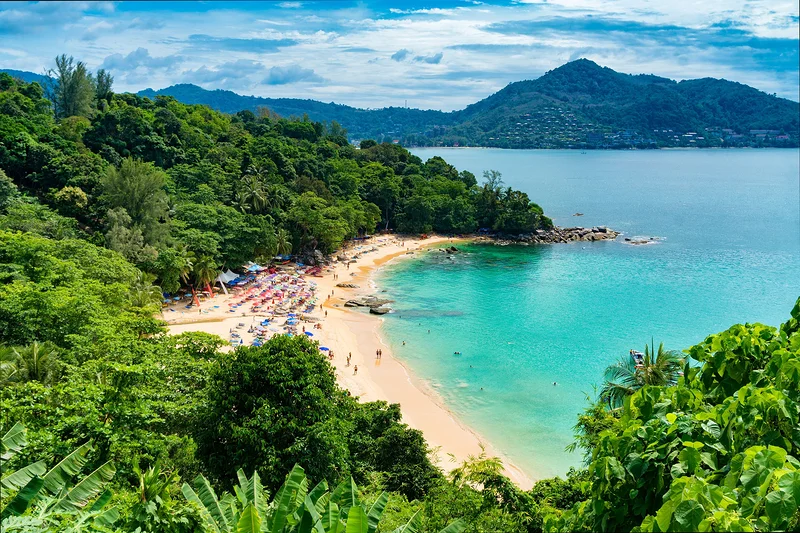
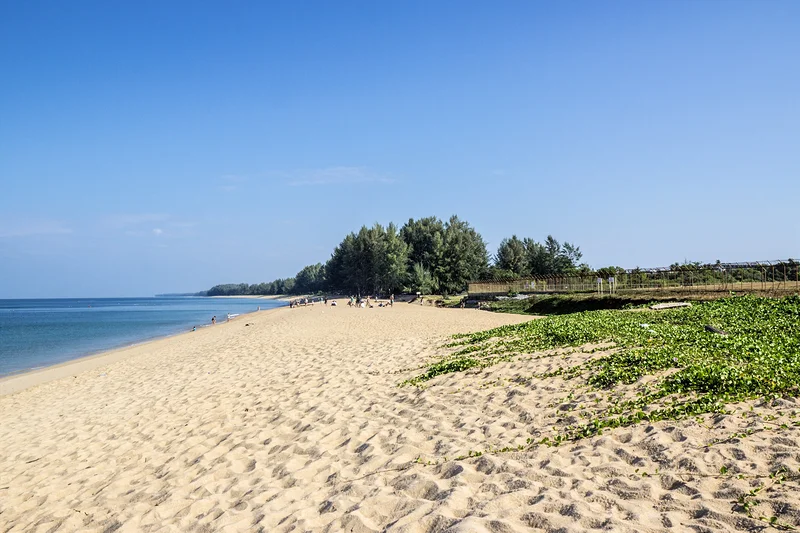
The south is what most first-timers picture when they think of Thailand: white-sand beaches, limestone cliffs rising out of turquoise water, and islands like Koh Phi Phi and Ko Samui that deliver on the postcard promise. The Gulf and Andaman coasts offer solid diving and snorkeling, think Caribbean-quality water clarity with a distinctly Southeast Asian feel.
Culture and Temples Worth Your Time
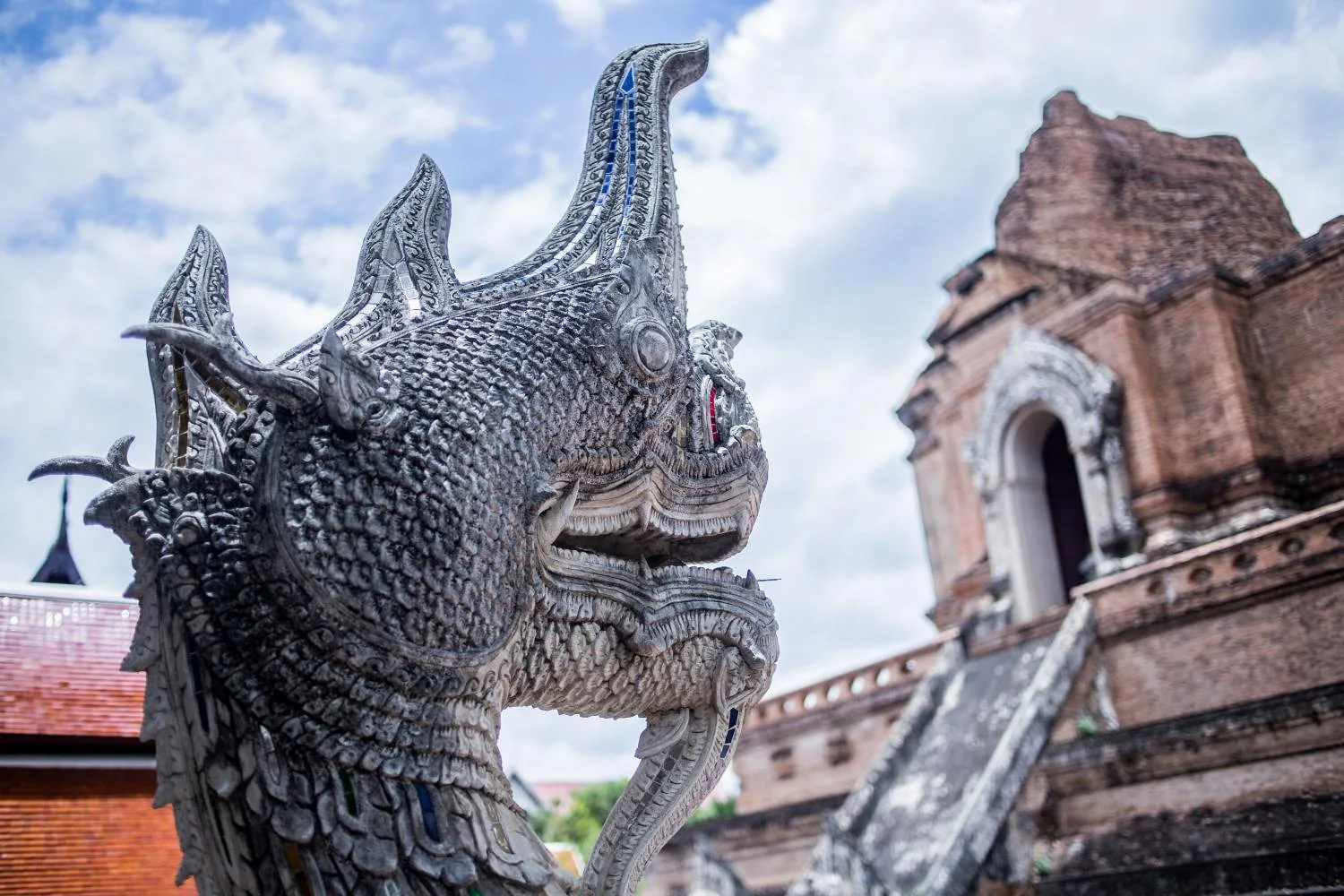
Buddhist temples are everywhere, and they're not just for tourists. Locals use them daily. In Bangkok, Wat Arun (the Temple of Dawn) along the Chao Phraya River is one of the most recognizable landmarks in the country. Up in Chiang Mai, Doi Suthep sits on a hill above the city and draws both pilgrims and visitors for good reason.
Beyond the temples, floating markets and historic neighborhoods fill in the picture. If your timing works out, catching a traditional dance performance or sitting in on a religious ceremony gives you something no tour bus can replicate.
What to Eat
Thai food in Thailand tastes nothing like the watered-down versions you've had back home. The benchmarks: pad thai (stir-fried rice noodles), tom kha kai (coconut milk chicken soup with galangal and lemongrass), and som tam (green papaya salad with a serious kick). The curries are a category of their own. Massaman is rich and mildly spiced, while panang is thicker and more intense. Street food is where a lot of the best eating happens: grilled skewers, Thai-style crepes, and vendors selling fresh-cut fruit at night markets for next to nothing, typically 20-50 THB (under $2) a portion.
Things to Do
Nature lovers should put Khao Yai and Erawan national parks on the list. Both have impressive waterfalls and genuine wildlife, including elephants in Khao Yai. The southern beaches cover the water sports side: diving, snorkeling, and kayaking are all easy to arrange once you're there.
In Bangkok, a boat ride on the Chao Phraya River or a morning at one of the floating markets is worth building into your itinerary. Before you leave, a Thai cooking class or a traditional massage course gives you something practical to bring home.
When to Go
The sweet spot is November through March, during the dry season. Temperatures are manageable, skies are mostly clear, and conditions are good everywhere from the northern mountains to the southern islands.
Two festivals worth planning around: Loy Krathong in November, the lantern festival where thousands of lights float down rivers and into the sky, and Songkran in April, the Thai New Year celebrated with city-wide water fights. Just know that April is also hot and humid. The rainy season runs May through October and makes outdoor activities hit-or-miss.
Getting There
From the US, you're looking at connecting flights through hubs like Tokyo, Seoul, Doha, or Dubai into Bangkok (Suvarnabhumi), Phuket, or Chiang Mai. Total travel time runs 18 to 22 hours depending on your layover. Round-trip fares typically fall between $700 and $1,200 depending on the season and how far in advance you book. Carriers like Thai Airways, Qatar Airways, and Emirates are common options. Book early for peak season travel (December through February), prices climb fast.
Getting Around
Thailand's domestic transportation network is solid. Long-distance trains and buses connect the major cities and tourist regions at low cost, often under 500 THB ($14) for a multi-hour journey. For flexibility, especially on the islands or in rural areas, renting a scooter or car makes sense.
Domestic flights on carriers like Thai Smile and AirAsia are worth it when you're covering big distances, like jumping from Bangkok to Chiang Mai or down to Phuket. Fares can be as low as 800-1,500 THB ($22-42) if you book ahead.
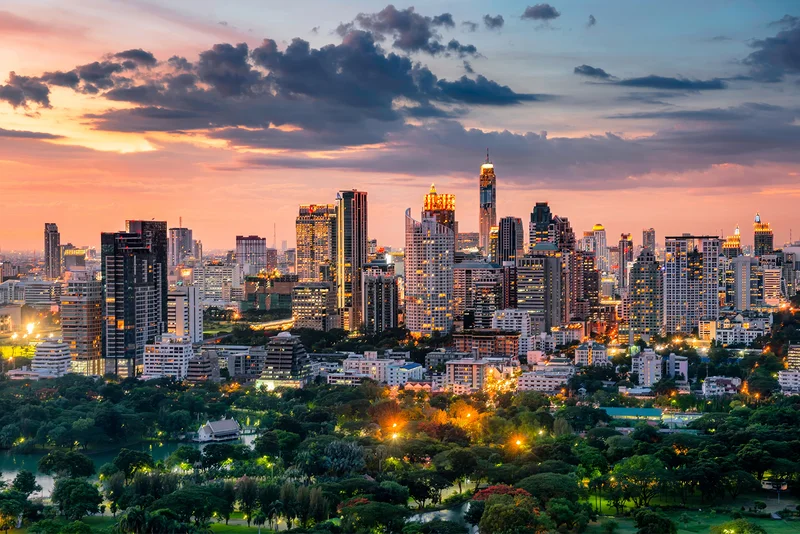
In the cities, tuk-tuks and taxis handle short hops. In Bangkok, the BTS Skytrain and MRT subway are the fastest way to move around and cost 16-59 THB ($0.50-1.70) per ride.