
Phnom Penh at a glance
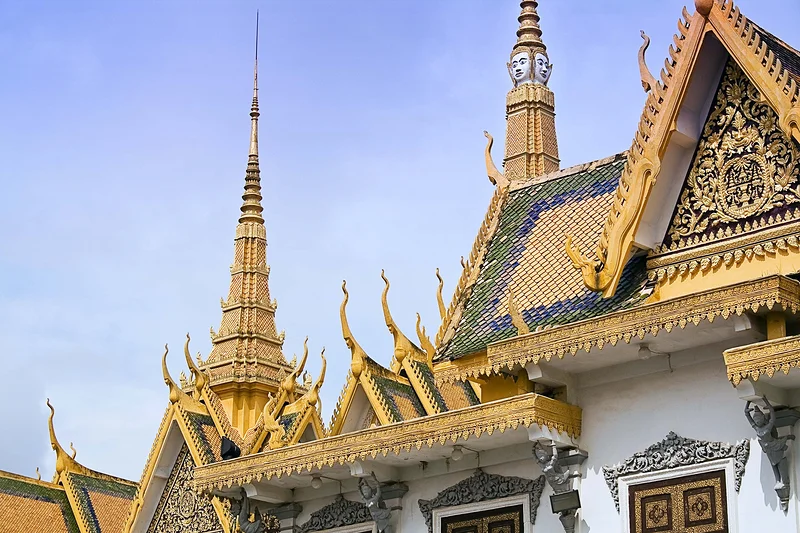
Phnom Penh was once called the pearl of Southeast Asia for a reason. The city blends grand Khmer architecture with the wide, orderly boulevards laid out during the French colonial era. The result is a capital that remains surprisingly walkable while housing genuine architectural landmarks.
Khmer culture at its peak
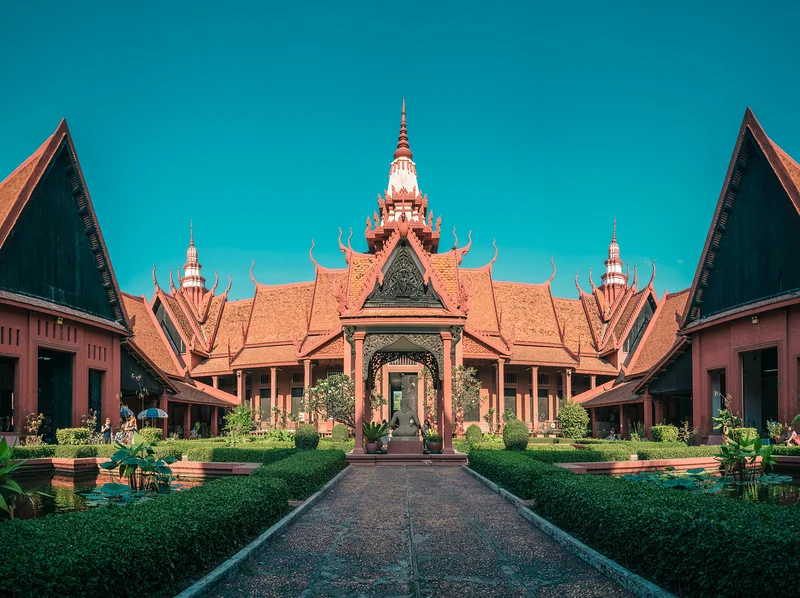
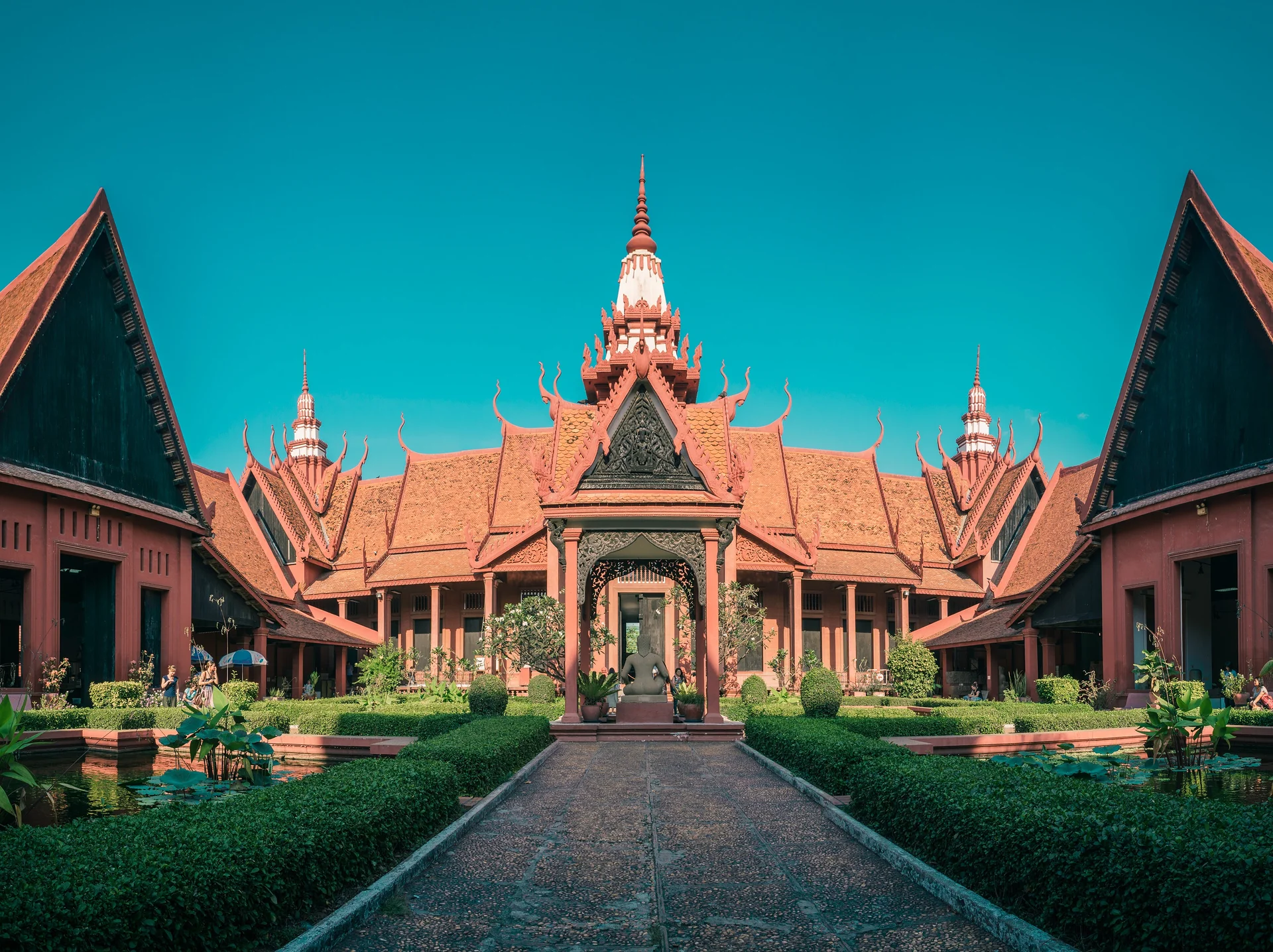
The Royal Palace is arguably the city's most recognizable icon. Its classic Khmer design, complete with sweeping, gilded roofs, is a familiar sight for anyone walking along the riverfront. Take a close look at the mural running along the perimeter wall of the Silver Pagoda, which depicts scenes from the Ramayana, the epic Hindu poem. Right next door, the National Museum is housed in a striking red palace set within a peaceful garden. It holds the world's most significant collection of Khmer sculpture. It is worth hiring a guide here, as the sheer volume of artifacts can be overwhelming. Once you have finished at the museum, head out to explore the city's markets. The massive Central Market is housed in a grand Art Deco building, while the aisles of the Russian Market are filled with unexpected finds.
A capital for living and praying
Phnom Penh has a slow, steady rhythm. Do as the locals do and head to the Sisowath Quay at sunset. Along the banks of the Tonle Sap River, the atmosphere is lively but relaxed. The Wat Ounalom is a Buddhist temple located just off the quay. This complex functions like a small village, housing numerous monks who sometimes perform traditional music. Continue your tour by heading up the hill to Wat Phnom. This prominent temple is a frequent destination for Cambodians who come to pray for exam success or general good fortune. Keep an eye on your belongings, as a population of bold, mischievous monkeys has made their home around the temple grounds.
A city shaped by history
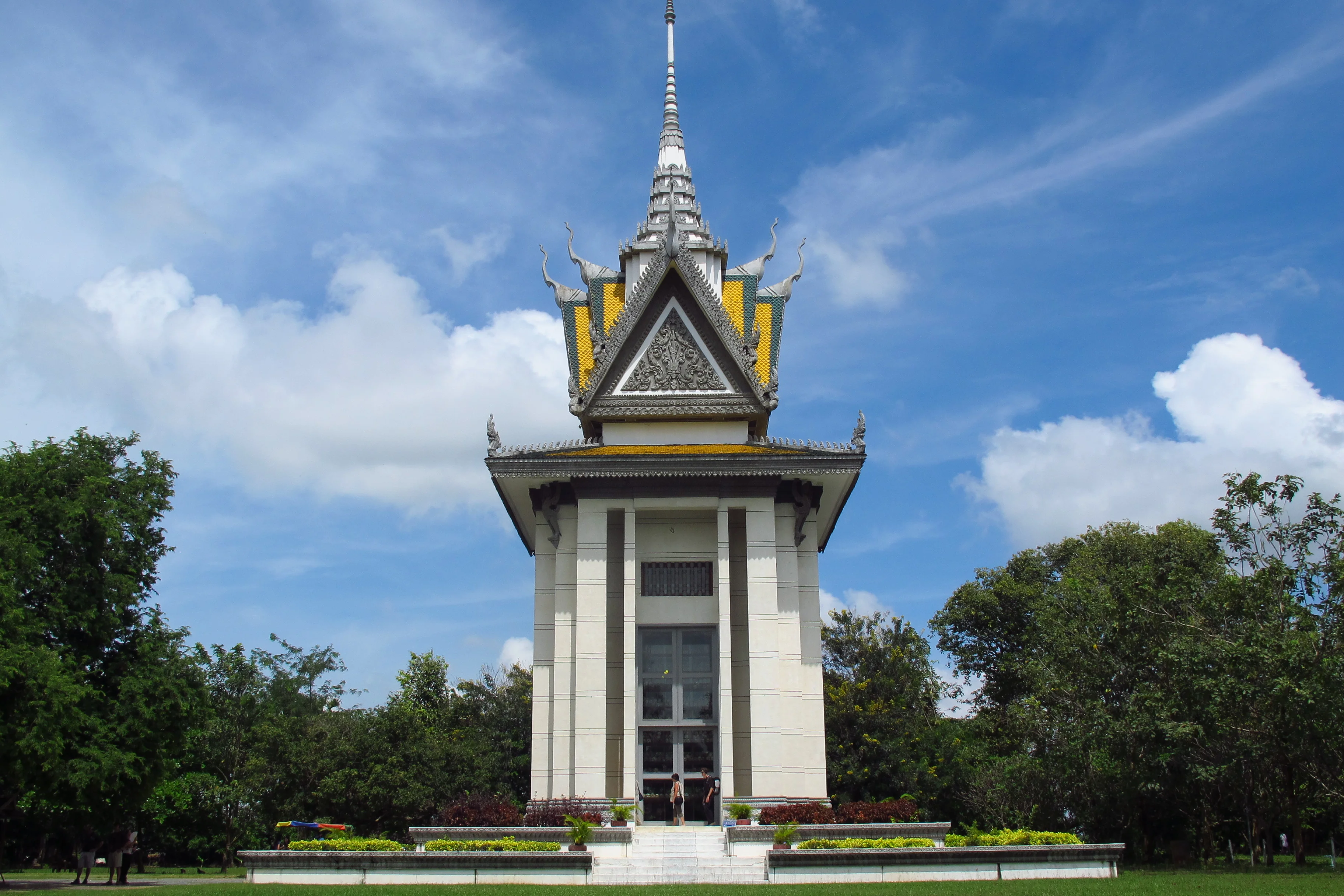
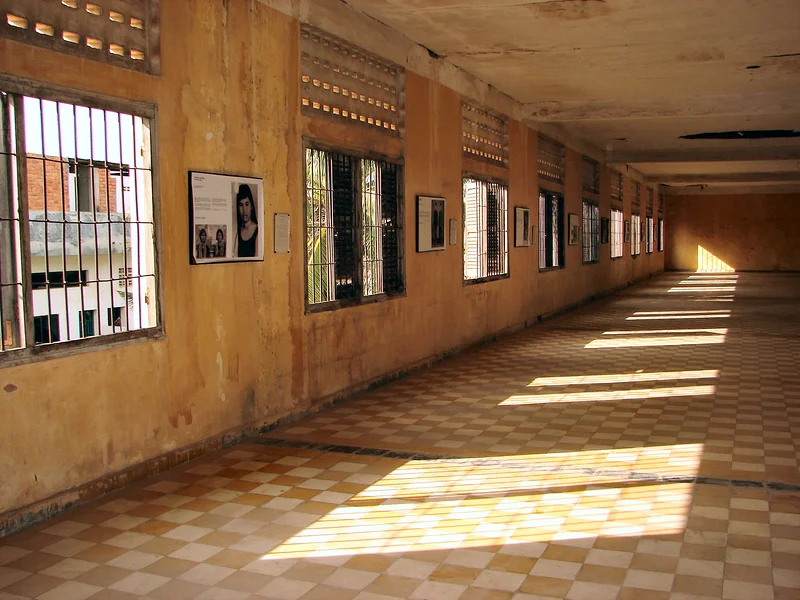
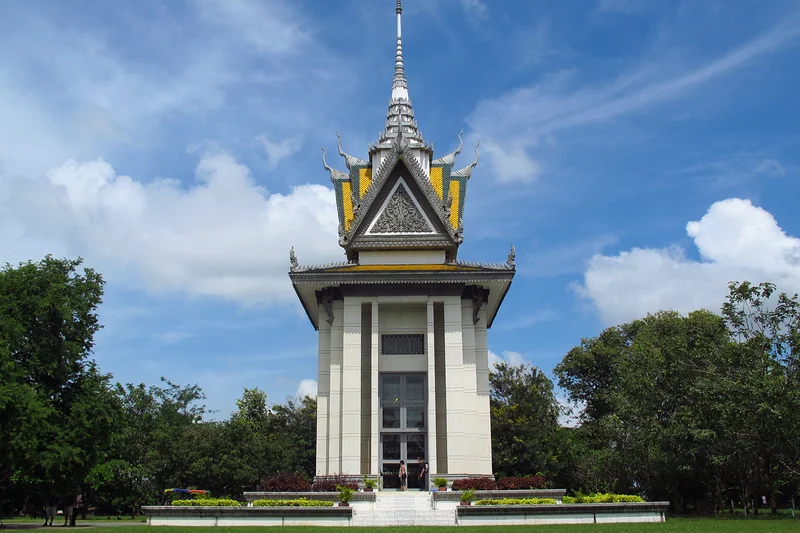
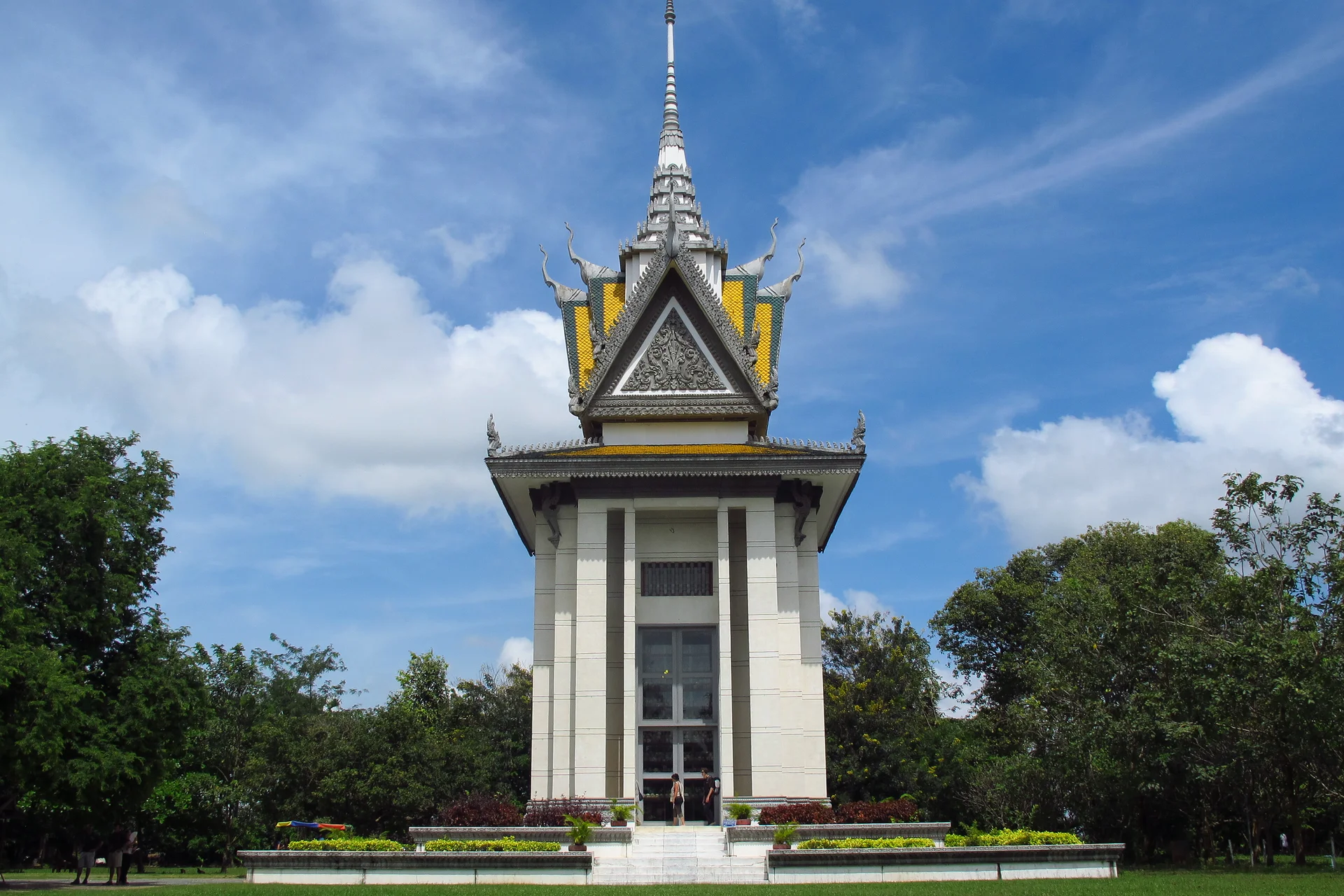
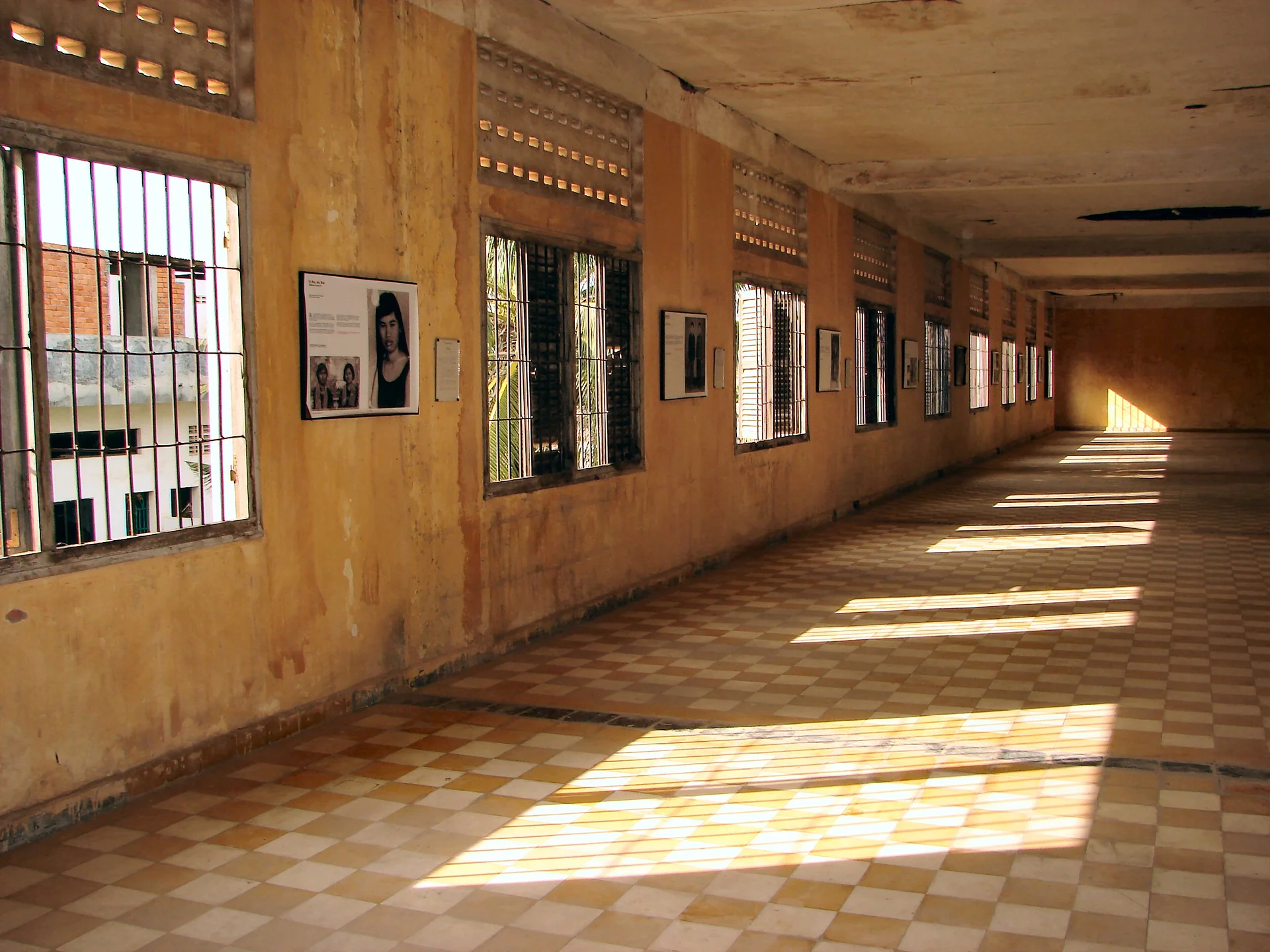
Phnom Penh has seen dark times. To understand the gravity of the genocide perpetrated by the Khmer Rouge regime, a visit to the Tuol Sleng Museum is essential. This former high school was repurposed as a detention and torture center under Pol Pot from 1975 to 1979. Now a museum, it serves as a memorial to the 1.5 to 2 million people who died during this period, which accounted for a quarter of the Cambodian population. You can also visit the Choeung Ek Genocidal Center.
When to go
The climate in Phnom Penh is consistently hot and humid, with temperatures fluctuating between 77 and 95 degrees Fahrenheit (25 to 35 degrees Celsius) throughout the year. You should plan your trip outside of the monsoon season, which typically falls between November and March.
Getting there
A round-trip flight from the US to Phnom Penh will typically cost between 650 and 870 USD (2,600,000 to 3,500,000 KHR), with a total travel time of at least 18 hours including layovers. Once you arrive, stick to traveling on foot or by short-distance ride-share to avoid the city's significant traffic congestion.
Phnom Penh is often the city you arrive in when flying into Cambodia. In my opinion, the capital itself is not exactly exceptional, but it is still worth a short visit. You can check out the Central Market, stroll along the river, or visit the security prison, which serves as a memorial to the genocide perpetrated by the Khmer Rouge.