Exploring Kathmandu, Where Spirituality Meets Raw Energy
A Capital Set in the Nepal Valley
Kathmandu, the capital of Nepal, is a city of sharp contrasts, blending ancient traditions with chaotic modernity. Nestled in a mountain-ringed valley, it serves as the main gateway for travelers looking for Himalayan landscapes, culture, and spirituality. At the same time, the dense urbanization, heavy smog, and constant traffic can catch first-time visitors off guard. It appeals most to history buffs and culture seekers ready to dig into centuries-old temples and hidden courtyards.
Top Sights in Kathmandu
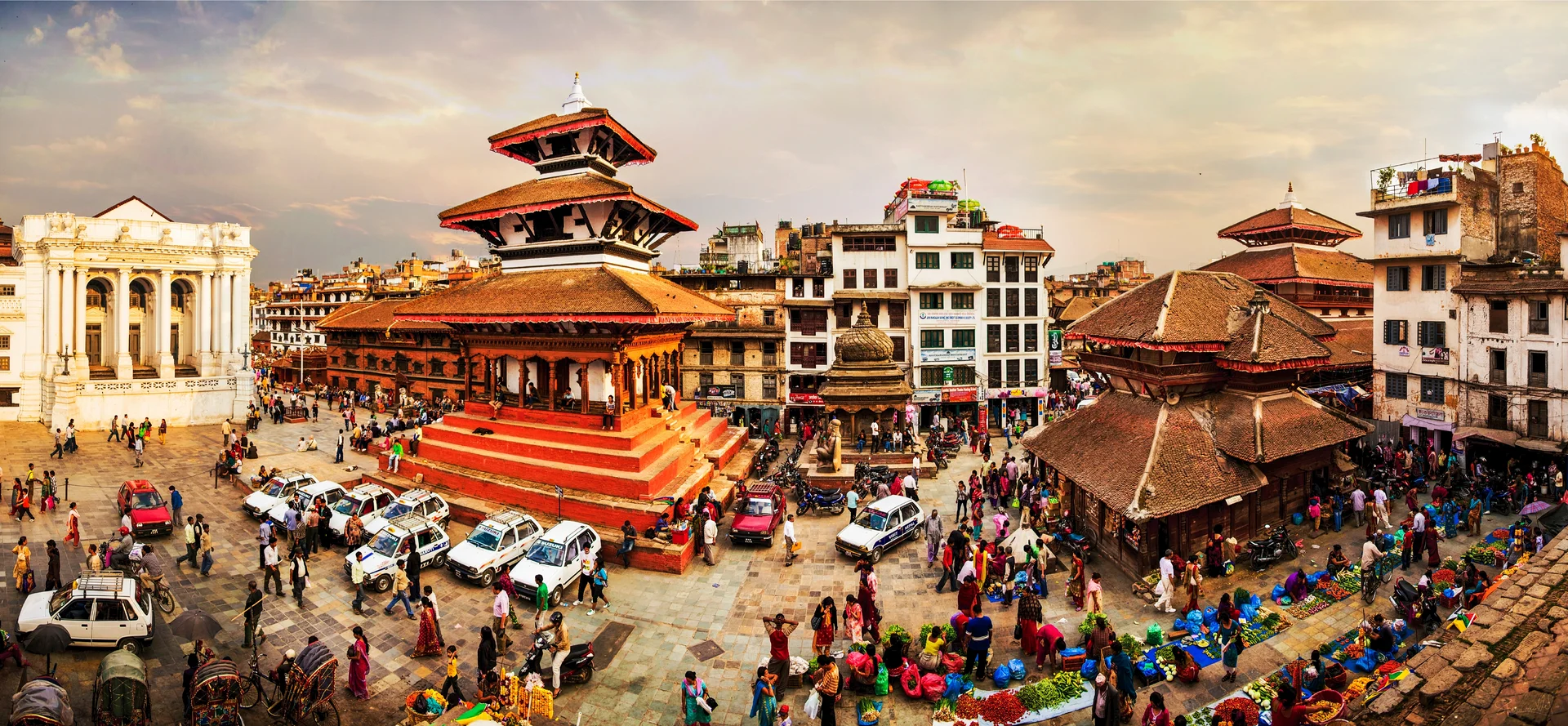
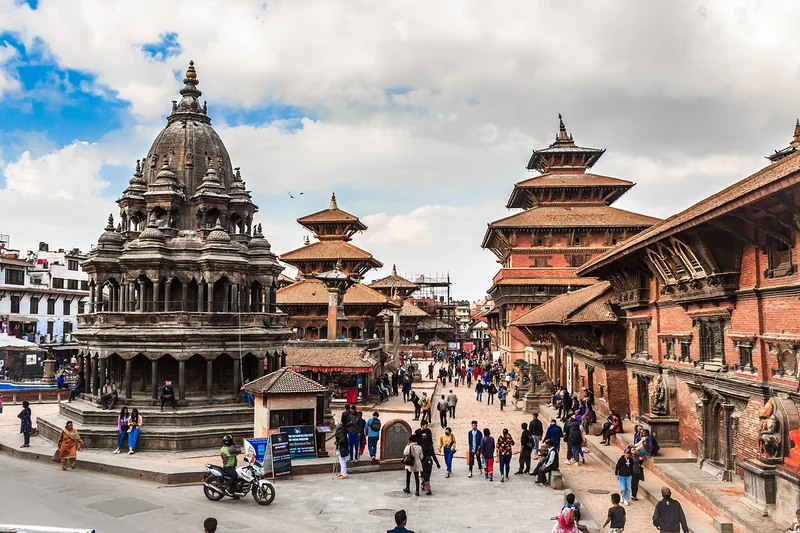
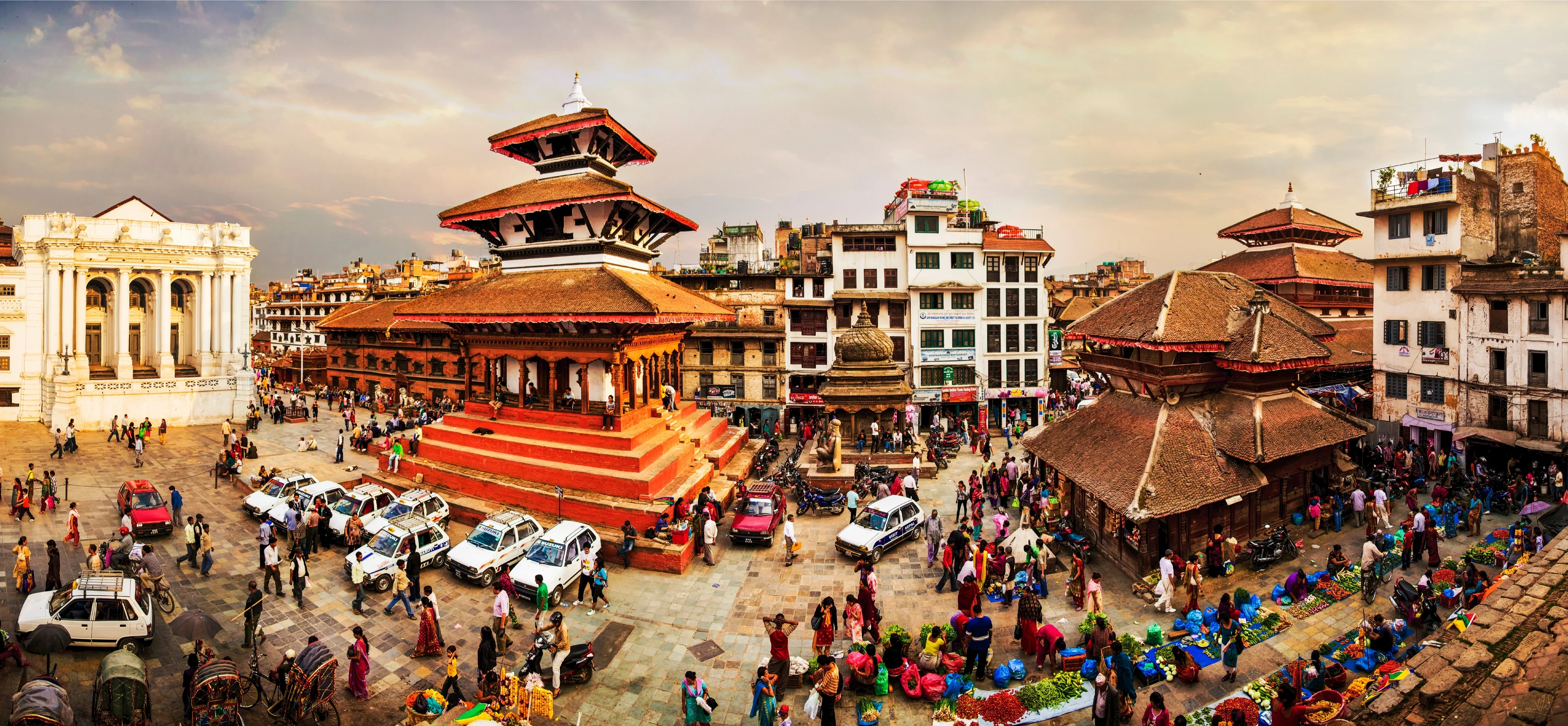
The historic center revolves around Durbar Square, a UNESCO World Heritage site packed with royal palaces and pagoda temples. Though the 2015 earthquake caused significant damage, the area remains essential for understanding Newar architecture and craftsmanship. Key stops include the Hanuman Dhoka Palace, which houses a museum dedicated to the former Nepalese monarchy, and the Kumari Ghar, the ornate residence of the living goddess known as the Kumari.
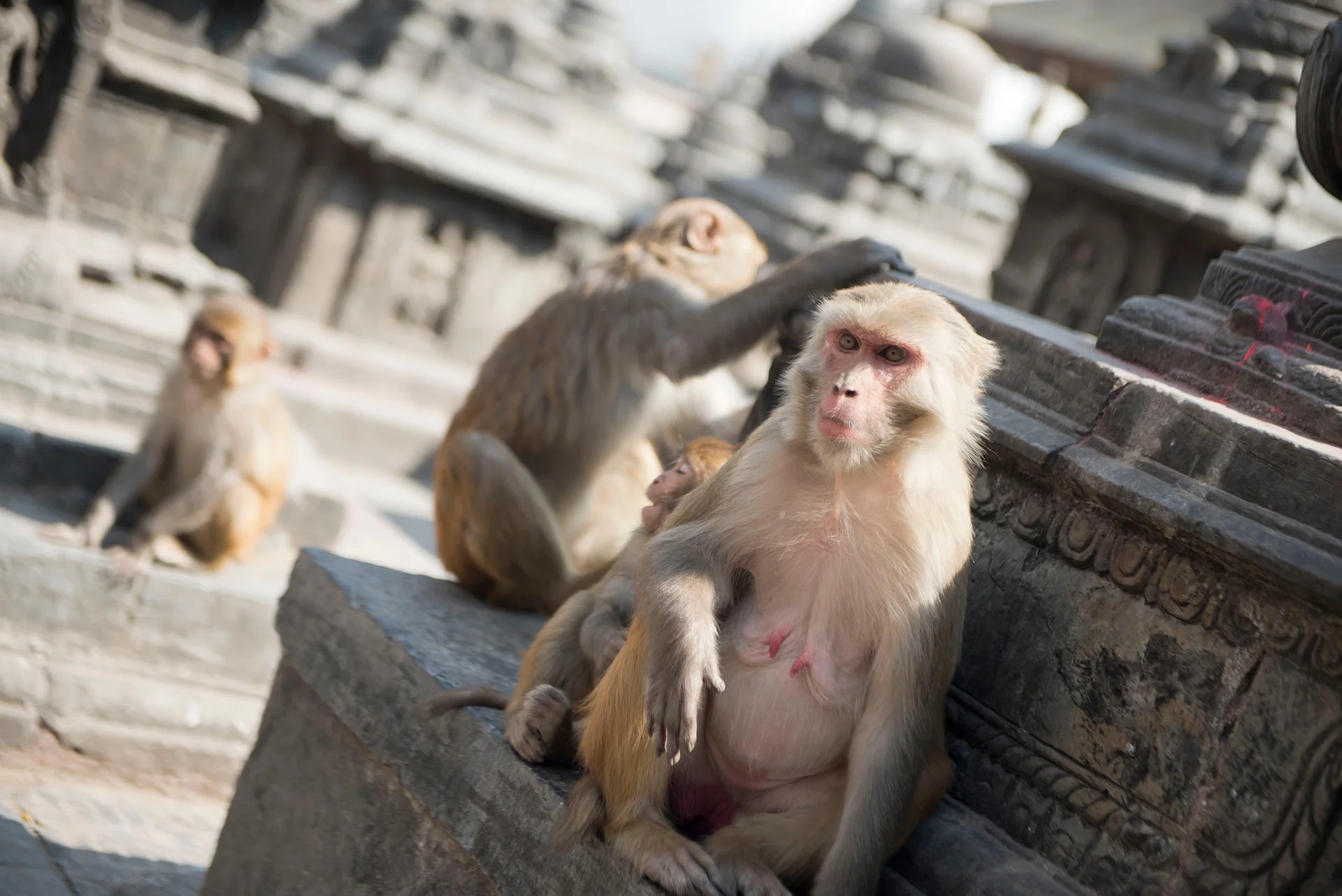
Another major landmark is the Temple of Swayambhunath, widely known as the Monkey Temple. Perched high on a hilltop, this sacred Buddhist shrine offers sweeping views over the city and a deeply atmospheric setting, provided you keep an eye on the resident macaques.
What to See Around the City
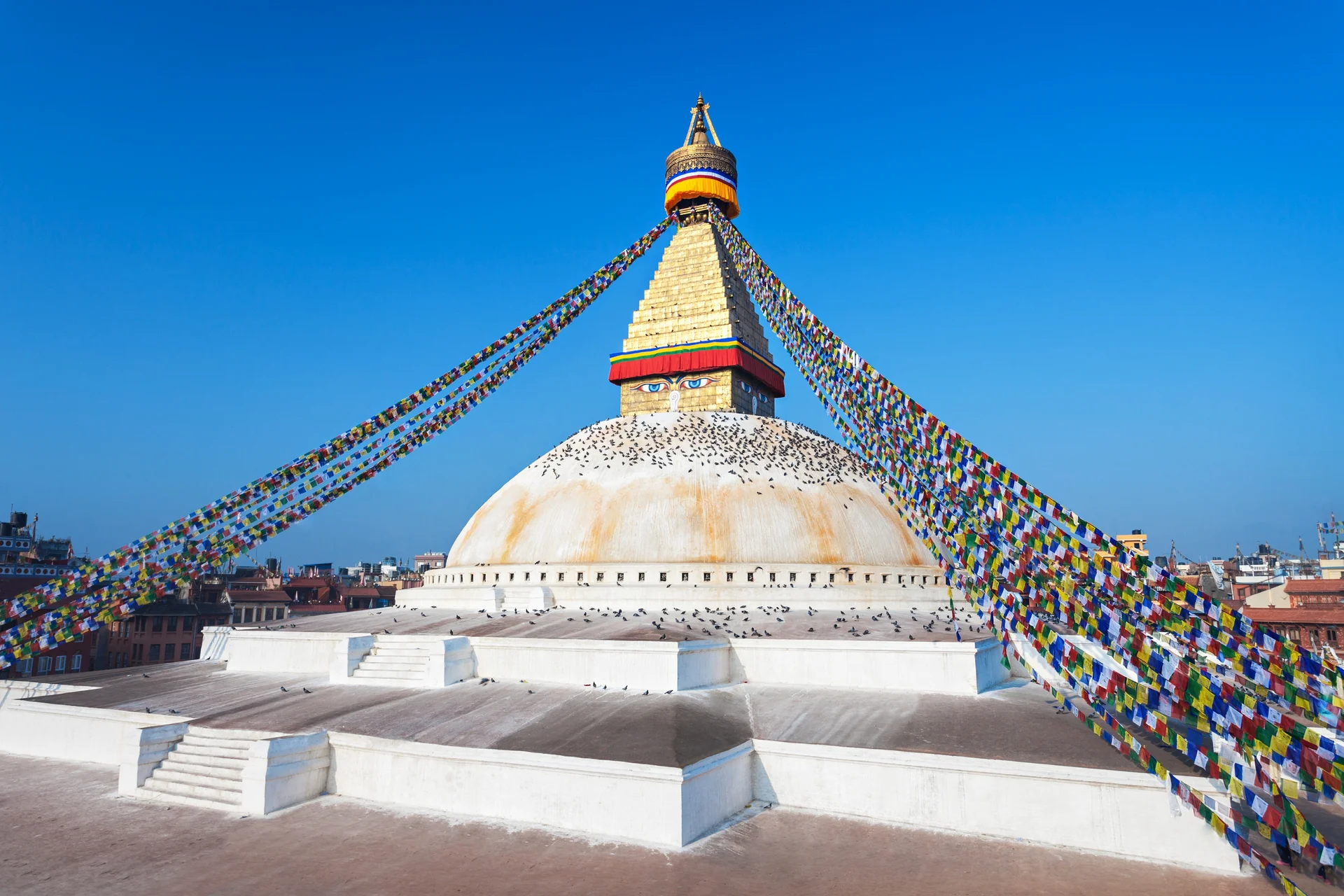
Just a short distance outside the immediate center, several remarkable sites demand a visit. The Boudhanath Stupa ranks among the largest spherical stupas in the world, serving as a primary pilgrimage hub for Tibetan Buddhists and offering a peaceful atmosphere, particularly in the late afternoon light.
Another powerful site is the Temple of Pashupatinath, set along the banks of the Bagmati River. This sprawling Hindu temple complex honors Shiva and is famous for its open-air cremation ghats. While certain rituals can be confronting, it remains a profound spiritual center for witnessing traditional Nepalese religious life firsthand.
Daily Life and Urban Contrasts
Walking through Kathmandu means diving headfirst into a loud, fast-paced environment. Markets like Asan Tole overflow with marigolds, spices, and brass cookware, while the tourist hub of Thamel caters to foreigners with gear shops, rooftop cafes, and trekking agencies. This is not a restful vacation spot, and the noise and air quality require some mental resilience.
Who is Kathmandu For?
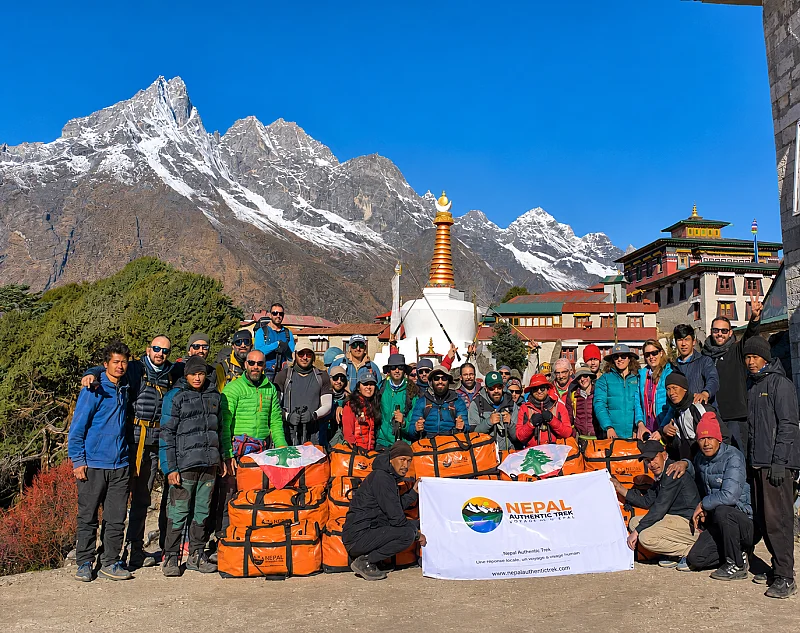
Kathmandu works best for travelers drawn to deep-rooted traditions, ancient art, and mountain expeditions. It also acts as the ultimate staging ground for trekkers heading into the Himalayas. Travelers seeking quiet retreats, pristine air, or sleek modern amenities will likely want to head straight out to the surrounding hill towns.
With its architectural wonders, bustling bazaars, and enduring rituals, Kathmandu offers a demanding yet deeply rewarding introduction to the soul of Nepal.
When to go
The optimal window to visit Kathmandu runs during the dry seasons, spanning from late September to November and from March to May. These months bring comfortable daytime temperatures, clear skies, and excellent visibility for viewing the surrounding peaks.
How to get there
Reaching Kathmandu from the US involves booking an international flight with at least one connection, typically through Middle Eastern hubs like Doha or Dubai, landing at Tribhuvan International Airport. Total travel time usually ranges from 15 to 20 hours depending on layovers. Round-trip airfares vary widely based on the season and carrier.
From the airport, downtown Kathmandu sits 6 km away. Taking a prepaid taxi is the most practical option, costing between 700 and 1,000 NPR ($4.60-$6.50*) for a 20 to 30 minute drive depending on traffic. You can also arrange an airport pickup through your hotel, while local buses run the route but prove challenging with heavy luggage.