
Visiting Kathmandu Durbar Square
The historic and cultural center of Kathmandu
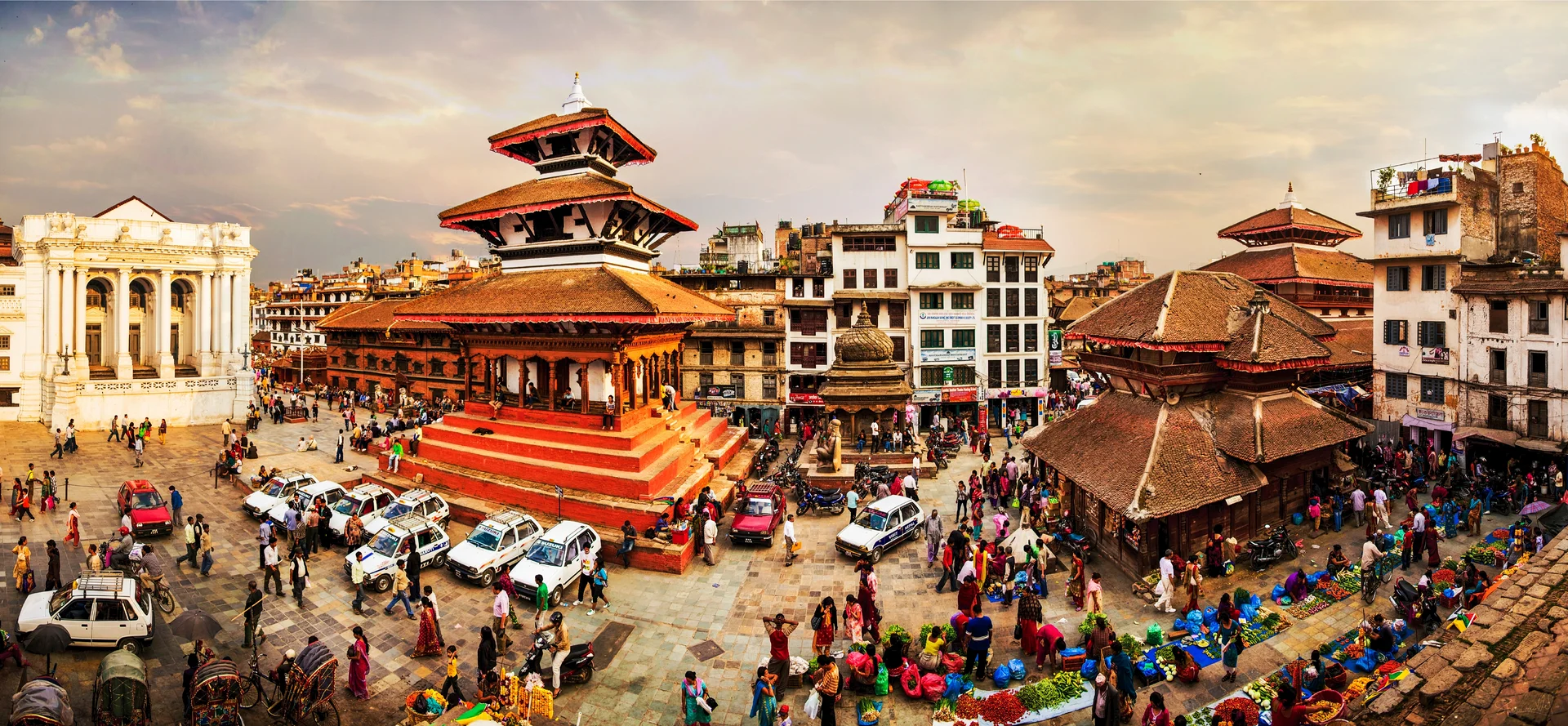
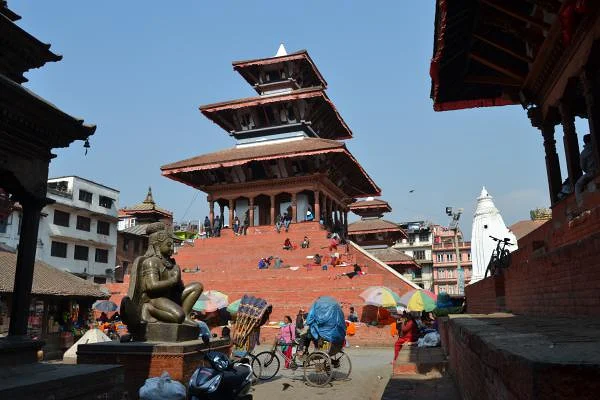
Kathmandu Durbar Square, also known as Hanuman Dhoka, is one of the three ancient royal squares in the Kathmandu Valley recognized as a UNESCO World Heritage site. Located in the heart of the old city, this square served as the political and ceremonial hub for the Malla and Shah dynasties. Today, it remains a landmark where Newar history and culture are visible through its collection of temples, statues, and palaces.
What to see at Kathmandu Durbar Square
The square is packed with significant structures, most notably the Hanuman Dhoka Palace, which houses a museum detailing the history of the Nepalese monarchy. The Taleju Temple, a three-story structure, stands as one of the tallest and oldest buildings on the square, though access is restricted to Hindus.
Do not miss the Kumari Ghar, an ornate residence where the Kumari, the living goddess of Nepal, resides. If you are lucky, you might catch a glimpse of this young girl who is considered a divine incarnation.
The Kasthamandap, a structure said to have given the city its name, is another highlight. Although partially destroyed in the 2015 earthquake, it remains a major symbol of the city. Numerous other temples and shrines, featuring detailed carvings and ornaments, showcase the craftsmanship of Newar artisans.
Visitor tips
Kathmandu Durbar Square is accessible on foot or by rickshaw from Thamel. Visit early in the morning to avoid the crowds. Entry requires a fee for foreigners, and hiring a local guide is recommended to understand the history and significance of the monuments.
Why visit Kathmandu Durbar Square?
Kathmandu Durbar Square offers a direct look into the history and culture of Nepal. The combination of architectural heritage, active spirituality, and daily life makes it a compelling stop for history buffs and curious travelers alike.
Opening hours
| Monday | 06:00-18:00 |
|---|---|
| Tuesday | 06:00-18:00 |
| Wednesday | 06:00-18:00 |
| Thursday | 06:00-18:00 |
| Friday | 06:00-18:00 |
| Saturday | 06:00-18:00 |
| Sunday | 06:00-18:00 |
*Information subject to change

An iconic and must-see square with many traditional temples and palaces. For me, it is the perfect place to dive into the daily life of the locals, with their rituals, games, offerings, and many shops. You can also head into the courtyard of the Kumari house, where the living goddess of Kathmandu appears at her window every day around noon.