Exploring Lalitpur, art and culture in the heart of the Kathmandu Valley
A city shaped by history and tradition
Located just a few kilometers south of Kathmandu, Lalitpur, also known by its historical name Patan, stands as one of the oldest settlements in the Kathmandu Valley. Renowned for its artistic and architectural pedigree, it is widely regarded as the cultural capital of Nepal. Established over two thousand years ago, Lalitpur flourished under the royal Malla dynasty, which left behind an extraordinary legacy of temples, palaces, and intricate carvings. The city holds UNESCO World Heritage status thanks to its historic core, which showcases the refined craftsmanship of the Newar people, the predominant ethnic group of the region.
What to see in Lalitpur
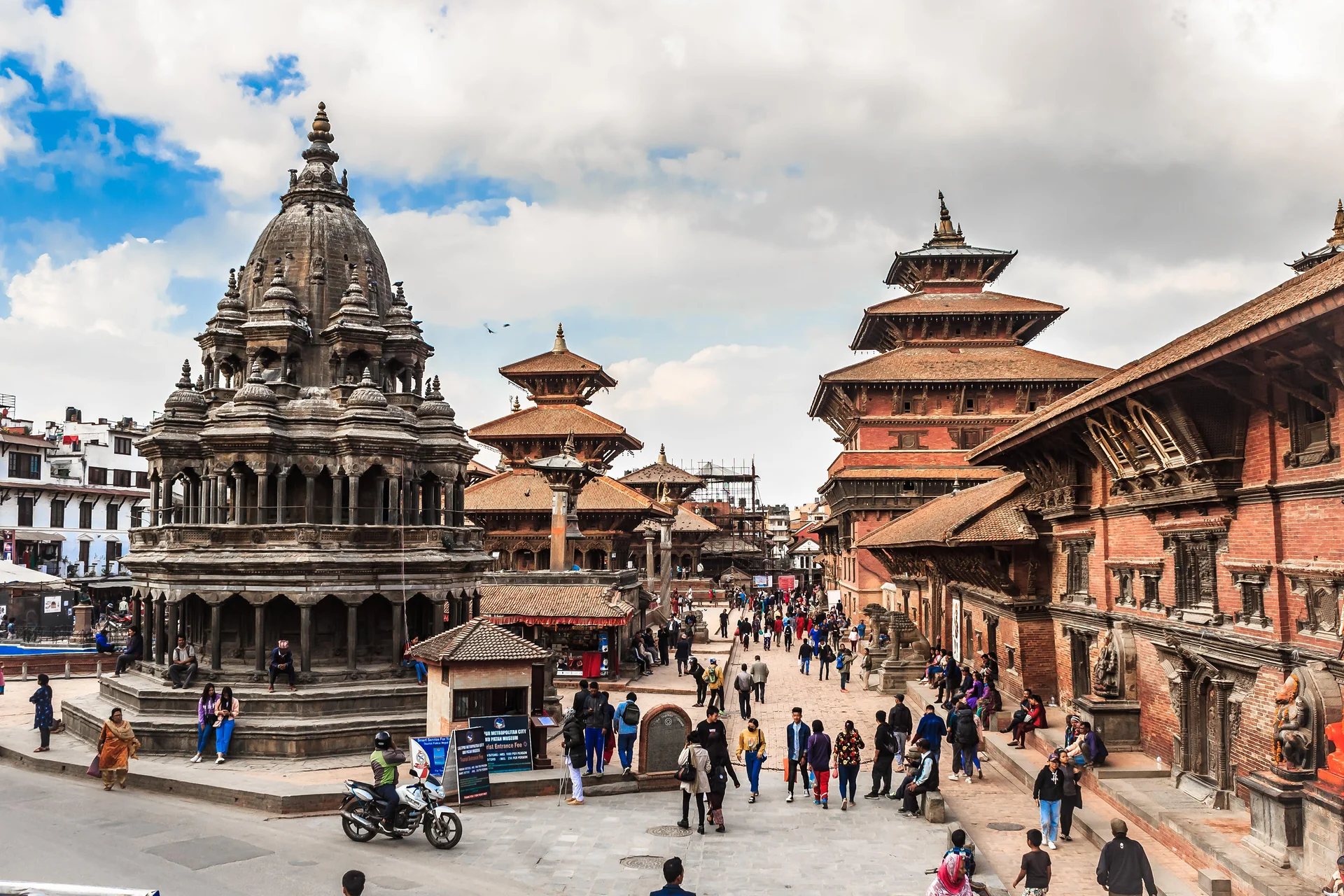
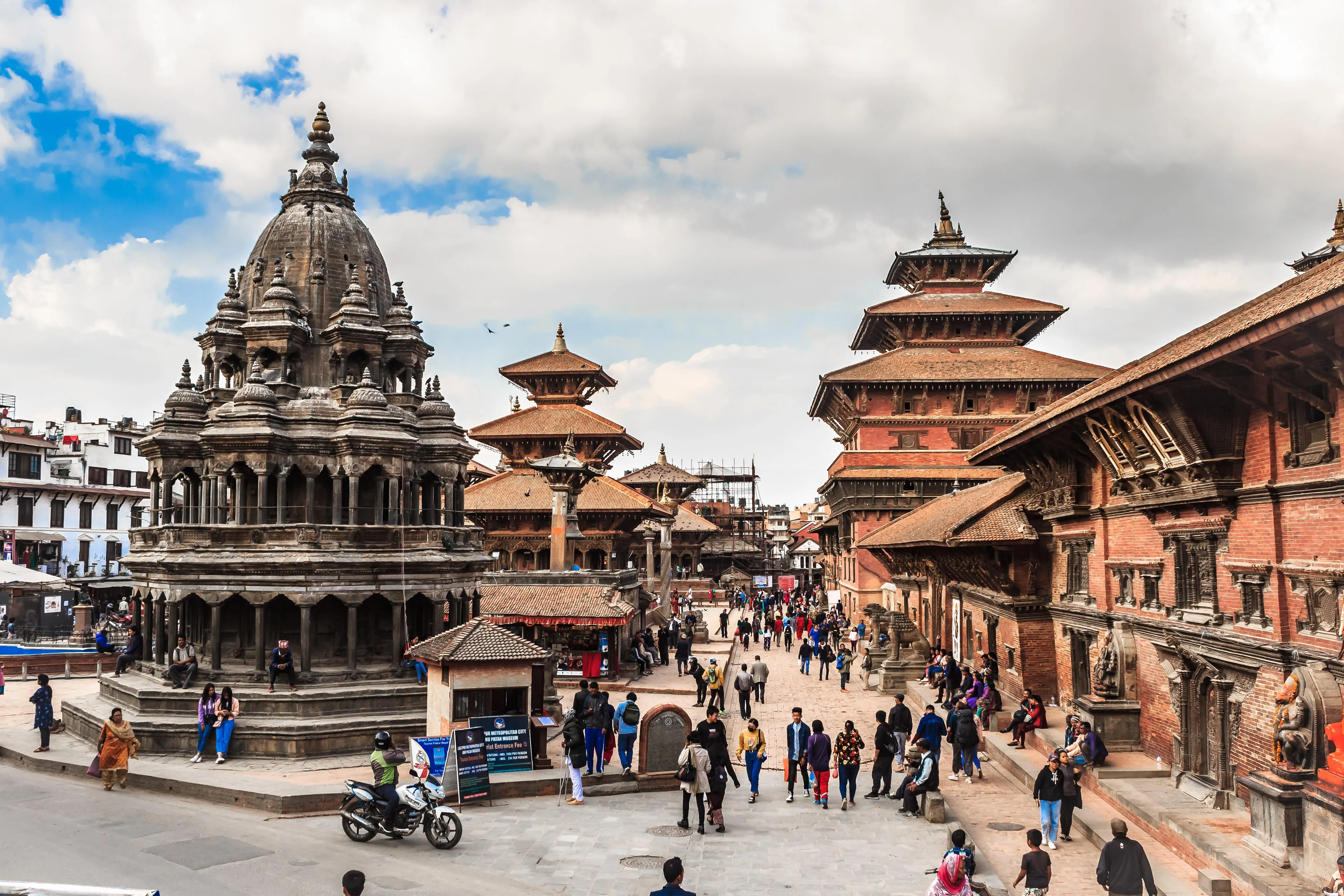
The centerpiece of Lalitpur is unquestionably Patan Durbar Square, a central plaza framed by royal palaces and temples. While some structures suffered damage during the 2015 earthquake, careful restoration has preserved most of their original grandeur. The Royal Palace now houses the Patan Museum, widely considered one of the finest institutions in the country. Inside, you will find an extensive collection of metal sculptures, religious paintings, and artifacts tracing the Buddhist and Hindu history of the valley.
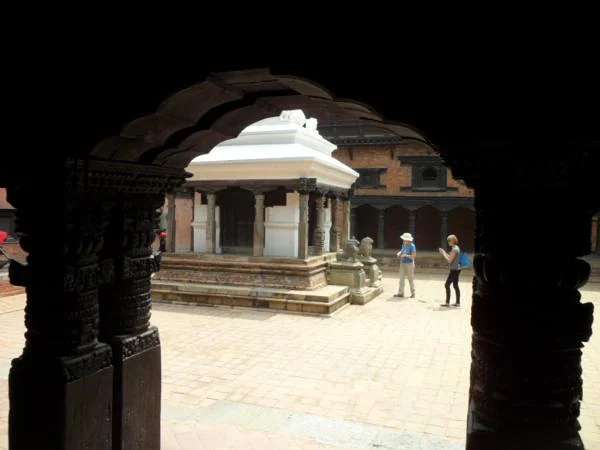
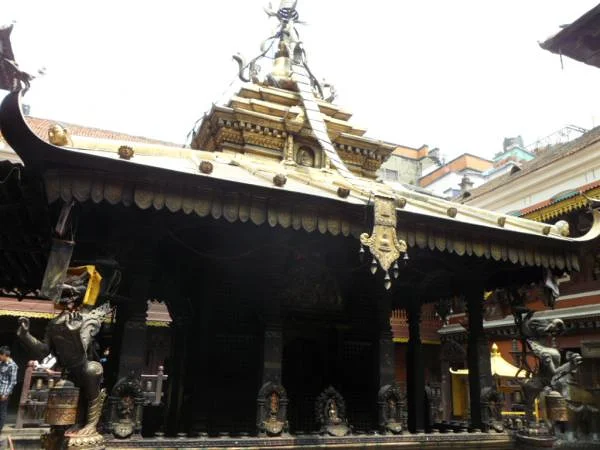
Among the standout sanctuaries, the stone-built Krishna Mandir is a masterclass in shikhara architecture. A short walk away, the Golden Temple (Hiranya Varna Mahavihar) captivates visitors with its detailed metalwork and tranquil courtyard. Lalitpur also hides countless courtyards and smaller stupas tucked away from the main thoroughfares, making it rewarding to explore on foot.
A living artistic hub
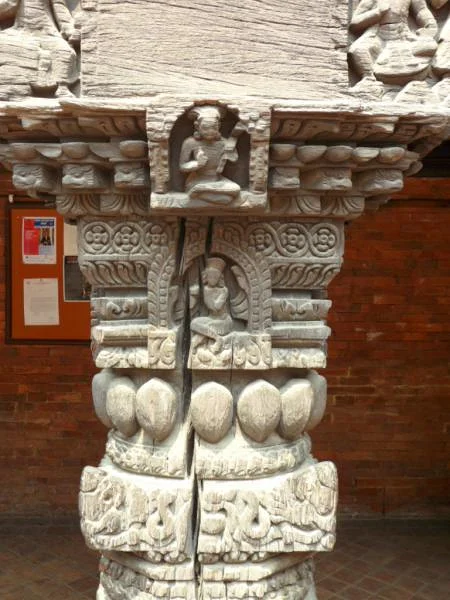
Lalitpur is equally famous for its traditional crafts. Local artisans continue to pass down expertise in wood carving, metal smithing, and pottery generation after generation. The Kumbeshwar neighborhood is particularly known for its workshops, where you can watch artisans at work or purchase handmade metalcrafts.
The city calendar features frequent traditional festivals throughout the year. The Rato Machindranath Jatra, celebrated every spring, ranks among the biggest events on the local calendar, featuring a massive chariot procession dedicated to the deity of rain and agricultural bounty.
Tips for exploring Lalitpur
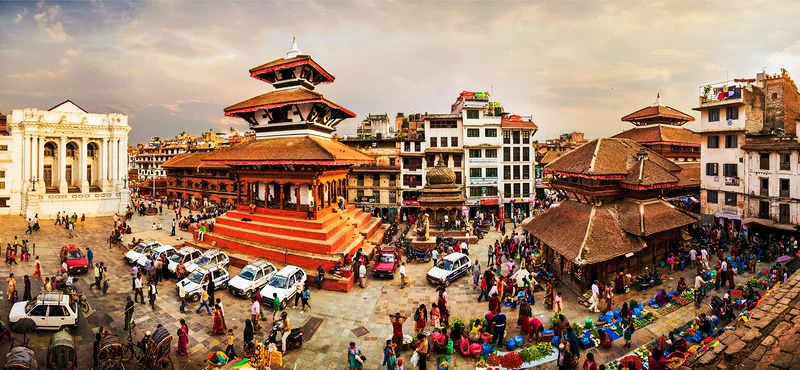
Lalitpur is easily reached within minutes by taxi or rickshaw from Kathmandu. Take your time wandering through the narrow alleys to find hidden temple courtyards, neighborhood shrines, and daily markets. The pace here feels noticeably calmer than in neighboring Kathmandu, providing a more relaxed environment for sightseeing.
Why visit Lalitpur?
Lalitpur appeals strongly to history buffs and craft enthusiasts with its deep heritage and distinct local character. Although more compact and quieter than Kathmandu, it offers an equally immersive experience into Newar culture. Its proximity to the capital makes it an easy day trip or a rewarding base for exploring the valley.
When to go?
The optimal window to visit Lalitpur runs from October to November, during the dry season, when the weather delivers clear skies and comfortable daytime temperatures. This period also coincides with major holidays like Dashain and Tihar, offering a firsthand look at Nepali cultural life. Spring (March through April) is another great choice, bringing mild weather and the annual Rato Machindranath Jatra procession.
How to get there
Lalitpur is located just 5 kilometres south of Kathmandu and is easily accessible by taxi or rickshaw, with the ride taking roughly 15 to 20 minutes from downtown. For a local transit option, you can also catch a local bus from Ratna Park or Thamel.