Visiting Kyrgyzstan: Steppes, Horses and the Celestial Mountains
Picture a country where the horizon stretches on forever, horses gallop loose through green valleys, and snowcapped peaks reflect in lakes of an almost unreal blue. Kyrgyzstan is a land of nomads and traditions, a trip that smells like yurt felt and cold mountain streams. Every road here leads to raw, shifting scenery that feels deeply authentic.
Is Kyrgyzstan the Right Destination for You?
This country rewards travelers who want adventure, wide-open space and a complete change of scene. People who love hiking, authenticity and nomadic culture will be happy here. If you prefer Western-style comfort, world-famous museums or beach resorts, though, you may feel out of your element. Infrastructure is modest and travel days are long, but that's also a big part of the appeal.
High-Altitude Lakes and Shifting Landscapes
Deep in the mountains, lakes glitter like jewels. The best known, Issyk-Kul, is an inland sea with translucent water ringed by snowcapped peaks. More secluded, Song-Kul Lake sits at 3,000 meters (about 9,800 feet) of altitude, and its pastoral feel is the draw, with yurts scattered across the summer pastures.
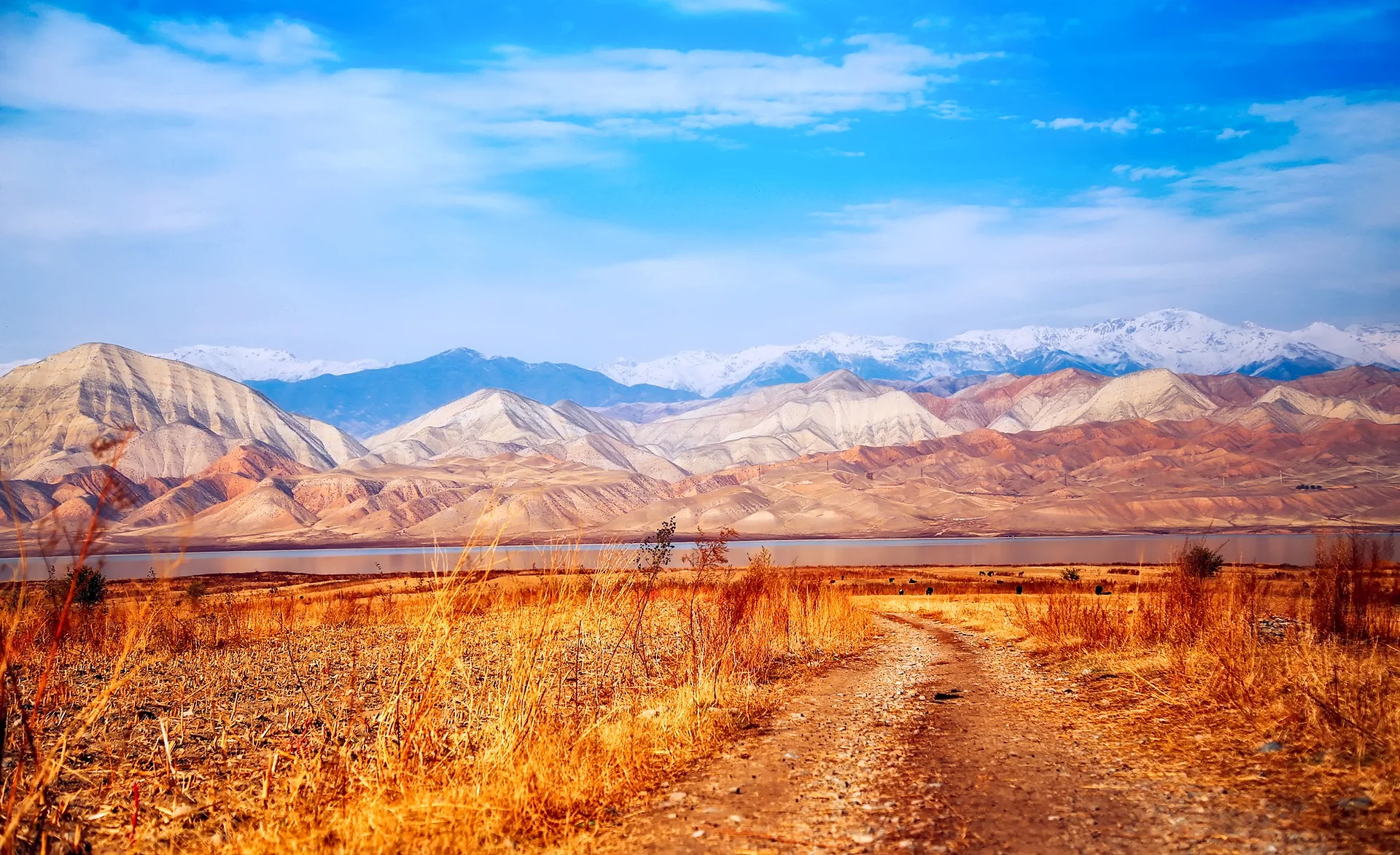
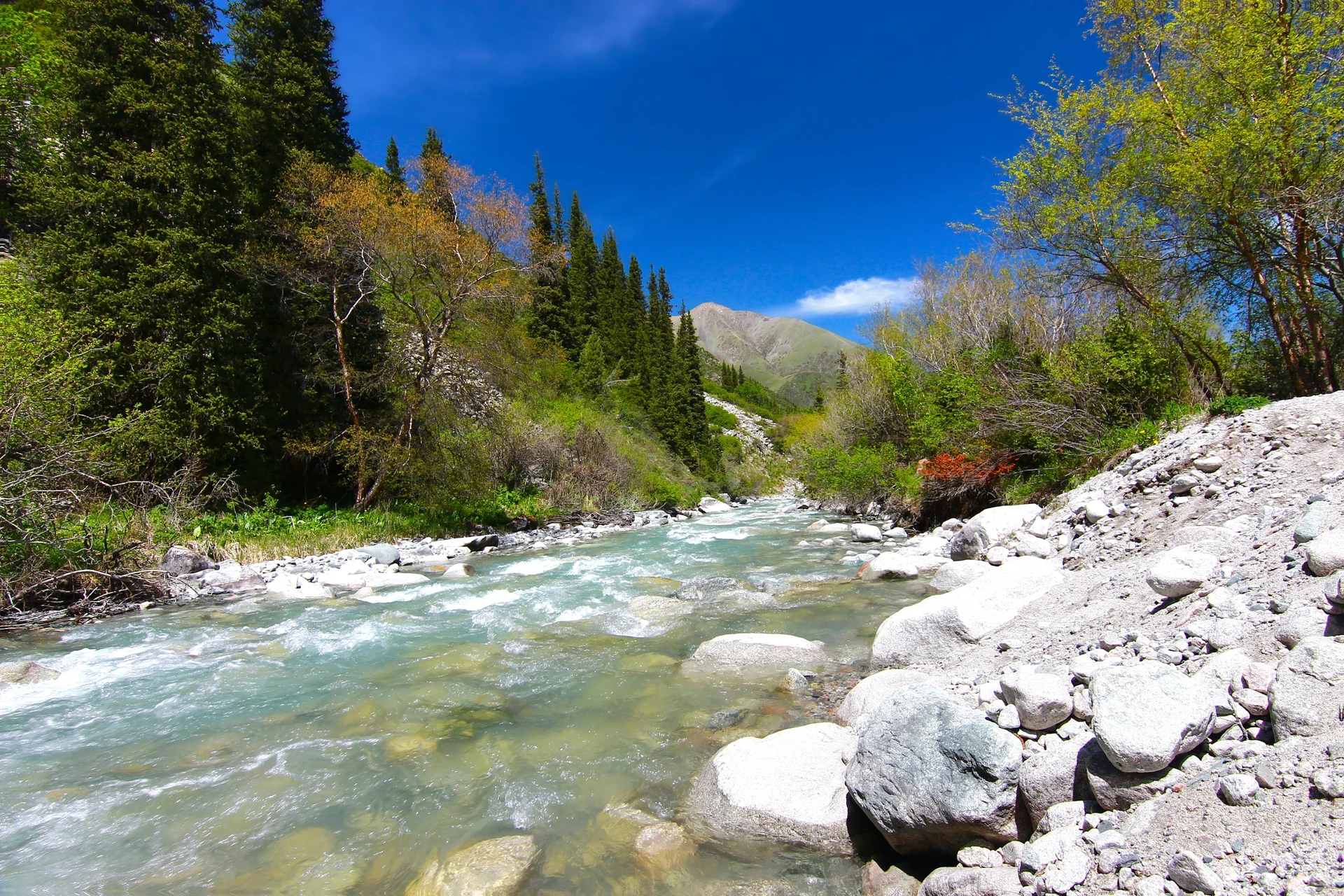
Every valley brings a new contrast: dry steppe, conifer forest, rushing rivers. Traveling in Kyrgyzstan means going from the red desert canyons of Jeti-Oguz to the glaciers of the Tian Shan in a matter of hours.
Friendly tip: spend a night in a yurt on the shore of Song-Kul. The night sky is exceptionally clear, packed with stars.
Trekking and Nomadic Life
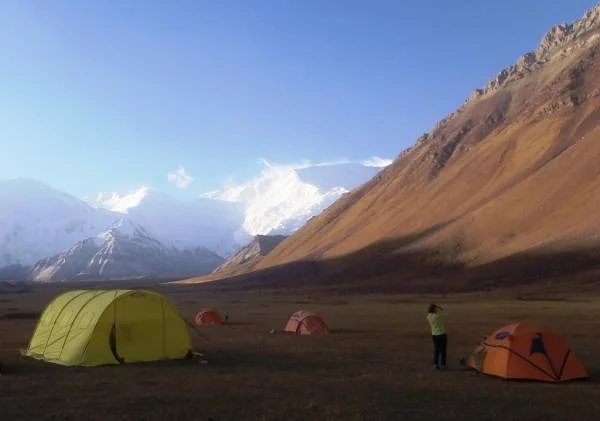
Trekking is king in Kyrgyzstan. Trails wind between dizzying passes and quiet valleys, and you'll often cross paths with shepherds on horseback. The routes around Karakol are among the best known, leading to flower-filled valleys and traditional camps.
Nomadic life still sets the rhythm of daily life: herders, flocks and families who move their yurts with the seasons. Staying with them is a lesson in hospitality, with shared meals and a window into centuries-old traditions.
Cities and Cultural Heritage
The country isn't all mountains. Bishkek, the capital, shows a Soviet face mixed with lively markets selling spices, fabrics and dried fruit. Farther south, Osh is one of the oldest cities in Central Asia, a crossroads on the Silk Road.
Mosques, bazaars and modest museums reflect the influence of the great civilizations that passed through. Traveling in Kyrgyzstan also means understanding its role as a crossroads between East and West.
Hospitality and Horseback Adventures
Here, the horse is far more than transportation: it's a lifelong companion. Horseback treks let you reach remote areas you can't get to by car. First-time riders are often surprised by how easily locals get travelers into the saddle.
Pass a camp and you may well be invited to share tea or a meal. Hospitality is a deeply held value here, lived every day and without pretense.
Friendly tip: if you're offered kymyz (fermented mare's milk), taste it at least once. It's an essential cultural experience, even if the flavor catches you off guard.
Kyrgyz Food: Simple Dishes and Nomadic Traditions
The cuisine reflects the country's pastoral history: hearty dishes built on meat, dairy and bread. Plov, a mix of rice, vegetables and mutton, is served everywhere from city restaurants to herders' camps. Steamed dumplings called manty and samsas baked in clay ovens often come with black tea, the drink you'll see everywhere.
Out on the steppe, meals are simple but warm. Fermented mare's milk, a local specialty, is a symbol of the deep tie to nomadic traditions.
When to Visit Kyrgyzstan
Summer, from June to September, is the best season for hiking and reaching the high plateaus. Temperatures are mild in the mountains but can climb in the valleys. Spring and fall bring beautiful colors and fewer visitors. Winter, on the other hand, makes many roads impassable, though a few ski areas are starting to emerge around Karakol.
How to Get to Kyrgyzstan
Most travelers fly into Manas International Airport, near Bishkek. There are no nonstop flights from France, and the easiest connection is Istanbul on Turkish Airlines. Flights also link Osh with several major Central Asian cities. For the more adventurous, overland routes are possible from Kazakhstan, Uzbekistan, Tajikistan or China, through border crossings that can be remote.
Getting Around Kyrgyzstan
Main roads are drivable, but many routes take patience and a tough constitution. Marshrutkas, shared minibuses, are the most common and cheapest way to travel, connecting towns and villages. To explore the mountains, a car with a driver or a 4x4 is recommended. Horses remain an authentic option for reaching the high-altitude pastures.