
Visiting Ala-Too Square: the beating, monumental heart of Kyrgyzstan
In the center of Bishkek, an immense expanse of concrete and marble awaits. It is a space that feels both solemn and deeply local, serving as the stage for the capital city's daily life. Ala-Too Square is more than just a thoroughfare. It is an open-air arena where Soviet history, national pride, and the lives of residents intersect under the gaze of the distant mountains.
Why this is the mile zero of your visit to Bishkek
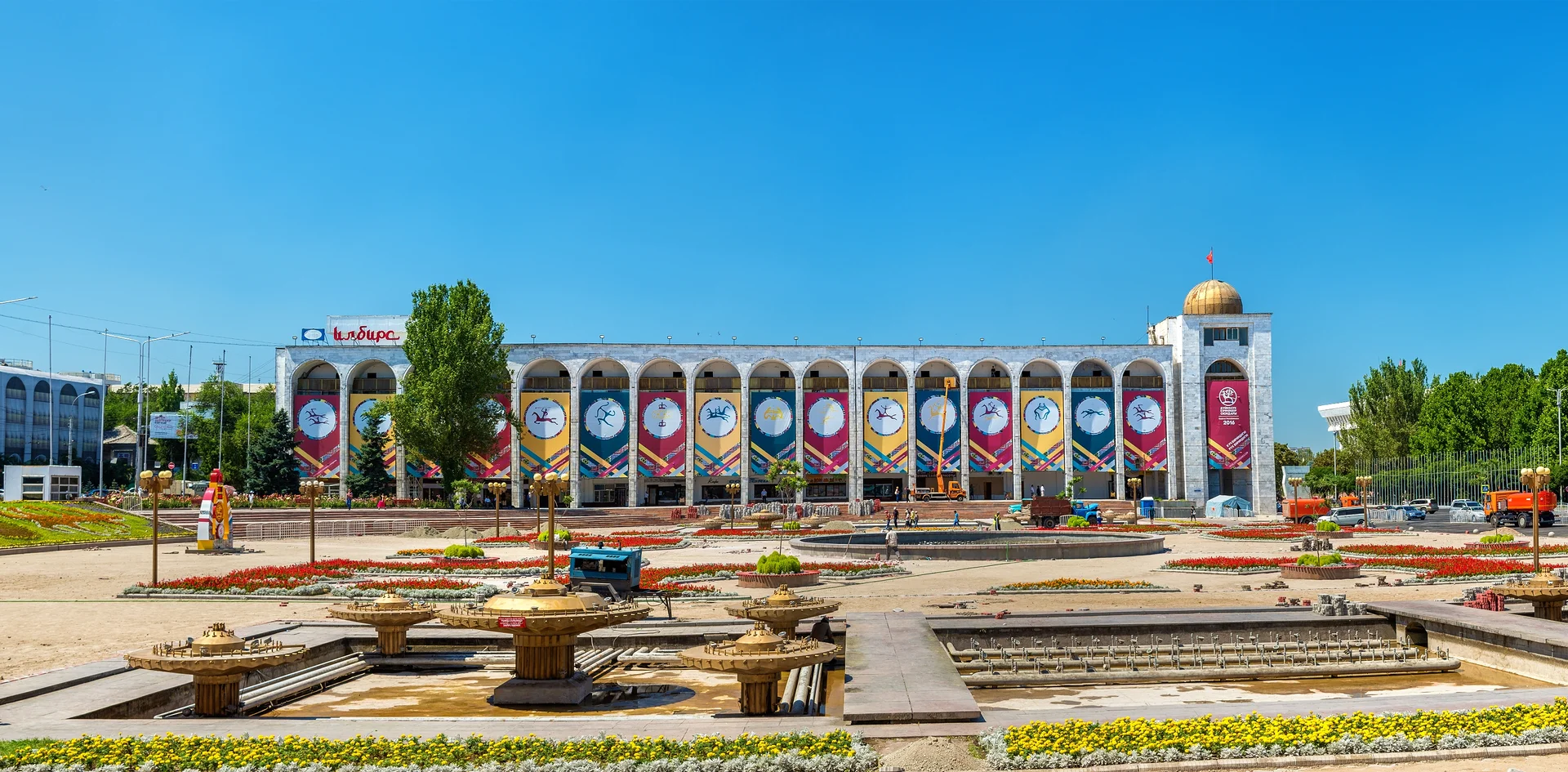
Visiting Ala-Too Square is the best way to take the pulse of Kyrgyzstan. Built in 1984 to mark the 60th anniversary of the Kirghiz Soviet Socialist Republic, it was originally named Lenin Square. Since independence, it has served as the nation's symbolic core, hosting the major political events, national celebrations, and revolutions that have defined the country, including the Tulip Revolution in 2005.
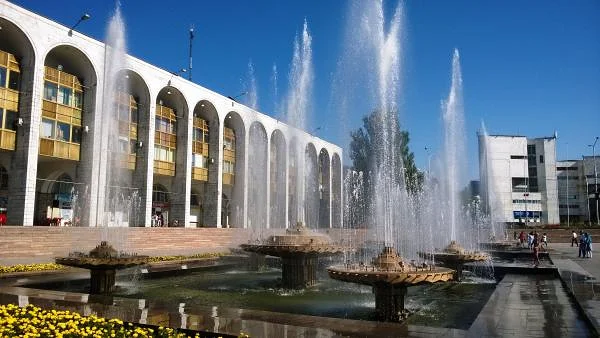
Its brutalist architecture, fountains, and vast flowerbeds create a striking contrast that is quintessentially Bishkek. The square is framed by iconic buildings like the White House (the former presidential palace) and the monumental State Historical Museum, making it the logical starting point for understanding the city's complex identity.
The ballet of statues: a history book in bronze
Kyrgyzstan's turbulent political history is written through the statues that have occupied the center of the square. It is a monumental game of musical chairs that reflects shifting ideologies over the decades.
From Lenin to Manas
Originally, an imposing statue of Lenin dominated the esplanade. Moved in 2003, it now sits more discreetly behind the museum. It was replaced by a statue symbolizing freedom, Erkindik, which itself gave way in 2011 to the current monument celebrating 20 years of independence.
Today, the national epic hero, Manas the Generous, sits proudly on his horse. This 10-meter-tall equestrian statue embodies the soul and strength of the Kyrgyz people. Nearby, a monument is also dedicated to the famous writer Chingiz Aitmatov, another guiding figure of the national culture.
A theater of national pride and daily life
The square is not a static museum, but a living space. The central element that draws every eye is the massive national flag, flying atop a 45-meter mast. This is one of the most photographed attractions in Bishkek.
The changing of the guard
Every hour in winter, and every two hours in summer, soldiers from the honor guard perform a changing ceremony. Their goose-step march, slow and incredibly wide, is a spectacle in itself that never fails to draw a crowd of locals and travelers.
When evening arrives, the atmosphere shifts. Families come out for walks, children play in the fountains during the summer, and small street vendors appear. This is when the square reveals its relaxed, community-focused side.
Friendly tip: arrive a few minutes before the hour near the flagpole to watch the changing of the guard. Afterward, cross Chuy Avenue to the south to get a full view of the square with the Historical Museum in the background, a panorama that is particularly photogenic at sunset.

In the very quiet and green city center of Bishkek, Ala-Too Square is in my opinion the most pleasant spot. You will see a huge country flag waving in the center. The 40-ray sun represents the 40 unified Kyrgyz tribes. You will also notice that the square is very clean and full of flowers. It is also where the city's most important buildings are concentrated and where all the festivities take place.