
What to know about Issyk-Kul Lake, the beating heart of the Celestial Mountains
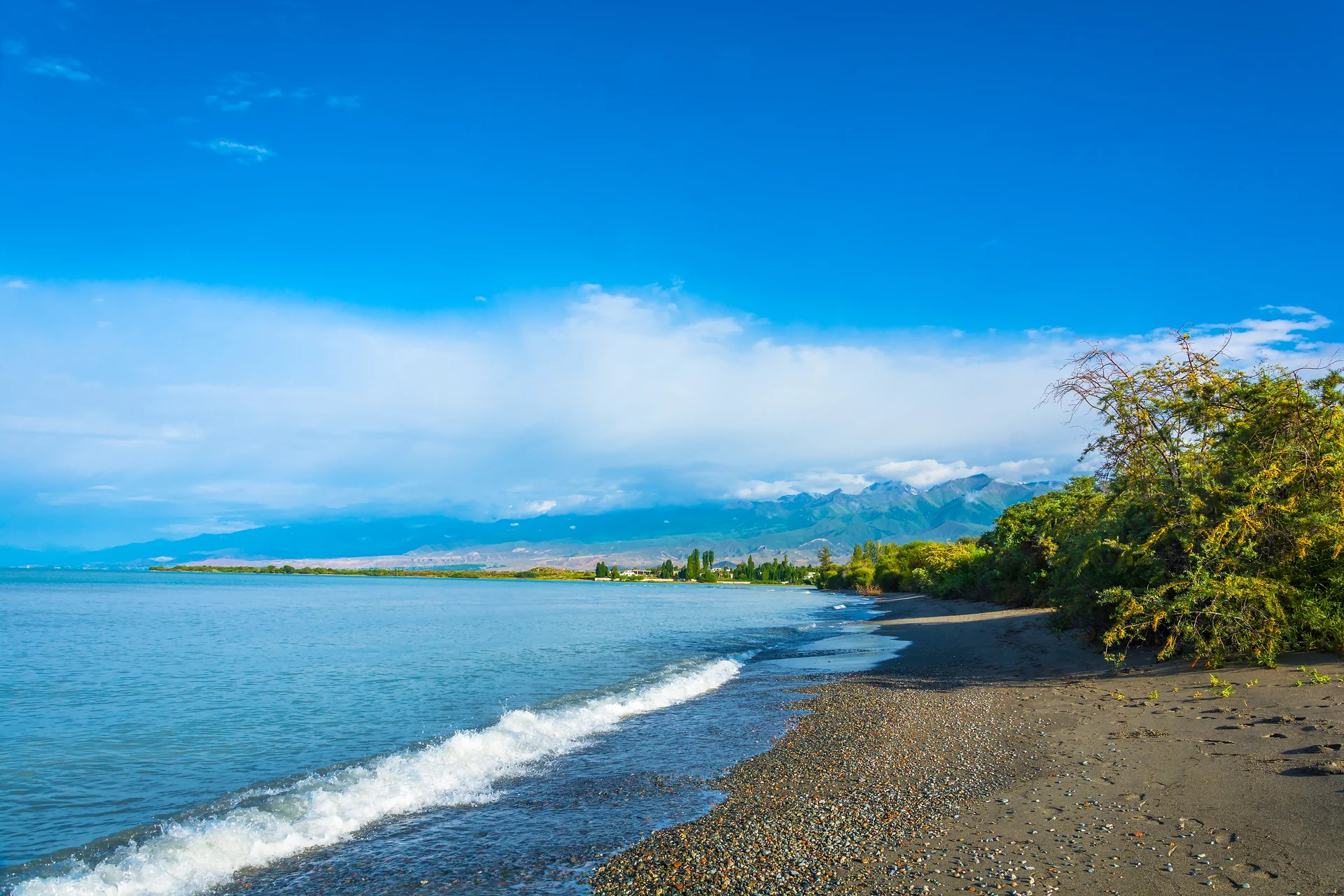
The horizon line blurs between water and sky. You are looking at an inland sea, its deep blue hue appearing to absorb the daylight, all framed by the snow-capped peaks of the Tian Shan mountains. This is the initial, raw impression of Issyk-Kul Lake, the liquid jewel of Kyrgyzstan.
Why is this lake a must-visit destination?
As the second-largest alpine lake in the world, Issyk-Kul is a natural marvel. Sitting at an altitude of over 1600 meters (5,250 feet), it has a slight salinity that prevents it from freezing in winter, earning it the name "warm lake." This characteristic makes it a UNESCO-recognized biosphere reserve, a sanctuary for migratory birds, and a unique ecosystem.
Beyond its geography, Issyk-Kul is a place of mystery. Persistent legends suggest that its unfathomable depths hide the remains of ancient cities or even long-lost historical treasures.
The north shore: easy living and sandy beaches
The northern coast is the most developed and tourist-oriented part of the lake. The city of Cholpon-Ata acts as its epicenter, featuring managed beaches, sanatoriums inherited from the Soviet era, and various water activities. The vibe is relaxed and summery, suitable for families and those looking to combine leisure with sightseeing.
Do not miss the open-air field of petroglyphs, a millennia-old rock art gallery, or the surprising Ruh Ordo cultural complex, which promotes harmony between the world's belief systems. The north shore offers easy access and comfortable infrastructure for a first-time visitor.
Friendly tip: To escape the crowds of Cholpon-Ata during high season, head to the village of Tamchy, located further west. You will find equally beautiful beaches, a much quieter atmosphere, and more direct interaction with the locals.
The south shore: raw adventure
Expect a radical shift in atmosphere when moving to the south shore. Nature takes center stage here. It is less populated and wilder, unfolding landscapes of striking beauty for travelers seeking authenticity and wide-open spaces.
Skazka Canyon
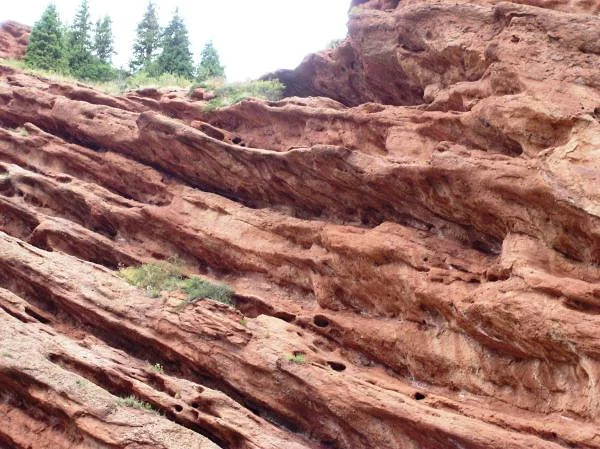
Skazka Canyon, or "Fairytale Canyon," is a mineral labyrinth where erosion has sculpted rock formations in shades of red and orange. Wandering its trails with the intense blue of the lake as a backdrop is an unforgettable sensory and photographic experience.
Jeti-Oguz Valley
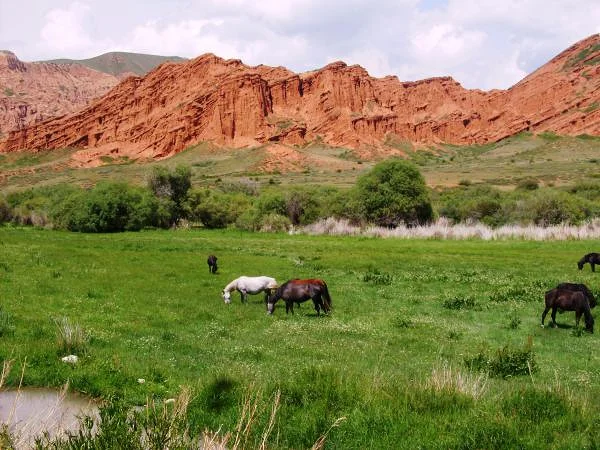
A bit further east, near Karakol, the Jeti-Oguz valley is famous for its red sandstone monoliths. The "Seven Bulls" and the "Broken Heart" rock are the local stars, but the valley is primarily a fantastic starting point for hiking or horseback riding in a majestic alpine setting.
Friendly tip: The south shore is the cradle of traditional falconry. For a memorable cultural immersion, inquire in the village of Bokonbaevo about attending a golden eagle hunting demonstration, an ancestral art passed down through generations.

The advantage of Issyk-Kul Lake is that you can visit it in summer or winter. It is one of the areas in the country that remains accessible to tourists when treks and horseback riding aren't possible in the rest of Kyrgyzstan. The northern side is filled with beach resorts. The southern side (my favorite) is much more natural. The Bokonbaevo region in particular is very pleasant with its yurt camps, its canyon, and its eagle hunters.