
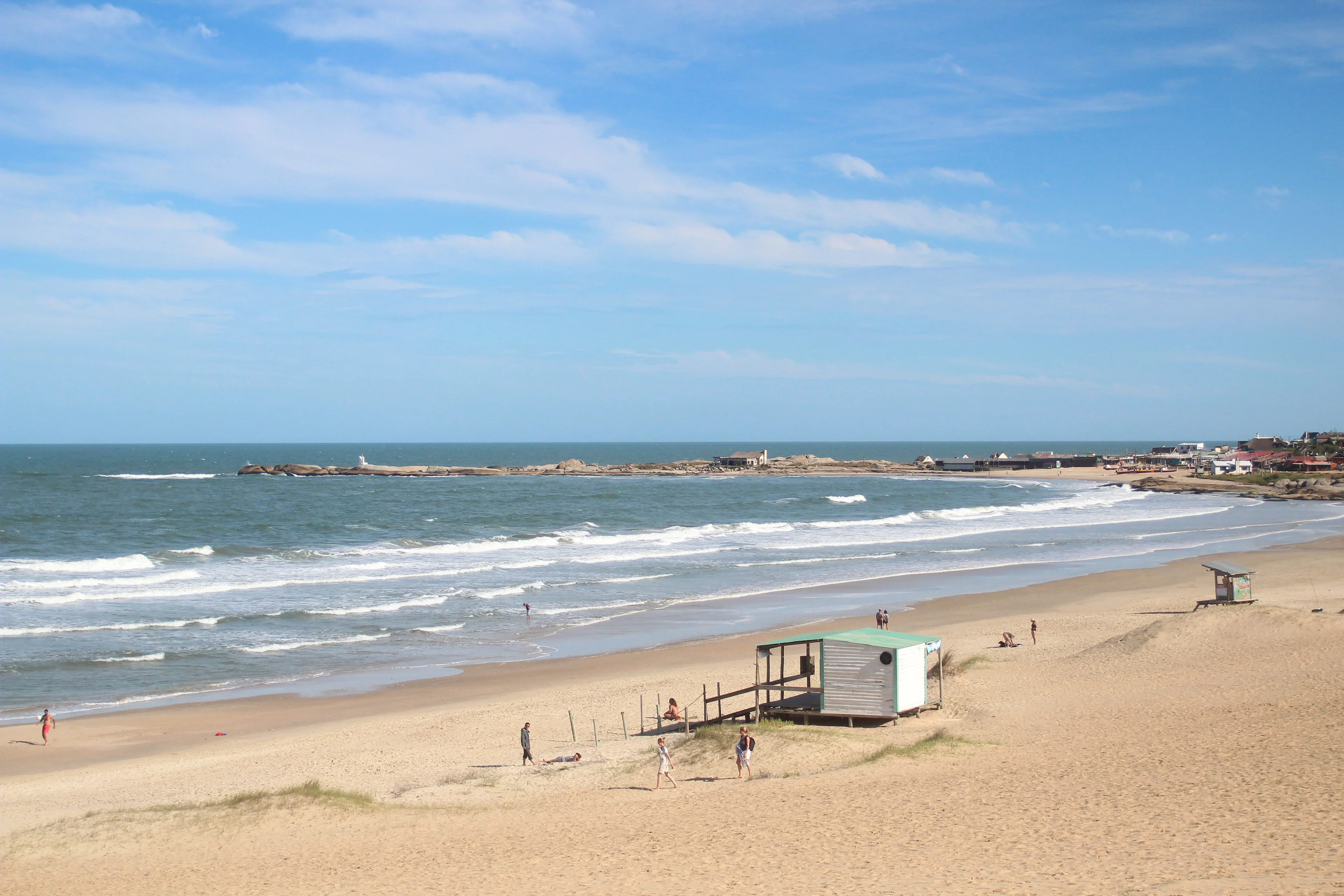
Visiting Punta del Diablo: a village of dunes, waves, and simplicity
Located on the Atlantic coast of Uruguay, just a few miles from the Parc National de Santa Teresa, Punta del Diablo has long drawn independent travelers, surfers, and nature lovers. This fishing village has grown modestly, keeping an informal and unpolished vibe that appeals to those tired of overly sanitized beach resorts. Think of it as a low-key, rugged coastal escape with a vibe reminiscent of Montauk before the crowds took over.
Wild beaches and mellow surf
The town features several beaches, each with its own personality. Playa de los Pescadores is the central hub, lively and lined with colorful fishing shacks. Playa del Rivero, to the east, is a favorite for its moderate waves, which are perfect for learning to surf. On the other side, Playa Grande draws those looking for peace or a path toward the national park forest. You will find fine sand, consistent swells, and memorable sunsets here.
An unpretentious atmosphere
Punta del Diablo is not a museum piece. The streets are often unpaved, the urban planning is entirely organic, and that is exactly the point. Expect painted wooden houses, local art galleries, and a festive mood after dark. During the high season, from Christmas through the end of February, the town fills with young Uruguayans and families looking for a laid-back seaside break.
Hiking and nature close by
The Parc National de Santa Teresa is accessible by foot or bike from the town center, offering miles of marked trails through a forest planted in the 20th century. You might spot armadillos or capybaras, explore the forteresse de Santa Teresa, or reach more secluded beaches. Entrance to the park is free, though motor vehicles must pay an access fee.
Markets, crafts, and a slow pace
A small craft market in the village center opens in the evenings during the summer season. You will find handmade jewelry, leather goods, and locally woven clothing. While it is not a destination for high-end artisanal goods, the atmosphere is pleasant. In the off-season, most shops close, turning Punta del Diablo into a near ghost town for travelers seeking pure solitude.
Coastal cuisine bridging sea and land
Dining in Punta del Diablo is simple but satisfying. pescados a la plancha (grilled fish) usually comes with roasted vegetables or rice. empanadas de frutos de mar (seafood empanadas) are also common and budget-friendly, typically costing 100-200 UYU (about $2.50-$5). For drinks, cerveza artesanal (craft beer) is often brewed locally, and maté is a constant companion in the thermoses of the locals.
Where to eat?
- Il Tano Cucina (center): Italo-Uruguayan fusion, house-made pasta, and fresh catch of the day.
- Franca (center): A small family-run spot serving simple, well-prepared grilled fish.
- La Gaviota (near Playa del Rivero): Good value, a terrace with ocean views, and local beers on the menu.
Where to stay?
- El Diablo y el Mar (center): A charming family-run hotel with balcony rooms and a friendly staff.
- Mar y Arte (center): An artistic, colorful stay that hits the sweet spot for mid-range budgets.
- Hostel de la Viuda (La Viuda neighborhood): A popular hostel with a pool, communal kitchen, and clean dorms, popular with backpackers.
When to go?
The high season runs from mid-December to February, bringing heavy crowds but perfect beach weather. For more peace and quiet, November or March offer a great balance of mild weather and fewer people. During the southern winter, the village is quiet and sometimes feels completely empty.
How to get there?
From Montevideo, several bus companies like COT and Rutas del Sol reach Punta del Diablo in 5 to 6 hours for roughly 600-800 UYU (about $15-$20). From Chuy, on the Brazilian border, the trip takes about 1 hour and 30 minutes. The roads are in good condition but rarely lit at night.
How to get around?
The village is best explored on foot. To reach the Santa Teresa park or distant beaches, a bicycle is sufficient. A car is only necessary if you plan on exploring the wider coast.
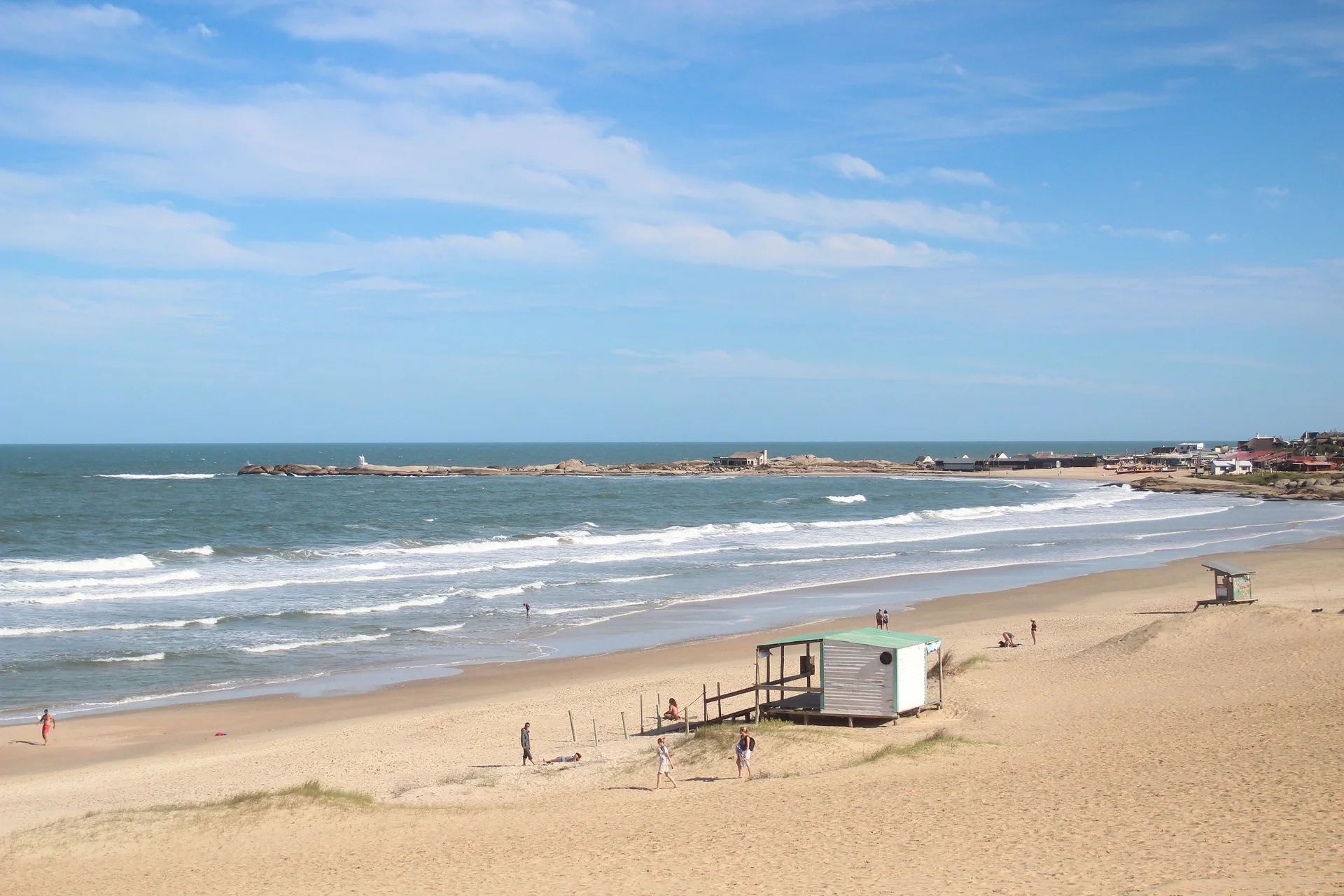
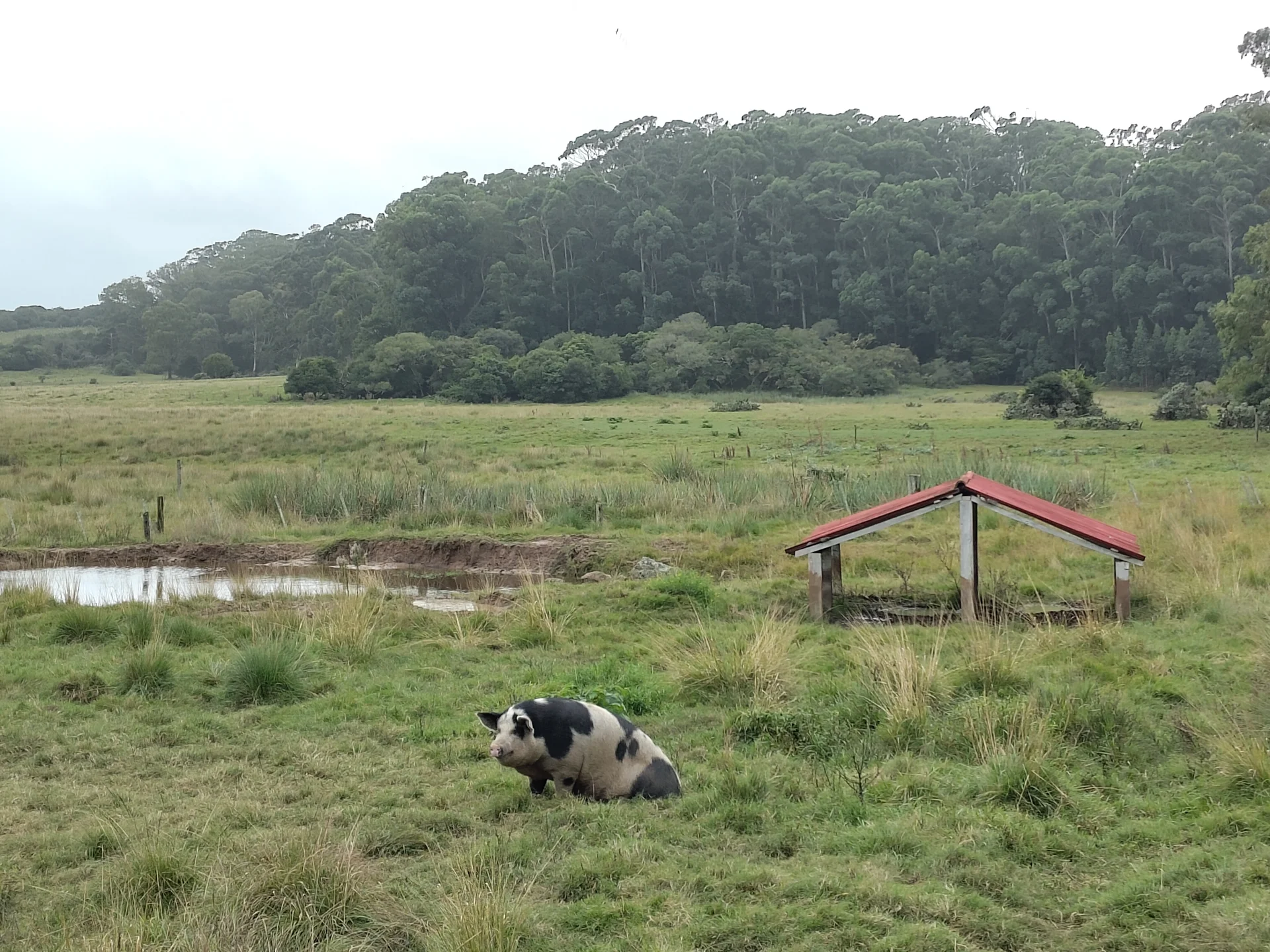
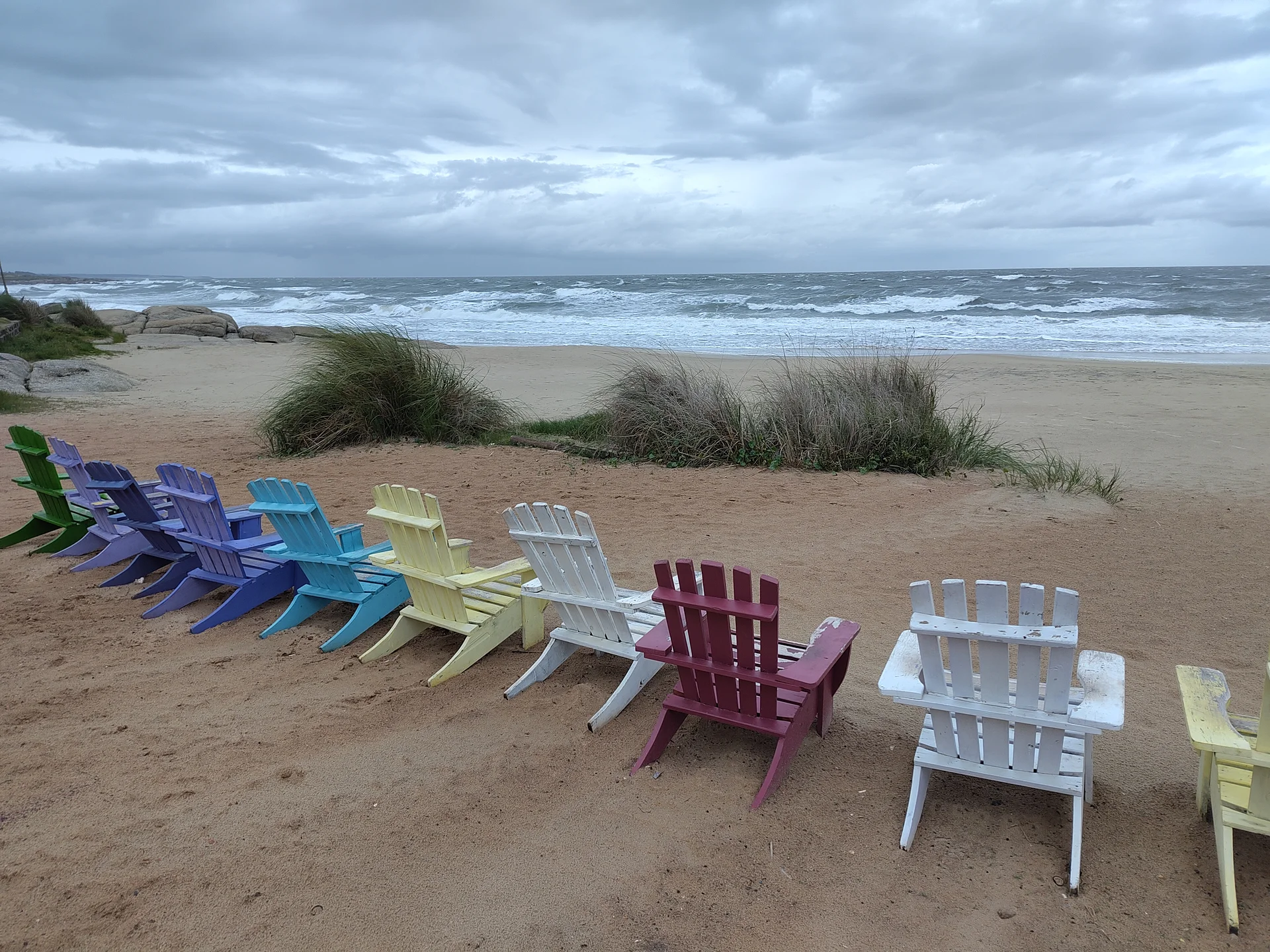
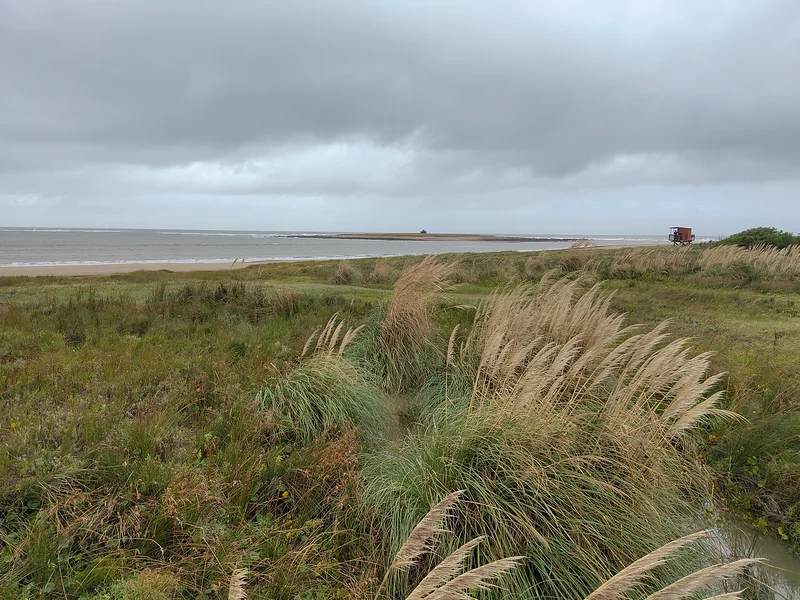
I loved walking on the deserted beaches that stretch on forever, with the wind whistling and the thundering waves in my ears. It was freezing cold in early April, with stinging rain showers that paralyze the whole village in the off-season. You are at the edge of the little Uruguayan world!