
Xico, the Mexican village where mole tastes like a fiesta
The scent hits you before you even see the church steeple. A complex aroma of chocolate, dried chiles, and spices drifts from kitchens opening directly onto the street. Here, in this village clinging to the slopes of the Cofre de Perote, women prepare mole xiqueño in massive clay pots. Founded in 1313 with the Totonac name Xicochimalco, meaning "place of the yellow wax beehives," this Pueblo Mágico in Veracruz remains committed to its ancestral culinary heritage.
A destination for travelers seeking slow moments and bold flavors
Perched at 1,320 meters (4,330 feet) in altitude, this village appeals to lovers of rural Mexico who prioritize food experiences and cloud forest landscapes. Coffee enthusiasts will find themselves in one of the country's premier growing regions, while hikers will appreciate the surrounding waterfalls.
Xico will likely disappoint those looking for nightlife or a structured tourism scene with multilingual guided tours. Life here follows a local rhythm: late breakfasts, mid-afternoon siestas, and evening strolls around the plaza. English is rarely spoken.
A peaceful village where time slows down
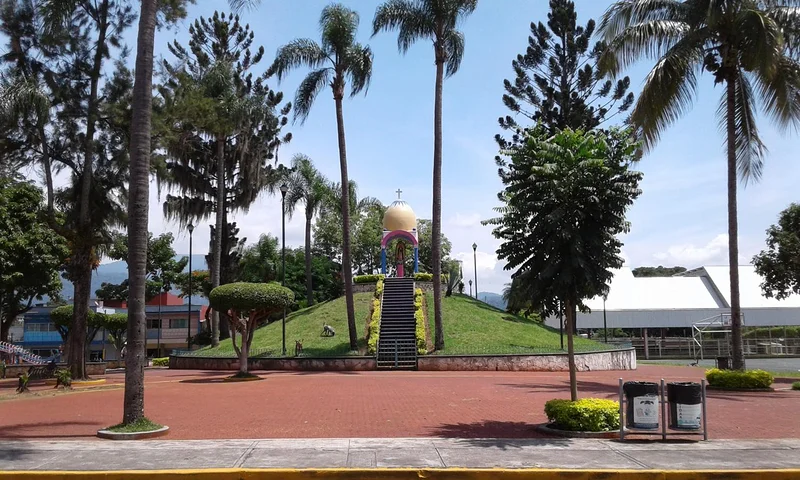
You can walk the cobblestone streets in half a day. Scenes of daily life are common: burreros delivering milk by donkey in the morning, flower vendors on the sidewalks, and grandmothers patting out tortillas in their doorways. The climate stays mild year-round, hovering around 20°C (68°F). Pack a sweater for the evenings and a raincoat if you visit between June and September.
An affordable trip for foodies
Xico is very budget-friendly. Expect to pay 450 to 1,200 pesos ($25 to $65) for a night in a hotel or cabin, and 80 to 150 pesos ($4 to $8) for a full meal including enmoladas and coffee. Activities like canyoning cost around 800 pesos ($45), including equipment and a guide.
Waterfalls with a cinematic backdrop
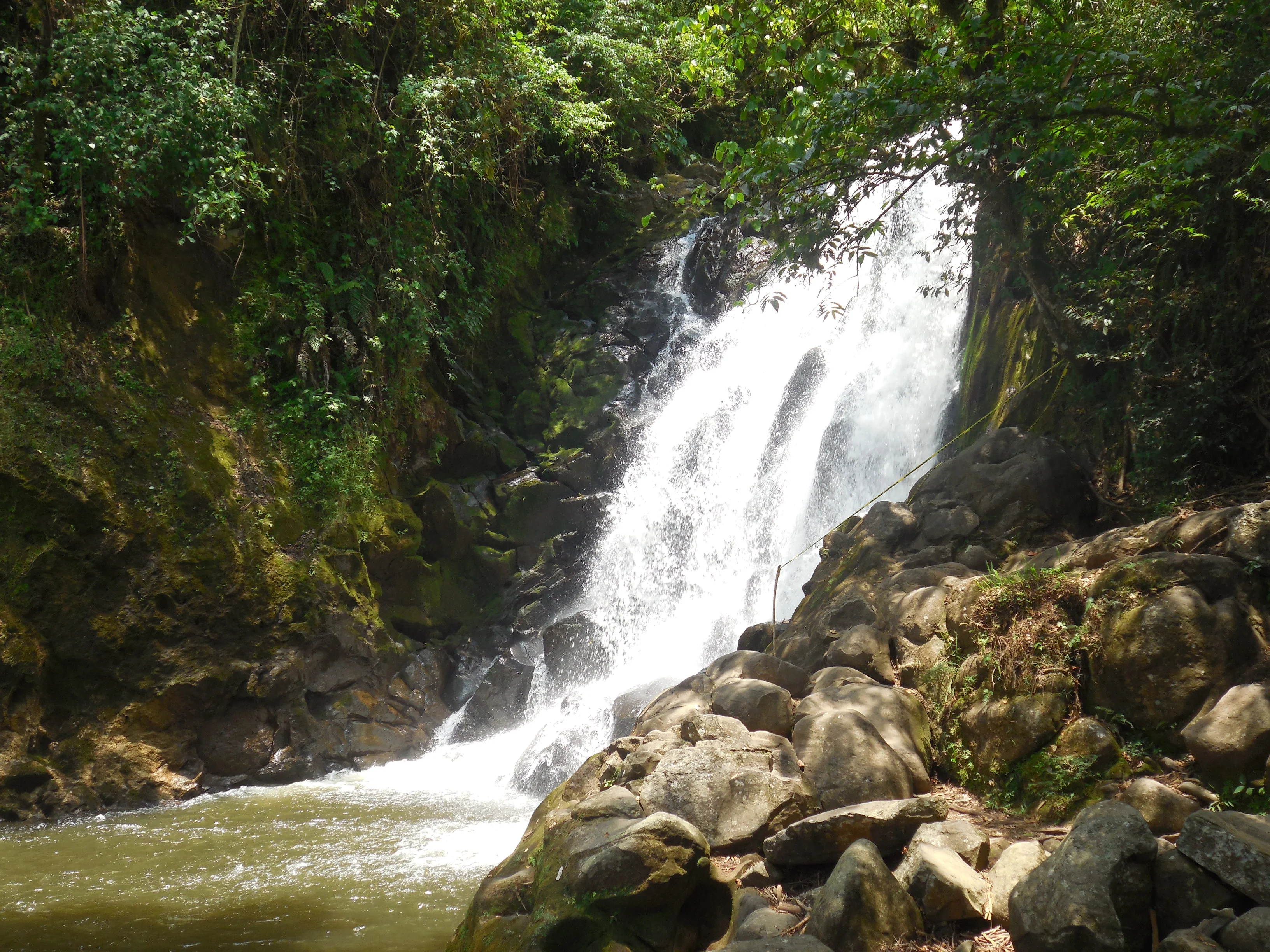
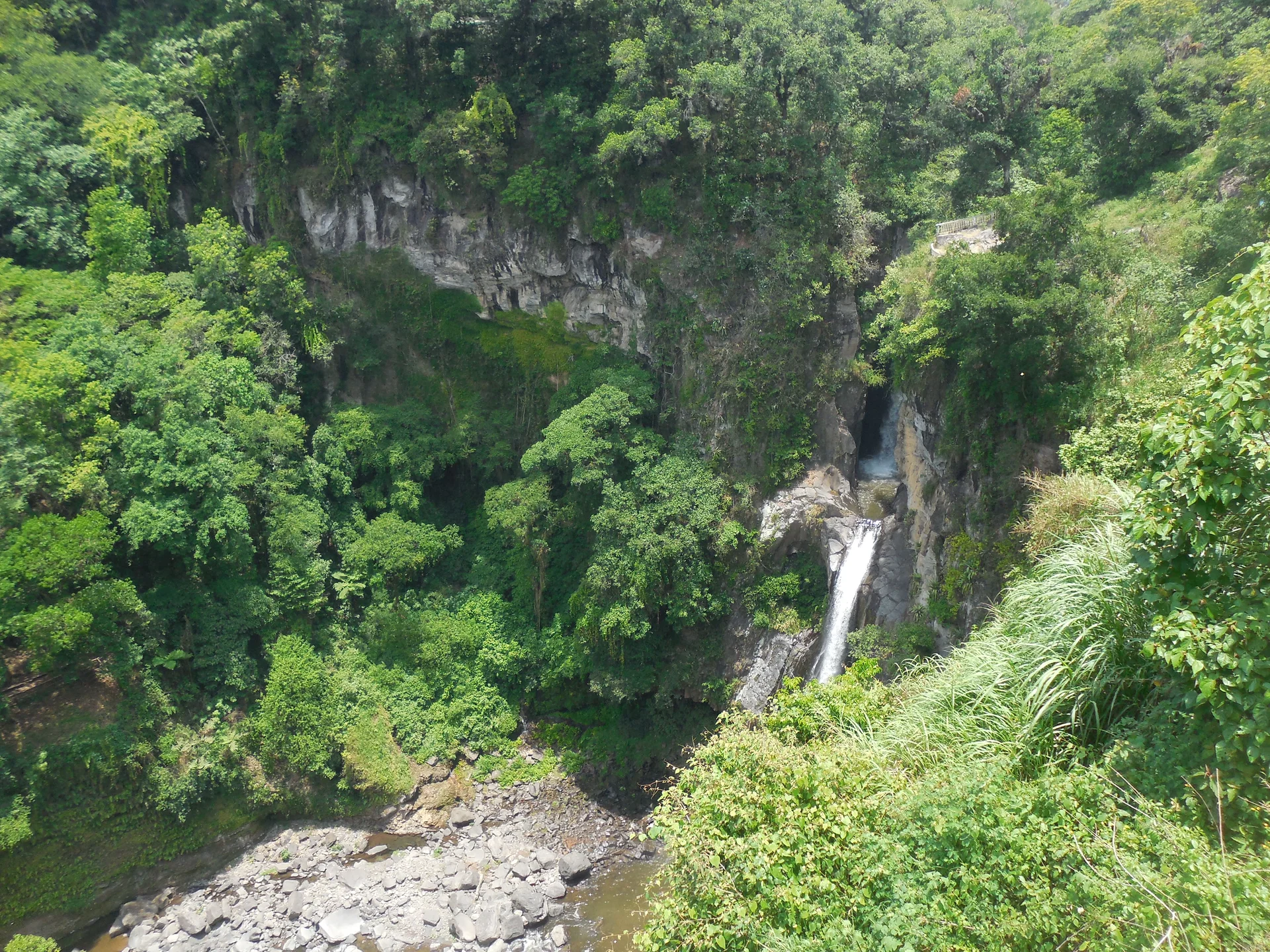
Three kilometers from the center, the Cascada de Texolo drops over 20 meters (65 feet) into a canyon. This waterfall has served as a filming location for Hollywood movies, including "Romancing the Stone" with Michael Douglas and "Clear and Present Danger" with Harrison Ford. A viewpoint offers a panoramic look, but the truly curious can take the marked trail down to the base of the falls.
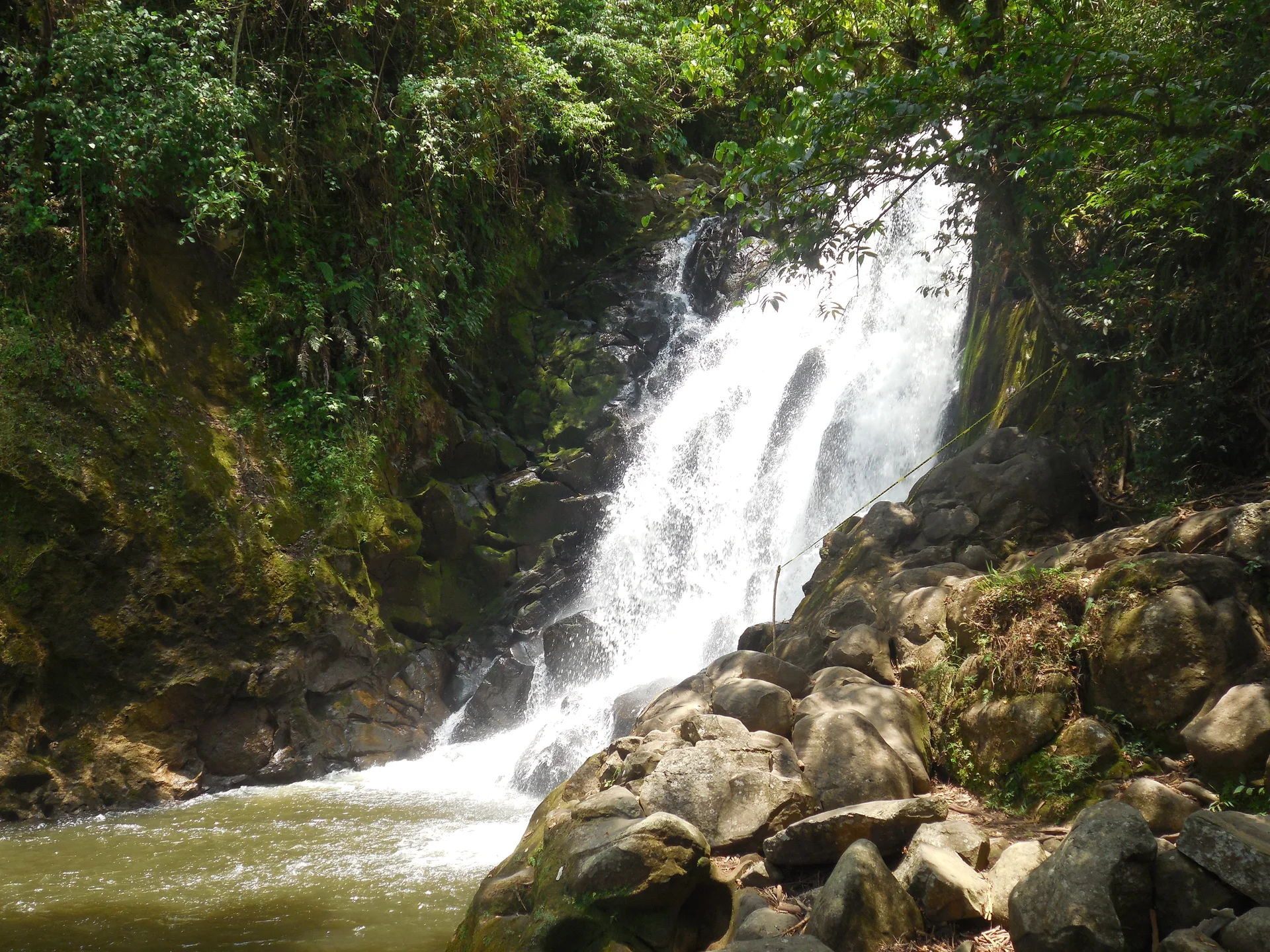
The Cascada de la Monja, a 20-minute walk from Texolo, forms a natural pool where swimming is possible. The trail winds through coffee and banana plantations. Access to the waterfalls is free, though you will pay a small fee for parking.
Pro tip: Visit during the rainy season, from June to September, to see the waterfalls at their most powerful. The flow drops significantly during the rest of the year.
Mole xiqueño: more than a dish, an identity
Xico's mole is distinct for its sweetness. It is milder than the variety found in Puebla and incorporates over 25 ingredients: mulato and pasilla chiles, chocolate, almonds, peanuts, sesame seeds, and sometimes plantains or bread. The Mole Xiqueño factory produces nearly 500,000 kilos per year.
To try the mole properly, head to La Tía Celsa for a home-style version, or the restaurant Acamalin for generously topped enchiladas. The tamales canarios, made with butter and rice flour, are also worth the detour. The sopa de xonequi, a bean broth flavored with a local aromatic herb, is the perfect way to warm up on misty mornings.
Coffee and local drinks
The region produces highly regarded high-altitude Arabica coffee. Several roasters sell their beans directly on Avenida Miguel Hidalgo. For festive drinks, try mora, an artisanal liquor made from wild blackberries, or verde xiqueño, a digestif made with local herbs.
The Magdalena festival: when the village becomes an arena
Every year from July 15 to 23, Xico celebrates Santa María Magdalena with intense fervor. On the 19th, residents create an immense tapete de aserrín, a carpet of colored sawdust, stretching the length of the main avenue. On the 20th, a floral arch made with flor de cucharilla is carried in a procession to the church.
The highlight arrives on July 22 with the Xiqueñada: a dozen bulls are released into the streets, similar to the running of the bulls in Pamplona. The event draws between 50,000 and 100,000 visitors, so book your lodging months in advance.
The Patio de las Palomas displays over 600 embroidered dresses gifted to the saint since 1898. The Museo del Danzante Xiqueño showcases the costumes of the payasos, clowns wearing carved wooden masks who roam the festivities while clicking castanets.
Where to eat and drink in Xico?
The mercadito in Xico is the best spot for a hearty breakfast: picaditas topped with beans, chiles rellenos, or enmoladas served with locally roasted coffee. Mesón Xiqueño and El Campanario on the main avenue serve refined regional cuisine in colonial settings.
By the Coyopolan River, the restaurant at the Hôtel Coyopolan features over 400 items on its menu, specializing in trout prepared in dozens of ways. For a smaller budget, El Chinini offers antojitos with a mountain view.
Where to stay in and around Xico?
Hôtel Agua Bendita offers cabins with fireplaces and jacuzzis in a lush setting. Posada Los Naranjos, right in the center, offers well-kept rooms starting at 450 pesos ($25). For a nature retreat, cabins around the waterfall, such as Rincón de Texolo, let you wake up to the sound of rushing water.
More options are available in Coatepec, the neighboring Pueblo Mágico six kilometers away. Mesón del Alférez and Hotel Casa Real del Café offer rooms in restored colonial mansions with easy access to both towns.
How to get to and around Xico?
From Mexico City, take an ADO bus to Xalapa. The trip takes 4 to 5 hours and costs 400 to 600 pesos ($22 to $33). From Xalapa, combis depart regularly from Parque Revolución. The ride takes 30 minutes and costs about 20 pesos ($1). A taxi from Xalapa costs about 200 pesos ($11).
By car from Mexico City, take the highway toward Puebla and then Xalapa, a drive of about 4 hours. From the port of Veracruz, it is a 2-hour drive inland. International travelers typically fly into Mexico City, with limited Aeroméxico connections available to Xalapa.
Once you are in town, everything is walkable. To reach the waterfalls, a taxi from the plaza costs 50 to 80 pesos ($3 to $4) one way.
When to go?
November through May offers the best conditions with dry weather and mild temperatures. The Magdalena festival period, from July 15 to 23, transforms the village and requires advance booking. Avoid September and October if you want to skip heavy rains and persistent fog.
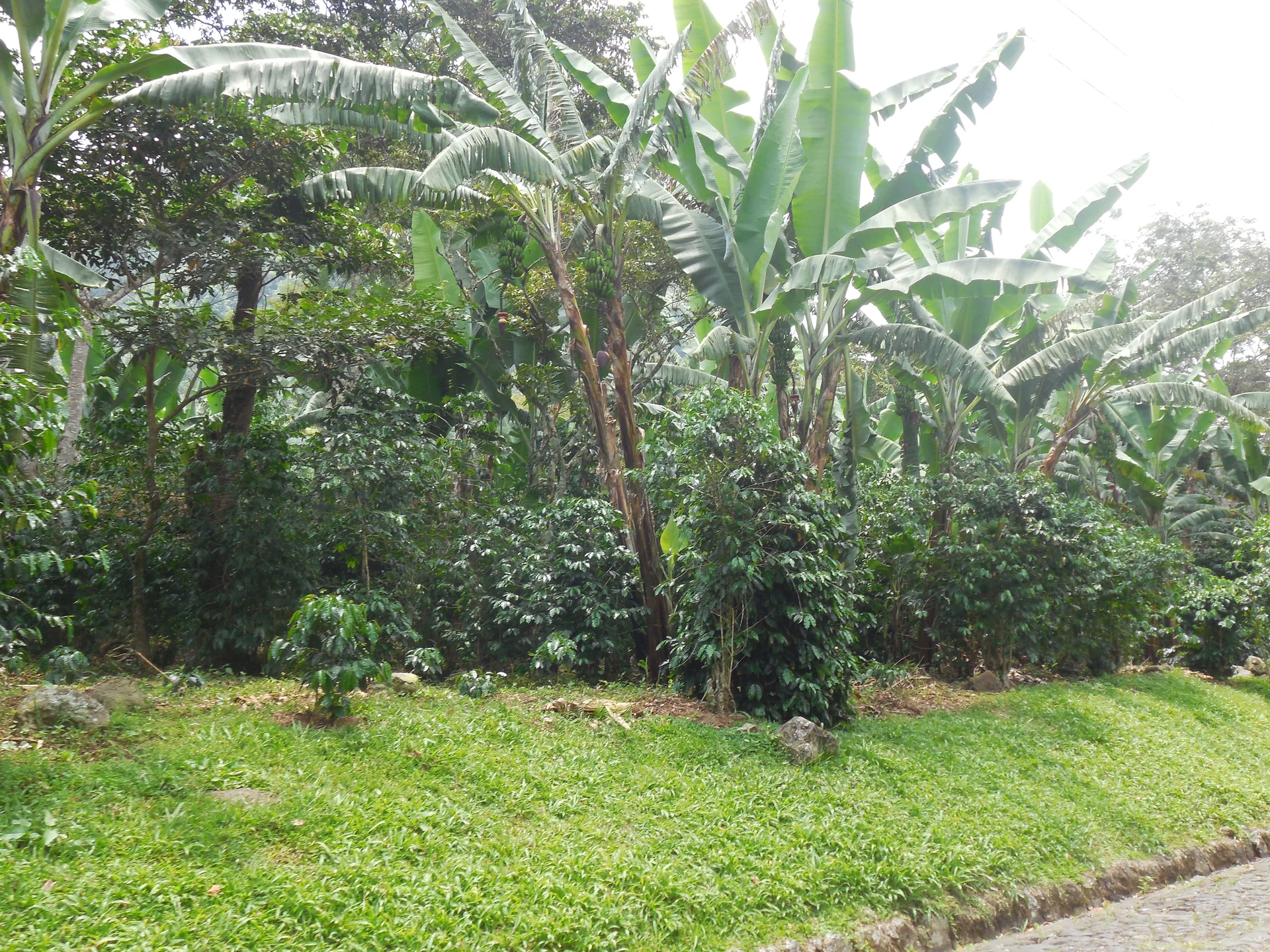
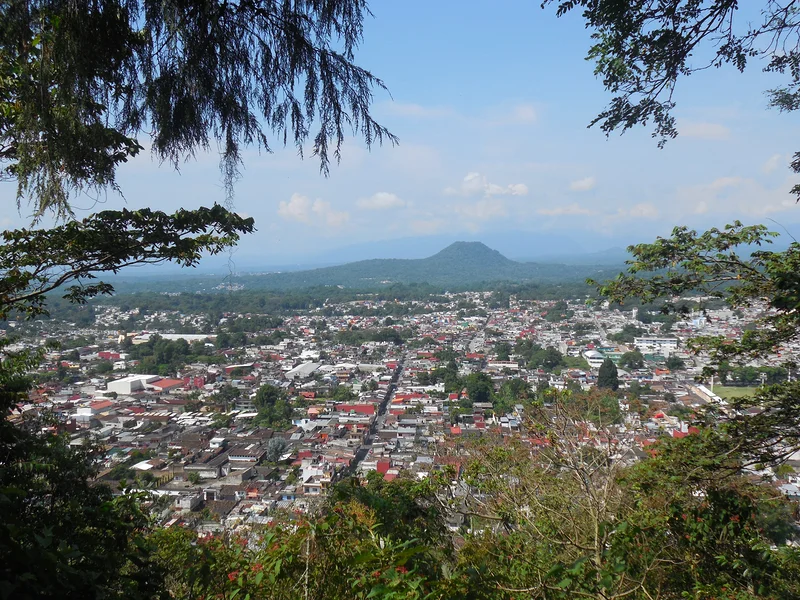
Xico is really a great starting point for discovering coffee farming. There are fields all around the town, hidden in the middle of banana trees. Plenty of walks nearby.