Visiting Santa Marta: Where the Mountains Meet the Caribbean
Few cities in the world offer access to paradise beaches within a fifteen-minute drive and snow-capped peaks just a few hours away. Santa Marta carries the distinct energy of a Caribbean port, where salt air mingles with the scent of freshly roasted coffee, and fishermen haul in their nets while hikers prepare for their trek toward the Ciudad Perdida.
As the oldest city in Colombia, it hides natural treasures behind its weathered colonial facade that defy expectation.
The Gateway for Adventurers
This destination is for travelers who prioritize substance over postcards. If you are looking for resort-style beaches where you can walk from your hotel to the sand in flip-flops, head to the Maldives instead. Santa Marta requires a degree of physical effort and an adventurous spirit to reveal its wonders, involving jungle hikes, multi-day treks, and occasionally chaotic transportation.
It suits nature enthusiasts, those interested in pre-Columbian history, and travelers willing to trade comfort for singular experiences. Costs vary based on your itinerary: a day trip to Tayrona National Park runs about 65,000 COP (approx. $16), while a trek to the Ciudad Perdida can reach 1,500,000 COP (approx. $375) per person.
The Historic Center: Between Past Grandeur and Renewal
The cobblestone streets of the centro histórico tell the story of five centuries of turbulent history. The cathedral, which once held the remains of Simón Bolívar before they were moved to Venezuela, overlooks the Plaza de Armas, shaded by royal palms. Colonial facades, faded by salty breezes, often hide flowering patios where time seems to stand still.
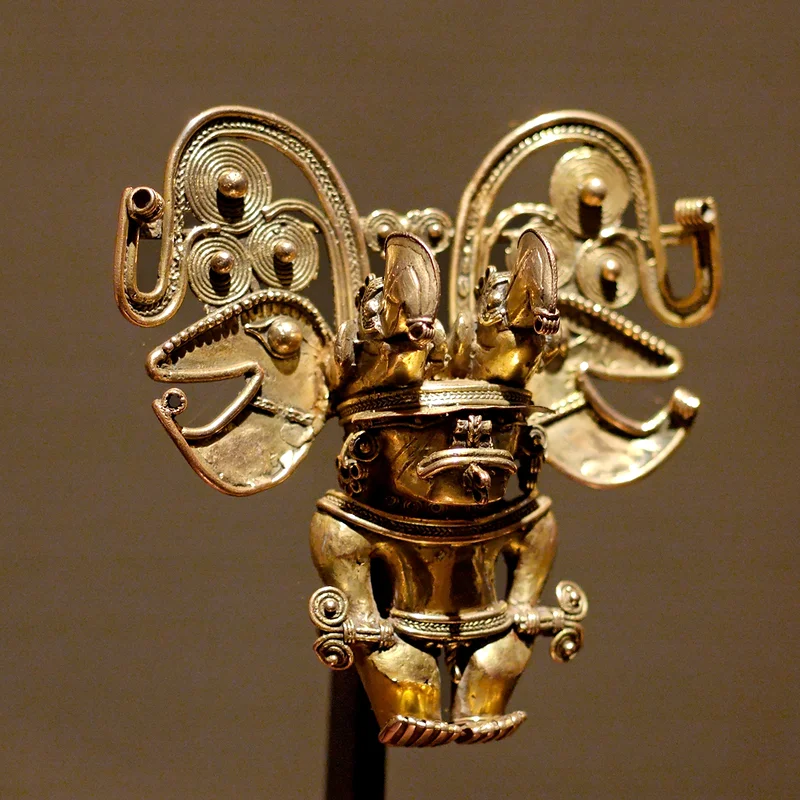
The Museo del Oro Tairona displays gold masterpieces from the pre-Columbian civilizations that inhabited the region. These pieces showcase the artistic sophistication of indigenous peoples long before the Spanish arrived. Don't miss the Casa de la Aduana, one of the oldest structures in South America.
Local tip: Visit the historic center early in the morning or late in the afternoon to avoid the intense heat. The cobblestone alleys turn into ovens between 11:00 AM and 3:00 PM.
Tayrona National Park: A Coastal Sanctuary
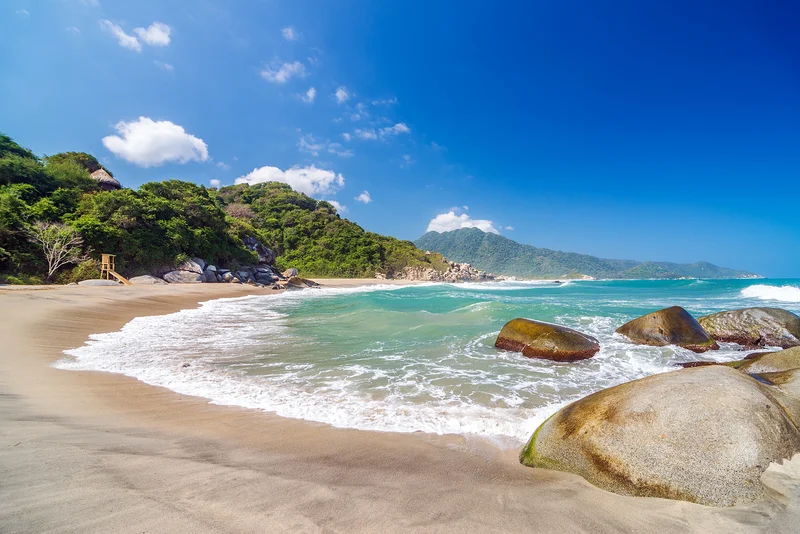
Thirty-four kilometers of wild coastline where the Sierra Nevada plunges directly into the Caribbean Sea. The beaches of Cabo San Juan and La Piscina justify the trip on their own, featuring golden sand lined with coconut palms, turquoise water, and granite boulders sculpted by the waves. Be aware that swimming remains dangerous on many beaches due to powerful currents.
Access requires a hike of 45 minutes to 2 hours depending on your destination, under an unforgiving tropical sun. Trails wind through the tropical dry forest, home to howler monkeys and giant iguanas. Pack water, sun protection, and closed-toe shoes, as snakes are not uncommon.
Accommodations in the park are limited to spartan ecohabs and basic campgrounds. Booking is essential in high season, as the park limits visitor numbers to protect the ecosystem.
Local tip: Arrive when the park opens at 8:00 AM to beat the crowds and the heat. The last return buses leave around 3:00 PM, so plan accordingly.
The Ciudad Perdida: A Mythic Jungle Trek
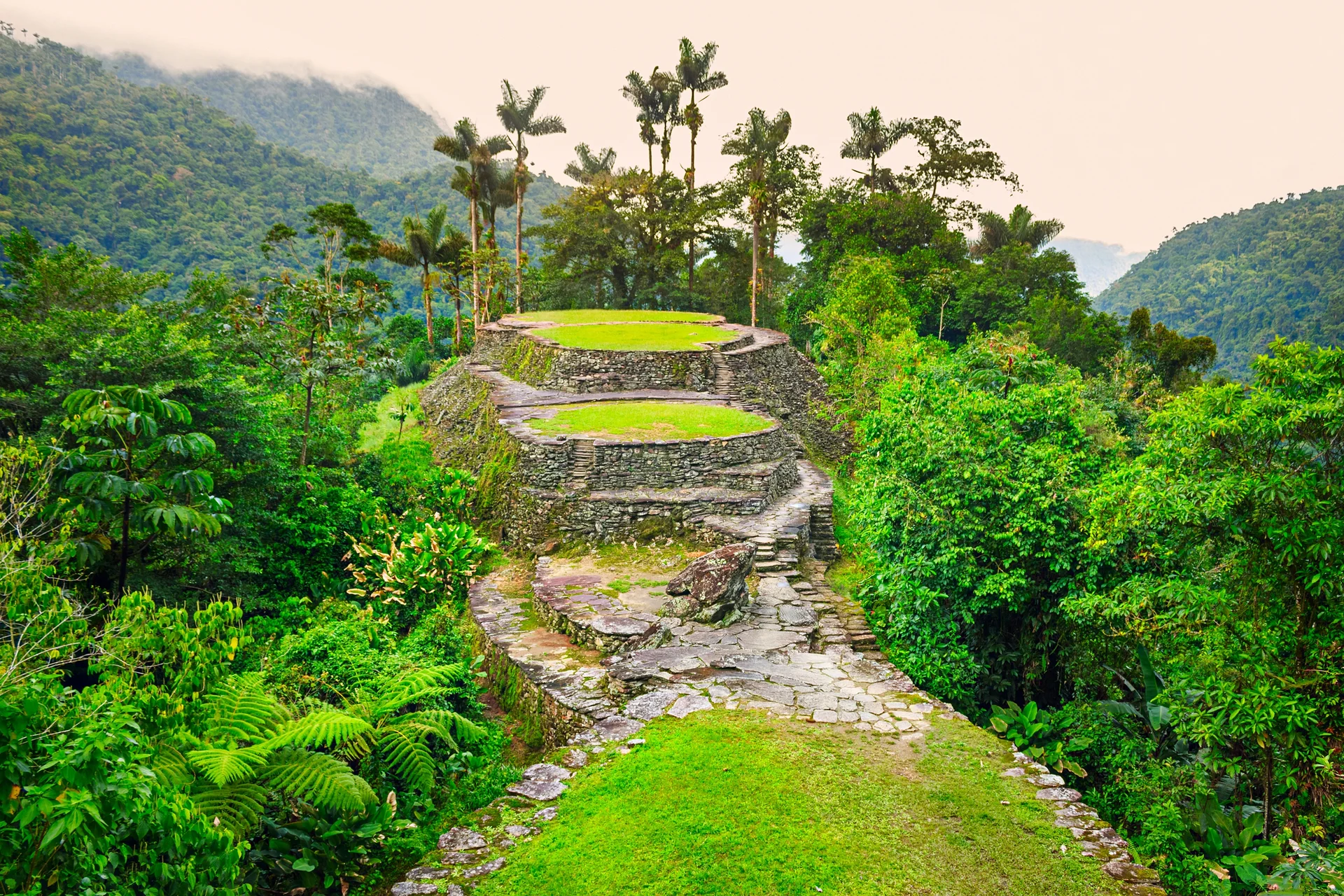
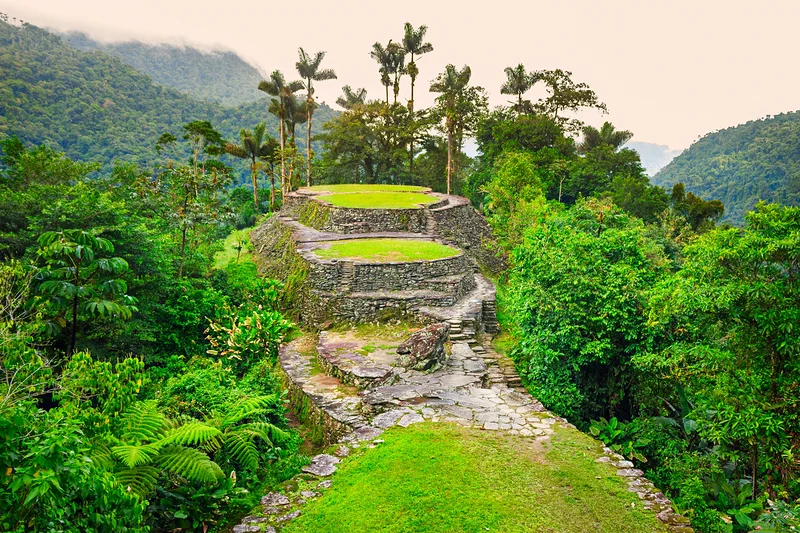
Hidden in the heights of the Sierra Nevada, this pre-Columbian city discovered in 1972 rivals Machu Picchu in beauty and mystery. The 4 to 6-day trek through dense jungle is an intense physical and spiritual experience. Ancient stone terraces, crystal-clear rivers, and encounters with Kogi indigenous communities punctuate this unforgettable adventure.
Do not underestimate the physical demand: 46 kilometers of hiking on rugged terrain in temperatures often exceeding 95°F with 90% humidity. You will spend your nights in rudimentary camps without hot water or electricity, but reaching the archaeological site makes the discomfort worthwhile.
Local tip: Book your trek at least a week in advance with a certified agency. Authorities cap access at 200 people per day to preserve the site.
Taganga: A Fishing Village in Transition
This small fishing port wedged between two arid hills still feels like the end of the world, despite the growing influx of backpackers drawn by the low cost of living. Colorful boats bob in the bay while fishermen mend nets on the pebble beach. The laid-back atmosphere appeals to those on a tight budget.
Taganga serves as a base to reach more isolated beaches like Playa Grande, accessible only by boat. The regional seafloor attracts beginner divers, with training centers offering introductory dives starting around 100,000 COP (approx. $25). However, water quality and visibility vary by season.
Where to Eat and Drink in Santa Marta
The costeña gastronomy blends African, indigenous, and Spanish influences into hearty, spicy dishes. Pescado frito (fried fish) served with patacones (smashed plantains) is the signature dish in oceanfront restaurants. Arepas de huevo sold on the street make for a filling and authentic breakfast.
The mercado público is packed with tropical fruits: corozo, níspero, and guanábana are available as fresh-pressed juices for a few thousand pesos. Bars along the callejón del correo serve local rum-based cocktails in a relaxed Caribbean setting. Be sure to try the coctél de camarones, shrimp marinated in lime and local spices.
Where to Stay in Santa Marta and Surrounding Areas
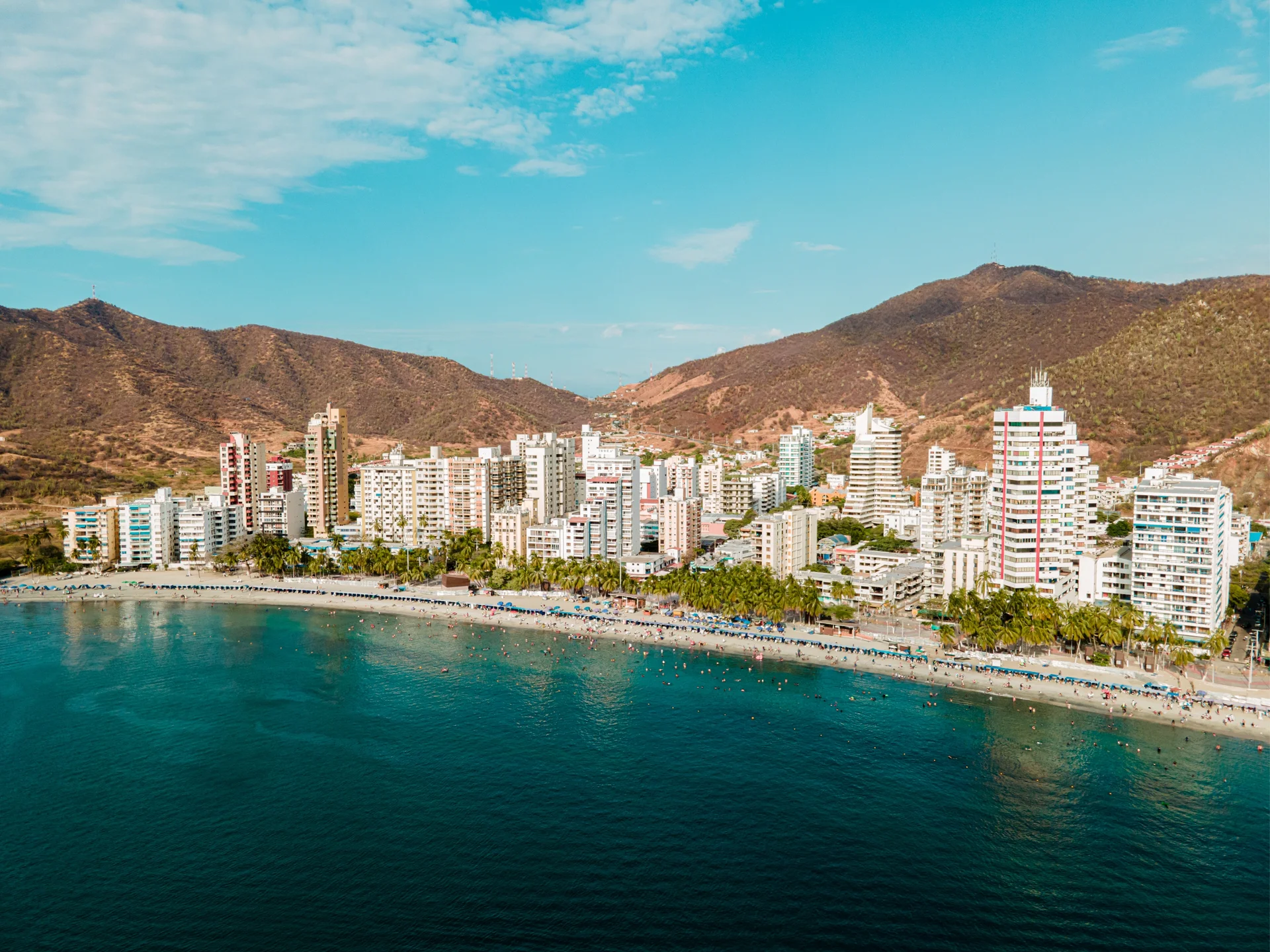
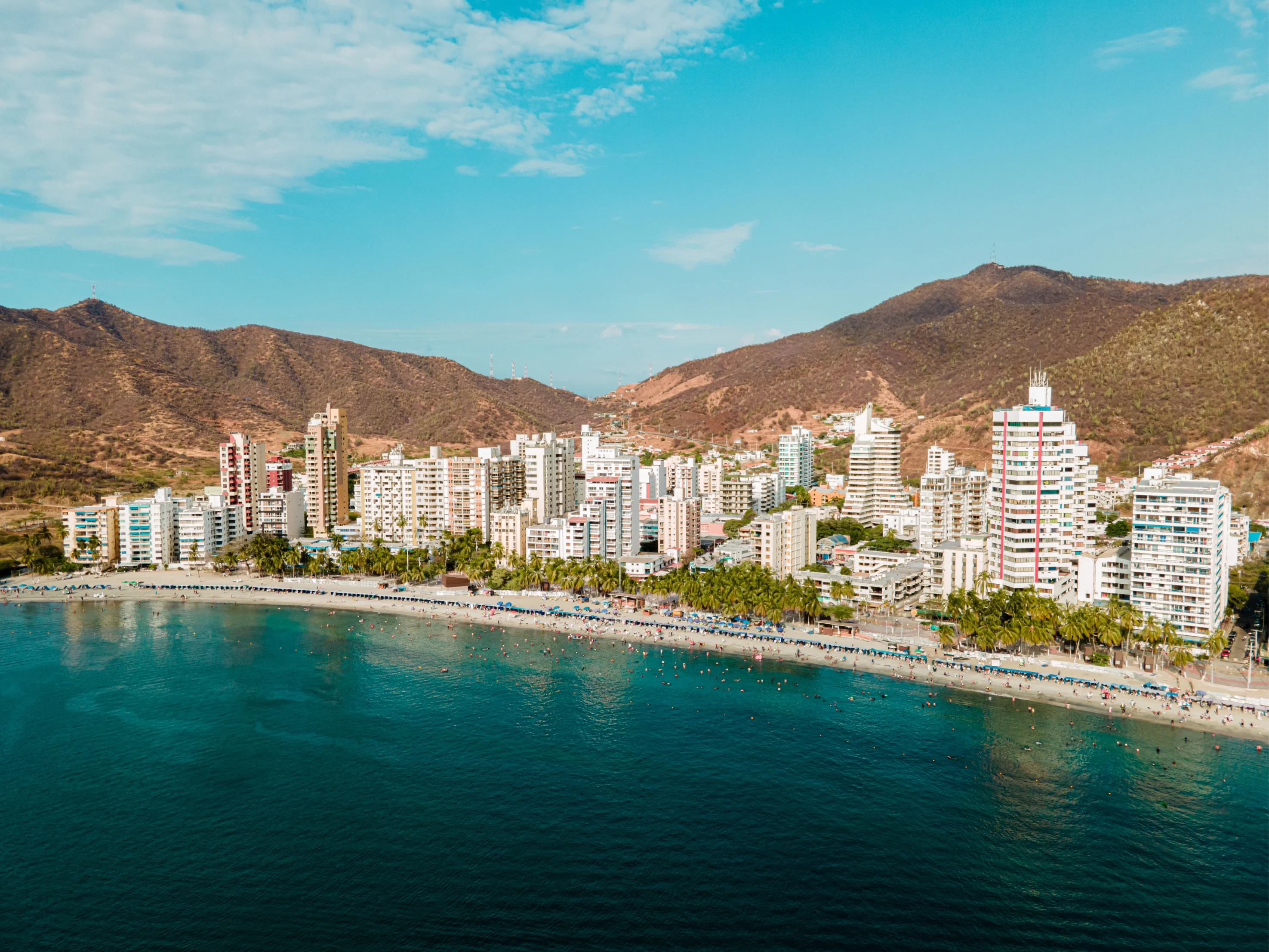
The centro histórico offers the best balance of authenticity and proximity to services. Boutique hotels in old colonial homes blend historical charm with modern comfort, ranging from 160,000 to 320,000 COP (approx. $40 to $80) per night. The Rodadero district hosts predictable, though less characterful, chain hotels facing the main beach.
Taganga attracts backpackers with hostels (32,000 to 60,000 COP, or $8 to $15 per dorm bed) and a casual vibe. For a unique experience, look into the ecohabs in Tayrona Park, which are ecological bungalows integrated into the tropical vegetation, though you must reserve them several weeks in advance.
Getting There and Getting Around
Simón Bolívar airport is 20 minutes from the city center. Direct flights connect Santa Marta to Bogotá (1h 30m), Medellín (1h 15m), and Cartagena (45m). A taxi from the airport costs about 25,000 COP (approx. $6), while local buses cost 2,000 COP (approx. $0.50) but include multiple stops.
From Cartagena, expect a 4-hour bus ride along a scenic coastal road for 25,000 COP (approx. $6). Companies like Berlinas and Copetran offer reliable, air-conditioned service. Around town, taxis are the most practical method (starting fare 6,000 COP, or $1.50), but always negotiate the price before getting in.
When to Go
The dry season from December to April offers the best conditions with less rain and more manageable temperatures. Avoid September and October at all costs, as these are the rainiest months when some trails in Tayrona Park close temporarily. January and February draw the most visitors, so book accommodations in advance and expect higher prices.