

La Paz at a glance
Sitting at 3,650 meters (11,975 feet) above sea level, La Paz holds the title of the world's highest capital city. This geographical extreme is only the starting point for exploring this massive city, which serves as the historical and cultural heart of Bolivia. For any traveler looking to understand the country, La Paz is a non-negotiable stop.
A canyon city beneath the peaks
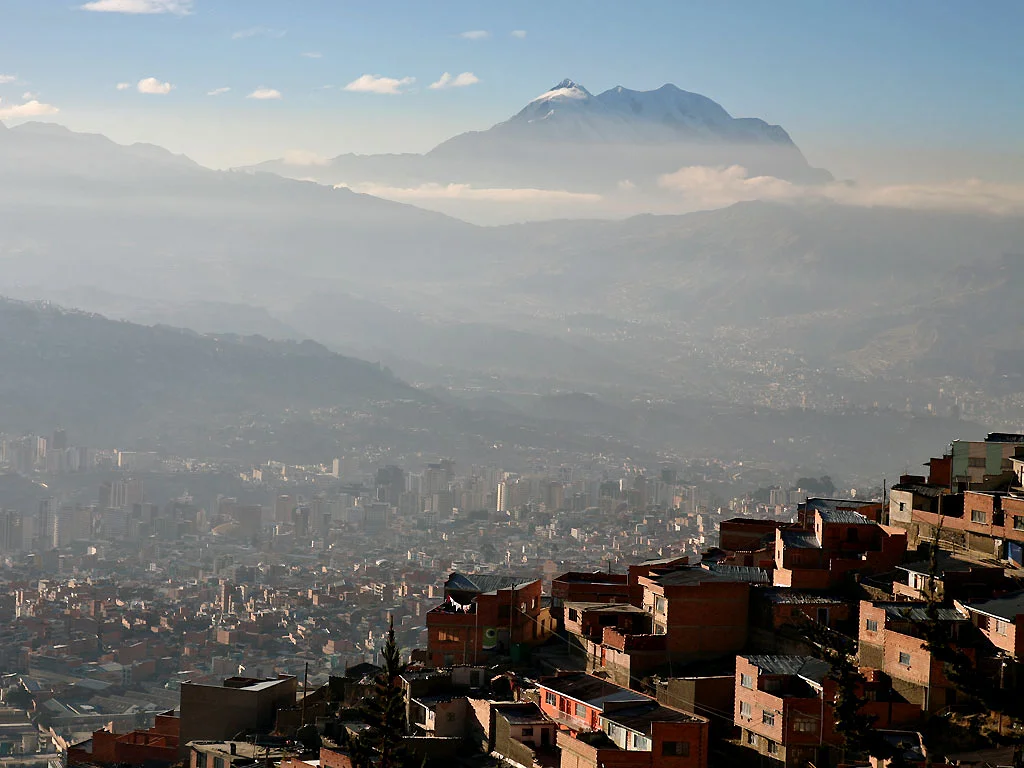
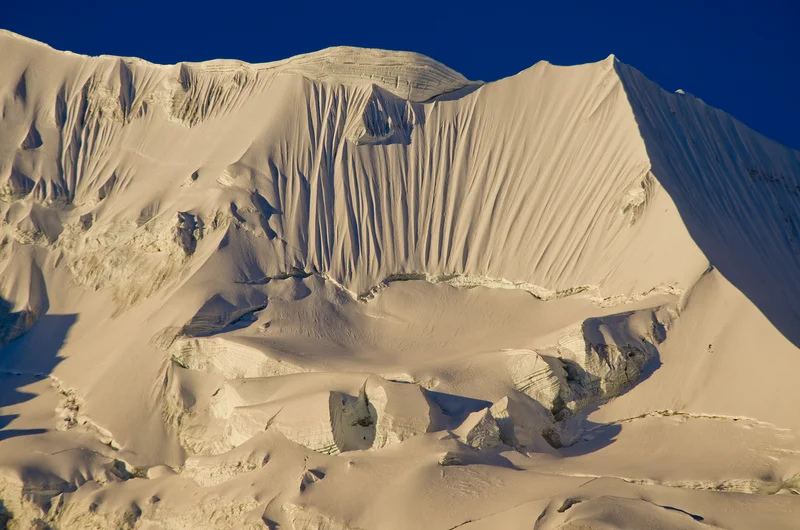
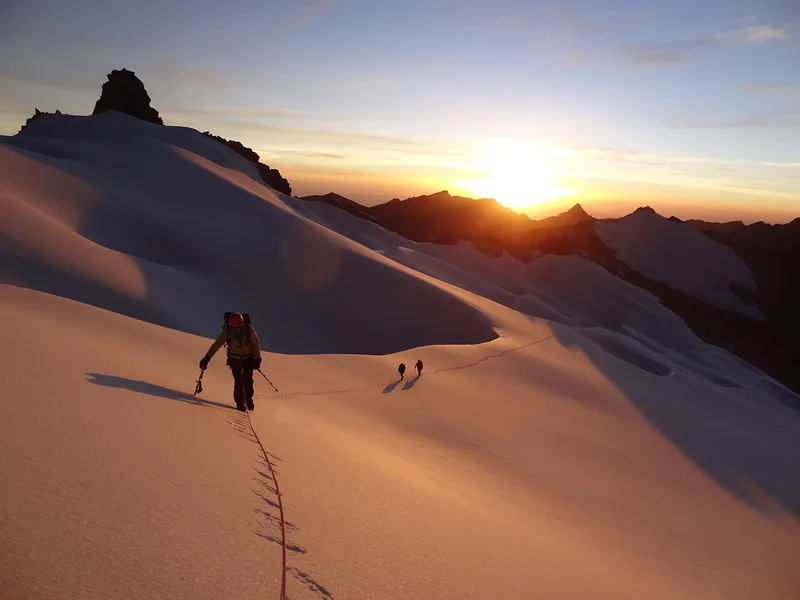
La Paz is built directly into a canyon, surrounded by towering Andean summits. Eternal snow glitters on peaks reaching over 6,000 meters (nearly 20,000 feet), including Mount Illimani, the city's iconic guardian. To grasp the scale of this sprawling metropolis, take the cable car system. For the price of a subway fare, roughly 3 BOB (about $0.40), you can glide over the dense urban basin with the Andes as a backdrop. For a quieter vantage point, head to Mirador Kili Kili on the east side of town. It offers a panoramic view of the entire city. At sunset, the light hits the mountain flanks, and the reflection off the snow creates a shifting array of colors. Once you have taken it all in, it is time to head back down to ground level and navigate the daily life of the locals.
An intense city with quiet corners
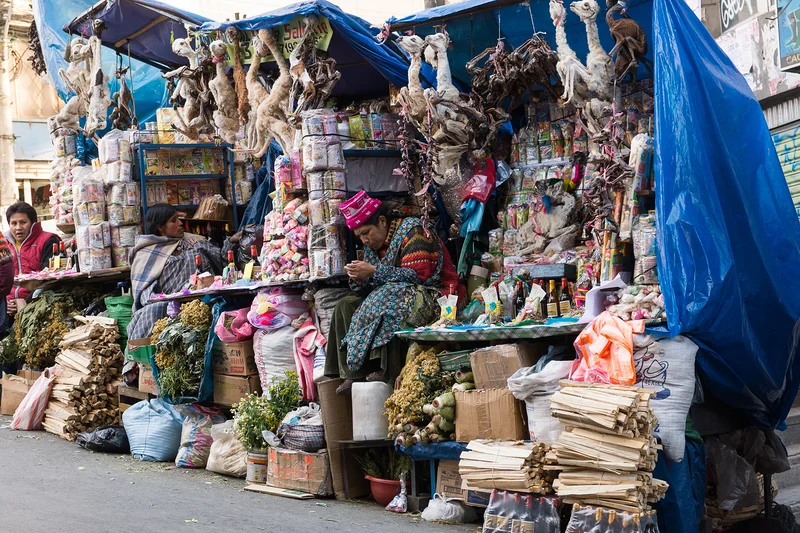
La Paz can be overwhelming at first. The pace of life is fast, loud, and constant. You will need to weave through endless street vendors and crowds that seem to congregate on every corner. To get a look at indigenous culture, visit the Mercado de las Brujas (Witches' Market), where you can find artifacts used in Aymara rituals, such as dried llama fetuses, which are traditional good-luck offerings for the Pachamama (Earth Goddess). We also recommend the Mercado Rodriguez, a more traditional market where you can find local ingredients and grab a quick meal at one of the many food stalls.
You cannot miss La Plaza San Francisco, the historical heart of the city, to admire its stunning church. Step inside to experience the gold-leaf interior and its quiet, heavy atmosphere. For a more bohemian vibe, head to Calle Jaén. This narrow, colonial-era street is a hidden treasure lined with elegant, historic houses. Take time to visit the five museums located on this street with a single combined ticket, and enjoy the bright colors and festive energy of the area. Finally, to recharge away from the downtown chaos, La Plaza Murillo is an ideal spot to grab an ice cream or try some salteñas (savory baked pastries filled with meat or vegetables and often spiced).
When to go
La Paz has a subtropical climate, meaning winters are dry and summers are rainy. We recommend visiting between September and December to avoid the coldest temperatures and the peak rainy season.
How to get there
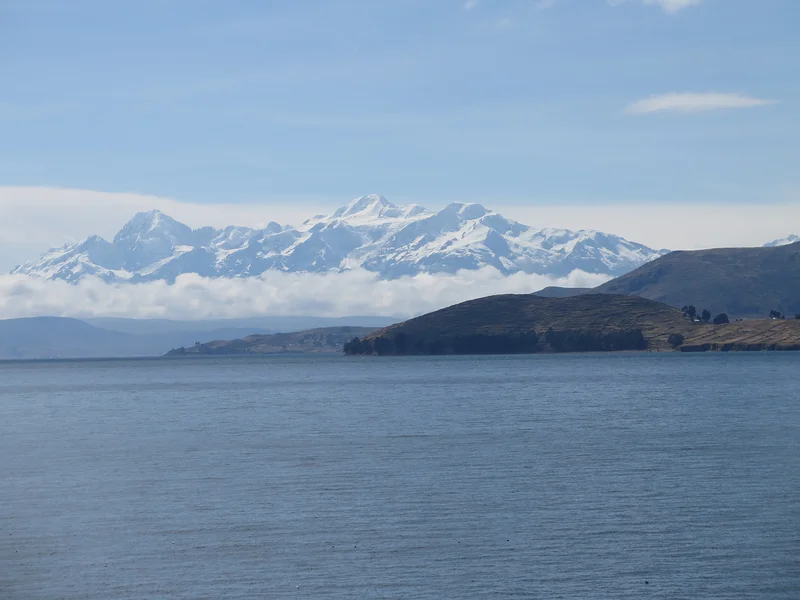
Bolivia has an extensive bus network that connects La Paz to every other major city in the country. You can also reach the city from Peru via Puno, located across Lake Titicaca about 250 kilometers (155 miles) away. If you are flying in from the United States, you will likely connect through major South American hubs like Lima or Bogotá, as there are no direct flights from the US to La Paz.
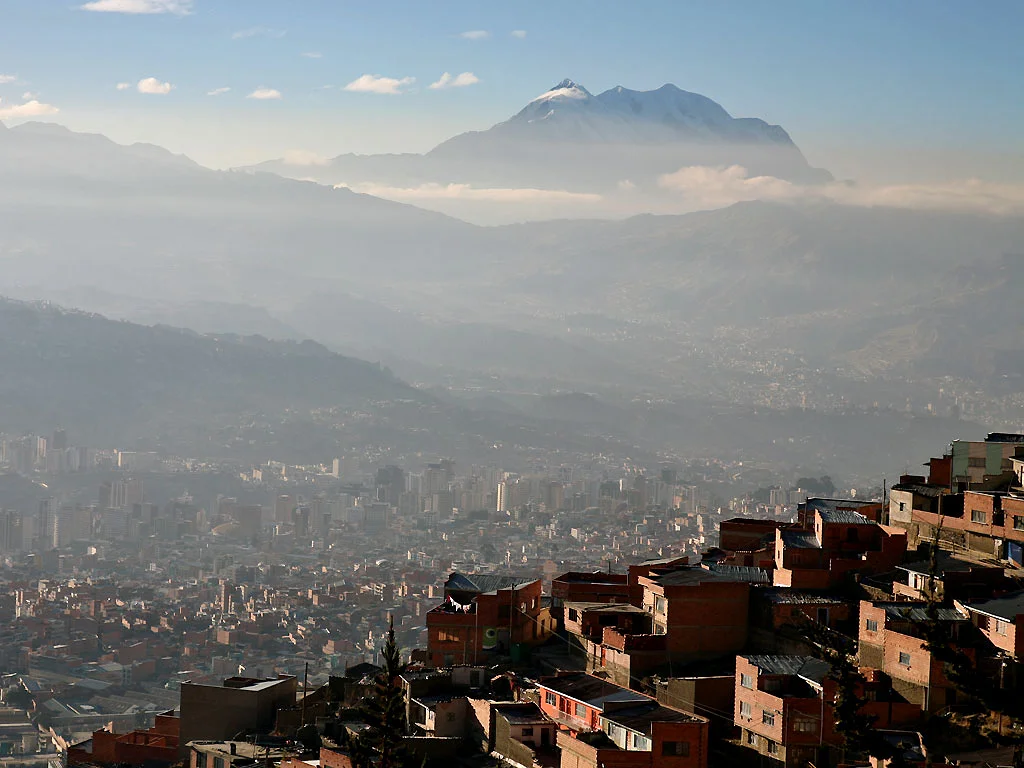
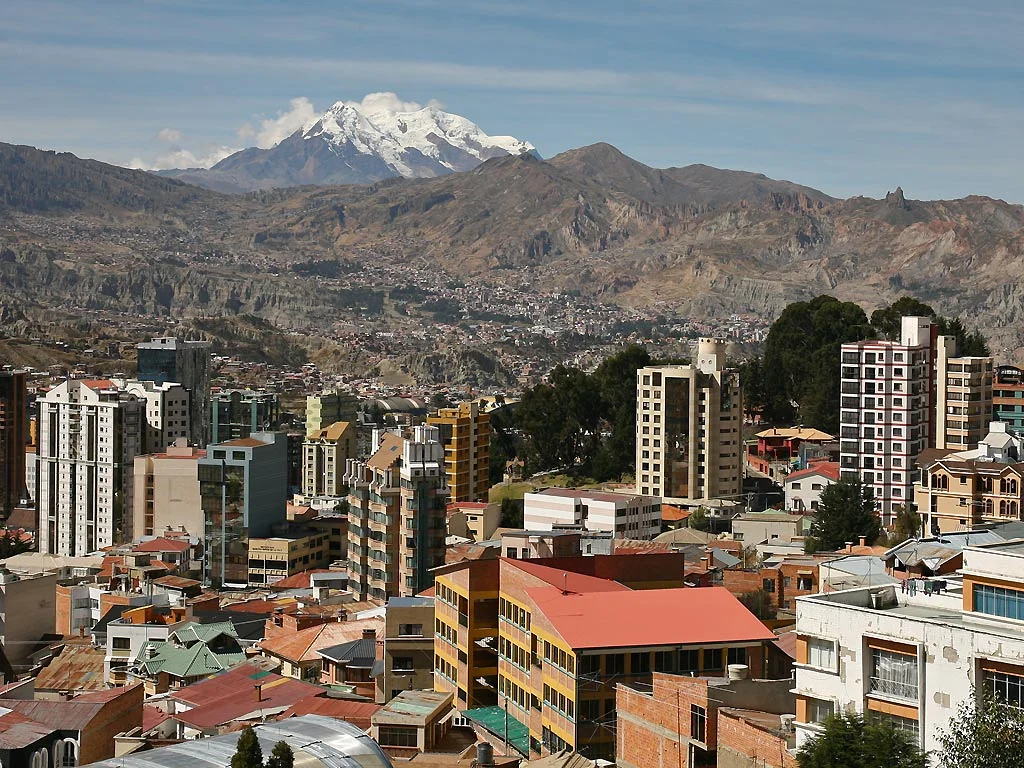
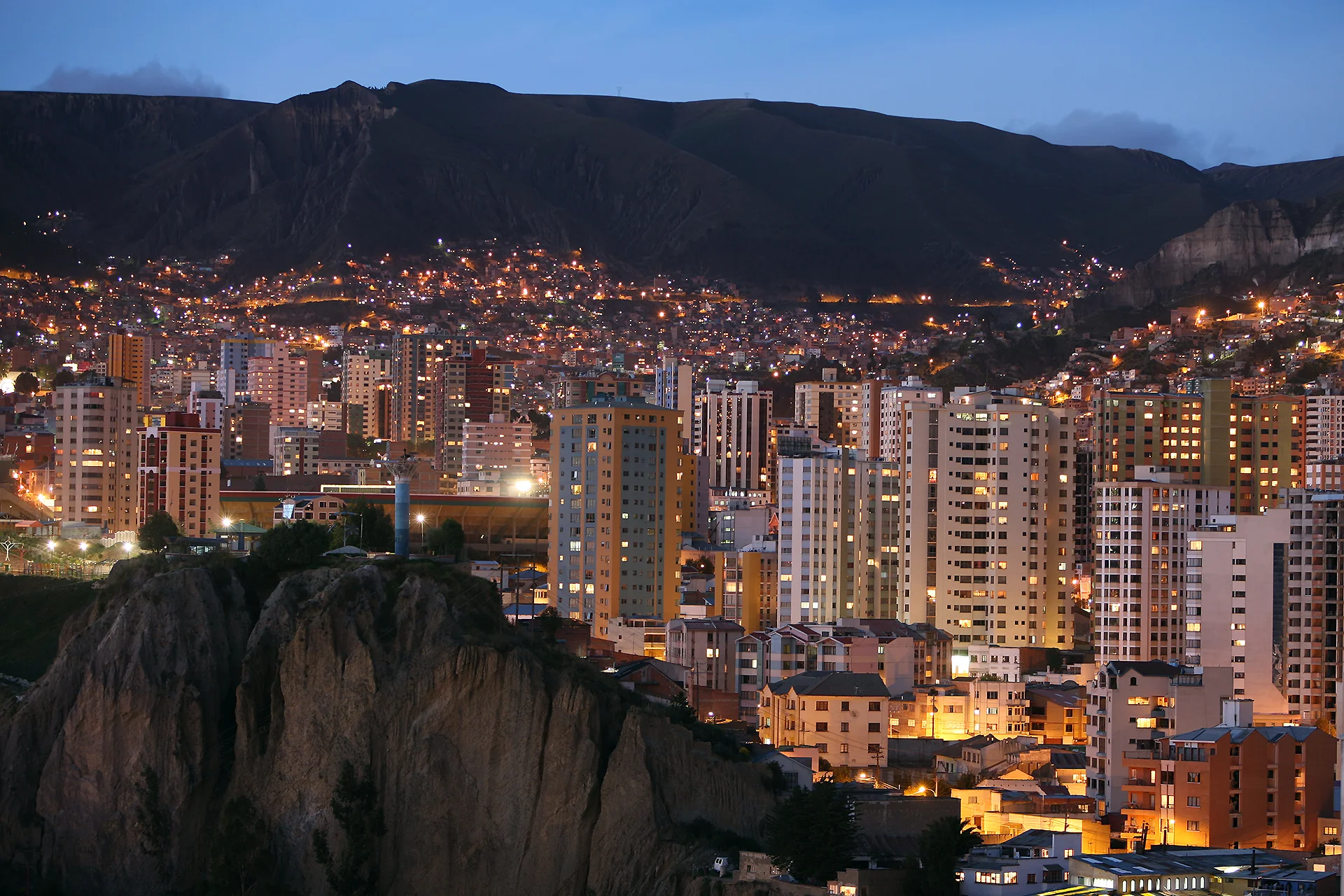
La Paz is a city that surprises you from the moment you land. You really get the feeling of being transported somewhere else.
The altitude hits you immediately at around 4,000 meters, and your eyes are quickly drawn to the mountains surrounding the city.
La Paz is a big metropolis, lively, noisy, sometimes intense, but full of contrasts.
You still see so many people wearing traditional clothing, which gives the whole place an authentic and unique charm. A totally refreshing experience.