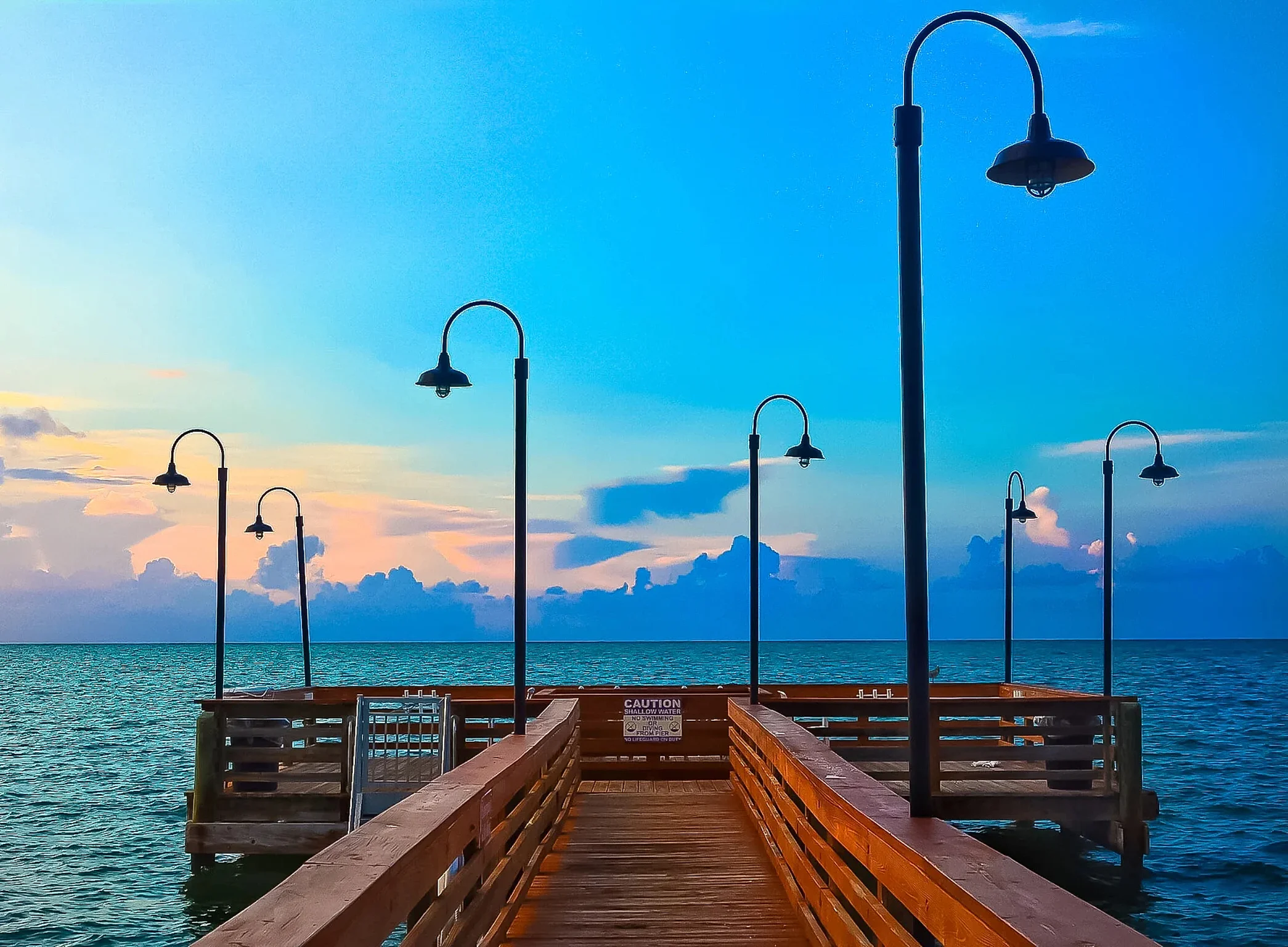
Islamorada, the Sport Fishing Capital of the World
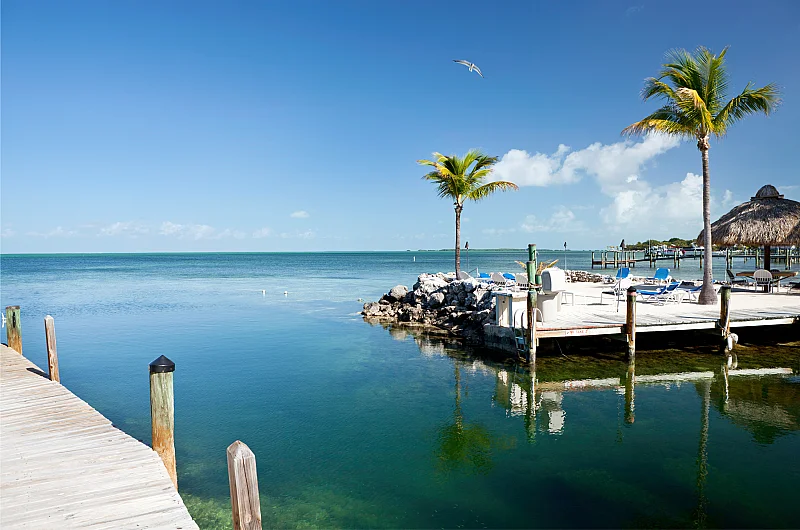
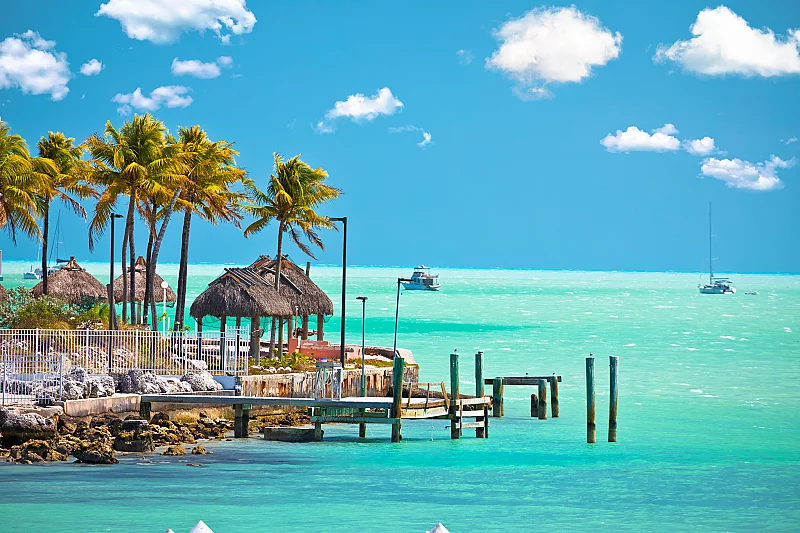
Driving down the US-1, water glimmers on both sides at once: the turquoise Gulf of Mexico on one hand, the deeper Atlantic on the other. Islamorada is not a traditional city, but rather a string of Florida Keys islands where life moves to the rhythm of the tides, charter boats, and fish house signs.
The village spans several islands, including Plantation Key, Windley Key, Upper Matecumbe Key, and Lower Matecumbe Key. Home to around 7,100 residents, it takes just minutes to drive through end to end, with no real downtown area.
Is This Destination Right for You?
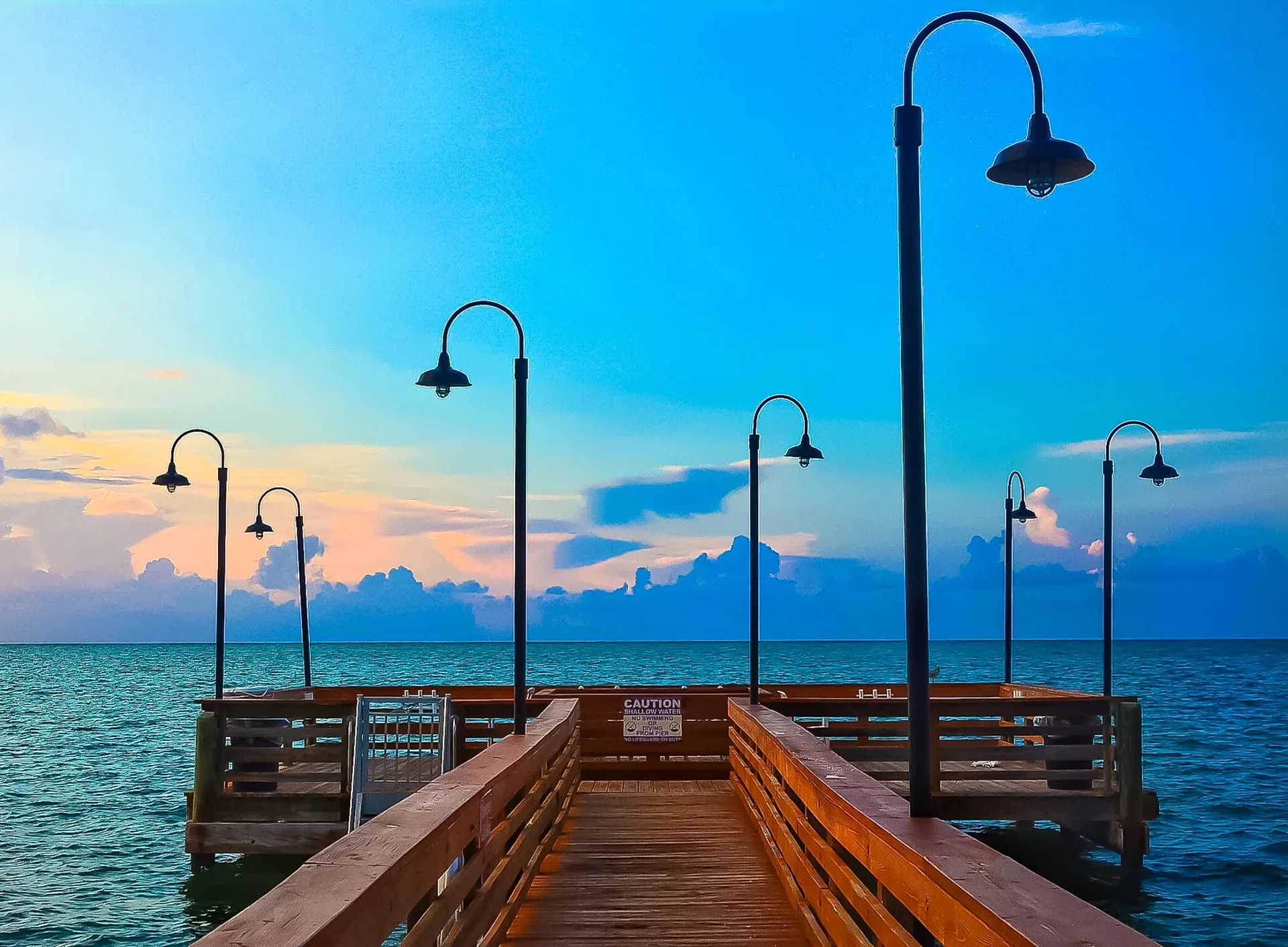
Islamorada is built for people who want to be on the water: deep-sea fishing, snorkeling, kayaking, and watching the sunset from a wooden dock. The pace is slow, days start early, and the daily agenda usually comes down to a boat charter, a seafood shack, and a cold drink by the bay.
If you are looking for late-night bars, museums, or a walkable downtown, you will be much happier in Key West, about an hour and a half further south.
Best suited for:
- Deep-sea fishing enthusiasts
- Snorkeling and kayaking fans
- Couples looking for a quiet getaway
- Road trippers exploring the Keys
Not recommended for:
- Nightlife seekers
- Travelers without a car
- Tight budgets
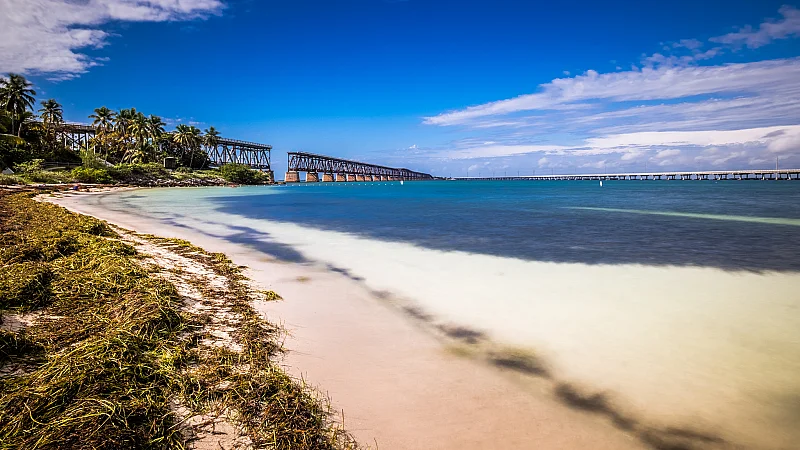
- Anyone looking for wide, sandy beaches
High Prices, Especially for Lodging
The Keys are expensive, and Islamorada is no exception. Rates swing wildly depending on the season and the type of lodging, so use these numbers as a general baseline.
| Expense | Range |
|---|---|
| Night in a motel or basic hotel | $150 to $250 |
| Night in an oceanfront resort | $350 and up |
| Meal at a seafood restaurant | $25 to $50 |
Estimated rates subject to change
Practical Realities
A car is essential here because everything stretches along the US-1, tracked by mile markers. Islamorada sits roughly between mile markers 90 and 70.
The climate is subtropical: hot and humid in the summer, with hurricane season running from June through November. English is spoken everywhere, and the area is very safe for visitors, provided you take standard precautions against the sun and mosquitoes.
On the Water: Fishing, Snorkeling, and Kayaking
Fishing, the Heart of the Town
Islamorada bills itself as the sport fishing capital of the world, and the local marinas line up dozens of captained charter boats. Head out into the deep blue for marlin, tuna, and dolphinfish, or stalk tarpon and bonefish across the shallow flats of the bay.
Snorkeling and Diving
The coral reef offshore is protected within the Florida Keys National Marine Sanctuary. Boat tours leave daily from local marinas out to the reefs, with the most famous underwater site being the submerged Christ of the Abyss statue up north near Key Largo.
Kayaking the Mangroves
On the bay side, calm waters and winding mangrove tunnels make for ideal kayaking and paddleboarding. Wildlife viewing is easy here, with wading birds, stingrays, and occasional manatees drifting past.
Friendly tip: book your fishing charter or snorkel trip several days in advance during peak season, and aim for morning departures when the water is calmer and the light is clearest.
Parks and Local History
Windley Key Fossil Reef Geological State Park
This compact state park preserves former quarries that supplied the coral rock used to build Henry Flagler's Overseas Railroad. The sheer cut stone walls reveal ancient fossilized corals, making for a quick, unique stop away from the boat traffic.
Anne's Beach
Located on Lower Matecumbe Key, Anne's Beach provides shallow, wadeable water and a wooden boardwalk winding through the mangroves. It is one of the few public beach areas in the region and a favorite with local families.
Where to Eat and Drink in Islamorada
Seafood is king here: grilled mahi-mahi, yellowtail snapper, and stone crab claws when they are in season. For dessert, the regional staple is key lime pie made with tart lime juice and a graham cracker crust.
Many local restaurants will cook your own catch if you bring them the fish you reeled in earlier that day, a fun local tradition worth asking about ahead of time. Bayfront patios make prime spots for sunset cocktails.
Where to Stay in Islamorada and Nearby
Lodging options range from sprawling oceanfront resorts and vintage roadside motels to private vacation rentals. Bayfront properties offer incredible sunset views, while ocean-side spots put you closer to the offshore boat launches.
If the sticker shock on Islamorada hotels is too high, Key Largo and Marathon sit just half an hour away in either direction and often feature slightly lower rates.
Getting to Islamorada
The main arrival hub is Miami, about a 1.5 to 2-hour drive south via the US-1 depending on traffic. Rent a car right at the airport as soon as you touch down.
Getting Around Islamorada
A vehicle is your main lifeline because distances between spots are long and nothing is walkable from end to end. Parking is usually straightforward, except around busy marinas on weekend afternoons.
Traffic on the US-1 can crawl during weekends and holidays, especially heading south on Friday evenings and north on Sunday afternoons.
When to Go
From December through April, the weather is drier, cooler, and comfortable, though hotel rates peak. Summer brings high heat, humidity, and afternoon thunderstorms, alongside the Atlantic hurricane season running from June to November, with peak activity usually hitting around September.