Big Pine Key, home of the miniature deer
In the early morning, US-1 is almost silent as a creature the size of a large dog steps out from the pine trees. It is a Key deer, a tiny subspecies found nowhere else in the world except the Florida Keys. Here, the archipelago shifts into a slower gear and wildlife takes priority.
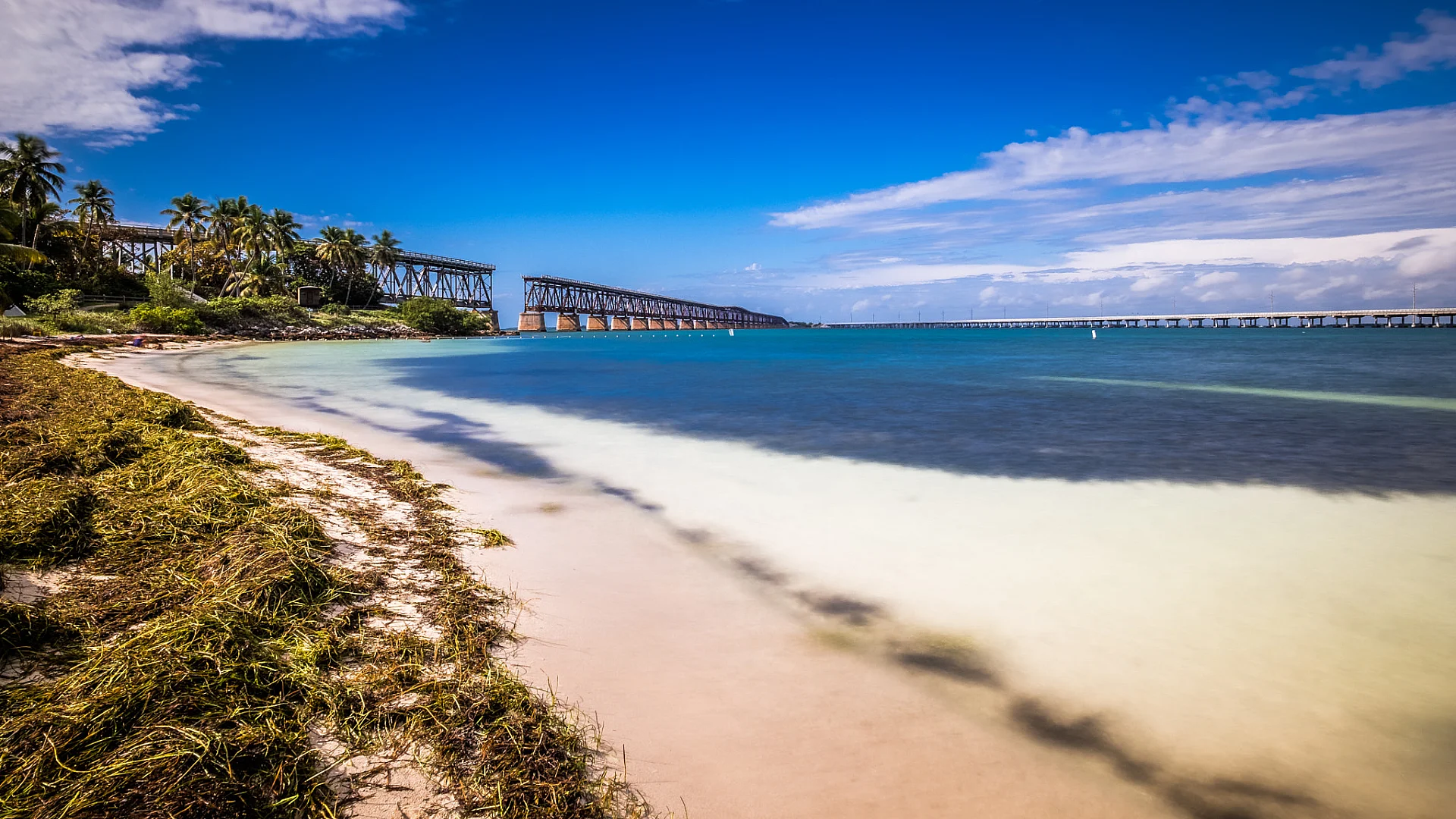
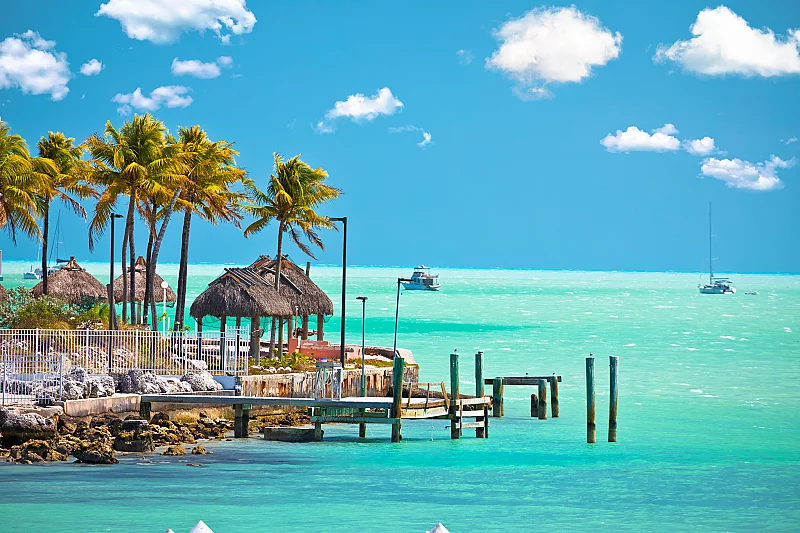
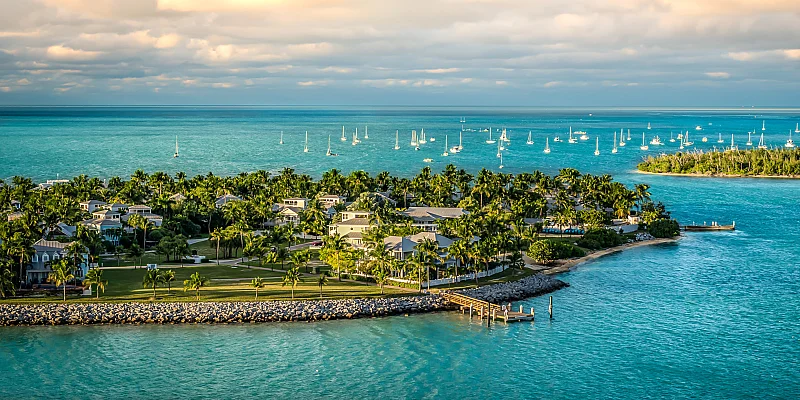
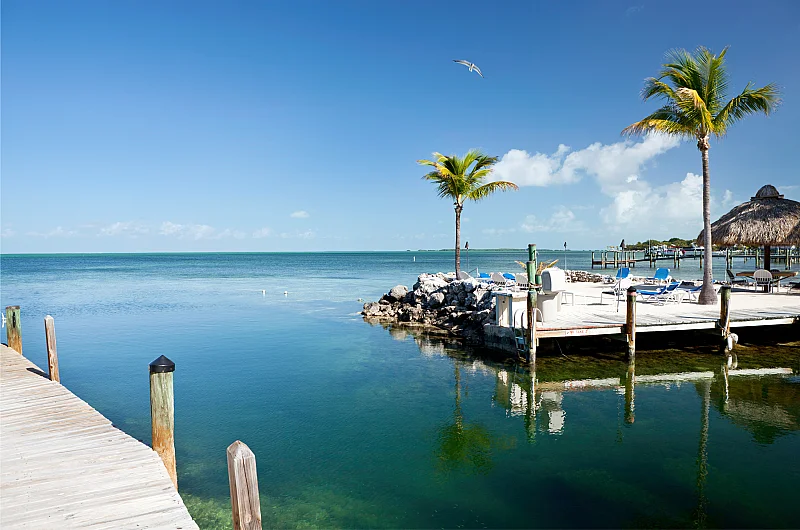
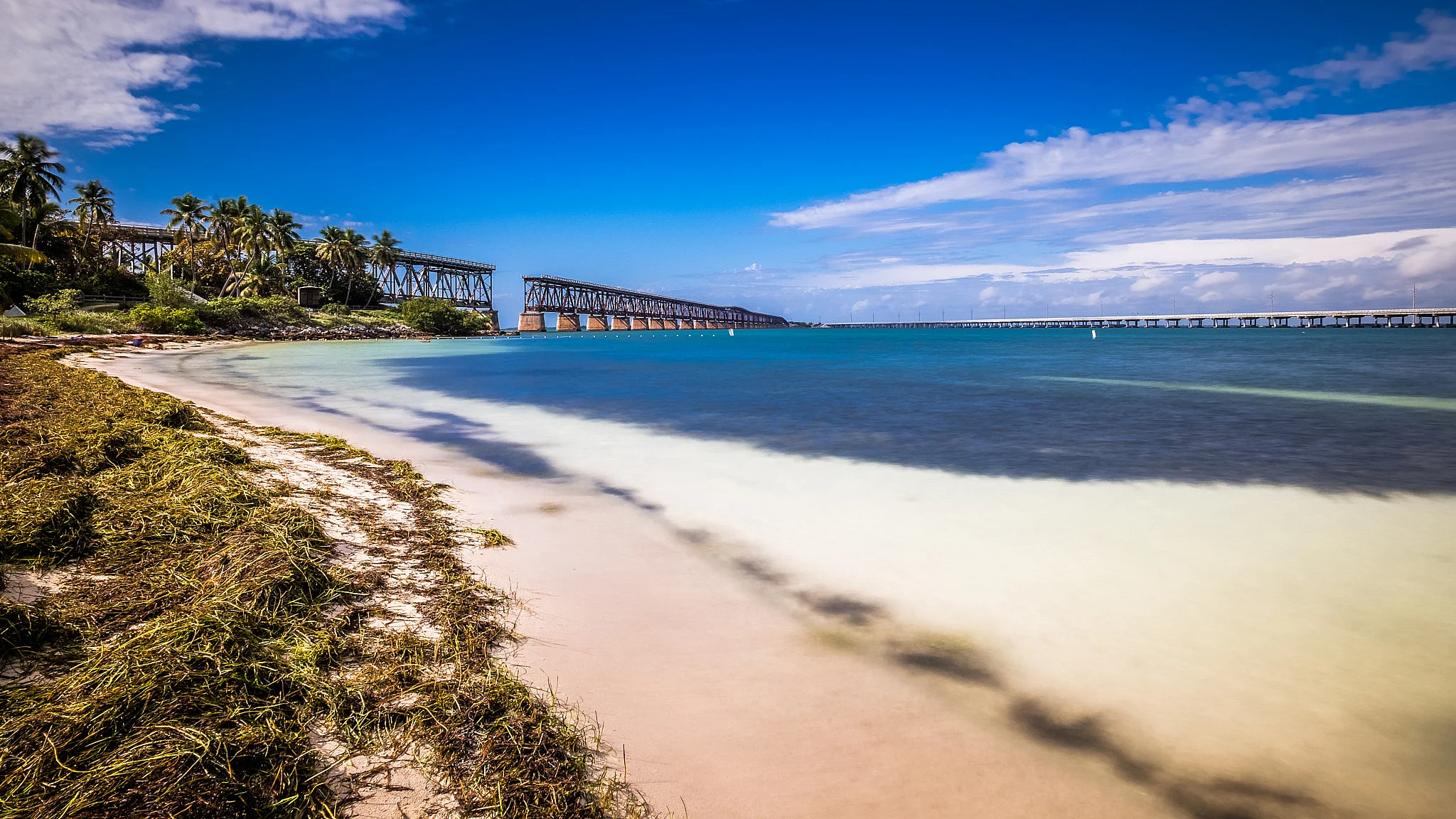
Big Pine Key sits in the Lower Keys, right between Marathon and Key West. Pine rocklands sit alongside dense mangroves and the turquoise waters of the Gulf of Mexico.
Is this destination for you?
If you love nature, kayaking, wildlife viewing, and quiet evenings away from the crowds, Big Pine Key makes a peaceful home base. The Lower Keys demand a slower pace.
If you are looking for bustling bars, shopping, or nightlife, keep driving. We will be upfront about it: the island is worth a day or two, and its primary charm is that quiet atmosphere.
Great for:
- Nature and wildlife enthusiasts
- Kayakers and anglers
- Travelers wanting a quiet base before or after Key West
Not so great for:
- Anyone looking for wide sandy beaches
- Nightlife seekers
- Travelers without a car
Budget planning
The Keys are expensive, particularly during peak season. Lodging takes up the biggest share of your spending, and rates spike significantly in the winter months.
Practical realities
The island stretches along US-1, known locally as the Overseas Highway, and having a car is essential for getting around. Shops and restaurants cluster along a short stretch of the road. English is spoken everywhere, and safety is not a major concern.
Pay strict attention to speed limits on the island roads. They are heavily reduced to protect the Key deer, which tend to cross most frequently at dawn and dusk. Never feed the wildlife.
Wildlife viewing
National Key Deer Refuge
The National Key Deer Refuge protects the habitat of these miniature deer along with other native Key species. The best times for sightings are early morning and late afternoon along the pine-shaded roadsides.
Blue Hole
The Blue Hole is a former limestone rock quarry filled with fresh water located within the refuge. It draws alligators, turtles, and wading birds. A short boardwalk lets you view them without disturbing the habitat.
Friendly tip: Arrive early when the light is low and the midday heat has not yet settled over the pinelands. Your chances of spotting the deer are much higher than at noon.
On the water
The mangroves and calm backcountry waters surrounding the island are ideal for kayaking and paddleboarding. The Lower Keys are also well known for flats fishing and snorkeling trips to nearby reefs.
Where to eat and drink in Big Pine Key
Local menus revolve around seafood: grilled fish, conch fritters, and key lime pie, the iconic dessert of the Florida Keys. Dining spots are casual, laid-back, and often feature outdoor seating overlooking the water.
Where to stay in Big Pine Key and nearby
Lodging mainly consists of small motels, vacation rental homes, and campgrounds. Book well in advance for winter visits. If you cannot find availability here, Marathon and Key West offer a much broader selection.
How to get to Big Pine Key
The easiest approach is to fly into Miami and rent a car for the drive south. Expect roughly 2.5 to 3 hours on US-1 depending on traffic, covering about 150 km. Key West sits just 30 km to the southwest.
How to get around Big Pine Key
A car is non-negotiable since distances are spread out and public transit options are sparse. Drive slowly, especially after dark, when deer can dart onto the road without warning.
When to go
Winter and spring bring drier, milder weather, but higher price tags. Summer is hot and humid, and hurricane season runs from June through November, so keep an eye on the forecast before you head down.