Key Largo, the Gateway to the Florida Keys
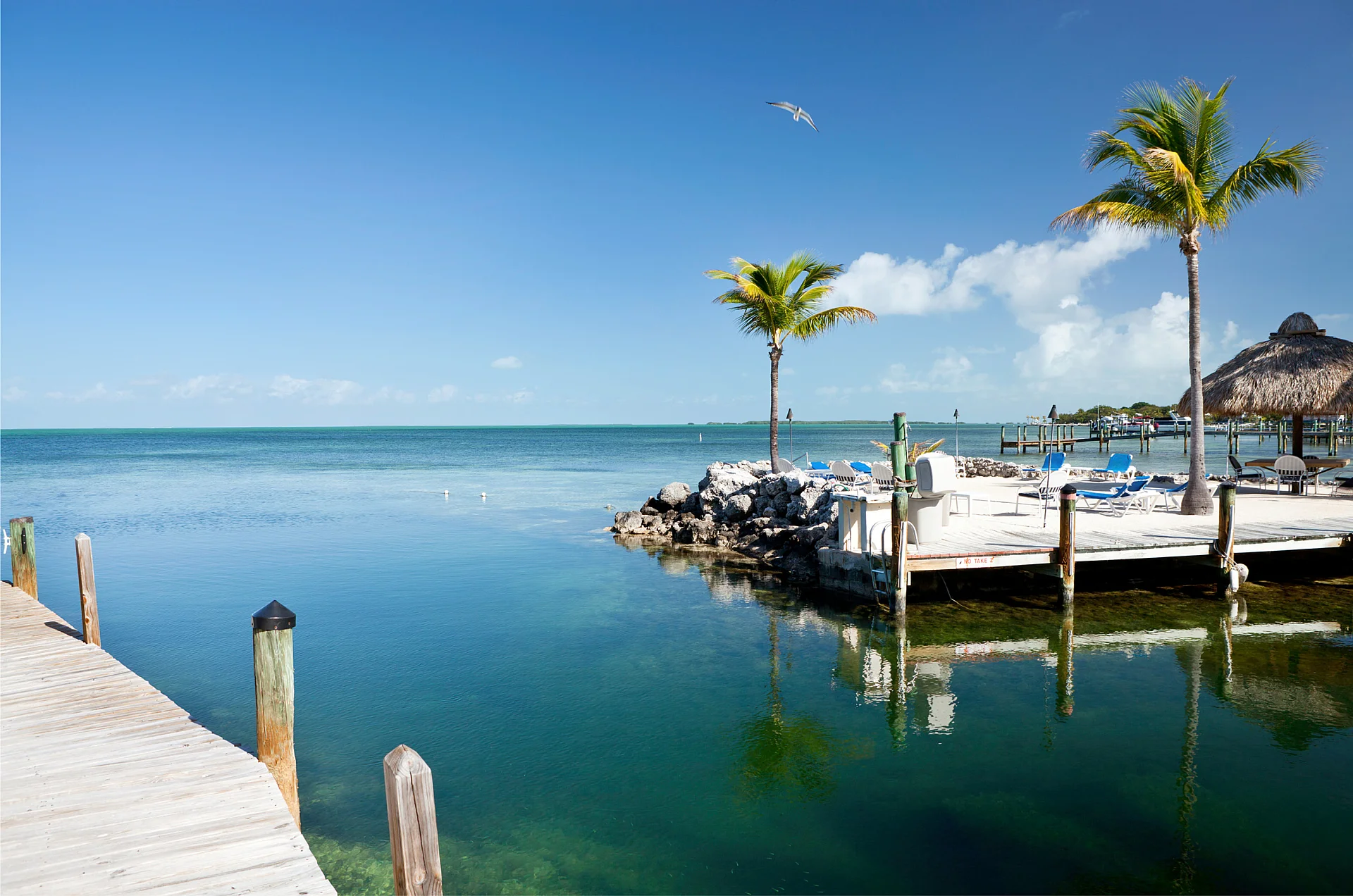
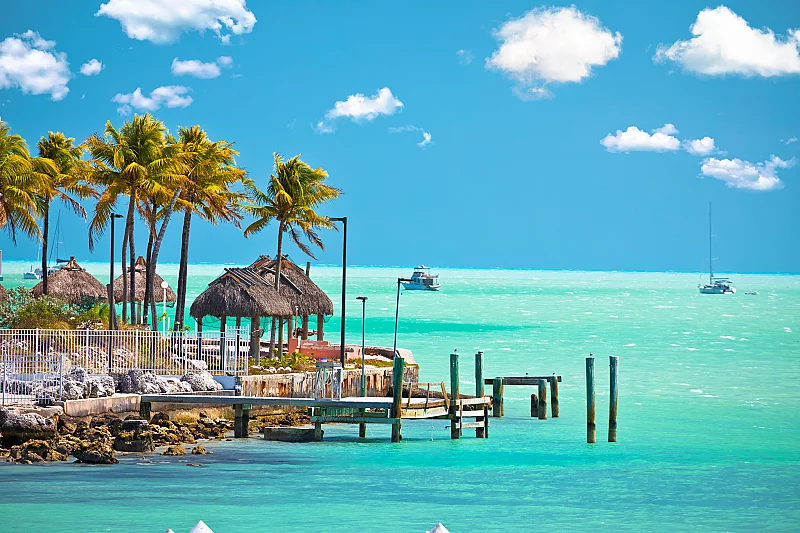
The sign marks mile marker 106, and suddenly the horizon opens up on both sides of the highway. Florida Bay sits on one side, the Atlantic on the other, and right beneath the surface lies the only living coral reef in the continental United States.
Life here moves to the rhythm of the tides, early morning dive boats heading out, and pelicans perched on wooden docks.
Is This Destination Right for You?
Key Largo rewards anyone who loves being in the water. Scuba diving, snorkeling, kayaking through the mangroves, and fishing form the core of the experience, with nearly everything happening on or below the surface. The pace is slow, evenings wrap up early, and that is precisely the point.
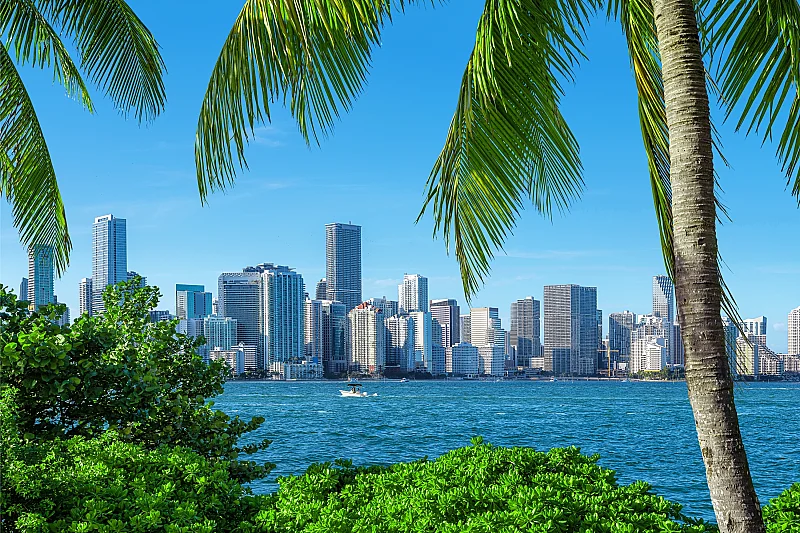
It tends to disappoint travelers expecting a bustling downtown core to explore, museums, and late-night nightlife. Instead, you get a long stretch of highway lined with marinas, dive shops, and seafood spots. White sandy beaches are few and far between. To put it bluntly, this is not Miami Beach.
Best suited for:
- Divers and snorkelers, from beginners to advanced
- Kayakers, anglers, and nature enthusiasts
- Road-trippers heading down to Key West
- Couples looking to unwind
Not recommended for:
- Travelers dreaming of expansive sandy beaches
- Nightlife seekers
- Car-free travelers
- Tight budgets during peak season
Steep Prices in Peak Season
The Keys run significantly higher than mainland Florida, particularly in the winter. Boat charters and water excursions make up the largest part of the tab.
Practical Realities
US-1, known locally as the Overseas Highway, serves as the sole thoroughfare. Everything sits right along this stretch, making a car practically mandatory. English is the primary language, with Spanish widely understood. The area is generally safe, provided you take standard precautions such as wearing sunscreen, staying hydrated, and following your dive master's instructions.
One key factor to keep in mind: hurricane season runs from June through November. Evacuations can happen, making flexible travel insurance a smart investment.
Below the Surface: Diving and Snorkeling
John Pennekamp Coral Reef State Park
Located at mile marker 102.5, this park protects a massive swathe of the offshore reef. You can book boat snorkeling and dive trips, rent kayaks, and spot parrotfish, barracudas, and coral straight from the water. An on-site aquarium helps you understand the local marine ecosystem before you head out.
Christ of the Abyss
This bronze submerged statue of Christ rests in shallow water at the Key Largo Dry Rocks reef. It stands as one of the top snorkeling draws in the area, thanks to generally clear water that makes the statue visible from the surface on clear days.
Friendly tip: book your boat trip at least a day in advance during peak season, and aim for the early morning departure. The wind is usually lighter and the water calmer.
Mangroves and Calm Waters
On the bay side, mangroves create a maze of quiet canals best explored by kayak. The silence is profound, broken only by a splashing fish or a taking-flight heron. Pennekamp Park maintains a dedicated mangrove kayak trail, which is your best option for experiencing the backcountry without motor noise.
Cinema and History
The town's name remains forever linked to the 1948 film Key Largo starring Humphrey Bogart and Lauren Bacall, even though most of it was shot on a studio lot. The actual boat used in The African Queen, another Bogart classic, sits docked in a local marina.
Where to Eat and Drink in Key Largo
Local seafood anchors every menu: grilled mahi-mahi, snapper sandwiches, and stone crab when it is in season from October through May. For dessert, a slice of tart key lime pie is non-negotiable.
Waterfront spots with dockside patios offer the best views at sunset, though you pay a premium for the scenery.
Where to Stay in Key Largo and Beyond
Lodging options range from classic roadside motels to beachfront resorts and canal-front home rentals. Some properties feature private docks and built-in dive packages. For longer stays or group travel, renting a house along the canals often proves more economical.
Continuing south, Islamorada offers a different flavor of the Keys, focusing heavily on sportfishing.
How to Get to Key Largo
The most convenient airport is Miami (MIA). From there, expect a drive of about 1h15 to 1h30, covering roughly 90 km down US-1. Fort Lauderdale serves as a slightly further alternative.
Picking up a rental car at the airport is the easiest approach, especially since you will need it for the rest of your journey down the Keys.
How to Get Around Key Largo
The town stretches for miles along US-1, making walking between sights impractical. A car is the standard way to get around. Taxis and rideshares exist but run expensive and less reliably during off-peak hours.
Parking lots at major attractions are usually free or inexpensive, though they fill up fast on weekends.
When to Go
From December through April, the weather is dry and pleasant, but prices spike. Spring offers a solid compromise between weather and crowds. Summer brings heat, humidity, and afternoon storms along with very warm water for diving, while the peak of hurricane season hits from August through October, a window best avoided if you want guaranteed smooth sailing.