
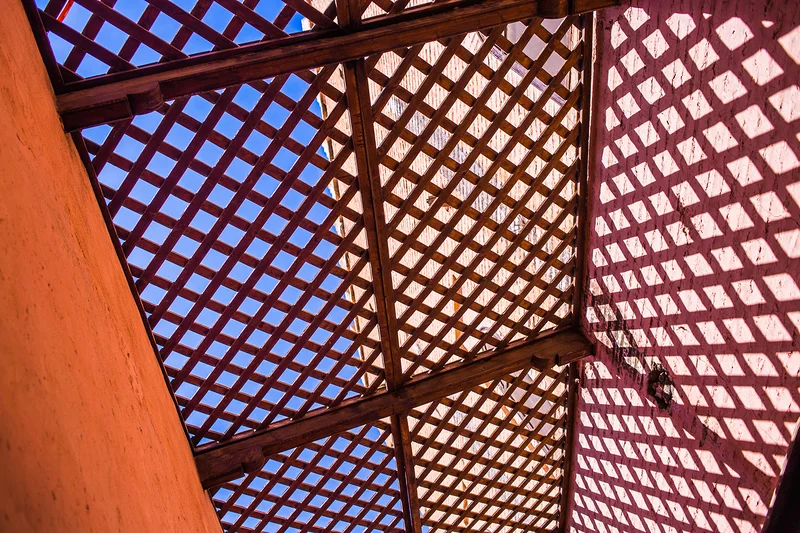
Marrakech, where chaos becomes an art form
The scent hits you before your eyes even adjust to the light. It is a blend of toasted cumin, tanned leather, and orange blossoms, carried on a breeze that feels like it drifted in from another century. In the narrow alleys of the medina, a khobz vendor carries a board piled high with hot loaves toward the local communal oven.
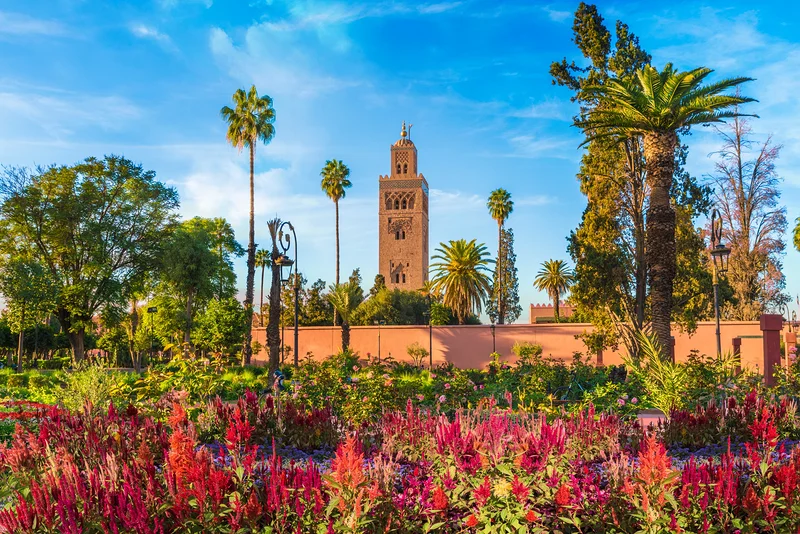
A few yards away, the roar of a moped drowns out the call to prayer echoing from the minaret of the Koutoubia. The Red City has existed for nearly a millennium, and it stubbornly refuses to slow down.
A city that leaves no one indifferent
This destination is for those who enjoy having their habits shaken up. If you are a fan of the unexpected, chance encounters, and spontaneity, you will be rewarded. Those with a passion for craftsmanship, gastronomy, and architecture will find an inexhaustible playground here.
Let us be clear, the city can be exhausting. The constant solicitation from vendors in the souks, the fake guides appearing at every intersection, the summer heat, and the unrelenting noise require some mental preparation. Travelers seeking total tranquility might find the experience grueling. Your GPS will often lose its bearings in the labyrinth of the medina, and getting lost is simply part of the trip.
A very accessible budget
Expect to spend between 400 and 800 MAD per day (about $40 to $80) for a comfortable stay including a riad, three meals, and a few sights. A hostel dorm costs 80 to 150 MAD a night (about $8 to $15), while a charming riad runs between 400 and 800 MAD (about $40 to $80). A tajine in a local eatery costs 30 to 50 MAD (about $3 to $5).
Jemaa el-Fna and the medina: the beating heart
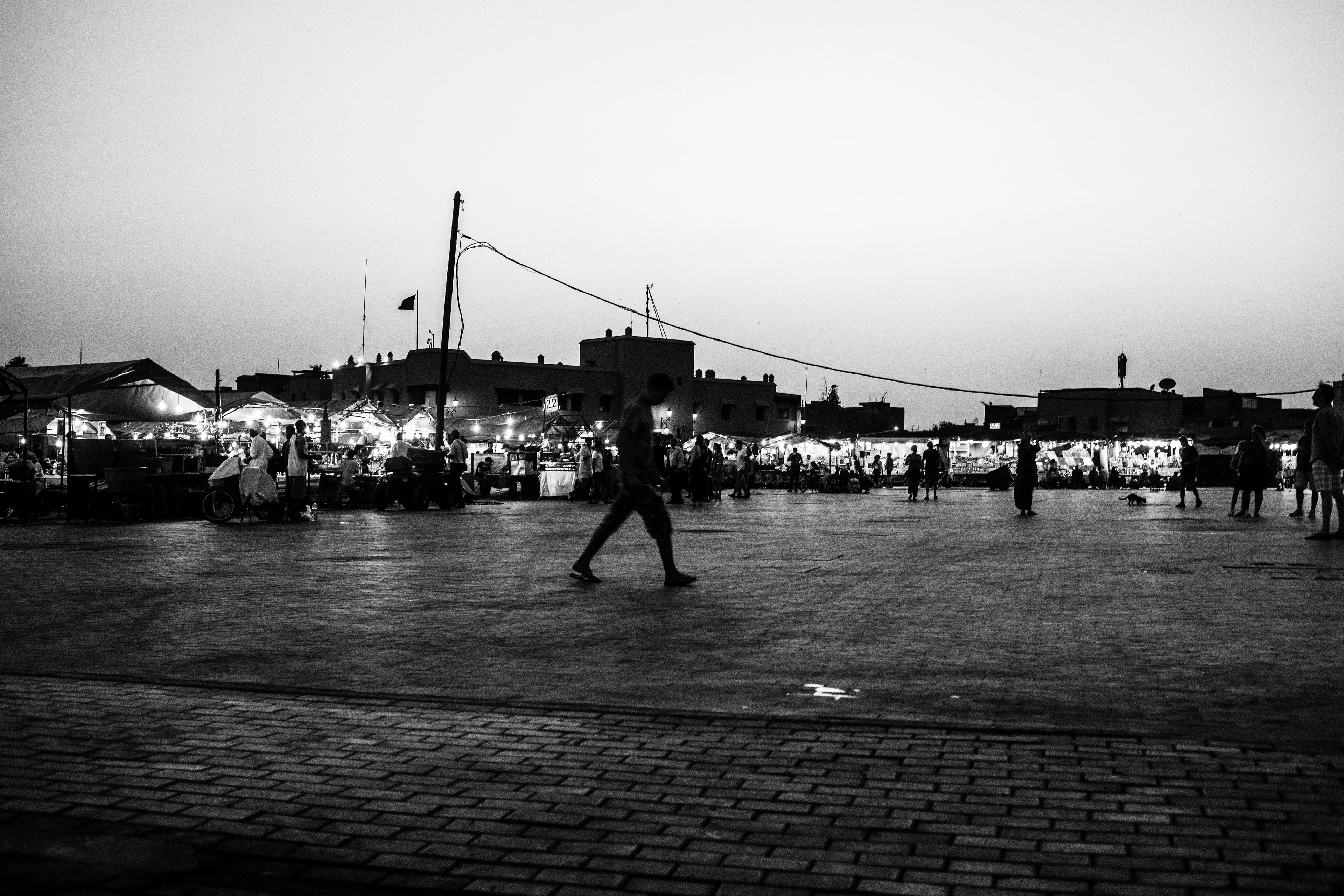
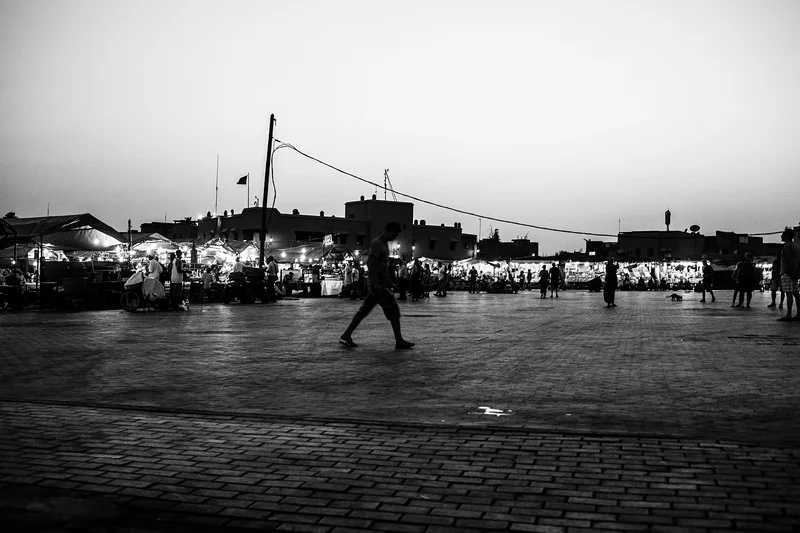
Everything starts and ends on this square, a UNESCO Intangible Cultural Heritage site. In the morning, it belongs to the vendors selling freshly squeezed orange juice for 4 MAD a glass (about $0.40). From 5:00 PM, it transforms. Storytellers, gnawa musicians, snake charmers, and food stalls take over the space. It might look like a tourist trap, but local Moroccan families dine there every night.
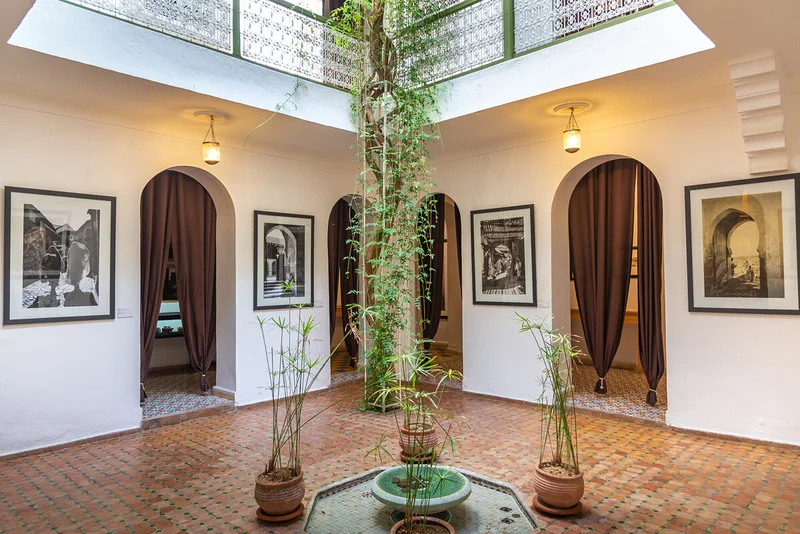
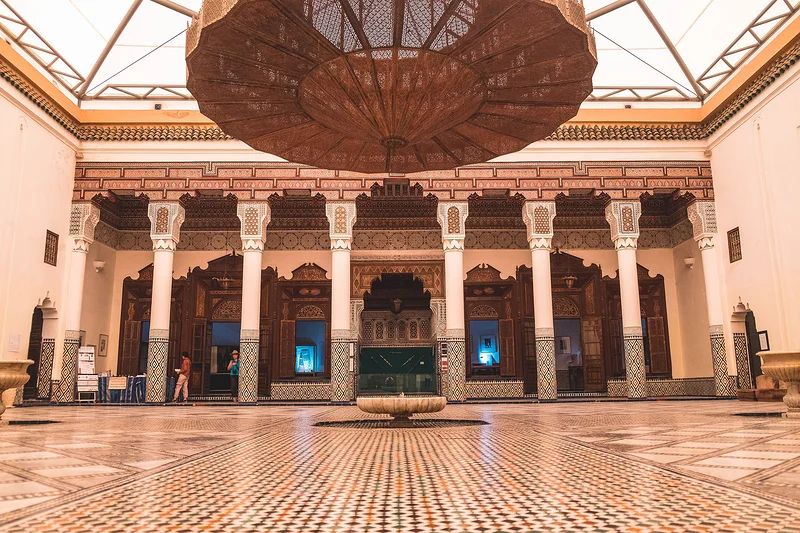
The medina is a living organism. Behind anonymous doors hide riads with interior courtyards covered in zelliges, those hand-painted mosaic tiles. Each neighborhood has its own communal bread oven where locals bring their dough to bake, along with a hammam and a grocer. Artisans still work leather, copper, and cedar wood using techniques passed down for generations.
Pro tip: visit the souks early in the morning, before 9:00 AM, when shops are just opening. It is the only time you can take photos in peace and observe artisans at work without dealing with sales pressure.
Monuments: between splendor and reflection
The medersa Ben Youssef alone justifies the trip. This former 16th-century Quranic school once housed up to 900 students. Its carved stucco walls, central pool, and student cells offer a glimpse into the golden age of Islamic education in Morocco. Admission is 100 MAD (about $10) for foreigners. Arrive at opening time to enjoy the courtyard before the tour groups arrive.
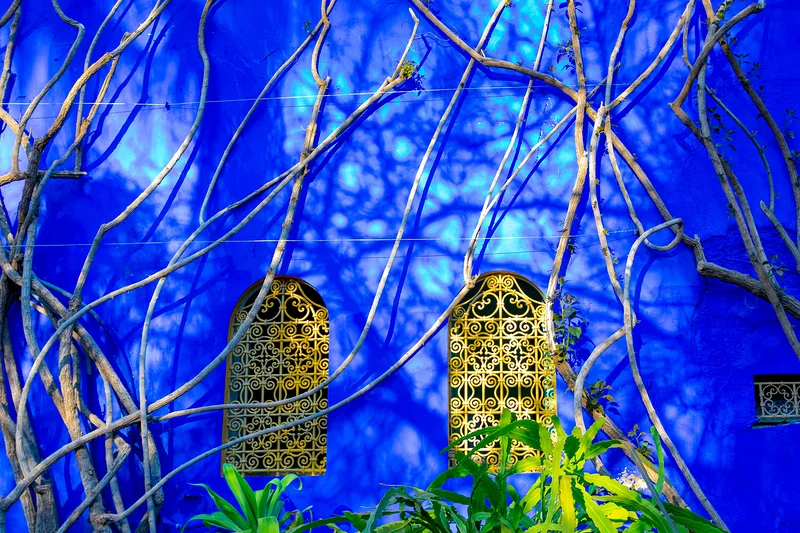
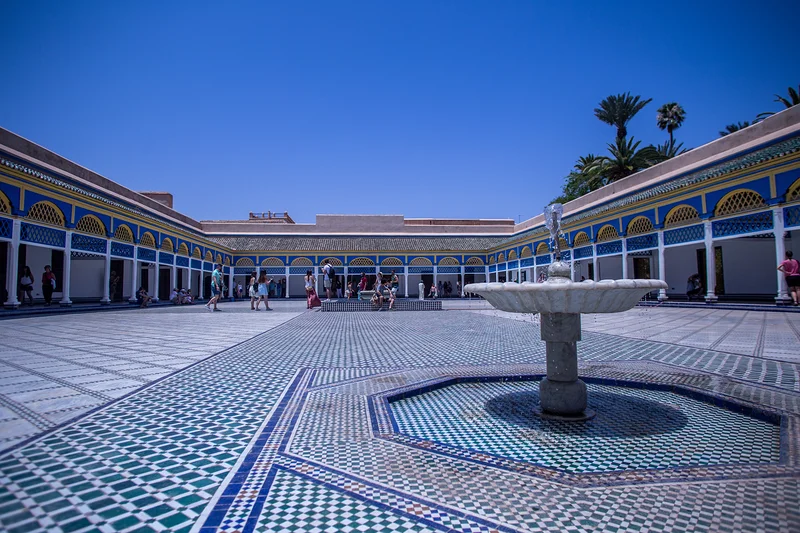
The Bahia Palace unfolds over 20 acres of gardens and 150 rooms adorned with painted ceilings. This 19th-century palace was built for a grand vizier who wanted to impress his contemporaries. The Jardin Majorelle, with its intense blue created by the French painter and later saved by Yves Saint Laurent, offers a refreshing escape. The El Badi Palace, while in ruins, is peaceful and a great way to dodge the crowds packed into other sites.
Beyond the medina: Gueliz and excursions
The Gueliz district represents the other side of the city. This new town, built during the French protectorate, features tree-lined boulevards, Art Deco cafes, and contemporary art galleries. This is where trendy locals come to brunch on weekends at restaurants like +61 or Chez Elle. The contrast with the medina is worth the detour.
A 45-minute drive away, the Agafay Desert allows you to sleep under the stars without the 9-hour trek to the Sahara. Its rocky hills offer a credible alternative for a short stay. The Atlas mountains, visible from the city's rooftop terraces, are perfect for day hikes through Berber villages. The pretty coastal town of Essaouira is accessible by bus in 2.5 hours.
Pro tip: book a cooking class in a riad. You will accompany your host to the Rahba Kedima market to pick out spices and then prepare your own tajine. It is the best way to uncover the secrets of Moroccan cuisine, for about 400 MAD per person (about $40).
Where to eat and drink in Marrakech?
Marrakchi cuisine revolves around a few iconic dishes. The tajine, a stew slow-cooked in a conical clay pot, comes in dozens of versions: chicken with olives and preserved lemon, lamb with prunes and almonds, or spiced vegetables. The tanjia is the quintessential local specialty: lamb shoulder marinated and cooked for 5 hours in the ashes of the neighborhood hammam oven.
To eat like the locals, head to the Chaabi restaurant near Jemaa el-Fna, where a tajine costs about 50 MAD (about $5). Chez Chegrouni, on the corner of the square, has been serving generous portions for decades. The Terrasse des Épices offers modernized Moroccan cuisine with a view over the medina rooftops. For a guided street food experience, night tours with a local guide allow you to taste from stalls without risking any digestive issues.
Where to sleep in and around Marrakech?
Staying in a riad in the medina remains the most immersive experience. These houses, organized around a patio, offer quiet and coolness behind their discreet doors. The Mouassine neighborhood and the area around the Mellah offer reasonably priced riads slightly off the main tourist path.
The Gueliz district is better for those who prefer modern comfort. Hotels there are often cheaper than in the medina and offer parking and a pool. The chic Hivernage neighborhood is home to high-end establishments like La Mamounia, sitting halfway between the medina and the new city.
How to get to and around Marrakech?
Menara airport is 4 miles from the center. A taxi to the medina costs between 70 and 150 MAD (about $7 to $15) depending on your negotiating skills. The L19 bus connects the airport to Jemaa el-Fna for 40 MAD (about $4). Apps like Careem and Heetch work locally and help avoid negotiations.
From the US, you will likely connect through a major European hub like Paris or London. Within the medina, everything is done on foot. Small beige taxis circulate in the new city but cannot enter the narrow alleys of the old town.
When to go?
Spring and autumn offer the ideal conditions. From March to May and September to November, temperatures range between 68 and 82 degrees Fahrenheit, perfect for walking the medina without overheating. Summer is best avoided, as temperatures above 100 degrees Fahrenheit turn the alleyways into a furnace.
The month of Ramadan is worth careful consideration. The evening atmosphere becomes magical after the fast is broken, but the days can be complicated with shops closed and staff sometimes less patient. Check the dates before booking.
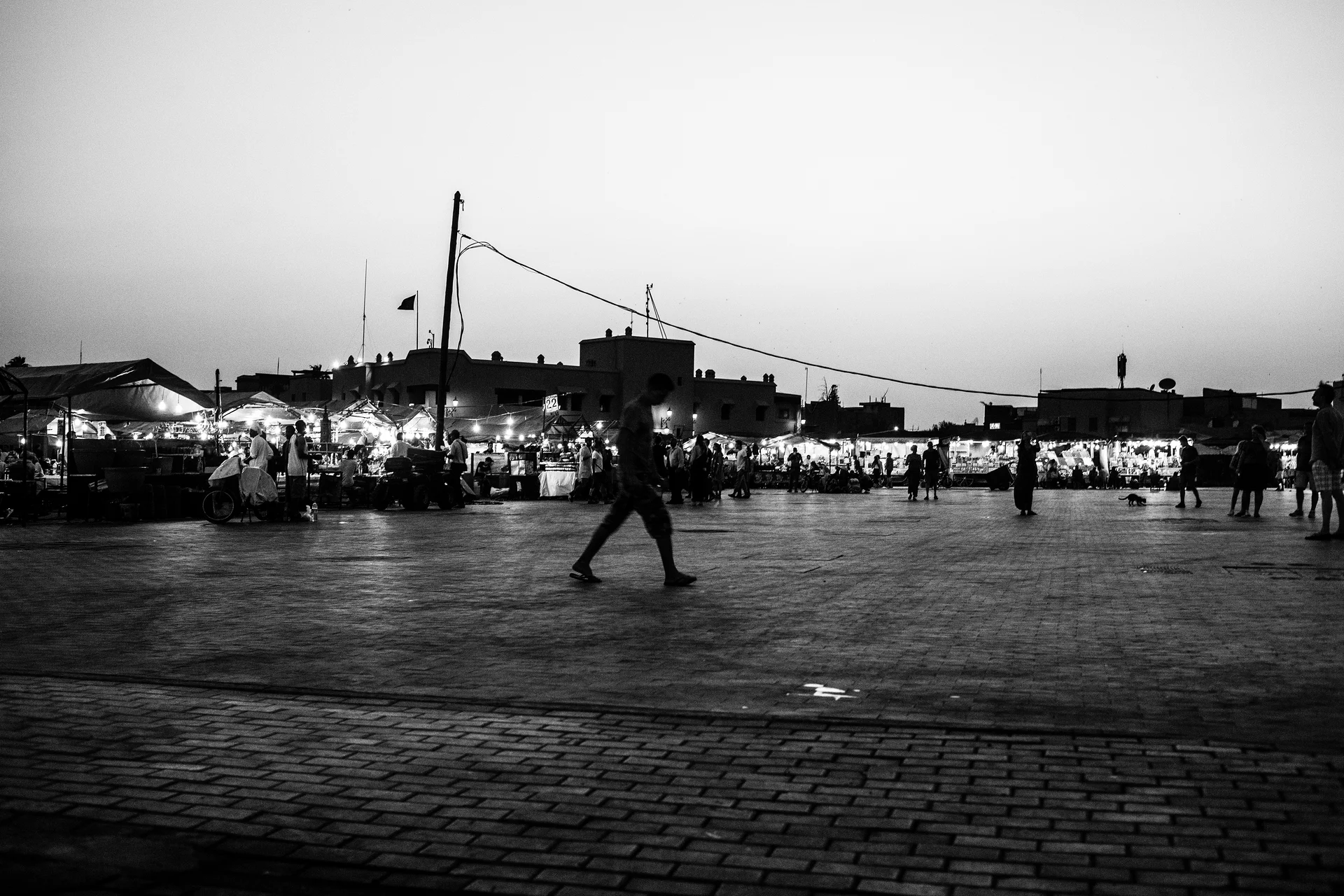
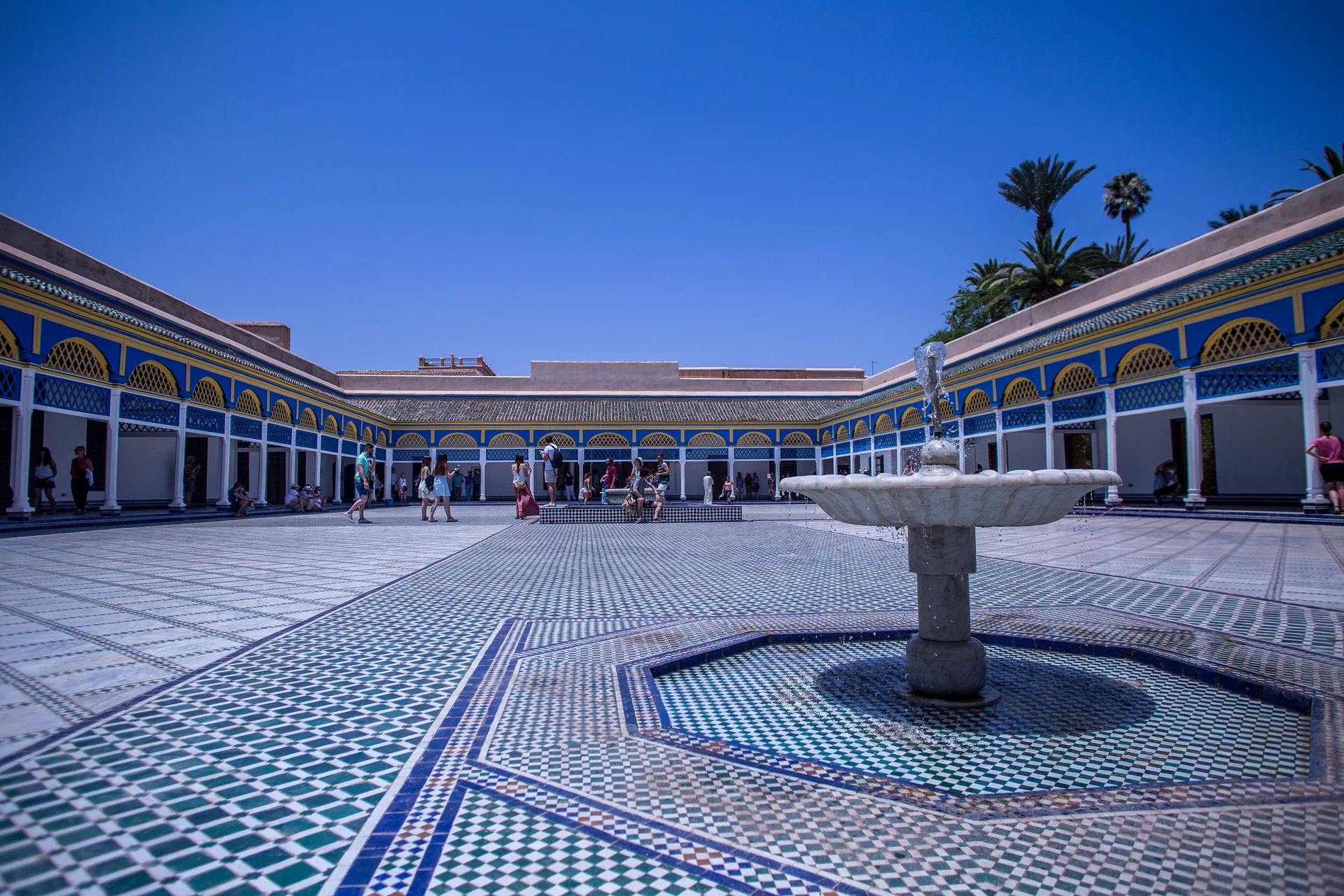
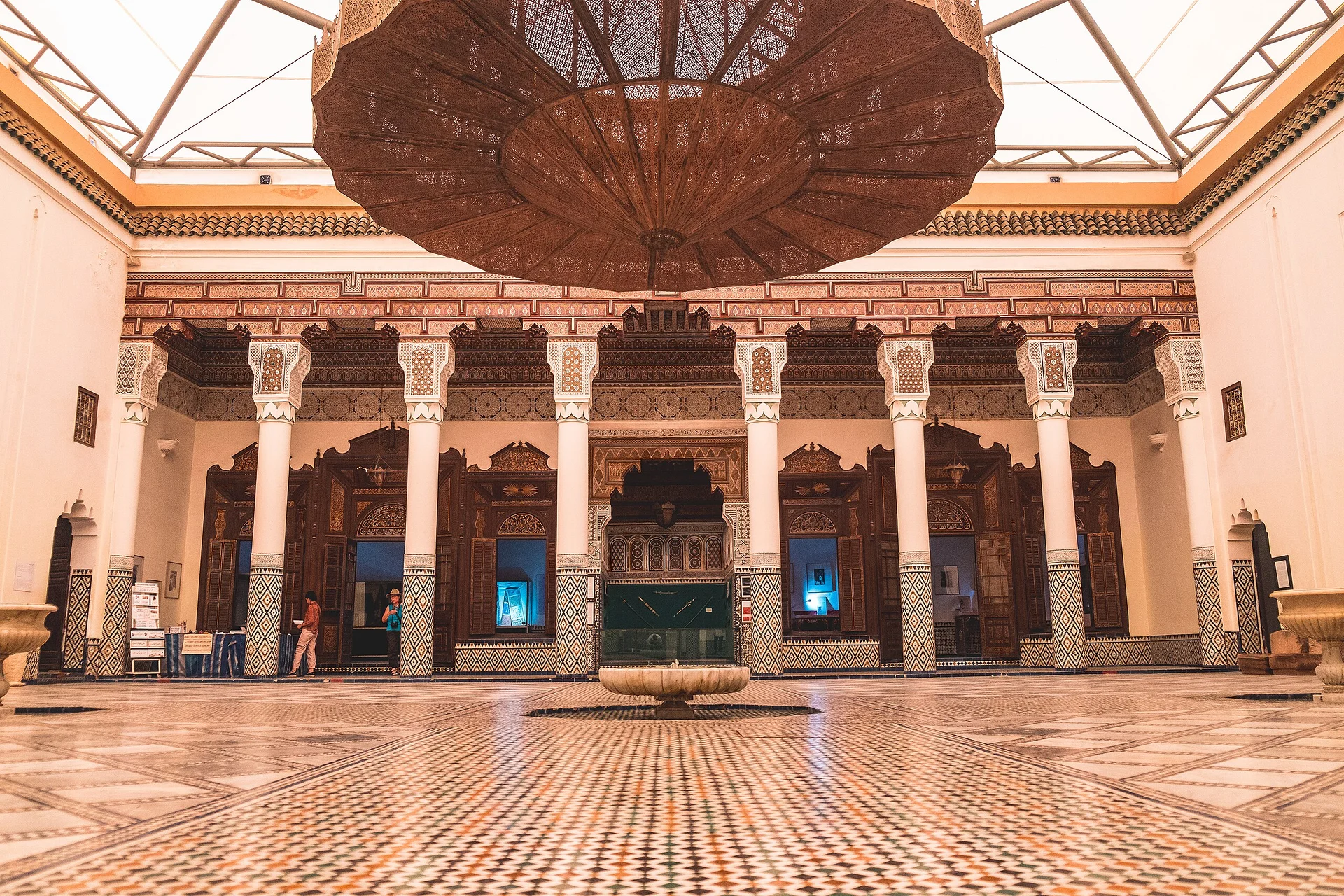
Marrakech remains the tourism capital of Morocco, and the city is highly sought after these days.
Granted, the red city is developing very quickly, but it is more welcoming than ever and will definitely win you over!
I loved its new riads, its varied restaurants, its warm locals, and its unique heritage.
From Jemaa el fna square, I admired the mountains and the gardens lined with giant palm trees.