
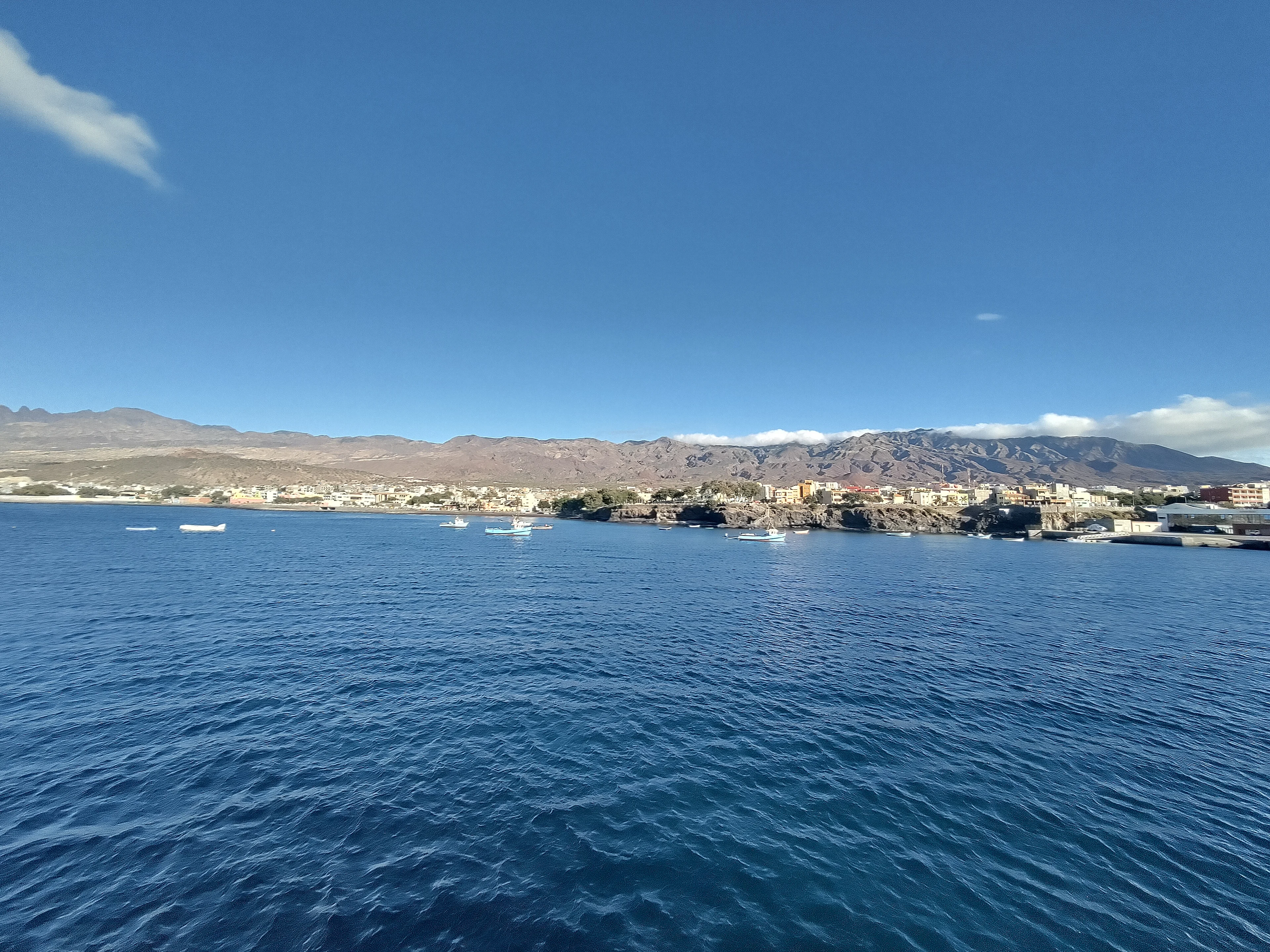
Porto Novo, the quiet gateway to Santo Antão
The wind here almost always carries salt and volcanic dust. Porto Novo is nothing like a staged postcard view. It is a working port, a town that beats to the rhythm of ferries and trucks loaded with fruit on the southern coast of Santo Antão. Travelers often end up here almost by accident while in transit to the mountains, and usually discover a place much more engaging than expected.
Is this destination right for you?
You will appreciate Porto Novo if you enjoy transit towns that do not play up a tourist facade. Expect a bustling market vibe, fishermen mending their nets, and unfiltered local life. It is also the ideal logistical base for heading out toward the legendary hiking trails of Cape Verde.
You might get bored if you are looking for white sandy beaches or heavy nightlife. Porto Novo is functional before it is charming, and most of its appeal lies in the surrounding region rather than its center.
Great for:
- Hikers heading toward Ribeira Grande or Xo-Xo
- Travelers curious about Cape Verdean port life
- Those wanting a quiet base far from resort areas
Not ideal for:
- Beachgoers and swimmers
- Anyone looking for lively nightlife
- A multi-day beach vacation right in town
One of the most budget-friendly spots in the archipelago
Cape Verde remains generally less expensive than the nearby Canary Islands, and Porto Novo keeps prices low since it functions as a transit hub rather than a resort town.
| Expense | Range |
|---|---|
| Night in a simple guesthouse | 15 to 25 € |
| Night in a comfortable hotel | 35 to 60 € |
| Quick bite (cachupa, grilled fish) | 3 to 6 € |
| Sit-down restaurant meal | 8 to 15 € |
| Ride in an aluguer (shared minibus) | 2 to 4 € |
Estimated rates subject to change
Practical realities on the ground
Tourist infrastructure remains modest, featuring a few guesthouses, simple restaurants around the port, and a handful of agencies to arrange hikes or transfers. Portuguese and Cape Verdean Creole dominate, but English usually works fine in establishments used to travelers.
The climate is dry and windy nearly all year, contrasting sharply with the lush humidity of the island interior. Safety is not a particular issue. It is a small town where everyone knows each other, far from the crowds of heavier tourist zones.
The port and its market, the beating heart of the town
The port of Porto Novo is the absolute main landmark. Ferries connecting the island to Mindelo on São Vicente leave and arrive here, crossing the often rough channel that separates the two islands. The atmosphere is raw, defined by cargo loading and passengers waiting.
Just a short walk away, the municipal market is worth a detour early in the morning. You will find tropical fruits, fresh fish, and vegetables grown in the fertile inland valleys, brought down daily by trucks coming from the highlands.
Friendly tip: book your ferry crossing to Mindelo the day before if possible, especially in peak season, because sailings are not always daily and seats fill up fast.
Venturing from Porto Novo into the highlands of Santo Antão
This is where the town truly proves its worth, serving as a springboard to one of the finest hiking networks in the archipelago.
The road to Ribeira Grande
The road climbing toward Ribeira Grande cuts through dramatic landscapes of eroded volcanoes and terraced valleys. The ride in an aluguer takes about 45 minutes and offers an immediate, striking introduction to the island's contrasts.
The trails of Xo-Xo and Cova
From Ribeira Grande, hikers often continue toward the Cova crater or the Xo-Xo valley, known for its terraced farming and plunging ocean views. These routes demand good physical fitness but do not strictly require a guide, though hiring one makes navigation much easier.
Where to eat and drink in Porto Novo?
Local cuisine centers on fresh fish landed that very morning and cachupa, the slow-cooked hominy and bean stew that serves as the national dish. Small eateries near the port often serve the most authentic versions at modest prices.
Grogue, a sugarcane aguardiente distilled in the neighboring valleys, is poured in the town's simple bars. It is a local specialty to try with moderation, but without hesitation.
Where to stay in Porto Novo and its surroundings?
The downtown area holds most of the guesthouses and small hotels, which are convenient for a night before or after the ferry. For a longer hiking-focused trip, it is better to head toward Ribeira Grande or the mountain villages, which sit closer to the trailheads and offer much more picturesque surroundings.
How to get to Porto Novo?
The town is served by the Santo Antão airport, with domestic flights from Praia or São Vicente. From international origins, the classic route involves a flight to Sal or Praia, followed by a domestic connection or a ferry from Mindelo, which takes about 1 hour and 30 minutes.
How to get around Porto Novo?
The town itself can be easily explored on foot in about half an hour. To explore the island, aluguers (shared minibuses) serve the main towns at reasonable rates, though schedules remain approximate.
Renting a car or a 4x4 with a driver provides more flexibility for navigating the mountain roads, which are often spectacular but packed with tight switchbacks.
When to visit Porto Novo?
The period from November to June delivers the driest and most pleasant weather for hiking. Avoid the rainy season between August and October, when certain mountain paths become slick and sometimes impassable.
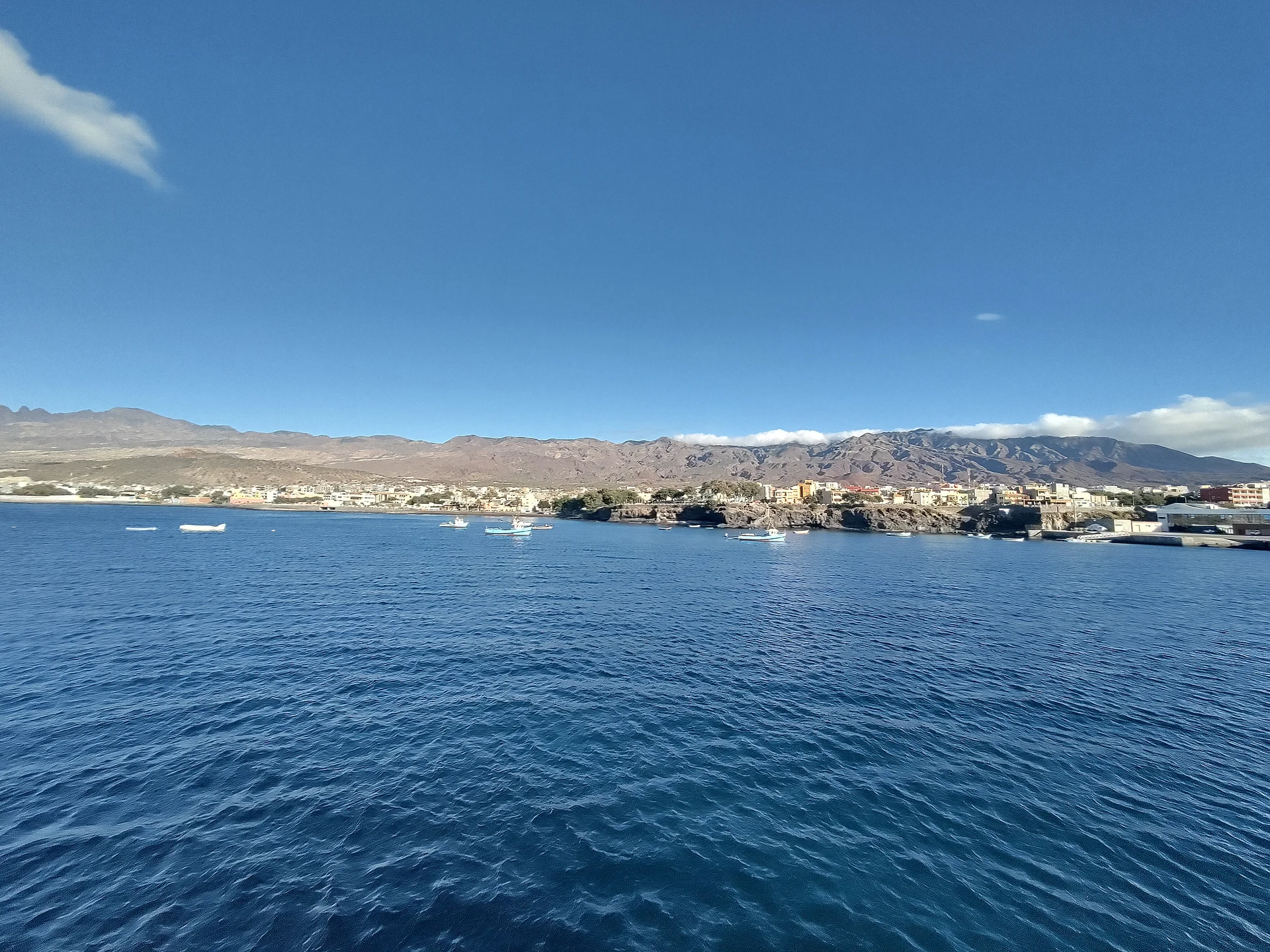
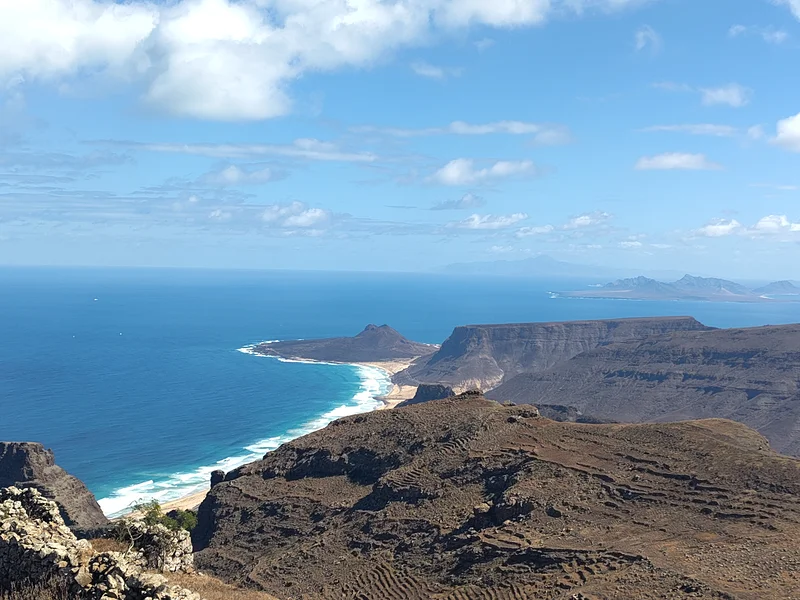
Porto Novo is the arrival port on Santo Antão. From there, head out on an excursion across the island with its magnificent vegetation! The Paul Valley is worth the trip.