Praia, an Atlantic Capital of Red Earth and Ocean
The ochre limestone plateau overlooking the bay, Portuguese colonial buildings bleached by salt, and the dull roar of waves crashing against the cliffs of Santiago make Praia a city to experience rather than merely check off a list. As the capital of Cape Verde since independence in 1975, it concentrates over a third of the archipelago's population on an island that sometimes feels like sub-Saharan Africa and sometimes like nowhere else on Earth.
Who is this city for?
Praia suits curious travelers who want to understand Cape Verde beyond the resort beaches of Sal or Boavista. Here, you will not find all-inclusive mega-resorts. You are in a real African capital complete with noisy markets, heavy traffic, and working-class neighborhoods. It also serves as a solid logistical base for exploring the rest of Santiago island, notably the ruins of Cidade Velha, the first European colonial town in sub-Saharan Africa and a UNESCO World Heritage site.
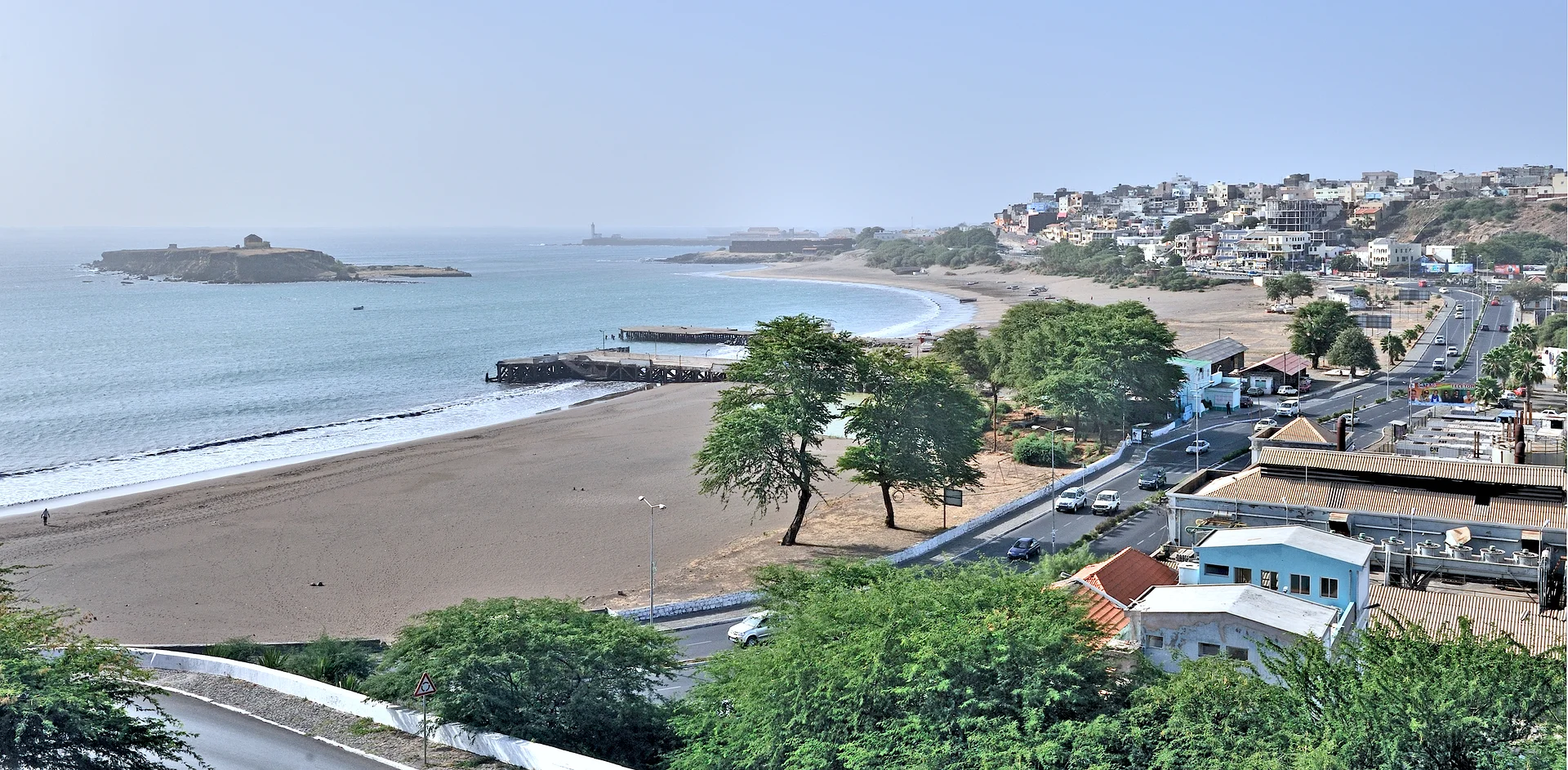
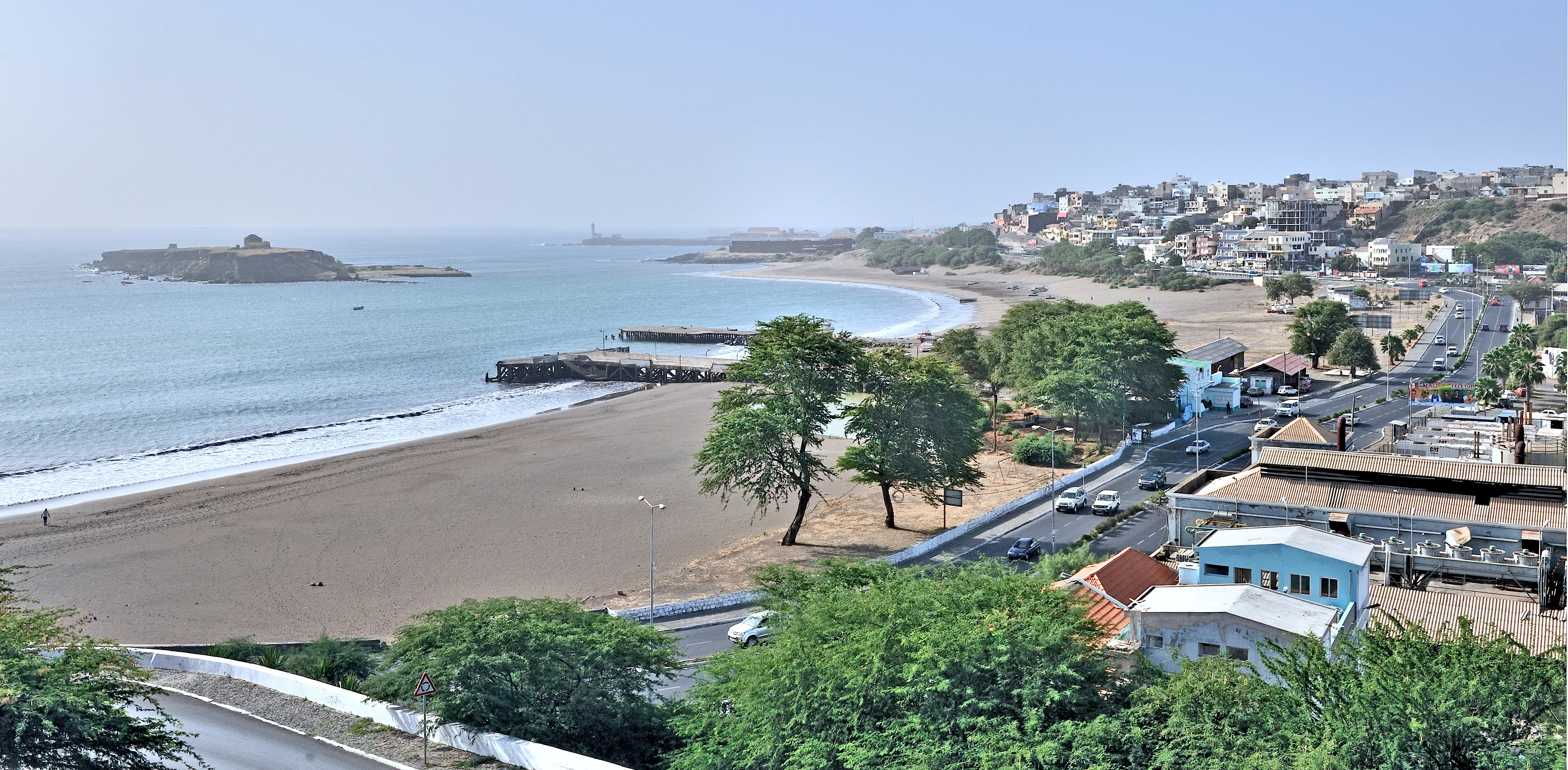
On the other hand, if you are looking for the quiet of a seaside resort or crystal-clear waters right outside your hotel door, Praia might disappoint you. Quebra Canela beach, located just below the plateau, is pleasant enough, but it remains strictly an urban beach.
Good for
- Travelers wanting to discover Cape Verde outside of beach resort loops
- Fans of Creole culture and funaná or batuque music
- Backpackers in transit to other islands via the port or RAI airport
- Anyone looking to combine city life with day trips to Cidade Velha or the interior of Santiago
Less suited for
- Families looking for guarded beaches and calm waters
- Travelers seeking a tropical getaway without the grit of urban life
- Those expecting highly structured tourist infrastructure like museums and audio guides
Budget: Accessible, but not cheap for an African capital
| Expense item | Moderate budget | Comfort budget |
|---|---|---|
| Lodging (per night) | $23 to $45* | $68 to $113* |
| Meals (local restaurant) | $4.50 to $9* | $14 to $23* |
| City taxi | $1.20 to $3.40* | $3.40 to $6.80* |
| Cidade Velha trip (shared taxi) | $1.20 to $2.30* | $12 to $17* (private taxi) |
Estimated rates subject to change
Practical realities
Cape Verdean Creole (Kriolu) is the language of everyday life, while Portuguese remains the official and administrative tongue. English is rarely spoken outside of major hotels. Knowing a few words of Portuguese genuinely helps when interacting in markets and neighborhood eateries.
The city is generally safe for attentive travelers. Sucupira Market and the port area require the standard vigilance needed in any busy African market since pickpockets and persistent vendors are part of the landscape. At night, certain outlying neighborhoods should be avoided unless you are with a local.
Getting around is mainly done by taxi (negotiate the fare before stepping in) or by hiace, the shared minibuses connecting neighborhoods for just a few escudos. The heat and steep streets make walking between the Plateau and the waterfront quite tiring.
The Plateau: The historical and administrative core
The Plateau neighborhood sits elevated above the rest of the city on a rocky promontory. This is where you will find Praça Alexandre Albuquerque, government buildings, the cathedral, and several cafes where civil servants grab lunch during the week. The architecture mixes faded Portuguese colonial structures with newer construction without much concern for uniformity, but the central African neighborhood vibe has its own distinct charm.
Sucupira Market, located just below the Plateau, is the liveliest spot in town. Textiles, spices, electronics, and local handicrafts fill the stalls amid a wall of sound. Give yourself plenty of time and keep a close eye on your belongings.
Residential neighborhoods and the waterfront
Heading down toward the sea, the Fazenda and Achada Santo António neighborhoods host many of the restaurants and bars frequented by the local middle class and expats. The waterfront along Praia Negra and Quebra Canela offers pleasant strolls in the late afternoon when the heat breaks and local fishermen haul their colorful boats ashore.
Friendly tip: To see Praia from its best angle, head up to the overlook at the end of the Plateau late in the day. The golden light hitting the bay and corrugated tin roofs is worth the trip, and the spot stays relatively free of tourists.
Cidade Velha: The day trip that changes everything
About ten miles west of Praia, Cidade Velha (formerly Ribeira Grande) is the primary historical reason to visit Santiago. Founded by the Portuguese in the late fifteenth century, it is the first European colonial town established in sub-Saharan Africa. The ruins of the Sé Cathedral, the Fort Real de São Filipe perched on the cliff, and Rua Banana, one of the oldest streets in the Americas and Africa, deserve at least a half-day visit.
A shared taxi from Praia costs a few hundred escudos. We recommend heading out early in the morning when the light is great, the heat is manageable, and souvenir vendors are not yet set up.
Where to eat and drink in Praia?
Santiago's Cape Verdean cuisine revolves around cachupa, a slow-simmered stew of corn, legumes, and meat or fish that is eaten at all hours. Restaurants on the Plateau serve a refined version, while the food stalls at Sucupira offer a rustic, working-class version at half the price.
Fresh grilled fish, particularly espadarte (swordfish) and atum (tuna), is a staple on waterfront restaurant menus. For drinks, grogue, the sugar cane spirit produced on Santiago, is the local drink of choice. You can find it everywhere from artisan bottles to cocktail bars in Achada Santo António.
Where to stay in Praia?
The Plateau remains the most practical choice for a first visit since you can walk to major sights and easily hail a taxi. Options range from basic guesthouses to mid-range hotels. For extra comfort and quiet, Achada Santo António concentrates upscale properties and expat residences with easier access to the airport.
Avoid booking places in the outlying neighborhoods unless you know the area well because distances on the map can be deceiving and taxi fares add up quickly.
How to get to Praia?
Nelson Mandela International Airport (code RAI) is served by several European cities including Lisbon, Amsterdam, and Paris. TAP Air Portugal, TUI, and Binter Canarias operate regular flights. From Western Europe, expect about five hours for a direct flight, or a connection through Lisbon.
The airport sits just a few kilometres from downtown. A taxi to the Plateau costs between $12 and $17* depending on your negotiation skills. There is no regular official shuttle bus.
How to get around Praia?
Inside the Plateau, everything is walkable. To reach other neighborhoods, hiaces (shared minibuses) provide the cheapest and most local option, though routes can confuse first-time visitors. Taxis are plentiful and inexpensive, running $1.20 to $3.40* for intra-city trips as long as you lock in the price before getting in.
For day trips into the island's interior or up to Tarrafal in the north, aluguers (long-distance shared taxis) depart from the Sucupira terminal. They are practical and budget-friendly, operating on a fill-and-go basis.
When to visit Praia?
The period from November to June is the most pleasant, offering dry weather, temperatures between 77 and 82 °F, and manageable seas. The rainy season from July to October brings brief, intense showers that turn the island dramatically green. While not a dealbreaker, the humidity and muddy roads make inland exploring tougher.
Between December and February, the harmattan, a dust wind blowing from the Sahara, can drop visibility and leave the air hazy for several days in a row. Keep this in mind if you have respiratory sensitivities.