
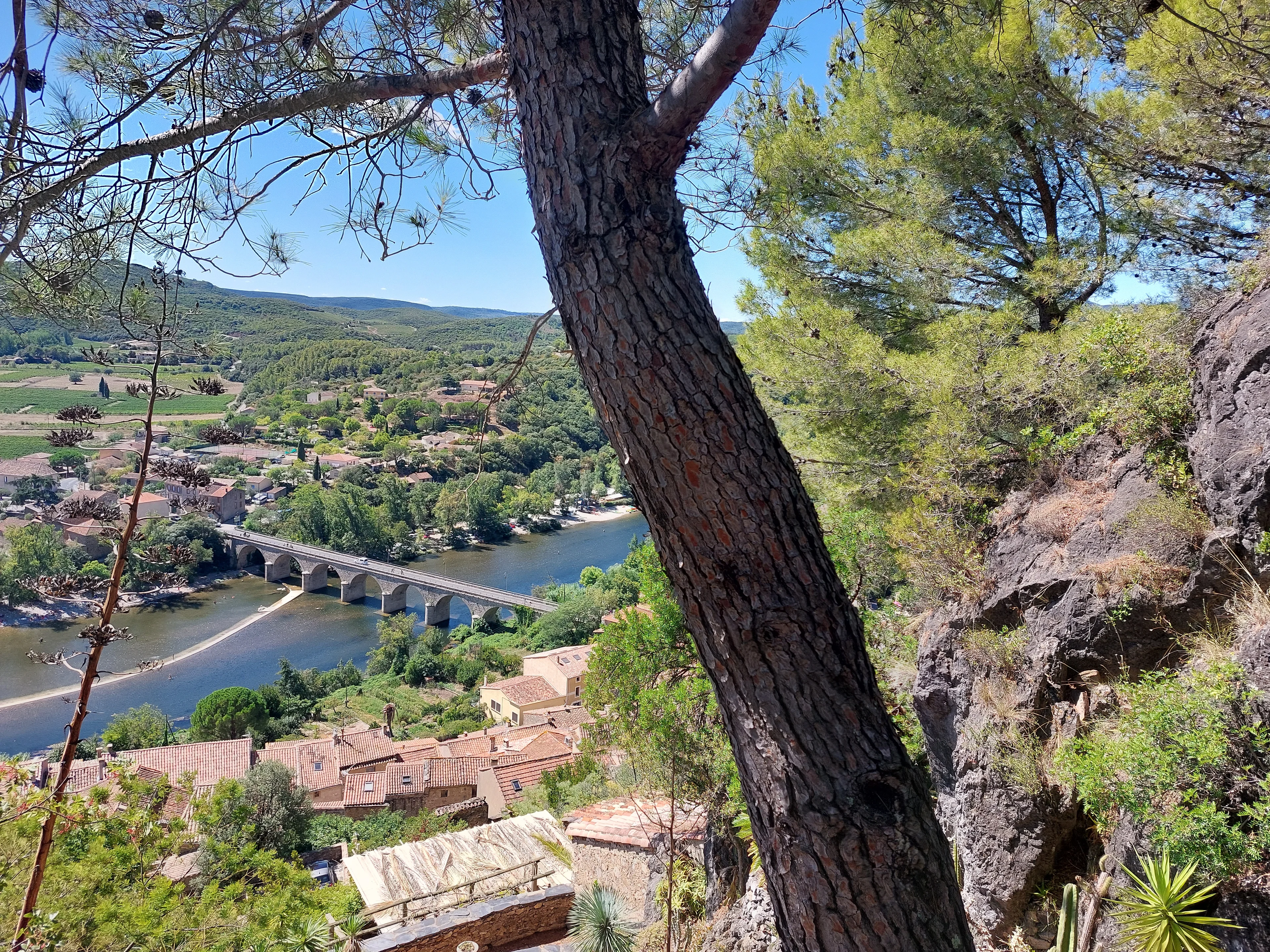
Whether you live in the Hérault region near Montpellier or are just visiting, here is a selection of 6 excursions and day trips to help you get off the beaten path.
1/ The Roquebrun Botanical Garden
Tucked away in the heart of the Hérault, you'll find a true natural treasure: the Roquebrun Botanical Garden. With its picturesque landscapes and remarkable biodiversity, this garden is an idyllic escape for nature lovers. During my visit, I was amazed by the diversity of the plants, the spectacular panoramas, and the peaceful atmosphere that reigns here. Here is a glimpse of my experience at the Roquebrun Botanical Garden.
Discovering exceptional flora
The Roquebrun Botanical Garden is home to a multitude of exotic and Mediterranean plants, offering a true symphony of colors and scents. I was fascinated by the variety of plant species present, from cacti and succulents to lush tropical plants. The garden's well-maintained paths allowed me to wander through the various themed sections, discovering unique and rare plants at every turn.
Panoramic viewpoints
The Roquebrun Botanical Garden also offers spectacular panoramic views of the Orb Valley. By following the elevated paths, I was rewarded with breathtaking scenery of the surrounding mountains and the river that winds through the valley. It was the perfect place to relax, recharge, and let myself be enchanted by the beauty of nature.

Outdoor activities
In addition to botanical exploration, the Roquebrun Botanical Garden also offers a range of outdoor activities. I had the opportunity to walk along the shaded paths, picnic in scenic spots, and even go kayaking on the Orb River. These activities allowed me to get even closer to the surrounding nature and enjoy moments of relaxation and fun in the fresh air.
Conservation awareness
The Roquebrun Botanical Garden also plays an essential role in raising awareness about conservation and the preservation of biodiversity. I participated in guided tours and lectures where I learned more about the efforts being made to protect the region's rare and endangered plants. This experience made me realize the importance of preserving our natural environment.
2/ A visit to La Salvetat-sur-Agout
La Salvetat-sur-Agout is known for its sparkling mineral water, but it is also a place steeped in history and tradition. The village was founded in the 12th century by Benedictine monks who built an abbey there. You can still admire the remains of this monument, as well as Sainte-Marie Church, which dates back to the 13th century. The village center is very picturesque, with its stone houses, flower-lined alleys, and fountain. You will also find local shops, restaurants, and cafes where you can taste local specialties, such as Lacaune ham.
La Salvetat-sur-Agout is also a paradise for nature lovers. The village is surrounded by forests, lakes, and rivers where you can enjoy numerous activities: hiking, mountain biking, fishing, canoeing, swimming... There is something for everyone and every skill level! I especially recommend Lake Raviège, which offers a magnificent setting for relaxing or having fun. You can rent a boat, go pedal boating, try water skiing, or simply enjoy the beach.
If you are looking for a wilder getaway, you can also head to Lake Laouzas, which is just a few kilometers from La Salvetat. It is a preserved area where you can observe the local flora and fauna.

3/ A visit to Minerve

Minerve is located at the confluence of two rivers, the Cesse and the Brian, which have carved impressive gorges into the landscape. The village is perched on a rocky spur and surrounded by ramparts. You reach it by crossing a drawbridge over a deep ravine.
Minerve was the scene of a tragic episode during the 13th-century crusade against the Cathars. The Cathars were dissident Christians who rejected the authority of the Pope and the Roman Church. They were persecuted by crusaders sent by the King of France to eliminate them.
In 1210, Minerve was besieged by the crusaders for several weeks. The inhabitants resisted valiantly but eventually ran out of water and food. They surrendered to the crusaders, who forced them to either renounce their faith or die at the stake. More than 140 Cathars chose martyrdom and were burned alive.
Today, you can still see the remains of the siege of Minerve, such as the catapult used to launch stones at the village, or the monument commemorating the sacrifice of the Cathars. You can also visit the 11th-century Romanesque church, which was spared by the flames.
4/ A visit to Olargues

Olargues is about an hour's drive from Béziers, on the banks of the Jaur River. The village is perched on a rocky spur dominated by the bell tower of its 12th-century Romanesque church. To reach the historic center, you must cross the Devil's Bridge (Pont du Diable), a 13th-century stone bridge spanning the river. This bridge gets its name from a legend claiming the devil helped build it in exchange for the soul of the first living being to cross it. Fortunately, the villagers were smarter than him and sent a goat across first!
Once across the bridge, you enter the heart of Olargues, where you can admire its cobbled streets, half-timbered houses, carved doors, and fountains. Don't miss a visit to the castle, which now houses a museum dedicated to the history and traditions of the Haut-Languedoc. You can see ancient objects, costumes, tools, and models that bear witness to the village's rural and artisanal past. The castle also offers a stunning view of the surroundings, including the Caroux Massif and the Héric Gorges.
If you love nature and hiking, you will be delighted by the varied and preserved landscapes surrounding Olargues. You can explore the marked trails that crisscross the mountains, forests, vineyards, and orchards. You can also swim in the Jaur River or in the natural pools carved out by erosion.
5/ Saut de Vézoles

The Saut de Vézoles is an impressive waterfall that flows into the lake of the same name. It's an ideal spot for swimming, cooling off, and admiring the scenery. The lake is surrounded by forests, meadows, and rocks. You can go canoeing, pedal boating, or paddleboarding there. There are also hiking trails that allow you to walk around the lake or reach the summit of the Roc de l'Aigle, from where you have a panoramic view of the region.
Things to do nearby
The Saut de Vézoles is a place steeped in history and culture. You can visit the Textile Museum, which traces the region's past industrial activity. You can also admire the Romanesque church of Saint-Pons-de-Thomières, which dates back to the 12th century and houses a remarkable organ. Finally, you can participate in events and festivals that take place throughout the year, such as the chestnut festival or the performing arts festival.
Accommodation
For lodging, there are several options available. You can camp by the lake in one of the many designated spots. You can also rent a gîte, a bed and breakfast, or a mobile home in the surrounding villages. There are also hotels and restaurants that offer all-inclusive packages. Whatever your budget and preferences, you are sure to find what you're looking for!
6/ The Forest of the Fighting Writers

Near the village of Combes, this forest houses the graves of several French writers who participated in the Resistance during the Second World War. Among them are famous names like Jean Moulin, Max-Pol Fouchet, Jean Prévost, and René Char. These men and women sacrificed their lives to defend freedom and culture against Nazi oppression. They also left behind remarkable literary works, testifying to their commitment and talent.
The Forest of the Fighting Writers is a place of memory, but also of creation. Every year, a literary contest is organized to reward the best texts written by young people on the theme of the Resistance. The winners are invited to come and read their texts in front of the graves of the fighting writers during a moving and solemn ceremony. It is a way to pay tribute to these heroes of the pen and the rifle, but also to perpetuate their spirit of resistance and creativity.
If you love literature and history, I highly recommend visiting the Forest of the Fighting Writers. It is a unique and emotionally charged place, where you can feel the presence of these great authors who left their mark on our cultural heritage. You can also admire the beauty of the surrounding nature, which provides an ideal setting for recharging and escaping. The Forest of the Fighting Writers is a place that inspires dreams and reflection, invites respect and admiration, and stimulates imagination and writing. It is a living, speaking forest that tells stories and inspires new ones.
A few final words
To conclude, take the time to explore the Hérault hinterland and get away from the crowded Mediterranean beaches. You will be rewarded by the discovery of true treasures, less frequented than the coast. Don't hesitate to share your tips in the comments ;)



Comments (0)
No comments yet. Be the first!