
Plan Your Serengeti Safari: An Unforgettable Adventure
Serengeti National Park: At the Heart of African Wildlife
Picture endless plains, an immense sky, and wildlife that pulses at every turn. Welcome to Serengeti National Park, one of the oldest and best-preserved ecosystems on the planet. Here, adventure waits around every bend in the road.
This is not just a park. It is a living legend, a sanctuary for millions of animals. Prepare to be amazed.
The Great Migration: A Natural Spectacle You Cannot Miss

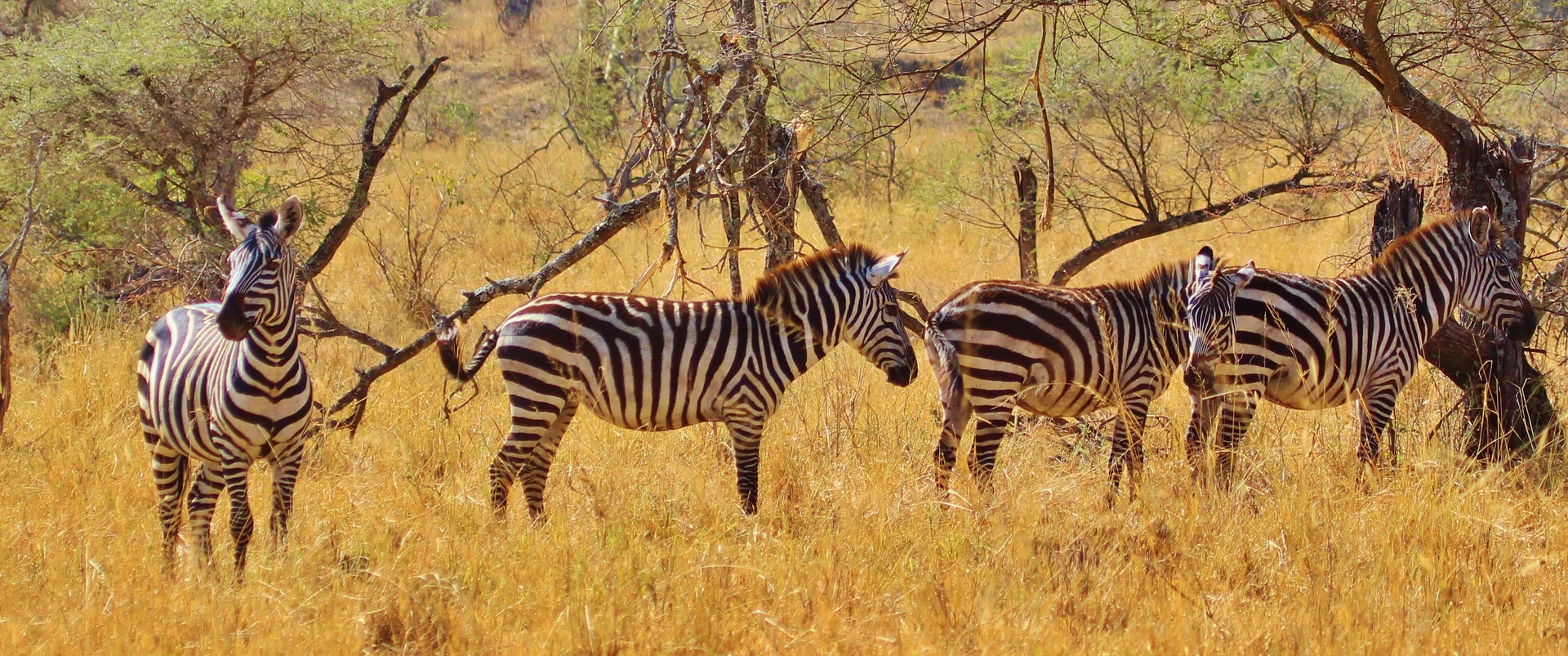
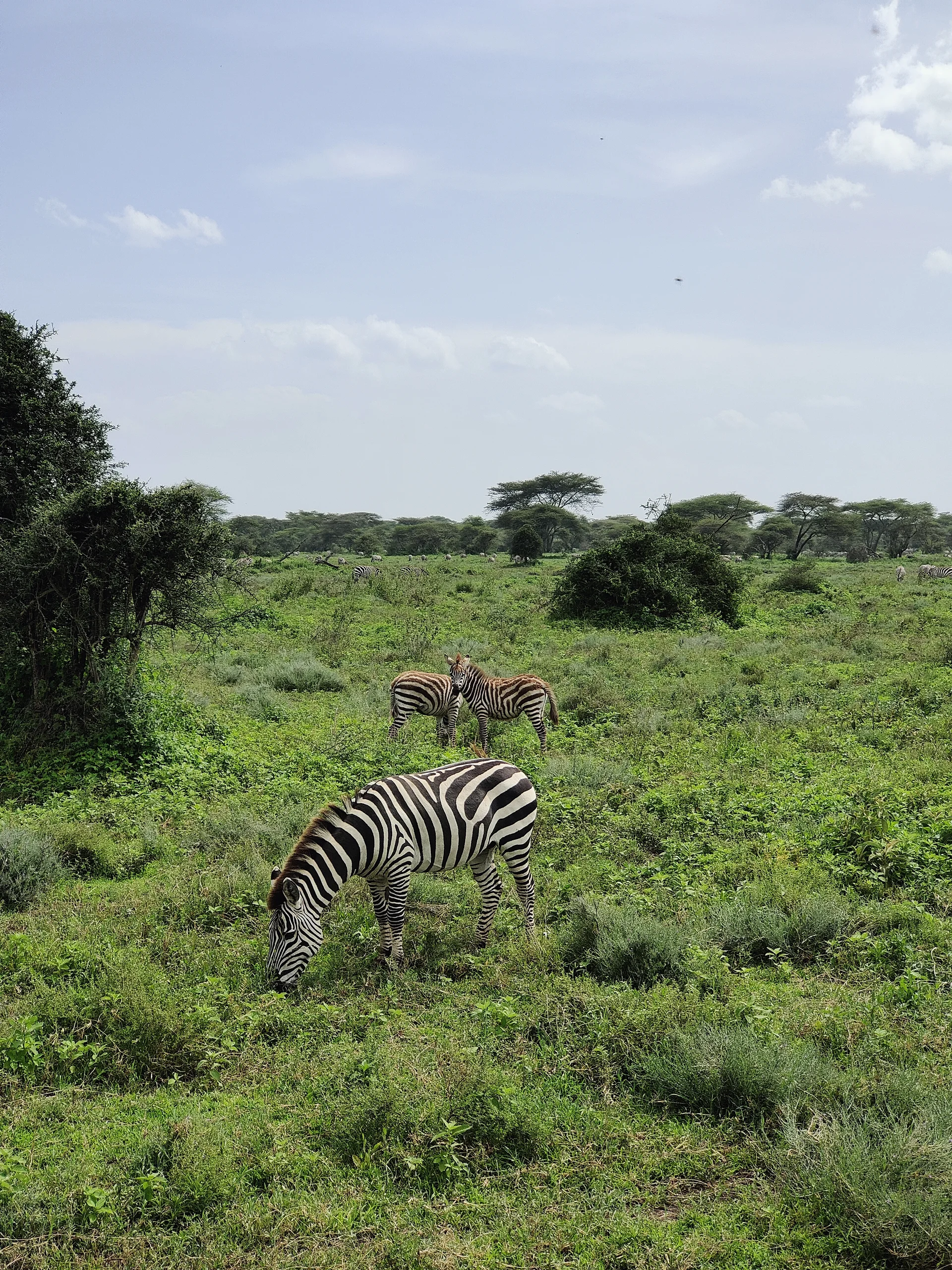
Every year, the Serengeti is the stage for the Great Migration. Millions of wildebeest, zebras, and gazelles cross the plains in search of fresh grazing grounds. It is a cycle of life and death, an absolutely hypnotic demonstration of the power of nature.
Witnessing this phenomenon is a life-changing experience. Remember to check the movement calendar to maximize your chances of seeing it.
Spot the Big Five and Diverse Wildlife on Your Safari

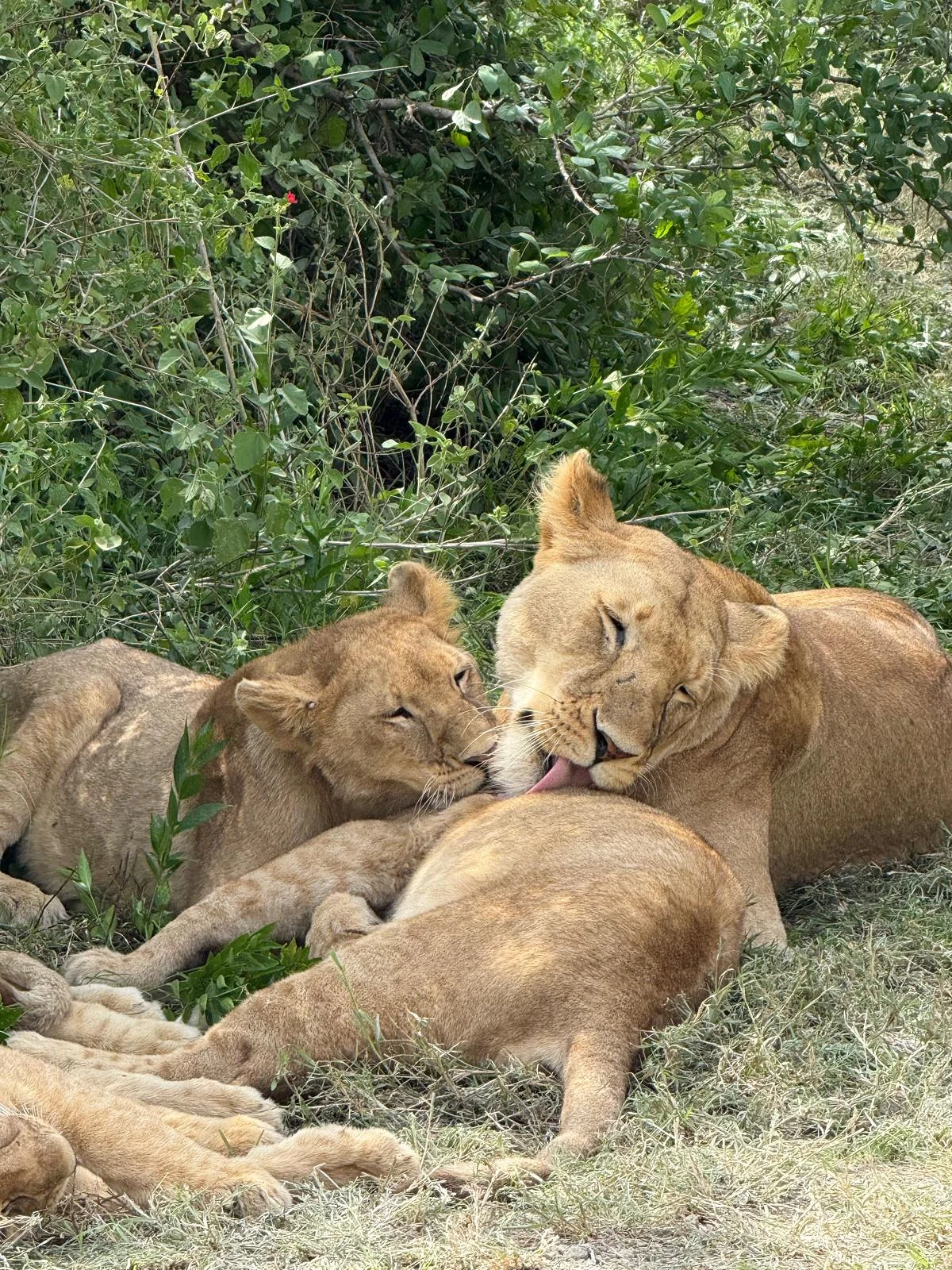
The Serengeti is the hunting ground for the famous Big Five: lion, leopard, elephant, rhinoceros (the black rhino is quite rare), and buffalo. Spotting them is a highlight of any safari.
But that is not all. Fleet-footed cheetahs, curious giraffes, easygoing hippos, and a myriad of colorful birds also inhabit these lands. Keep your eyes peeled.
Cost of a Serengeti Safari: Estimated Budget
Ah, the crucial question: how much does a Serengeti safari cost? The answer is that it depends. Several factors come into play. Let us break it down.
What Determines the Price of a Safari?
The cost of your Tanzania adventure can vary significantly. Here are the main elements that influence your budget:
- Duration of your stay: Naturally, the longer you stay, the higher the cost. But each extra day brings new wonders.
- Type of accommodation: From camping under the stars to luxury lodges with private pools, there is something for every taste and budget.
- Seasonality: High season (typically from June to October and during the holidays) sees prices climb. Traveling during the shoulder or low season can be easier on your wallet.
- Serengeti National Park entrance fees: These are mandatory and help support the conservation of this magical place (about $80 per adult per day, $20 for children aged 5 to 15). Also, factor in concession fees for certain accommodations located inside the park.
- Transportation: This includes your international flights, any domestic flights to the Serengeti airstrips, and the rental of a 4x4 vehicle with a driver or guide.
- Optional activities: A hot air balloon ride at sunrise? A cultural visit to a Maasai village? These extras add to the cost, but also to the experience.
Price Estimates for Your Serengeti Safari
To give you a more concrete idea, here are price ranges per person per day (excluding international flights). These estimates can vary based on specific services and seasons.
| Safari Type | Price Range (per pers/day) | Indicative Services |
|---|---|---|
| Economy | 200 EUR - 350 EUR (about $215-$375) | Public campsites or basic lodges, group safaris, simple meals. |
| Mid-range | 350 EUR - 600 EUR (about $375-$645) | Comfortable lodges and tented camps, often all-inclusive or nearly so, private or small-group safaris. |
| Luxury and High-end | From 600 EUR (up to 1500 EUR+) (about $645-$1610+) | Sumptuous lodges, exclusive tented camps, personalized service, unique experiences like private flights and specialized guides. |
These prices are indicative and subject to change. Always request detailed quotes from several providers.
Tips to Optimize Your Safari Budget
Dreaming of the Serengeti without breaking the bank is possible. Here are some tips:
- Travel in a group: Sharing the costs of the vehicle and guide can significantly reduce your bill.
- Choose the shoulder season: The months of April, May, or November often offer better rates and fewer crowds.
- Book in advance: Especially for flights and certain high-demand accommodations.
- Be flexible on duration: A shorter but well-optimized safari can be just as incredible.
- Mix accommodation types: Alternate between a simpler option and a comfortable lodge to balance budget and enjoyment.
Organizing Your Serengeti Safari: The Complete Guide
Have you decided? Fantastic. Let us move on to the practical organization of your Serengeti safari.
When to Go: The Best Time for Your Safari
The Serengeti can be visited year-round, but each season has its own charm and characteristics.
Dry Season (June to October): The Peak Tourist Season
Pros:
- Wildlife is concentrated around water holes, making observation easier.
- Clear skies and pleasant temperatures.
- River crossings during the Great Migration (mainly between July and September).
Cons:
- More crowds and higher prices.
- Drier landscapes.
Long Rainy Season (March to May): More Intense Rain
Pros:
- Lush, green landscapes and magnificent storm clouds.
- Fewer tourists and lower rates.
- Exceptional birdwatching.
- Wildebeest calving season (January to February in the southern Serengeti).
Cons:
- Some trails can be difficult to access.
- Tall grass can hinder visibility.
- More mosquitoes.
Short Rainy Season (November to December): Short Showers
Pros:
- Landscapes turn green again.
- Calving period for many herbivores.
Great Migration Calendar: Where and When to Observe the Herds?

The Great Migration is a continuous movement. Here is a general overview, though it can vary each year:
- December to March: Herds are in the southern Serengeti / Ndutu region (calving season in January/February).
- April to May: Start of the journey north and west through the western corridor.
- June to July: Herds reach the Grumeti River (western corridor) before continuing north.
- August to October: The spectacle of crossing the Mara River in the northern Serengeti, on the border with the Masai Mara (Kenya).
- November: Start of the return journey south.
Good news: There is no need to memorize this calendar. If you work with a reputable local agency (and we can find one for you for free here if you like), they will know how to design your itinerary to access the best viewing spots.
How to Get to Serengeti National Park?
The main gateway for a safari in northern Tanzania is Kilimanjaro International Airport (JRO), near Arusha. Others opt for Arusha Airport (ARK) for domestic flights.
From there, you have several options:
- Domestic flight: Many small planes (called bush planes) serve the various airstrips inside the Serengeti. It is fast and offers spectacular views.
- By road: Expect a full day of driving (about 8 hours) from Arusha to reach the southern gate of the park (Naabi Hill Gate), often passing through the Ngorongoro Conservation Area. It is longer, but allows you to take in the scenery.
Most travelers often combine the Serengeti with other parks like the Ngorongoro Crater, Tarangire National Park, or Lake Manyara National Park.
Types of Safaris in the Serengeti

The Serengeti adventure comes in several forms:
- Vehicle Safari (4x4 Jeep): This is the most classic and common experience. In a rugged 4x4 (often with a pop-up roof for better visibility), driven by an expert guide, you roam the trails in search of animals. Ideal for covering large distances.
- Walking Safari: A more intimate and immersive experience. Accompanied by an armed ranger, you discover the bush from a different angle, paying attention to the small things like tracks, insects, and medicinal plants. Thrills guaranteed. Offered by certain camps and lodges.
- Hot Air Balloon Safari: Soar over the endless plains of the Serengeti at sunrise. It is magical and unforgettable. It is an expensive option (count about 500-600 USD per person), but the panoramic views of the wildlife and landscapes are breathtaking. Often followed by a champagne breakfast in the middle of the bush.

Choosing Your Accommodation: Lodges, Camps, and Hotels
The choice is vast and fits every style:
- Lodges: Permanent structures offering modern comfort, often with pools, restaurants, and stunning views. Perfect for those who want comfort and full services.
- Permanent Tented Camps: The charm of canvas with the comfort of a hotel. Large tents with real beds and private bathrooms. Many are very luxurious (known as glamping).
- Mobile or Seasonal Camps: These camps sometimes follow the migration, offering deeper immersion. Comfort varies from simple to very chic.
- Public Campsites: The most economical option. Basic facilities (toilets, sometimes showers). You must bring your own gear or travel with an operator who handles it.
- Special Campsites: Private camping sites reservable for your group only. More privacy, but requires complete organization.
Consider the location of your accommodation based on the season and the areas you want to explore (especially for the migration). Or, more simply, explain what you want to the local agency we select for you.

Itinerary Ideas and Excursions for a Memorable Safari
A Serengeti safari lasts on average 3 to 5 days to fully enjoy it. Here are some options:
- Classic Serengeti (4 days / 3 nights): Explore the central plains (Seronera, famous for its big cats) and another region depending on the season (south for calving, north for Mara crossings).
- Serengeti & Ngorongoro Combo (5-6 days): A very popular option that allows you to discover two major sites in Tanzania.
- The Great North of Tanzania (7-10 days): Include Tarangire and/or Lake Manyara for a more complete experience of the wildlife and landscapes of the north.
Do not hesitate to discuss with your travel agency or tour operator to create a custom itinerary that fits your desires and your budget.
Opening hours
*Information subject to change

Breathtaking landscapes, animals as far as the eye can see... We were there with the family, right in the middle of migration season, and it was a magical sight. Lions, lionesses, lion cubs perched in the trees, giraffes running, wildebeests, zebras, gazelles... Serengeti National Park is a total immersion in the wild, worthy of The Lion King movie. Today we have memories that will last a lifetime. An absolute must.