Chiang Mai

Things to do in Thailand: 17 must-see attractions

Discover our members' favorite destinations in Thailand, plus reviews, practical info, and traveler photos...

The 5 most beautiful cities to visit in Thailand

Bangkok

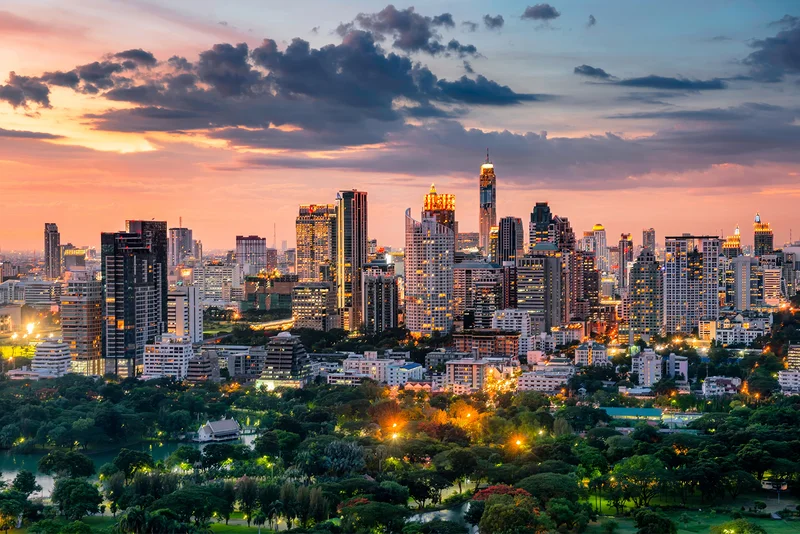
#1 Bangkok +73

Bangkok is a sprawling metropolis of eight million people where thousand-year-old gold temples sit against futuristic skyscrapers. The scent of street food, which costs around 70 THB (about $2), fills the humid air as saffron-robed monks navigate past busy office workers. From the shimmering Grand Palais and the forty-six-meter Reclining Buddha to the smoky alleys of Chinatown and the high-rise rooftops of Silom, the city never stops. It is a capital where tradition and modernity collide twenty-four hours a day.

Chiang Mai

#2 Chiang Mai +25

Set in the misty mountains of northern Thailand, this former capital of the Lanna Kingdom blends thousand-year-old gilded temples with the modern coffee shops favored by digital nomads. Over 300 Buddhist sanctuaries anchor a daily routine defined by monk processions and the scent of street food. Whether you are trekking to hidden waterfalls, visiting ethical elephant sanctuaries, or taking a local cooking class, the city offers a relaxed pace of life that hits different.

Phuket

#3 Phuket +7

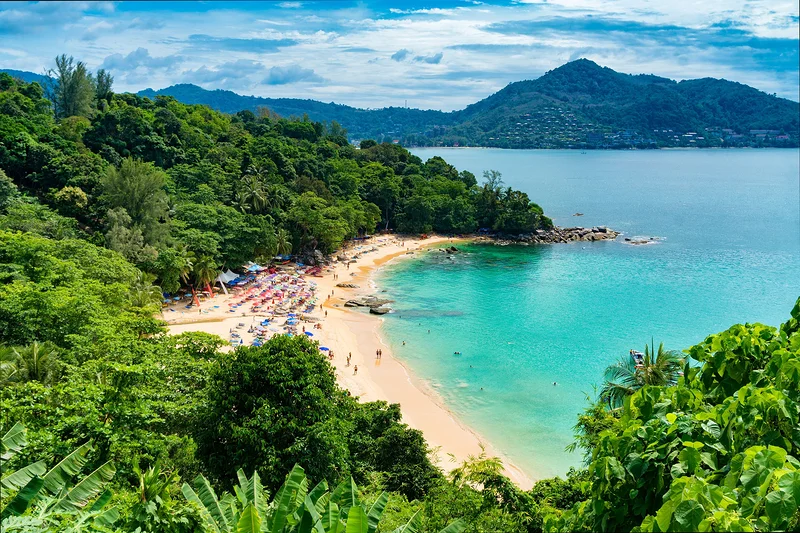
As the largest island in southern Thailand, Ko Phuket, or simply Phuket, refers to the entire paradise archipelago surrounding it. You can lounge under coconut trees before hitting the high-energy Full Moon parties, take advantage of modern amenities that offer great value, or get pampered at one of the many spas. The range of excursions is extensive, from long-tail boat rides and mangrove kayaking to jungle trekking. The lush pearl of the Andaman Sea is full of hidden treasures, and it is a perfect opportunity to dive into Thai culture, food, and traditions.

The climate is tropical with two seasons per year, and it stays hot year-round. The rainy season, where you can expect 1 to 3 hours of rain daily, runs from June through October.

Postcard-perfect beaches

The most visited spots are Patong, Karon, and Kata. These are the places to try parasailing or rent a jet ski. You can also shop and sample street food at Malin Plazza Patong. At night, partygoers head to Bangla Road for the bar scene. If that is not your speed, check out the ladyboy show at Phuket Simon Cabaret or catch a Thai boxing match.

For a quieter vibe, the beaches of Sai Kaew beach, Mai Khao beach, Nai Yang beach, Layan beach, Bang Tao beach, and Surin beach are better choices. Stay alert, as strong currents can be dangerous.

At the far south of Patong, Cristal Beach is a peaceful cove with a small beach called Paradise Beach. You can reach it by walking 1.5 miles past the Merlin Beach resort.

Those seeking total solitude should head to Ko Kho Kaho, famous for its 9 miles of completely untouched sand at Nok Nah beach. Paradise Island near Ko Rang, accessible from Ko Yao, is also a great option, located near Ko Hong, which feels like a true pirate island.

Lush landscapes for sunrise and sunset

Take in a 360-degree view over the Nai Harn bay at the southern tip of the island. Phrom Thep Cape translates to "Cape of Divine Purity" in Thai.

Explore Phang Nga by motorboat for a vibe that feels like a scene from Crocodile Dundee. The landscape, filled with massive limestone formations, is striking (about 600 THB/approx. $17 for 3 hours).

Kho Phi Phi, Phi Phi Ley, Coral Islands, and Ko Tao are known for their white sand and crystal-clear water. Coral reefs in some areas have been damaged by heavy snorkeling traffic and are now subject to preservation measures, as seen at Maya Bay since October 2018. Check for updates online before you head out.

Living Thai culture

With its charming Sino-Portuguese colonial houses and pedestrian alleys, Phuket Town hosts three major festivals: the Vegetarian Festival in October, Chinese Pimai (Chinese New Year) in February, and Songkran, the Thai New Year, in April. Expect a festive, family-friendly atmosphere. On weekends, the Naka Market is worth a visit for local street food and crafts.

The Thai people value family time and enjoy picnicking on Sundays. The pine forest at Sirinat National Park offers an ideal setting, with entry via Thepkrasattri Road.

Perched on a green hill, the 147-foot-tall white marble Big Buddha of Chalong was built by a local foundation. The view from the top is impressive.

The Thalang National museum provides context on the history of southern Thailand, including migration patterns and the region's tin mining history. The exhibit also covers the December 2004 tsunami and the subsequent reconstruction efforts.

When to go

The best time to visit Phuket is from December through March, when the temperatures are comfortable and the skies are clear.

How to get there

Airlines like Air France and Thai Airways International offer direct flights from Paris Roissy Charles de Gaulle to Bangkok (flight duration is 12 to 13 hours). From there, plan for a 1.5-hour connecting flight to Phuket.

Getting around

The tourist office in Phuket Town provides schedules for buses and minibuses. The Phuket bus terminal 1 serves the main points of interest for shorter distances. The state-run 999 bus company is a reliable choice. You can also rent a scooter (around 300 THB/approx. $8 per day). The roads are in good condition. Be sure to carry an International Driving Permit, as police checks are common and carry a fine of around 1,000 THB (approx. $28) if you cannot produce one.

Lampang

#4 Lampang +4

Lampang moves at a slower pace than Thailand's major tourist hubs. You will find a distinct mix of Lanna temples and Burmese architectural influences here. Horse-drawn carriages still share the streets with local traffic, providing a unique way to navigate the historic center and its markets. Just outside the city, the Wat Phra That Lampang Luang stands as one of the most impressive temple complexes in Northern Thailand, making this an ideal stop for travelers seeking a more authentic experience.

Mai Khao

#5 Mai Khao +2

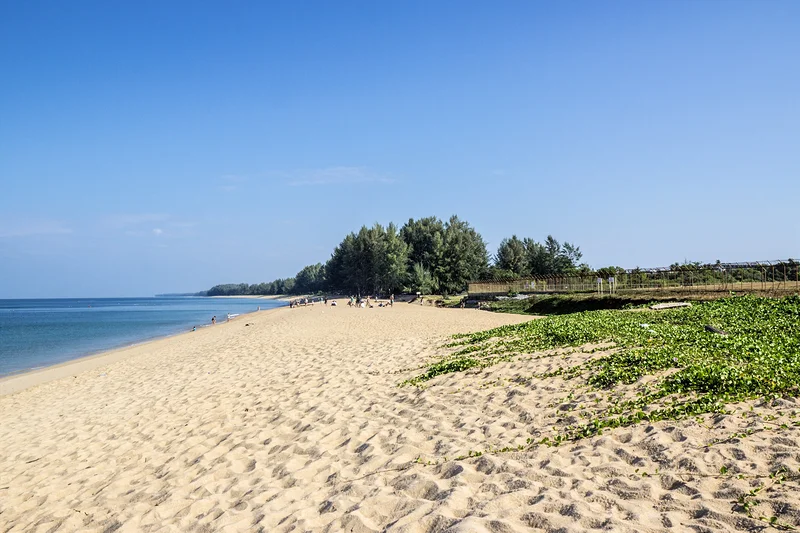
Located in northern Phuket, Mai Khao offers a quiet escape from the island's crowded nightlife. Its sand stretches along the Sirinat National Park, providing a perfect spot for long walks or watching planes descend toward the nearby airport. You can spend the day at the Splash Jungle Water Park or explore the local history at the Baan Ar-Jor House Museum. It is the right choice if you prefer a low-key atmosphere and natural surroundings over the typical resort scene.

Ranking of the 12 activities selected by our editors in Thailand

#1 Wat Arun (Bangkok) +14 5

In Bangkok, Wat Pho is not the only temple on your list. Wat Arun, located just across the river, stands as a prime example of Buddhist religious art. Reaching 85 meters at the peak of its central Prang, the trident of Shiva watches over the temple and the Chao Phraya river. Following renovations in 2017, the site remains in excellent condition.

See the guide See deals-7%AVYGEO7

#2 Wat Pho (Bangkok) +13 5

After the capital moved in 1767, Wat Pho earned the title of royal monastery. Significant expansions followed in 1939, growing the site to over 20 acres and housing the iconic Reclining Buddha. Today, 12,000 daily visitors explore the intricate tilework, friezes, and the resident school of traditional medicine and massage in Bangkok.

See the guide See deals

#3 Chatuchak Market (Bangkok) +10 4.3

Chatuchak Market is one of a kind in Thailand. Established in 1942 and relocated several times, it now sits south of Chatuchak Park in Bangkok. You will find everything imaginable among the 15,000 stalls across 27 sections. With 200,000 daily visitors, it is a hub for locals and travelers alike to experience the real Bangkok.

See the guide See deals

#4 Khao San Road (Bangkok) +9 4.5

Khao San Road was once a primary rice market in Bangkok. The influx of visitors boosted the local economy, transforming the area. By the early 1980s, backpackers began arriving from across the globe. The street remains a top spot to drop your bags. With 45,000 daily visitors in high season, it is a truly international hub.

#5 Wat Phra That Doi Suthep (Chiang Mai) +7 4.5

Wat Phra That Doi Suthep sits 13 km from Chiang Mai on Suthep Mountain. Its perch provides panoramic views of the city. The temple blends Buddhist and Hindu elements, including an Emerald Buddha replica and a statue of Ganesh. Legend says a white elephant carrying a Buddha relic chose this site. Climb 306 steps to the pagoda.

See the guide See deals-7%AVYGEO7

#6 Emerald Buddha Temple (Bangkok) +7 5

The Emerald Buddha Temple, or Wat Phra Kaeo, is the most sacred site in Bangkok. Built by Rama I in 1782 within the royal palace grounds, it was originally restricted to the royal family. Since 1784, it has housed the Emerald Buddha, a statue revered nationwide, where locals gather for regular prayers and national rituals.

See the guide See deals-7%AVYGEO7

#7 Grand Palace (Bangkok) +4 5

The Grand Palace in Bangkok is a royal complex founded in 1782, spanning nearly 55 acres with over a hundred buildings. Explore throne halls, ceremonial pavilions, and the Wat Phra Kaew, home to the Emerald Buddha. A 500 THB (about $14) ticket includes entry to the palace, temple, and Queen Sirikit Museum of Textiles.

See the guide See deals-7%AVYGEO7

#8 Royal Flora Ratchaphruek National Park (Chiang Mai) +3 5

Royal Flora Ratchaphruek National Park opened in 2006 for an international horticultural expo. Spanning 80 hectares, it hosts 30 global gardens. Since 2008, it has welcomed the public to view 2.5 million plants across 2,200 tropical species. The orchid greenhouse remains the highlight. Explore this lush, vibrant landscape in Chiang Mai, Thailand.

See the guide See deals

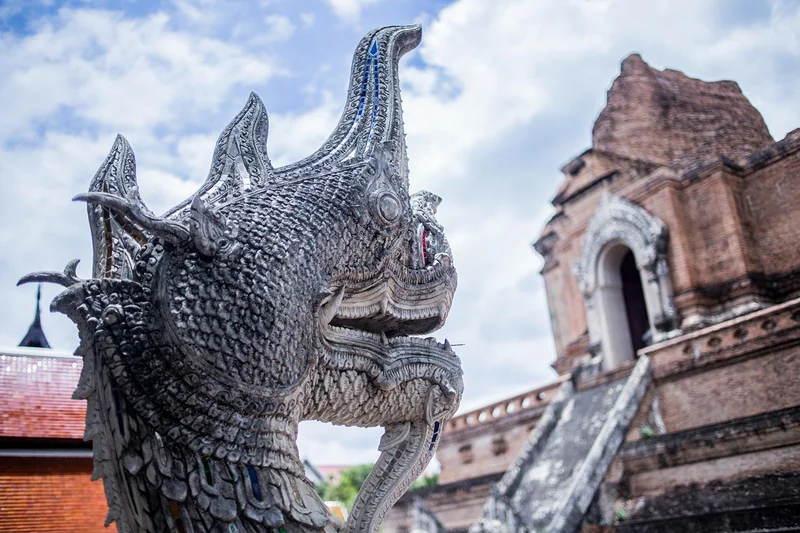
#9 Wat Chedi Luang (Chiang Mai) +3 5

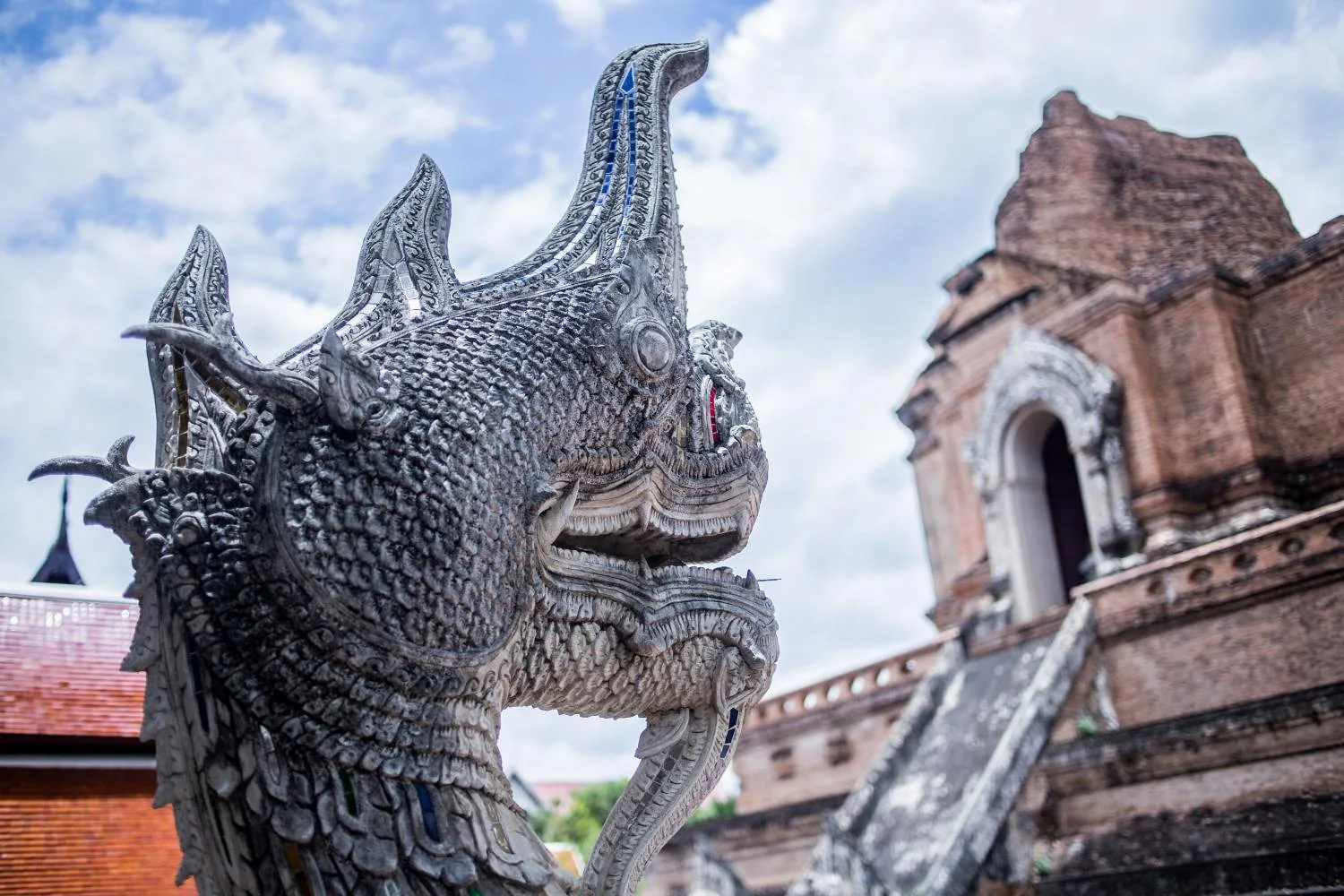
Wat Chedi Luang was built to house the ashes of King Phra Chao Ku Na. Originally decorated in gold and silver, it was a lavish final resting place. After a 1545 earthquake and Burmese looting, 1990 renovations restored its grandeur. Today, it is a sacred site in Chiang Mai and a prime example of Lanna temple architecture.

See the guide See deals-7%AVYGEO7

#10 White Temple (Chiang Rai) +2 5

The White Temple in Chiang Rai was crumbling until Thai artist Chalemchai Kositpipat funded its total reconstruction. He invested 40 million THB (about $1.1 million) into this surreal site. You will find traditional prayer chapels and sacred Buddhist imagery, alongside murals of Neo from Matrix, Alien, and Iron Man. Two mythologies collide here.

See the guide See deals

#11 Mai Khao Beach (Mai Khao) +2 5

Phuket in Thailand holds many stunning spots, fueling its popularity with travelers and locals alike. Located 900km from the buzz of Bangkok, the island offers preserved nature and rugged beaches. Mai Khao Beach sits on the northwest coast, mostly bordered by the Sirinath National Park (Sirinath National Park). This area suits nature lovers who can spot wildlife while walking along 10km of shoreline. A wild and beautiful escape.

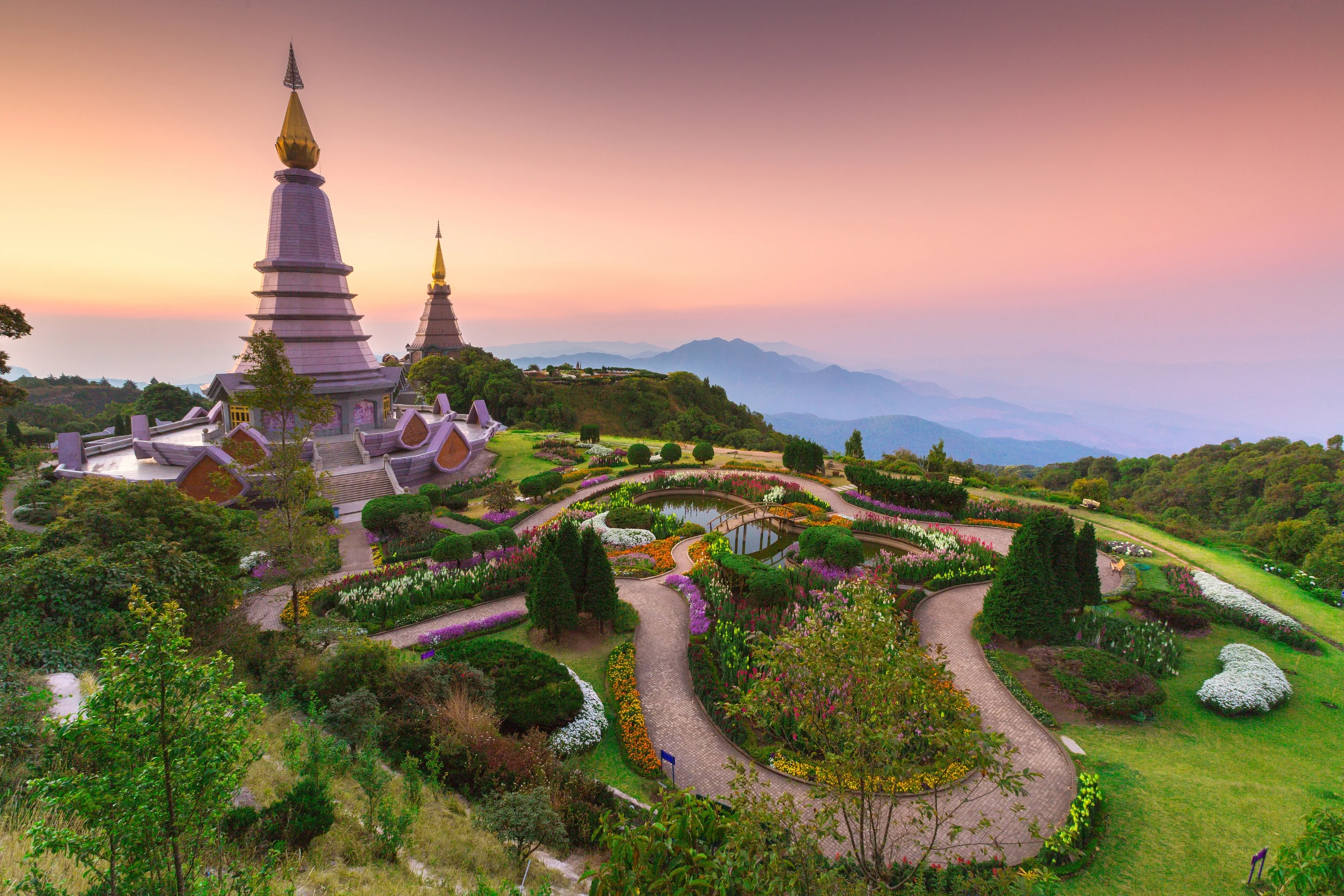
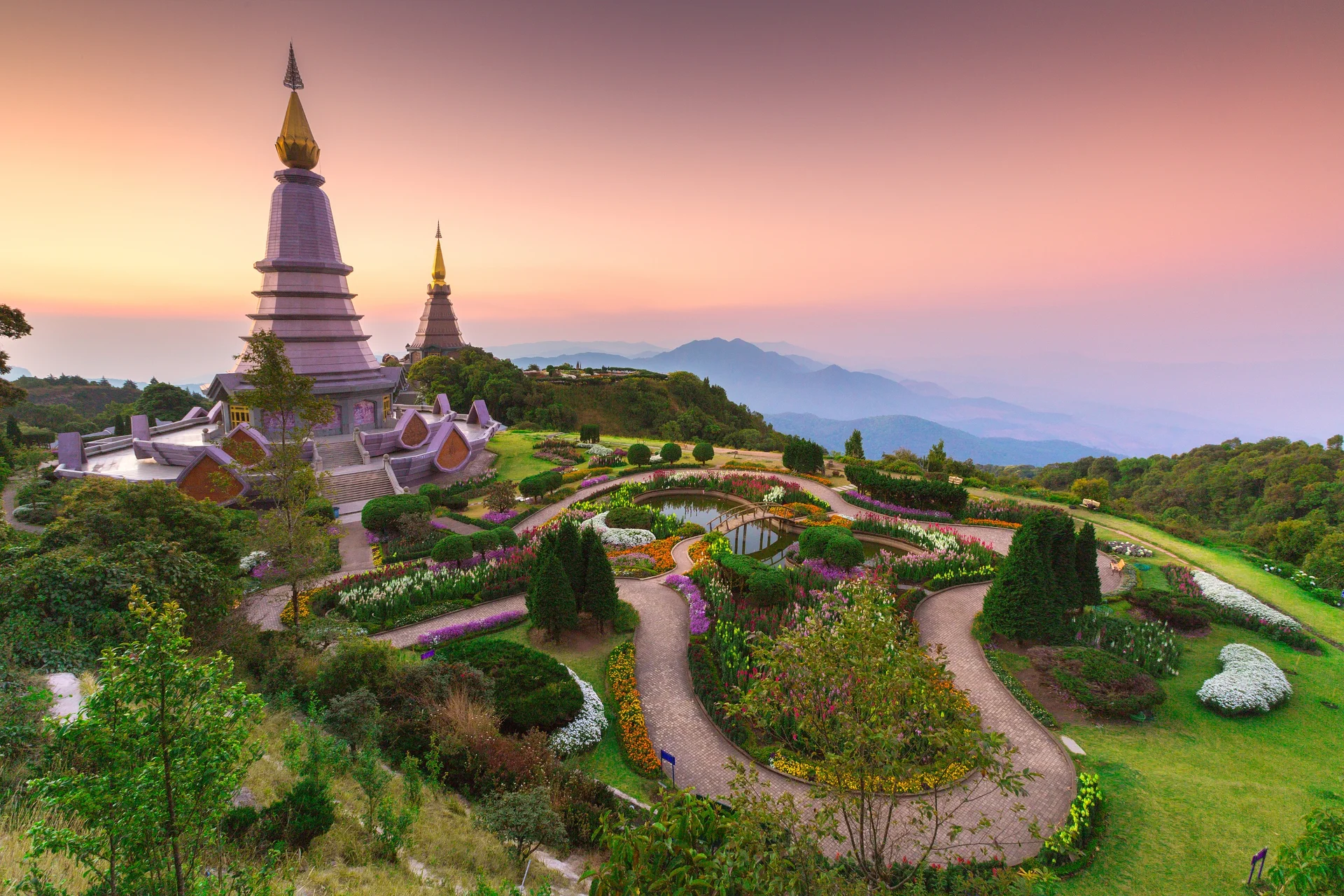
#12 Doi Inthanon National Park (Chiang Mai) +1 5

As the highest point in Thailand at 2,565 meters, Doi Inthanon National Park features mossy cloud forests, powerful waterfalls, accessible hiking trails, and royal pagodas with panoramic views. Located just 90 km from Chiang Mai, it is an ideal day trip for nature lovers and birdwatchers, with over 500 bird species recorded.

See the guide See deals-7%AVYGEO7

Thailand: Jungle Trails, Ancient Temples, and Some of the Best Beaches in Asia

The Landscape, Region by Region

Thailand covers a lot of ground, and each region feels like a different country. The north is all forested mountains and tropical highlands, great for trekking and visiting the hill tribe villages that dot the area around Chiang Mai. Temperatures up here are noticeably cooler than the coast, which makes it a welcome change if you're coming from a beach stint.

The central plains hold most of the country's history. Ayutthaya and Sukhothai are both former capitals with sprawling temple ruins that give you a real sense of how powerful this kingdom once was.

The south is what most first-timers picture when they think of Thailand: white-sand beaches, limestone cliffs rising out of turquoise water, and islands like Koh Phi Phi and Ko Samui that deliver on the postcard promise. The Gulf and Andaman coasts offer solid diving and snorkeling, think Caribbean-quality water clarity with a distinctly Southeast Asian feel.

Culture and Temples Worth Your Time

Buddhist temples are everywhere, and they're not just for tourists. Locals use them daily. In Bangkok, Wat Arun (the Temple of Dawn) along the Chao Phraya River is one of the most recognizable landmarks in the country. Up in Chiang Mai, Doi Suthep sits on a hill above the city and draws both pilgrims and visitors for good reason.

Beyond the temples, floating markets and historic neighborhoods fill in the picture. If your timing works out, catching a traditional dance performance or sitting in on a religious ceremony gives you something no tour bus can replicate.

What to Eat

Thai food in Thailand tastes nothing like the watered-down versions you've had back home. The benchmarks: pad thai (stir-fried rice noodles), tom kha kai (coconut milk chicken soup with galangal and lemongrass), and som tam (green papaya salad with a serious kick). The curries are a category of their own. Massaman is rich and mildly spiced, while panang is thicker and more intense. Street food is where a lot of the best eating happens: grilled skewers, Thai-style crepes, and vendors selling fresh-cut fruit at night markets for next to nothing, typically 20-50 THB (under $2) a portion.

Things to Do

Nature lovers should put Khao Yai and Erawan national parks on the list. Both have impressive waterfalls and genuine wildlife, including elephants in Khao Yai. The southern beaches cover the water sports side: diving, snorkeling, and kayaking are all easy to arrange once you're there.

In Bangkok, a boat ride on the Chao Phraya River or a morning at one of the floating markets is worth building into your itinerary. Before you leave, a Thai cooking class or a traditional massage course gives you something practical to bring home.

When to Go

The sweet spot is November through March, during the dry season. Temperatures are manageable, skies are mostly clear, and conditions are good everywhere from the northern mountains to the southern islands.

Two festivals worth planning around: Loy Krathong in November, the lantern festival where thousands of lights float down rivers and into the sky, and Songkran in April, the Thai New Year celebrated with city-wide water fights. Just know that April is also hot and humid. The rainy season runs May through October and makes outdoor activities hit-or-miss.

Getting There

From the US, you're looking at connecting flights through hubs like Tokyo, Seoul, Doha, or Dubai into Bangkok (Suvarnabhumi), Phuket, or Chiang Mai. Total travel time runs 18 to 22 hours depending on your layover. Round-trip fares typically fall between $700 and $1,200 depending on the season and how far in advance you book. Carriers like Thai Airways, Qatar Airways, and Emirates are common options. Book early for peak season travel (December through February), prices climb fast.

Getting Around

Thailand's domestic transportation network is solid. Long-distance trains and buses connect the major cities and tourist regions at low cost, often under 500 THB ($14) for a multi-hour journey. For flexibility, especially on the islands or in rural areas, renting a scooter or car makes sense.

Domestic flights on carriers like Thai Smile and AirAsia are worth it when you're covering big distances, like jumping from Bangkok to Chiang Mai or down to Phuket. Fares can be as low as 800-1,500 THB ($22-42) if you book ahead.

In the cities, tuk-tuks and taxis handle short hops. In Bangkok, the BTS Skytrain and MRT subway are the fastest way to move around and cost 16-59 THB ($0.50-1.70) per ride.
Find the best deals to travel to Thailand

Hotels and stays Flights Car rentals Custom trips

Top photos posted by members

Chiang Mai
Chiang Mai
Lopburi