
Palace of the Popes: A Gothic fortress that defied Rome for seventy years
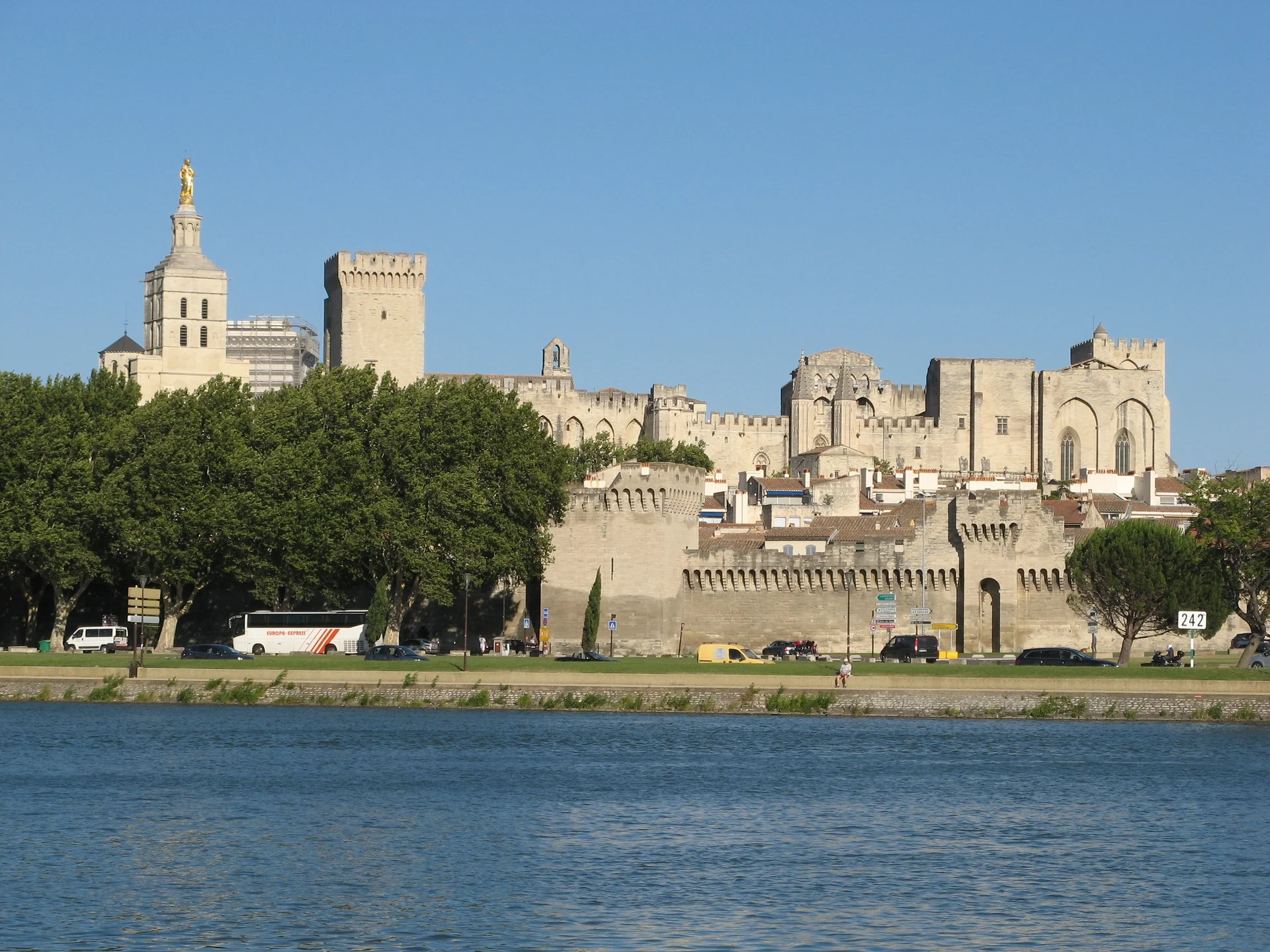
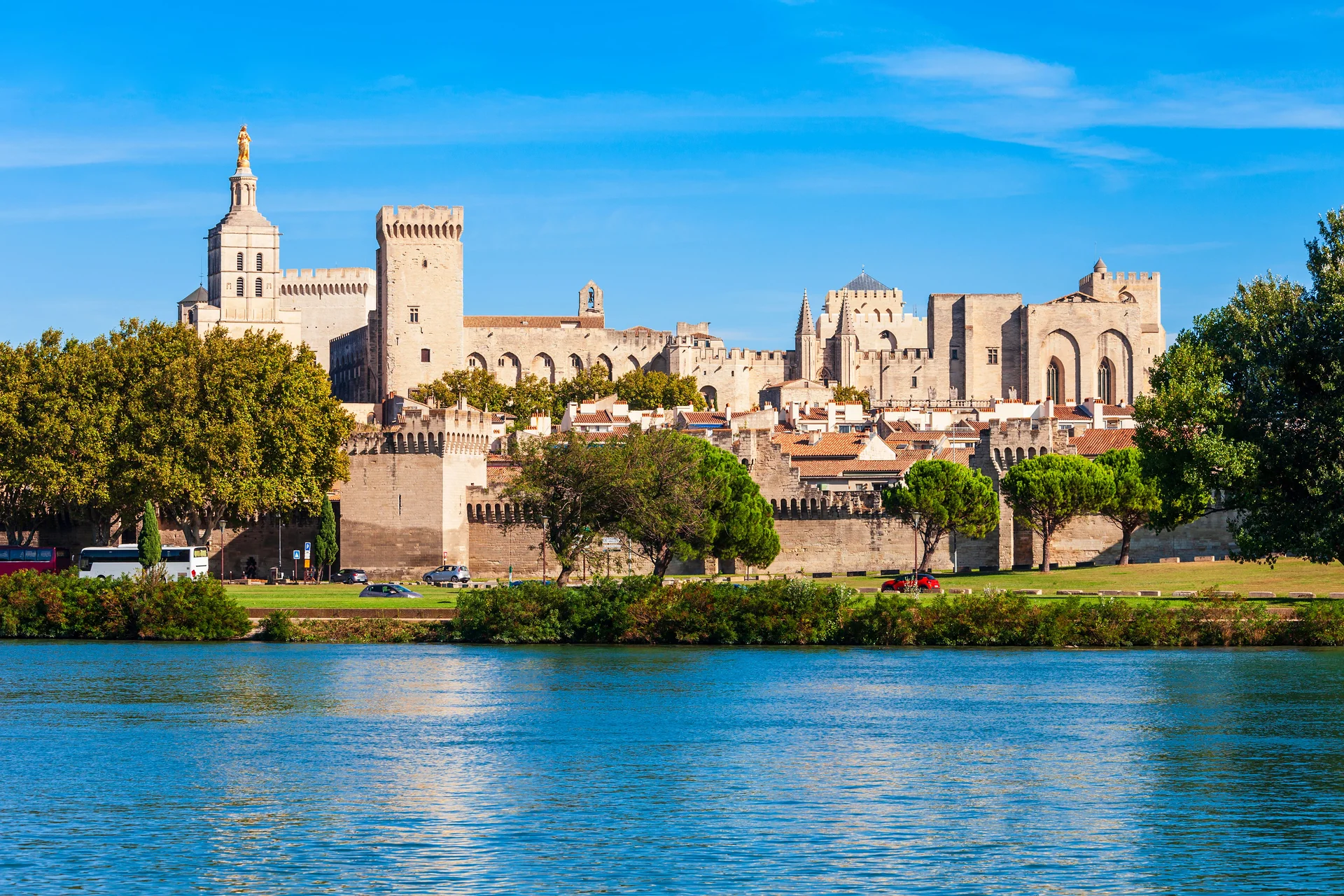
Perched on a rocky outcrop, the Palace of the Popes rises with its 161,458 square feet of blonde stone, a defiant landmark built to endure. Between 1335 and 1352, two ambitious popes transformed the Provençal landscape into the largest Gothic palace complex ever conceived, with a footprint equivalent to four cathedrals. Nine sovereign pontiffs reigned here over Western Christendom, far from the chaos of Rome, turning a city on the Rhône into the spiritual capital of the West.
Why this papal fortress demands several hours of your time
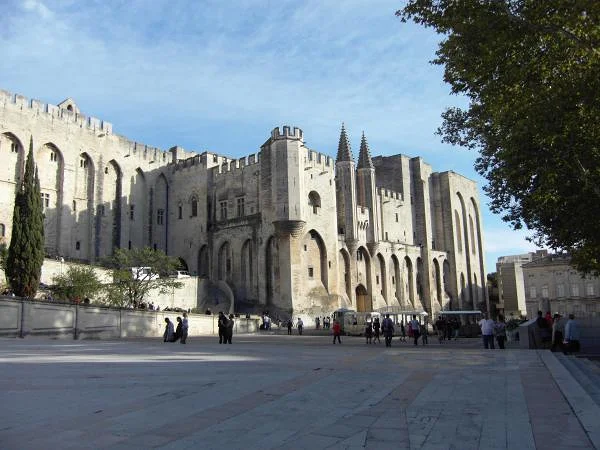
This palace is more than a monument. It is the architectural record of a period when the papacy chose to abandon Rome and settle in Provence. From 1309 to 1377, Avignon became the nerve center for the spiritual and temporal power of the Catholic Church. The titanic construction is divided into two distinct sections: the Palais Vieux (Old Palace), made austere and fortified under Benedict XII, and the Palais Neuf (New Palace), which was built with opulent, sculpted detail under Clement VI.
A UNESCO World Heritage site since 1995, the monument features twenty-five rooms open to the public. Every visitor receives a complimentary HistoPad, a digital tablet available in seven languages that uses augmented reality to reconstruct the splendor of the 14th century. The bare stone vaults come to life, blue tapestries scattered with gold stars return to the ceilings, and empty walls are filled with vibrant frescoes.
The state rooms that hosted kings and cardinals
The Grand Tinel and its legendary feasts
This colossal hall, measuring 157 feet in length, hosted papal banquets and the conclaves held to elect new popes. In the 14th century, its paneled ceiling was hidden by a blue fabric studded with golden stars to represent the heavens. The adjoining kitchens were capable of serving up to one thousand guests. Historical records suggest menus featured roasted peacock, heron in sauce, and stuffed suckling pig.
The Great Clementine Chapel, a suspended cathedral
At 170 feet long, 49 feet wide, and 65 feet under the vaults, this chapel defies comprehension. Clement VI intended to impress through sheer scale. The ribbed vaults soar in a dizzying display of Gothic architecture. Today, the Cour d'honneur (Main Courtyard) of the palace hosts the most prestigious performances of the Festival d'Avignon each July, continuing the cultural tradition started by the patron popes.
The private apartments and their miraculous frescoes
Deep within the 150-foot-high Tour du Pape (Pope's Tower), the private apartments reveal unexpected intimacy. The Chambre du Cerf (Stag Room) stuns visitors with its frescoes of secular life painted by Matteo Giovannetti between 1343 and 1348, featuring scenes of hunting, fishing, and gathering set in surprisingly lush forest landscapes. On the walls of the Chambre du Pape (Pope's Chamber), an anxious stag watches the sovereign pontiff from his study, a symbol of spiritual vigilance.
The Saint-Martial and Saint-Jean chapels house the palace's finest treasures. Between 1344 and 1348, Giovannetti created priceless fresco cycles here depicting the lives of saints. The scenes are labeled and ordered alphabetically, a testament to medieval scholarship. These painted rooms are the only areas where photography remains prohibited to protect the centuries-old pigments.
Pro tip: Arrive when doors open at 9 a.m. in the high season to enjoy the rooms while they are still quiet. The panoramic terraces at the summit offer a sublime view of Avignon, the Rhône, and Mont Ventoux. Plan for at least two hours for a complete visit, or more if you want to see the Othoniel Cosmos exhibition.
The papal gardens and their botanical secrets
Recently renovated, the palace gardens are divided into three distinct spaces accessible via the Cour Maria Casarès. The verger Urbain V (Urban V orchard), a public garden since 1927, offers a playground marked by animal sculptures. The jardin du Palais (Palace Garden) cultivates the Mediterranean plants present in the 14th century, including rosemary, lavender, fig trees, and olive trees. The jardin du Pape (Pope's Garden), the most intimate of the three, houses the griffon fountain and a monumental pergola.
These gardens close thirty minutes before the rest of the monument. They are free to enter daily for local Avignon residents who show proof of residency. It is the perfect spot for a shaded break after climbing the five hundred steps found throughout the interior tour of the palace.
Opening hours
*Information subject to change

It is fascinating to think that the city of Avignon was, once upon a time, just as important as the Vatican. And you can easily imagine this sumptuous Gothic palace as a home for Popes! There is a sense of grandeur emanating from it that truly moves the visitor. A little personal recommendation: if you ever have the chance to see a show in the main courtyard of the Palace of the Popes during the Festival d'Avignon, do not hesitate! It is an unforgettable and timeless experience...