Visiting Nepal: Where the Himalayas Meet the Spirit
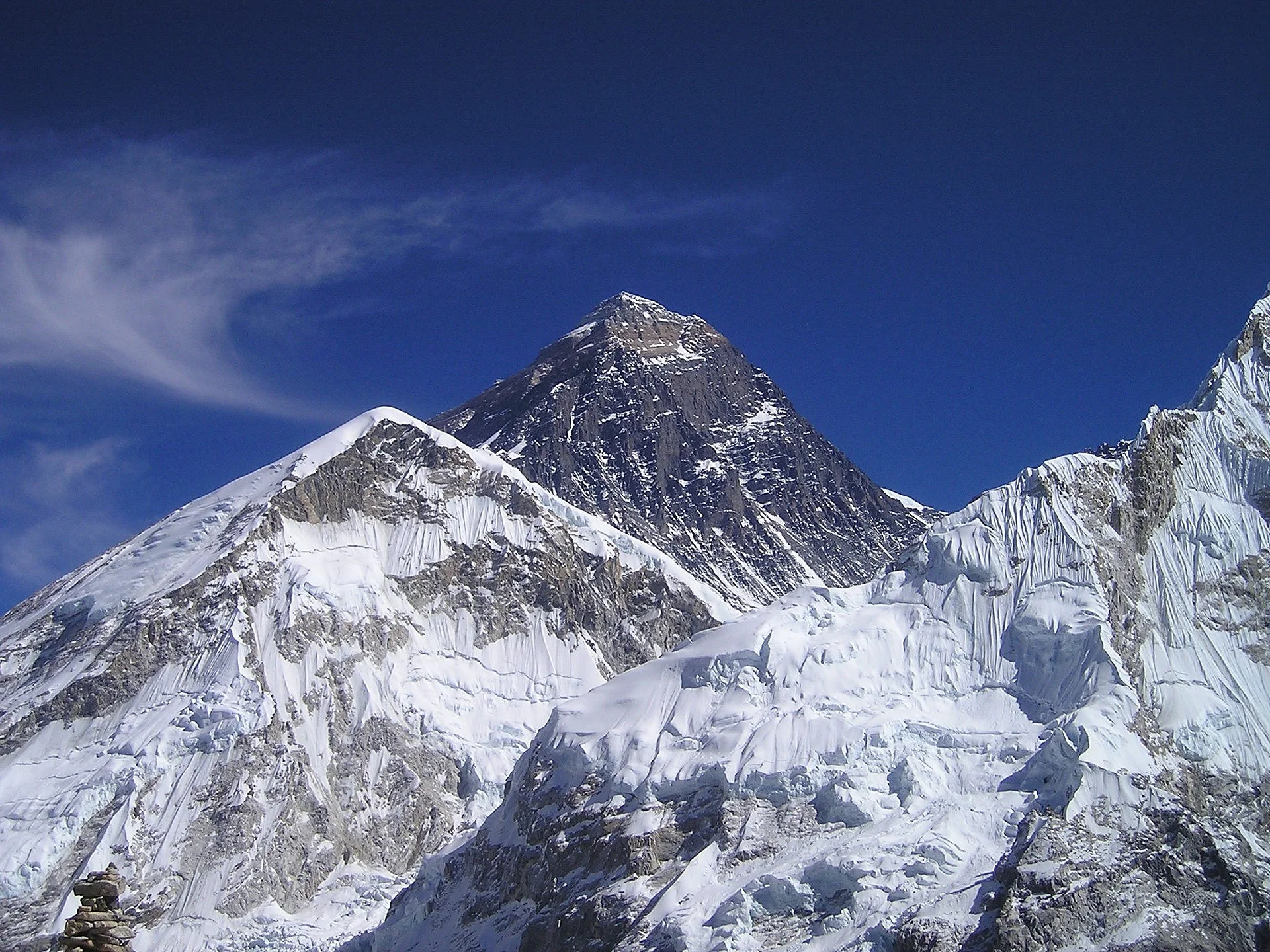
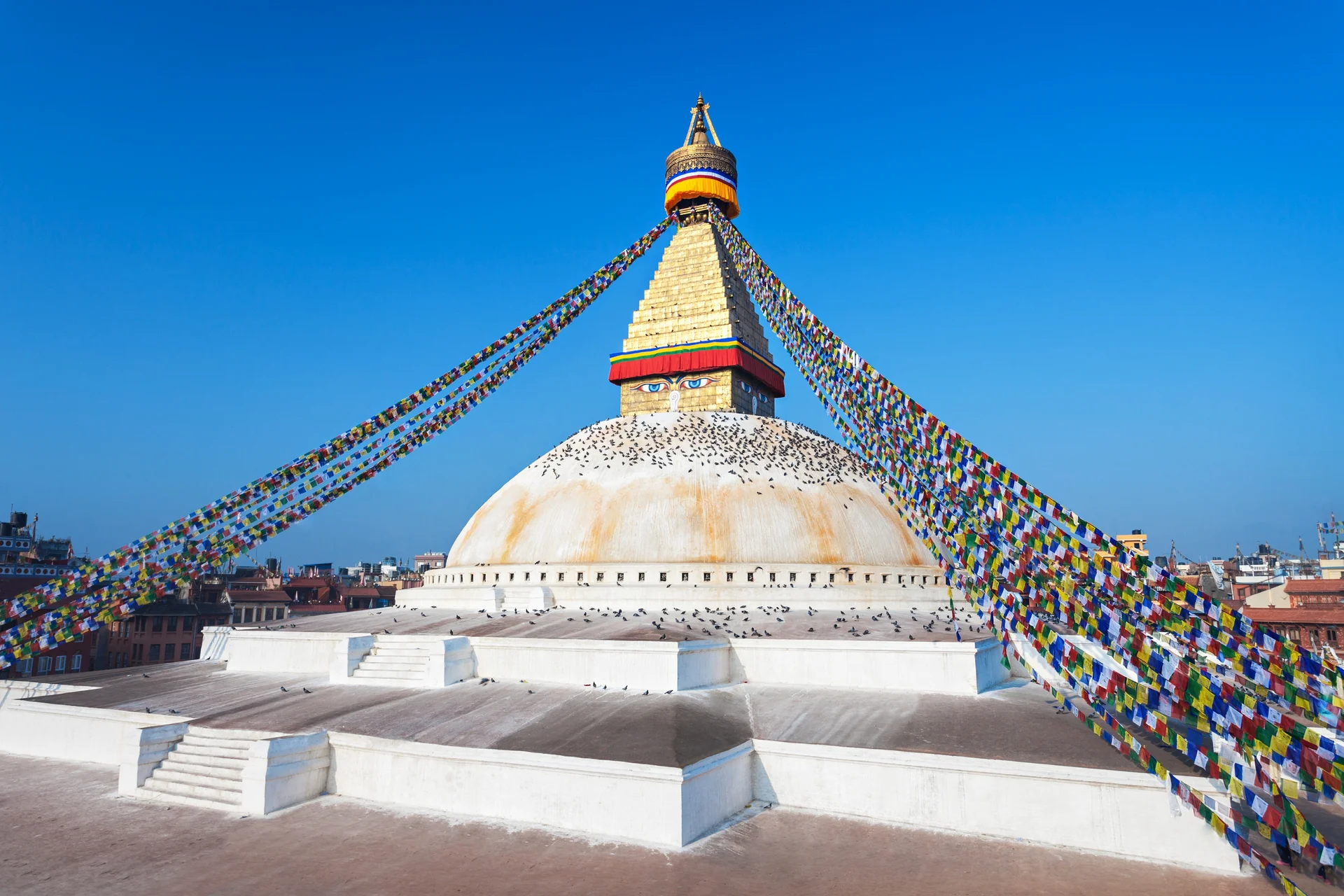
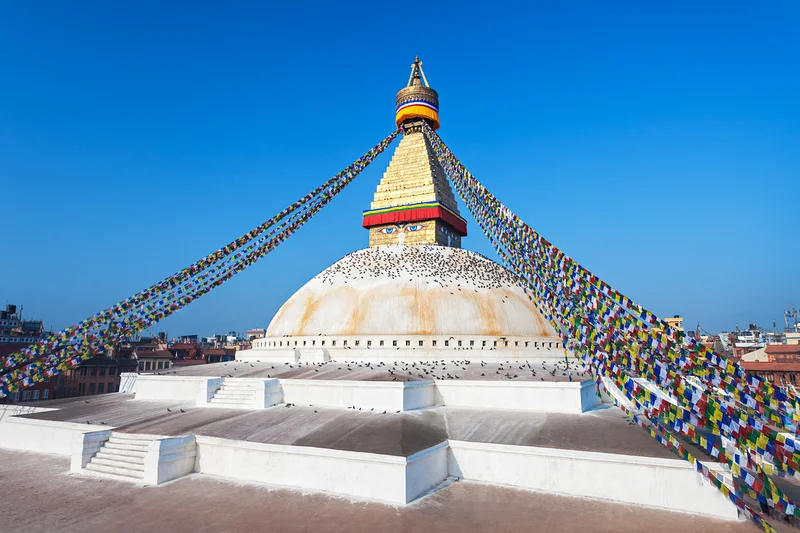
Nepal is roughly the size of Arkansas, yet it packs in eight of the world's ten tallest peaks, the birthplace of Buddha, and more than 300 Hindu and Buddhist festivals every year. This is where backpackers-turned-trekkers come to push their limits, where ancient trade routes between India and China still shape daily life, and where you can spot Bengal tigers in the jungle one day and meditate at a 2,000-year-old stupa the next. The food alone is worth the trip: fragrant dal bhat, coriander-heavy curries, and spice blends you won't find anywhere else.
The Kathmandu Valley: about 10 miles across, sitting west of Everest
Kathmandu: a capital city that hits like a sensory overload (in the best way)
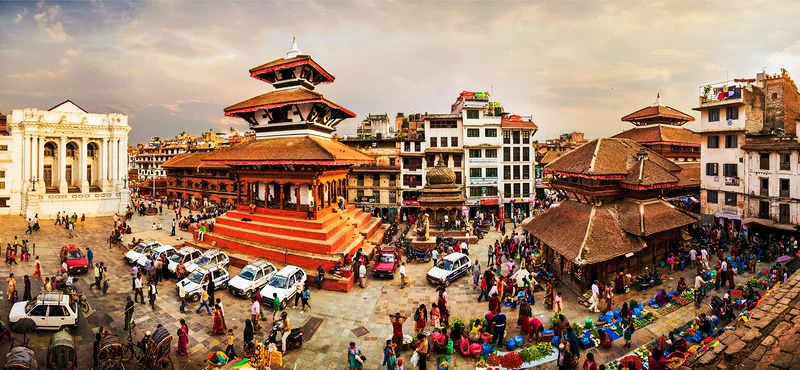
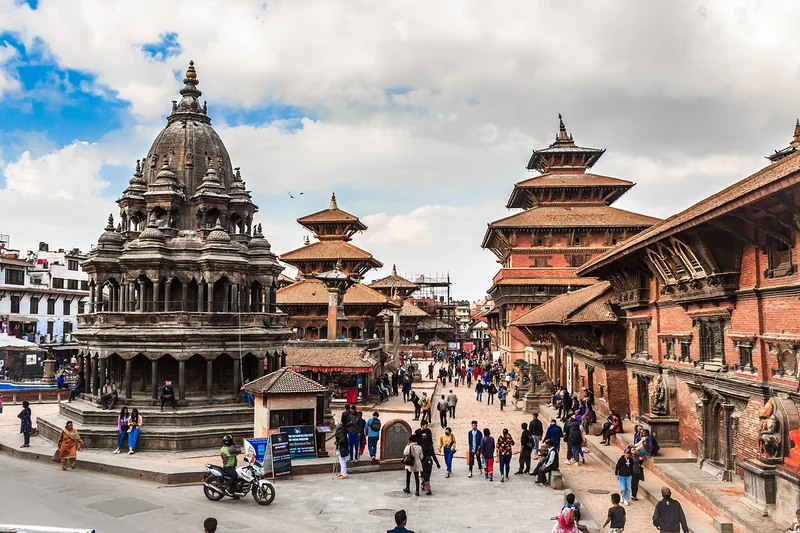
Kathmandu feels like stepping into northern India with its own distinct personality. Start your morning at Durbar Square, the city's main ceremonial and religious hub, still being rebuilt after the devastating 2015 earthquake. On the square, look for Kumari Ghar, an ornate 18th-century building dedicated to the Kumari, young girls selected and worshipped as living goddesses until they reach puberty. From there, take in the Bhagwati Temple, Jagannath Temple, and Taleju Temple in quick succession.
Before you leave the square, look right after the large bell for a row of intricate ivory-carved windows. The rooftop terrace at the Taleju View café-restaurant gives you the best overview of the whole complex. Head back toward Thamel, the main tourist and shopping district, via Asan Tole. On Makhan Tole, duck into Machendranath Bahal, a quiet and atmospheric temple where musicians often chant psalms between 8 and 10 in the morning.
The valley beyond Kathmandu
If you'd rather skip Thamel's tourist-heavy scene for your home base, Bhaktapur, Patan (now officially called Lalitpur), and Nagarkot are all solid alternatives.
Bhaktapur (also called Bhadgaon) is widely considered the most beautiful city in the valley. There's an entry fee of around 1,500 NPR (about $11). It's the heartland of Newar culture, a community of traders and craftspeople historically known for their hospitality and craftsmanship. The cobblestone pedestrian lanes, small local eateries, and dense concentration of temples give it a feel unlike anywhere else in Nepal. Bernardo Bertolucci used it as a filming location for "Little Buddha." Don't skip the Royal Palace (the famous 55-window palace), Pashupatinath Temple, Taumadhi Tole square with its Nyatapola Temple, and Dattatraya Temple.
Lalitpur (formerly known as Patan) is home to four of Asia's largest stupas. It's a more relaxed city than Kathmandu, with a standout royal palace, an excellent museum, and the upscale Jhamsikhel neighborhood that draws a sizable expat crowd.
The Annapurna Circuit
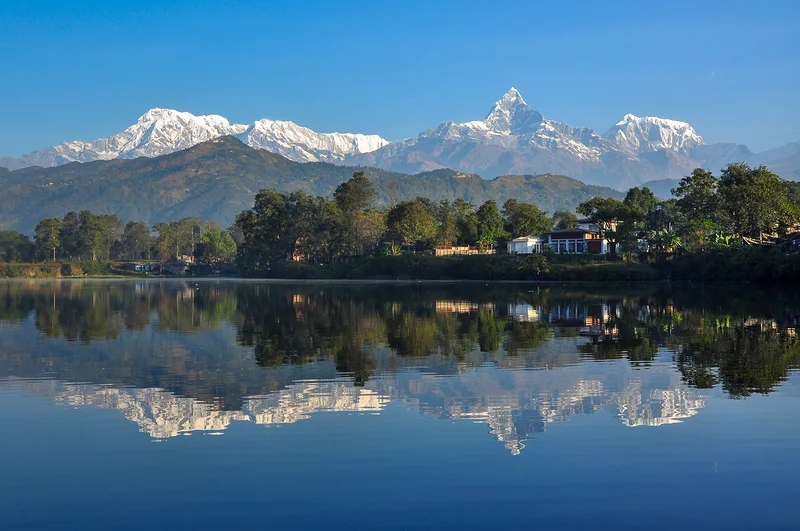
The roughly 125-mile road connecting Kathmandu to the main trekking trailheads is bumpy and chaotic, but the villages of Gorkha and Bandipur make for worthwhile rest stops along the way. The hub for Annapurna trekking is Pokhara, a resort town on the shores of Phewa Lake. Beyond trekking, you can go white-water rafting, canyoning, kayaking, paragliding, ultralight flying, or mountain biking.
Chitwan National Park
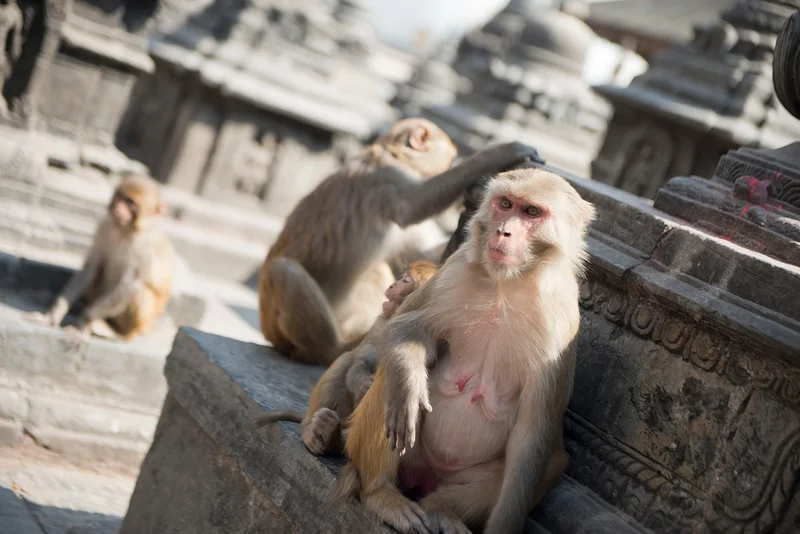
Once a royal hunting reserve, Chitwan is now one of Asia's premier wildlife destinations. Tours run by jeep, on foot, or by dugout canoe, always with a guide. The park's tropical jungle is home to one-horned rhinoceroses, mugger crocodiles, deer, monkeys, and elephants. If you're lucky, you might also spot a Bengal tiger.
When to Go
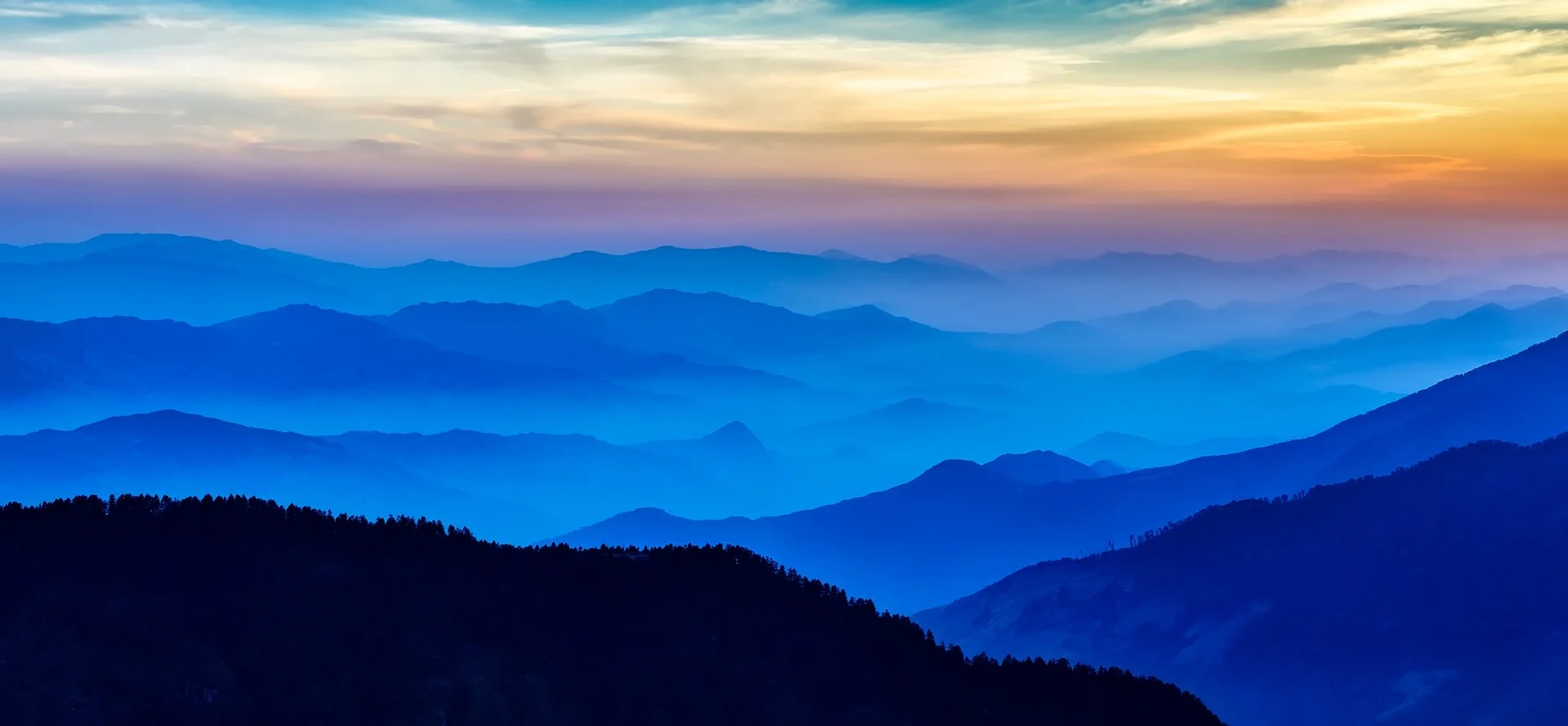
The best time to visit is October through April, during the dry season. Skies are clearer, trails are more accessible, and the mountain views are at their sharpest.
Getting There
From the US, you'll fly into Kathmandu's Tribhuvan International Airport, almost always with at least one connection through a hub like Istanbul, Doha, or Dubai. Total travel time from the East Coast typically runs 18 to 22 hours depending on your layover. Round-trip economy fares generally range from $900 to $1,500 depending on the season and airline.
Getting Around
Self-drive car rentals are not available in Nepal, and even if they were, traffic in Kathmandu is genuinely chaotic. Taxis are your best bet for getting around cities: they're inexpensive as long as you negotiate the fare before you get in.