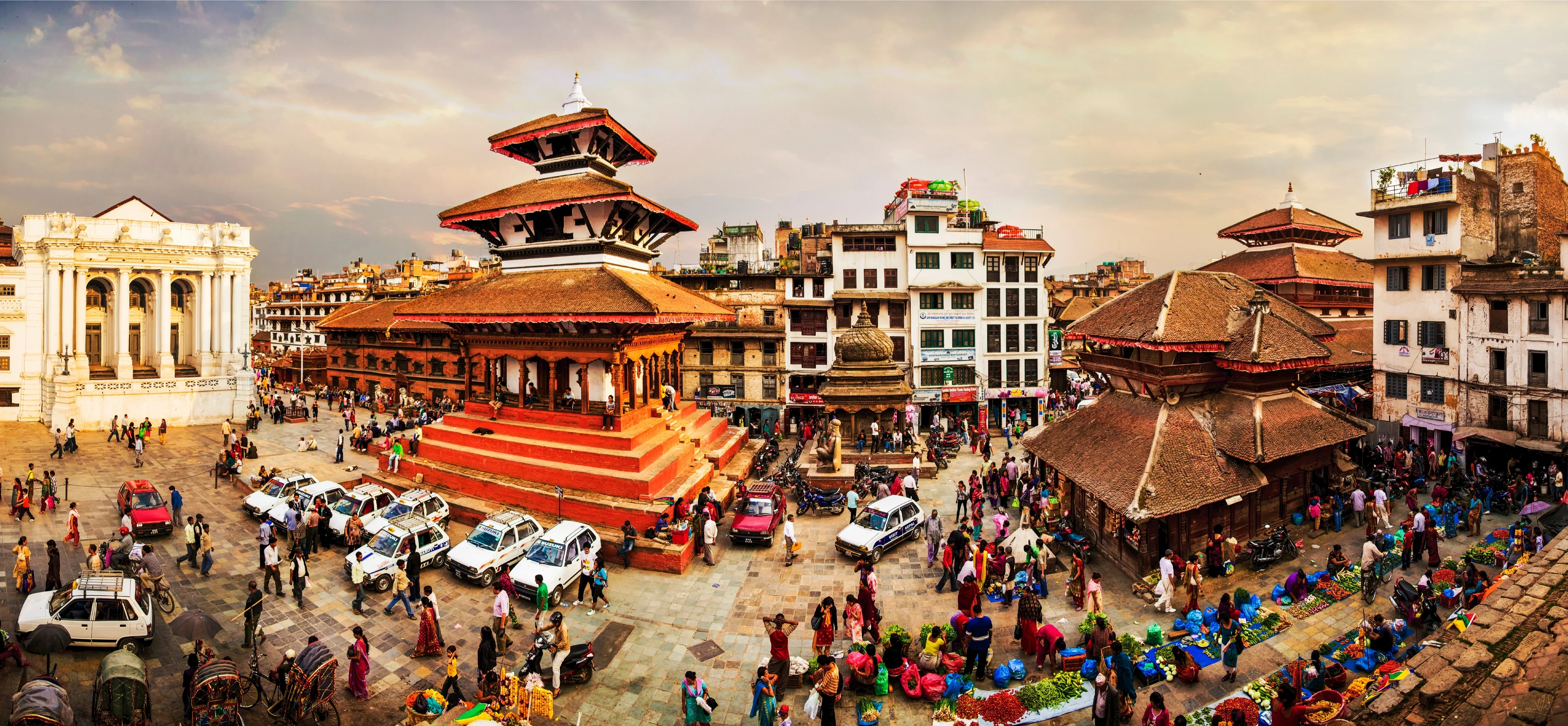
Visiting Kathmandu, where spirituality meets intensity
A capital at the heart of the Nepalese valley
Kathmandu, the capital of Nepal, is a city of sharp contrasts, blending ancient traditions with chaotic modernity. Settled in a valley ringed by mountains, it often serves as the first stop for travelers chasing spirituality, culture, and Himalayan views. However, Kathmandu can be overwhelming due to its dense urban sprawl, air quality, and relentless traffic. It appeals most to history buffs and culture seekers ready to navigate its hidden corners and centuries-old temples.
What to see in Kathmandu
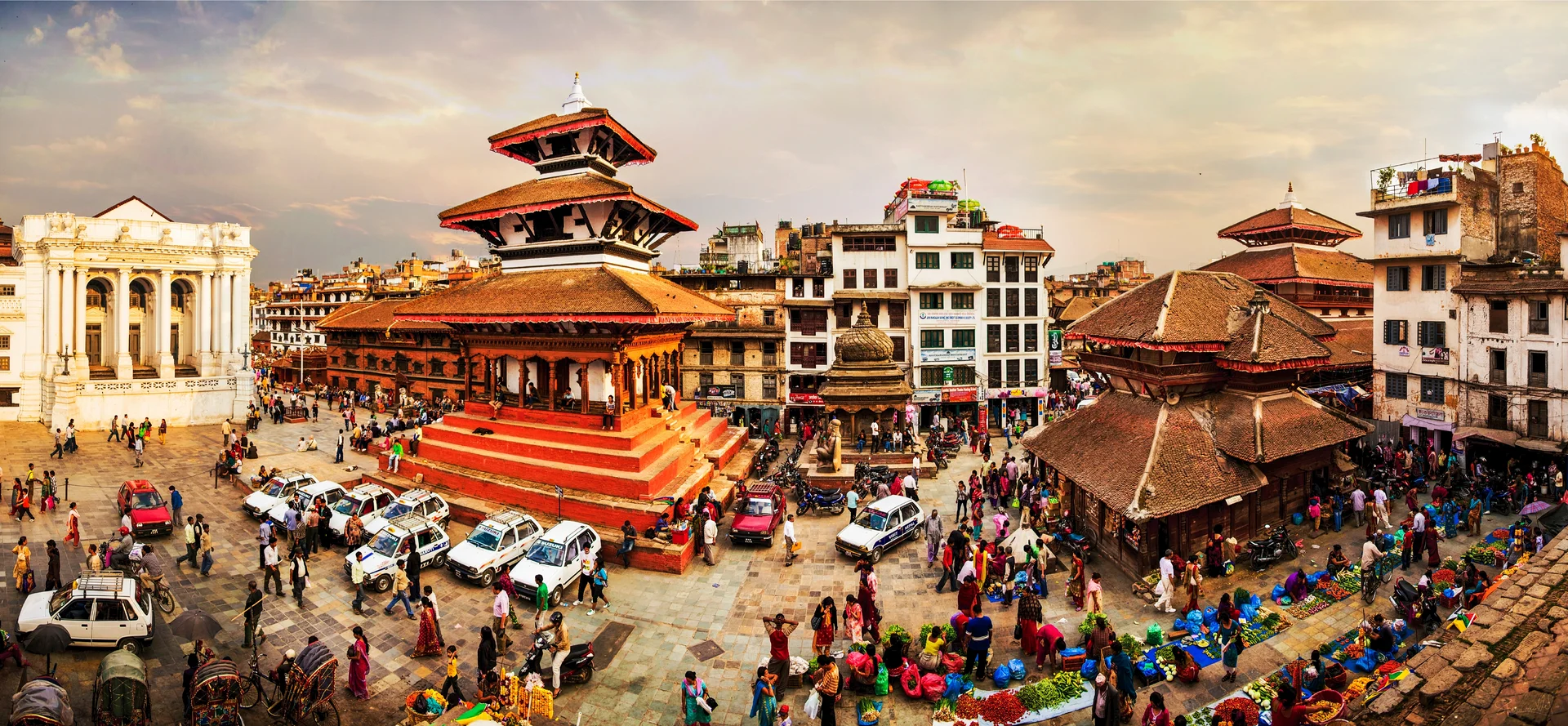
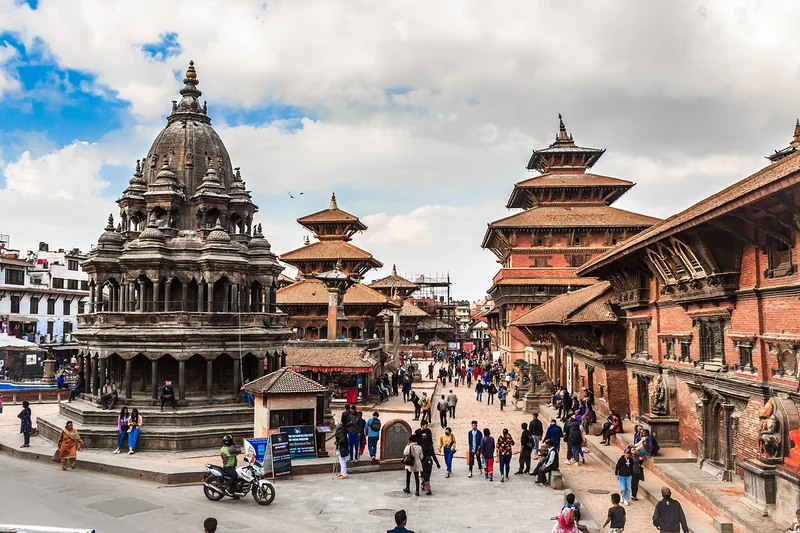
The city's historic core is anchored by Durbar Square, a collection of palaces and temples designated as a UNESCO World Heritage site. While partially damaged by the 2015 earthquake, it remains a vital spot for understanding Newar art and architecture. You will find the Hanuman Dhoka Palace, which houses a museum on the Nepalese monarchy, and Kumari Ghar, the residence of the living goddess, the Kumari.
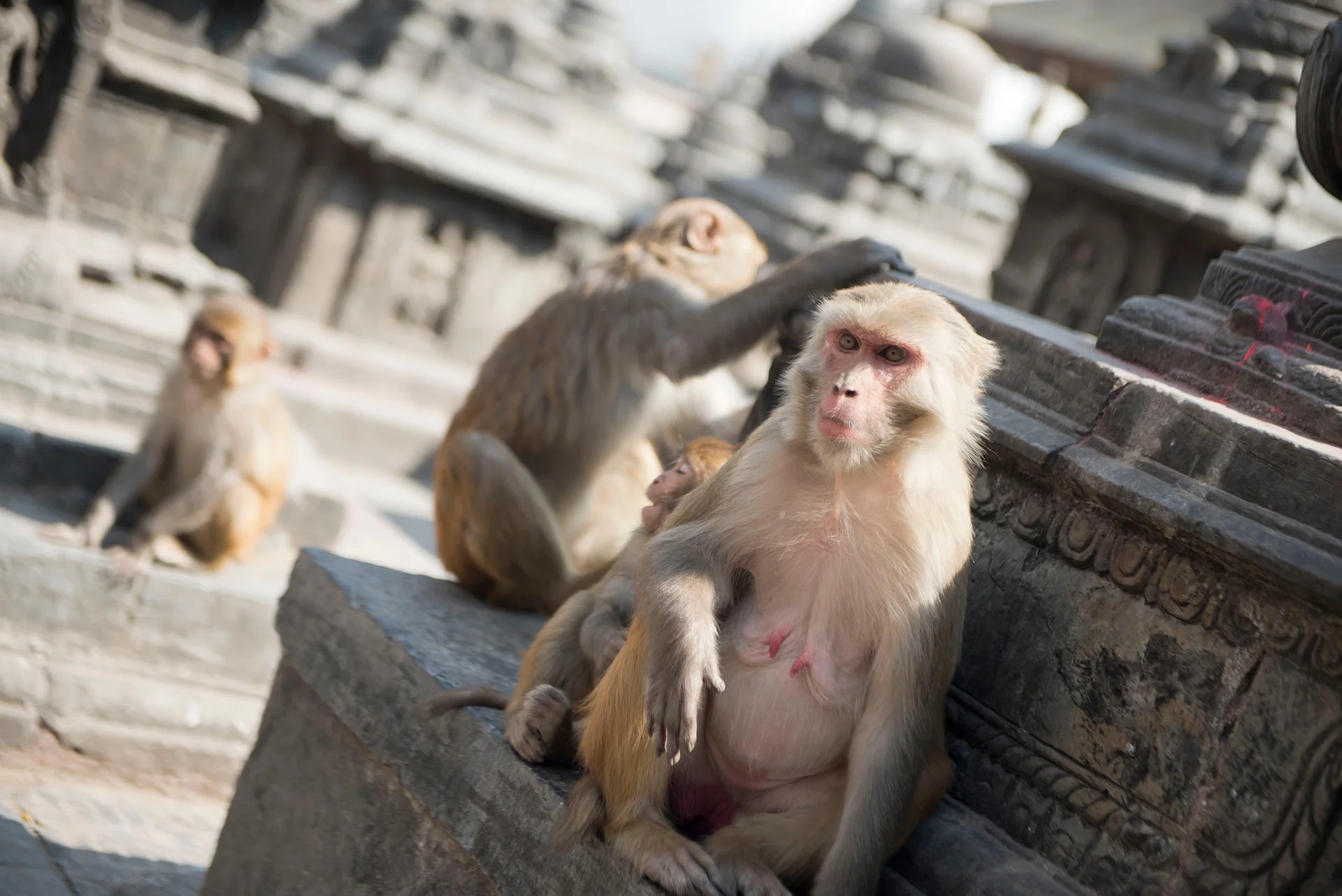
Another essential stop is the Swayambhunath Temple, often called the Monkey Temple. Perched on a hill, this sacred Buddhist site offers panoramic views of the city and a mystical atmosphere, despite the mischievous presence of the local monkey population.
What to see in the surrounding area
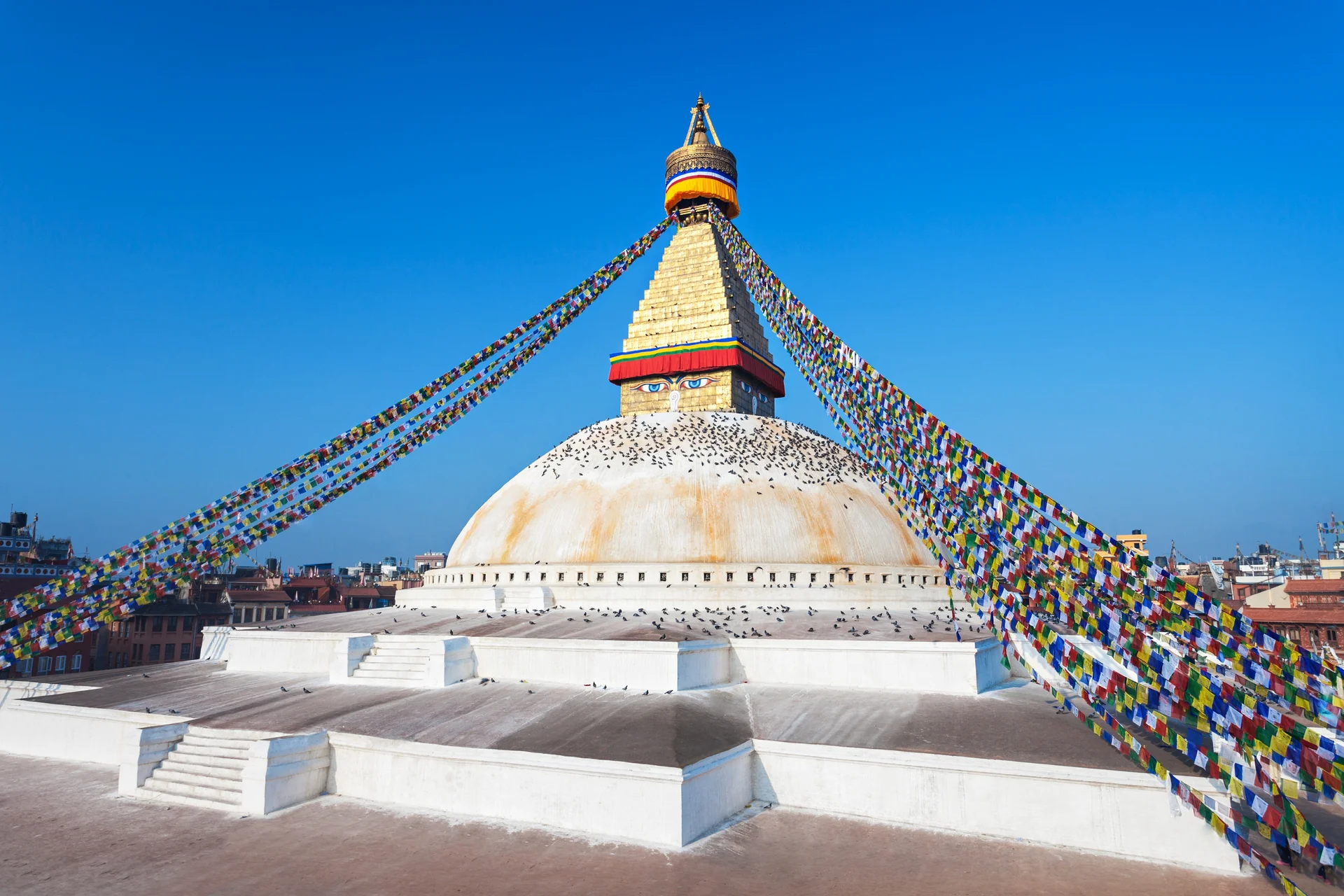
A few miles outside the city center, other notable sites warrant a visit. The Boudhanath stupa, one of the largest in the world, is a major pilgrimage site for Tibetan Buddhists and offers a peaceful atmosphere, especially at sunset.
Another point of interest is the Pashupatinath Temple, located on the banks of the Bagmati River. This Hindu complex is dedicated to Shiva and is known for its funeral ceremonies. While some scenes can be intense, it remains a captivating spiritual site for gaining insight into Nepalese culture.
Daily life full of contrasts
Walking through Kathmandu is a plunge into a loud, fast-paced daily life. Markets like Asan Tole overflow with colors, scents, and local crafts, while the tourist-heavy neighborhood of Thamel offers a more Western-leaning vibe with its shops, cafes, and trekking agencies. Keep in mind that Kathmandu is not a place for a relaxing getaway. The traffic and pollution can be physically taxing for some travelers.
Who is Kathmandu for?
Kathmandu is an ideal destination for those interested in culture, spirituality, and history. It also attracts adventurers looking to prep for a trek in the surrounding mountains. Conversely, if you are looking for total tranquility or modern infrastructure, you might prefer spending more time in rural areas or smaller neighboring villages.
With its unique temples, lively markets, and deep-seated traditions, Kathmandu remains a fascinating, if sometimes demanding, stop to discover the soul of Nepal.
When to go?
The best time to visit Kathmandu is during the dry seasons, from late September to November and from March to May. These months offer pleasant weather, with moderate temperatures and clear visibility for mountain gazing and exploring historic sites.
How to get there?
From the US, you will typically take an international flight with at least one stop (often in Doha, Dubai, or Istanbul) to reach Tribhuvan International Airport in Kathmandu. Total travel time usually runs between 20 and 25 hours, depending on your connection. Round-trip fares generally range from $900 to $1,500, depending on the season and the airline. This airport is the primary entry point to Nepal.
The city center of Kathmandu is about 4 miles from the airport. A taxi is the most practical option, costing between 700 and 1,000 NPR (about $5 to $7.50) for a 20 to 30-minute ride. You can also arrange a transfer through your hotel or take a local bus, though the latter is difficult if you are carrying much luggage.