
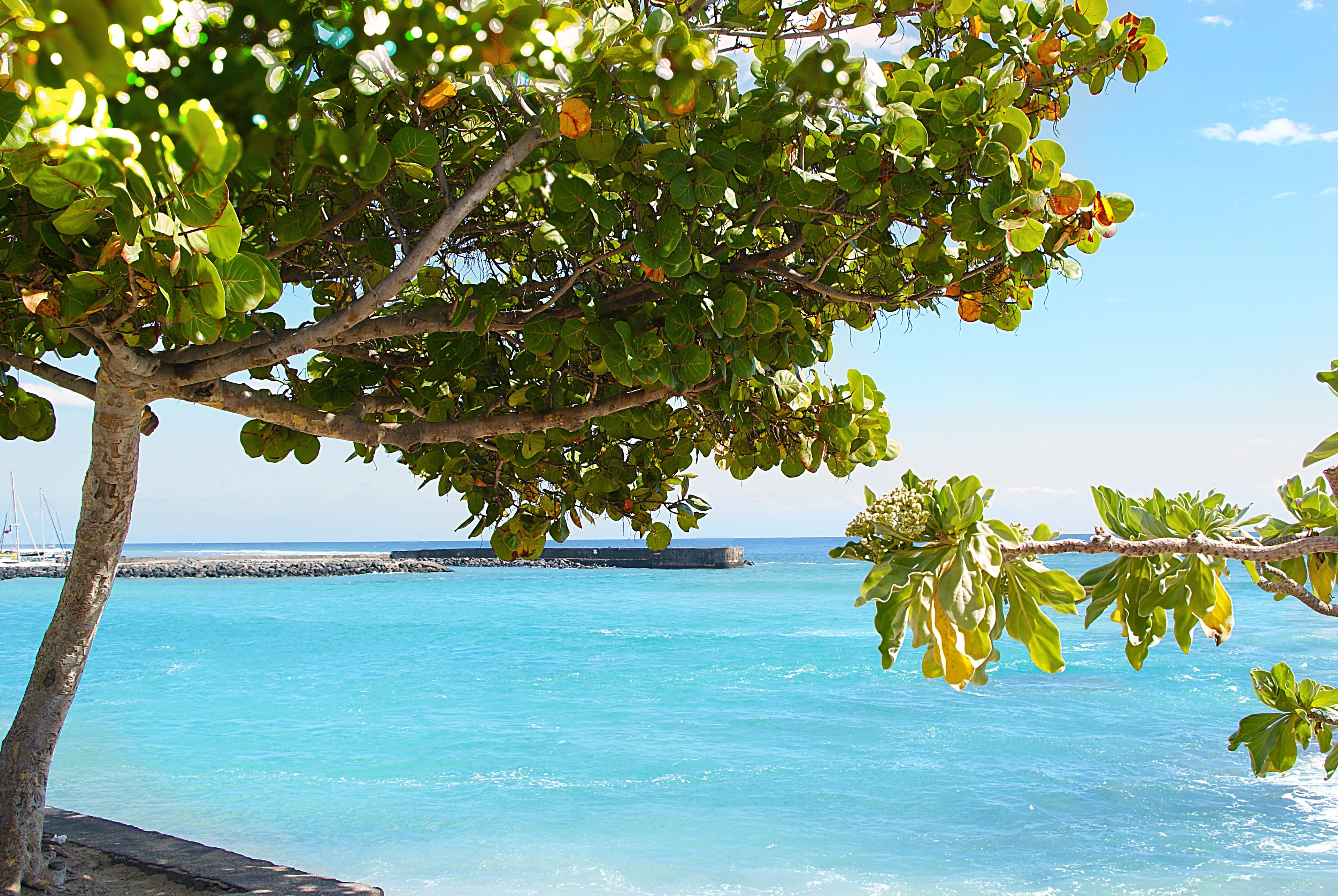
Where to stay in Réunion: the 3 areas to know in 2026
Roughly twenty kilometres of lagoon along a single coast, and that is pretty much the island's entire swimming scene. The real draw is inland and uphill, with three dramatic caldera valleys and a volcano you tackle while it is still pitch dark.
Three bases below, ranging from the west coast to the interior highlands. A beach hotel runs $107 to $220*, while a mountain guesthouse costs $68 to $135*. Pick the time you want to hit the trailhead first, and the rest will fall into place.
Compare hotel prices in Réunion
In a hurry? Find the best accommodation deals in 3 clicks.
Compare live deals from Booking, Expedia, Agoda and other partners.
Even the drive itself is a feast for the eyes.
How many nights in each area?
It all comes down to one question: are you willing to switch bases to save two hours of driving in the morning? Here is how typical travel times break down.
- One week, 7 nights: 3 nights on the west coast, 2 in the cirques, 2 near the volcano. The only split that delivers the lagoon, a cirque hike, and a sunrise at Pas de Bellecombe.
- Ten days: The same foundation, adding one night in Cilaos and one in the wild south. This setup allows for two consecutive days of hiking without heading back down.
- Four nights: Two main bases: the west coast for the lagoon, and the Plaines for the volcano. On a trip this length, skipping the interior cirques is better than driving straight through them without stopping.
- Beach vacation: Focus entirely on the western coast, accepting that the volcano requires a day trip starting around 3 AM. It is entirely doable, and it is what most visitors choose.
At a glance: our picks by traveller type
Pick the profile that fits you and go straight to the recommended area.
Map of the areas in Réunion
See how the areas sit relative to one another before choosing your base. Click a name to jump to its description.
The western coast, from Saint-Denis to Saint-Leu Leeward coast
for the beach, the lagoon, and touching down
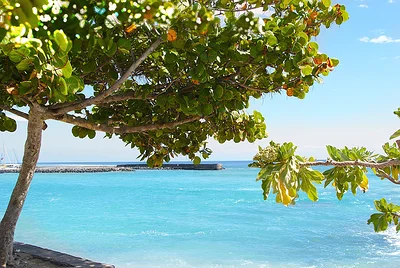
This is the island's only coast sheltered by a reef, meaning it is the only place where swimming is genuinely safe. Saint-Gilles, L'Hermitage, and Saint-Leu pack in most of the island's hotels. Saint-Denis, up north, serves as your arrival point and the spot to stock up on supplies. Kolo calls it lively and cosmopolitan, with everything you need to stock up before tackling the rigorous hikes. The downside is logistical. From this side, the volcano is over a two-hour drive away, and trailhead departures require a very early morning.
You can easily relax, have fun, rest, and above all stock up before taking on the many athletic excursions you can do on Reunion Island!
The towns in this area
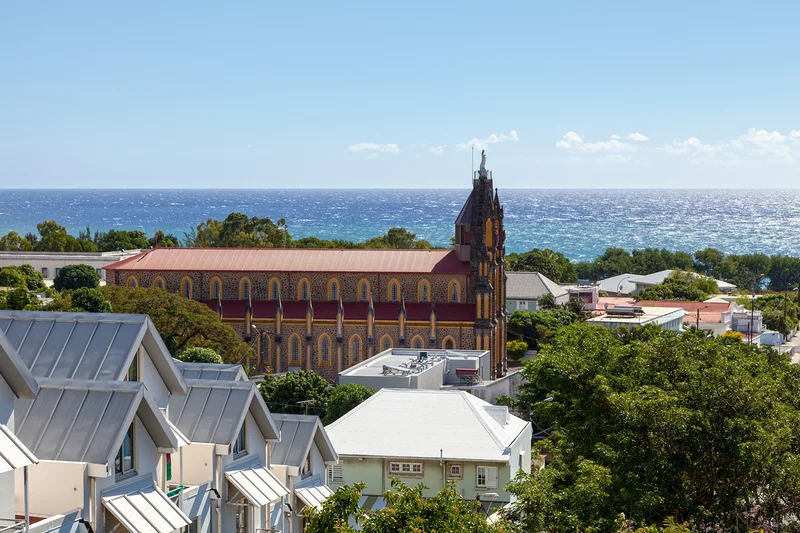
Where to stay in this area
LUX* Saint Gilles Resort Luxury
Creole architecture set among coconut palms and casuarina trees right on the lagoon. The finest address on the coast, and the priciest.
Hotel Le Recif, Ile de la Reunion Mid-range
Creole villas spread across three hectares of gardens with two pools in L'Hermitage. A solid pick for families who want the lagoon within walking distance.
Relais de l’Hermitage Saint-Gilles Mid-range
One hundred metres from L'Hermitage beach, featuring pools and tennis courts. Conveniently positioned for mixing beach days with trips up to the Hauts.
Pros
- The island's only swimmable lagoon, protected by its reef
- Practically all the hotels, restaurants, and rental agencies
- The main airport and shops, handy before heading up into the heights
Cons
- Over a two-hour drive to the volcano, factoring in the early alarm
- A heavily developed coast that bears no resemblance to the landscapes of the interior
The cirques, Cilaos and Salazie Hauts
for hiking and Creole villages
Two massive mountain amphitheaters carved into the ancient volcano, connected to the coast by winding switchback roads that are part of the adventure. Libau calls the cirque de Salazie the most striking spot on the island, adding that even the drive is a spectacle. Cilaos serves as the hiking hub at the foot of Piton des Neiges, packed with guesthouses and family-style gîtes. Nights stay cool, local lentils fill the menus, and the trails start right at the edge of town.
This is without a doubt the most beautiful place I could have visited on Reunion Island. [...] Lush vegetation combined with magnificent waterfalls make this spot the most beautiful place on the island (in my opinion, of course...).
What to see and do in this area
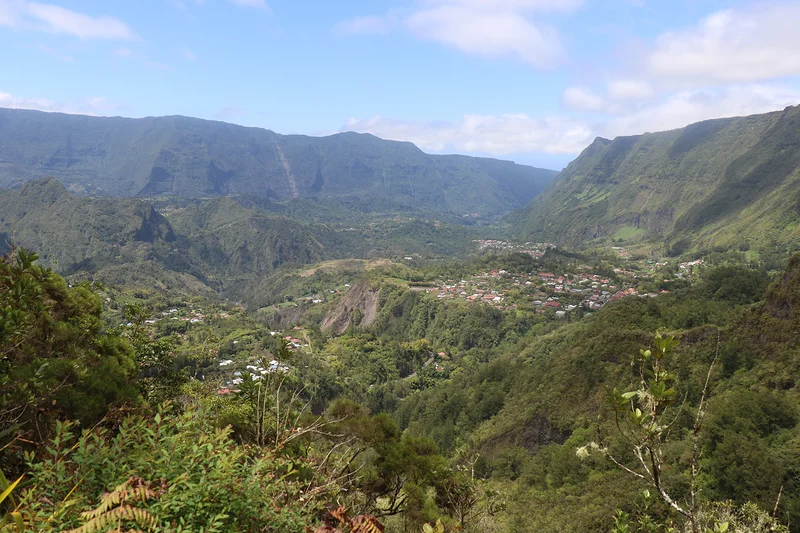
Where to stay in this area
Chambre gite d'étape les Carillons Budget
Mountain stopover right in Cilaos, within striking distance of the Piton des Neiges trailheads. The classic highland setup: straightforward, warm, and well located.
Pros
- Hitting the trails directly from the village without ever needing the car
- Home-style cooking served at a communal table, which is hard to find down by the coast
- Crisp nighttime air, a welcome relief after a long day of hiking
Cons
- Long and grueling switchbacks that can be tough for anyone prone to motion sickness
- Zero ocean swimming options and limited indoor activities when the weather turns sour
The volcano, the plateaus, and the rugged south coast Highlands and South
to reach Pas de Bellecombe by sunrise
This area exists for one single reason, and it is a compelling one. ManonM describes the climb to the Piton de la Fournaise: waking up long before dawn, hiking through the early morning chill and frost, until the sun casts its first rays. Staying in Bourg-Murat puts Pas de Bellecombe forty minutes away, whereas coming from the beach takes over two hours. Heading down toward the south, the shoreline turns wild, missing the reefs and lagoons, featuring fresh lava flows and the pools of Grand Galet.
Getting there means waking up well before dawn and heading to the Pas de Bellecombe. It means walking through the breaking dawn and the freezing cold. Then suddenly, the sun shoots out its first rays and the whole environment transforms.
What to see and do in this area
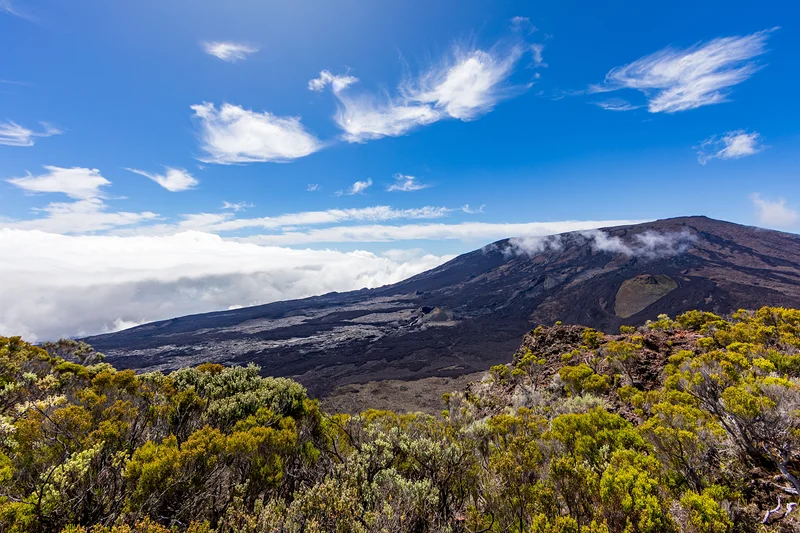
Where to stay in this area
Maison a Bourg- Murat proche de la cité du volcan Budget
Right in the village of Bourg-Murat, with the Cité du Volcan just steps away. Location is everything here, making an early-morning departure possible without tackling the coastal highway.
Pros
- Forty minutes from Pas de Bellecombe, compared to two hours from the coast
- Lodging runs lower here than elsewhere, in both gîtes and bed and breakfasts
- The wild south and its lava flows, half an hour away
Cons
- Chilly nights and frequent fog rolling over the Plaines
- Very few restaurants, and nothing stays open late
Our tips for booking the right place
- Visiting the volcano depends entirely on your wake-up call.: The hike starts from Pas de Bellecombe and needs an early start before the clouds roll in and the heat sets in. ManonM mentions waking up long before dawn. From Bourg-Murat, that means leaving at five; from Saint-Gilles, at three. Staying overnight in the Plaines costs less than sleeping on the coast and saves two hours of sleep.
- The winding mountain roads are an attraction in their own right.: Count on an hour and a half of switchbacks to climb up to Cilaos or Salazie, and do not treat the drive as a simple transfer. Libau notes that even the road trip delivers serious visual impact. Plan the ascent in the morning when the calderas are clear, and avoid driving it at night.
- Stock up on provisions down on the coast before heading up into the mountains.: The highlands rely on guesthouses and communal tables with limited shops and short operating hours. Kolo pinpoints the practical use of Saint-Denis as the spot to stock up before tackling serious hiking excursions. Getting your groceries sorted on the coast keeps you from eating dinner at the same spot twice due to a lack of alternatives.
- Booking everything on the west coast while planning to tackle the volcano on a whim requires starting out around 3 AM, which writes off the rest of the day for anything else.
- Sleeping in Saint-Denis to tour the island is convenient for arrivals and grocery runs, but it sits far from both the lagoon and the trailheads.
- Choosing the mountain calderas for a beach vacation leaves you far from the sea with long drives, and you rarely head back down just for a swim.
FAQ: where to stay in Réunion
Where to stay in Réunion for a first trip?
Should you stay near the volcano?
Where can you stay on a budget in Réunion?
How many nights should you spend in Réunion?
Is a car essential?
When is the best time to visit Réunion?
 Keep exploring
What to do in Réunion
Keep exploring
What to do in Réunion
Comments (0)
No comments yet. Be the first!