
Where to stay in Costa Rica: the 4 areas to know in 2026
Here a base is not picked off a map but on what you want to hear at night. Howler monkeys at first light near Manuel Antonio, the low rumble of the Arenal volcano, or the dry Guanacaste wind in the frangipani.
Four environments, four ways of sleeping, and roads slower than the kilometres suggest. A decent room runs about $94*, a forest lodge climbs past $220*. Budget for the park fees too, which our members find steep.
Compare hotel prices in Costa Rica
In a hurry? Find the best accommodation deals in 3 clicks.
Compare live deals from Booking, Expedia, Agoda and other partners.
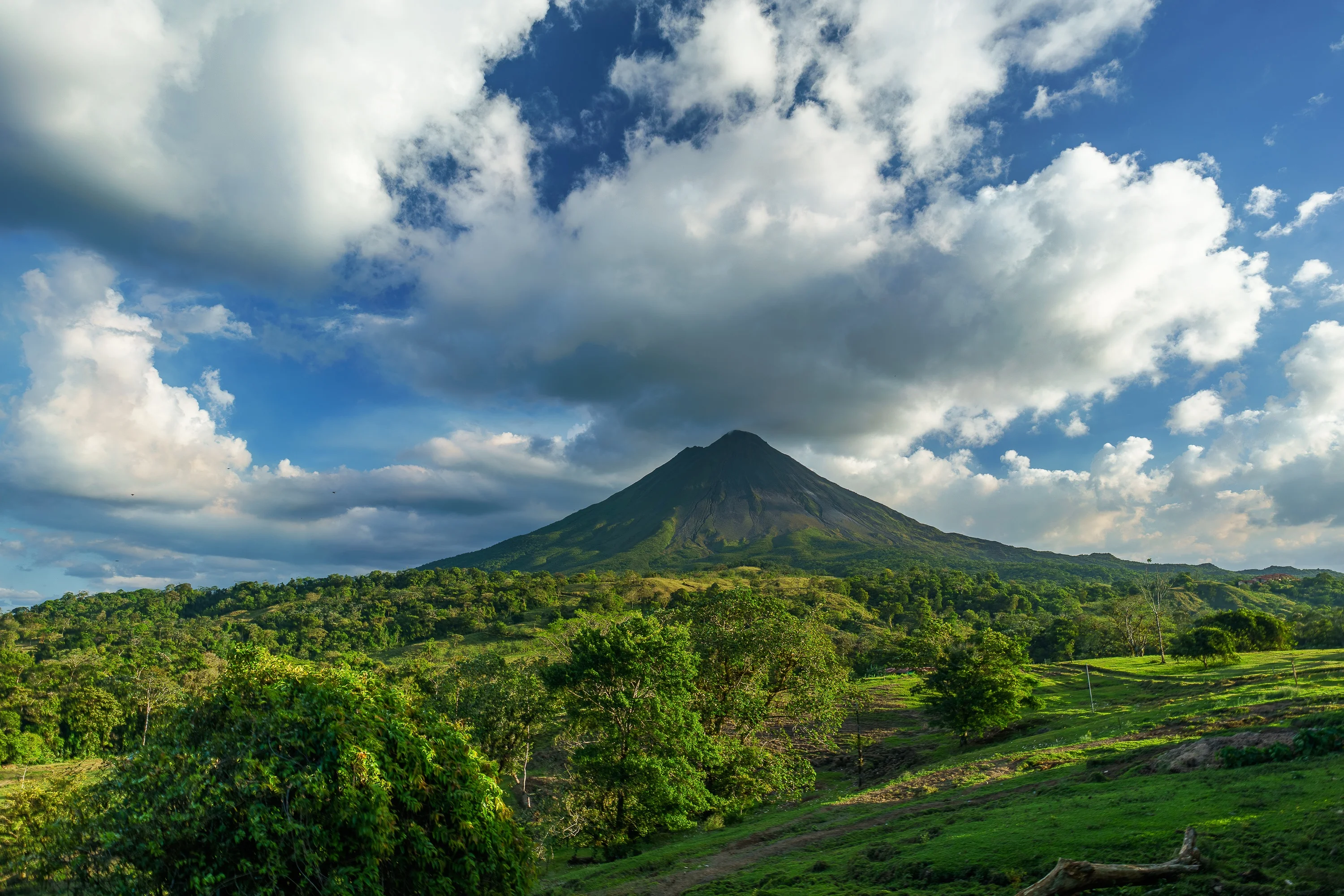
After quite a few hassles with the 4x4, a budget busted by the parks, and a lot of disappointment regarding the animals, I really enjoyed my stay in La Fortuna. This pleasant little vacation town is located at the foot of the Arenal volcano.
How many nights in each area?
The country is travelled as a loop, and the roads are slow: count journeys in hours, never in kilometres. Three bases are enough to see a volcano, a coast and a rainforest; the fourth is paid for in days on the road.
- One week: Two bases: La Fortuna then Manuel Antonio. The volcano, then the animals at the water's edge.
- Ten nights: Add Guanacaste at the start, landing at Liberia: you skip San José at both ends.
- Two weeks: The three above, plus the Osa peninsula for Corcovado. It is the one place in the country that demands three full nights of its own.
- A short stopover: The Central Valley and nothing else. In two nights, the Poás volcano is the only outing that holds up.
At a glance: our picks by traveller type
Pick the profile that fits you and go straight to the recommended area.
Map of the areas in Costa Rica
See how the areas sit relative to one another before choosing your base. Click a name to jump to its description.
The Central Valley San José and its volcanoes
for the first and last night, not for the trip itself
This is where you land and where you leave from, and that is roughly all it is asked to be. San José keeps a few first-rate museums, the Jade one above all, and the Poás volcano is a half-day out from Alajuela. The drawback is plain: the valley is urban, congested, and none of the landscapes people come to Costa Rica for begin here.
The towns in this area

What to see and do in this area

Where to stay in this area
Grano de Oro Hotel Luxury
A coffee grower's house from the early twentieth century, in a quiet district west of the centre. Rated 9.0 from more than 550 reviews, with 9.5 for comfort.
Pros
- The international airport is twenty minutes from Alajuela
- The Poás volcano works as a half-day trip
Cons
- Only one verified address in this area so far
- Nothing that brings people to Costa Rica is found in the valley
Arenal and the north La Fortuna
to fall asleep below a volcano and bathe in hot water

La Fortuna lives at the foot of Arenal's perfect cone, and it is the one base in the country where water comes out of the ground at thirty-eight degrees. The La Fortuna waterfall is ten minutes away, the Tabacón and Baldi springs just after. The drawback: the whole village lives off tourism, and it shows in the prices as in the signage.
What to see and do in this area

Where to stay in this area
Nayara Gardens Luxury
Bungalows scattered through the forest, facing the volcano. Rated 9.7, the highest score in this guide.
Arenal Manoa Hot Springs Resort Mid-range
Thermal springs in the garden and the volcano opposite. Rated 9.3 from more than 1,100 reviews.
Hotel Roca Negra Del Arenal Budget
Set apart from the village, with a clear view of the cone. Rated 9.2 from more than 1,600 reviews, the largest count in the area.
Pros
- Natural hot springs, some of them free and used by locals
- Everything sits within twenty minutes of the village
Cons
- A village entirely turned towards tourism
- It rains more here than on the Pacific, dry season included
Guanacaste North Pacific
for the most reliable sun and surf beaches
This is the driest region in the country, the one where the rainy season settles in latest. Tamarindo lives off surf and sunsets, Nosara off yoga, and the Rincón de la Vieja national park puts fumaroles an hour from the beaches. The drawback: dry forest does not hold the animal density of the rest of the country, and tourist property has gone up fast.
Where to stay in this area
BOHO Tamarindo Luxury
A small characterful address a few streets from the beach. Rated 9.6.
La Ramona Charming Hotel Mid-range
About ten rooms around a pool, away from the noise. Rated 8.8 from nearly 700 reviews.
Wyndham Tamarindo Budget
The largest review count in the area, 8.7 from nearly 1,500. No particular charm, but dependable.
Pros
- The longest dry season in the country
- An international airport at Liberia, which skips the Central Valley
Cons
- Fewer animals than elsewhere: this is dry forest
- Tamarindo has been built up a great deal, and it shows
The Central Pacific Manuel Antonio and Jacó
to see animals without leaving the beach
This is the best ratio of effort to what you see: Manuel Antonio national park brings the forest into direct contact with the ocean, and howler monkeys wake the rooms before daylight. Jacó, further north, comes alive at night. The drawback: this is also the busiest coast in the country, and the park caps its entries.
What to see and do in this area

Where to stay in this area
The Falls by Lalibela Mid-range
On the road to the park, deep in the vegetation. Rated 9.1 from more than 900 reviews.
Mountain Top Park Hotel Budget
Up on the heights above Quepos, where animals are seen from the rooms. Rated 8.9.
Pros
- Monkeys and sloths visible without an organised excursion
- Forest and beach inside the same park
Cons
- No upmarket address verified in this area so far
- The busiest coast in the country, and a park with an entry quota
Our tips for booking the right place
- Budget the park fees separately: Two of our members flag it independently: national park entry weighs heavily on a trip here. Treat it as its own line, alongside the car hire.
- Land at Liberia rather than San José: If your trip starts on the north Pacific, Liberia airport saves you three hours of road and a night in the Central Valley. Few travellers think of it.
- Corcovado is prepared, not improvised: One of our members sums it up: “Corcovado National Park is something you have to earn. Getting there is a real challenge”. You set off from Sierpe or Puerto Jiménez, with a compulsory guide and at least one night on site.
- Sleeping in the Central Valley and radiating out: each outing costs three hours of road each way, and the day goes with it.
- Stringing four bases together in a week. Distances are short in kilometres and long in hours, and the time gained on paper is lost on the road.
- Counting on the Osa peninsula without booking it: we found no verifiable accommodation there, and access to Corcovado runs on a guide's schedule.
FAQ: where to stay in Costa Rica
Where should I stay in Costa Rica for a first visit?
Where can I stay cheaply in Costa Rica?
How many bases should I plan?
Do I need to rent a car?
What is the best season?
How much does a night cost in Costa Rica?
Where to stay in Costa Rica, around a landmark:

 Keep exploring
Things to do in Costa Rica
Comments (0)
No comments yet. Be the first!