
Visiting Poás Volcano National Park, a window into an active volcano
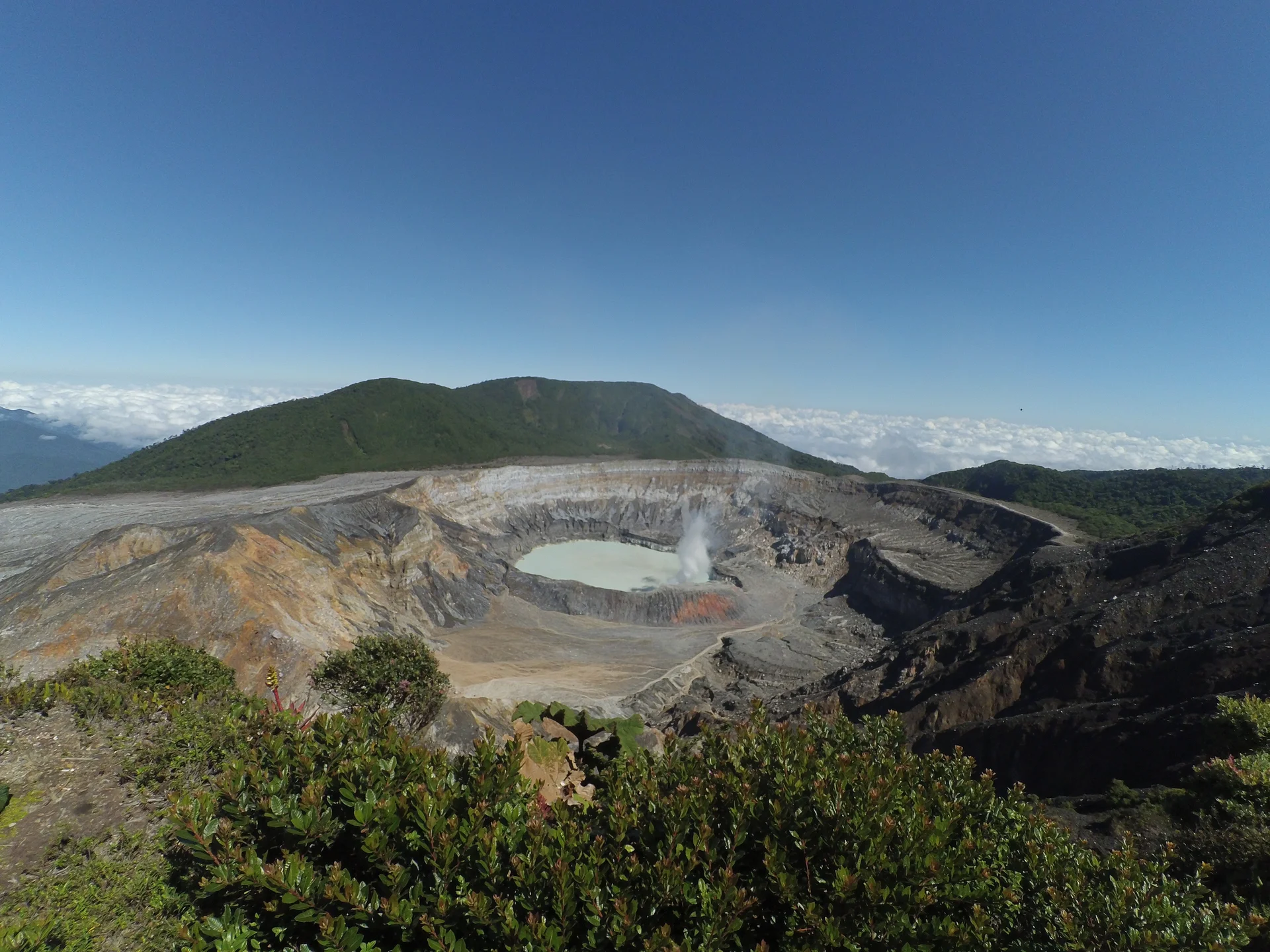
An impressive crater
Located in the Alajuela region, Poás Volcano National Park is famous for its main crater, one of the largest in the world, spanning a diameter of nearly 1.6 km. The active crater vents steam and gas while holding a striking blue acidic lake that contrasts sharply against the arid volcanic terrain. An observation platform allows visitors to take in this natural spectacle safely, weather permitting.
Trails through nature
The park features several hiking trails tailored to different skill levels. The Sendero Botos trail, for instance, leads to a second inactive crater filled with an emerald-colored lake surrounded by lush vegetation. These paths let you explore diverse landscapes, shifting from volcanic zones to cloud forests. It is an opportunity to discover the local biodiversity while enjoying a pleasant hike.
Rich biodiversity
Poás Volcano National Park also serves as a refuge for numerous plant and animal species. Birdwatchers can spot species such as the resplendent quetzal or the emerald toucanet. Endemic plants, adapted to the harsh volcanic conditions, add a unique dimension to the ecosystem. Local guides provide insights into the flora and fauna, enhancing the experience for visitors.

Poás Volcano National Park is the classic excursion to do from the Costa Rica capital, San José. The only catch is that the entrance price is too high, just like in all the parks in Costa Rica. I went there with some friends in a 4x4 from San José. The trip is easy to do, even for those who do not walk much, thanks to a system of platforms. The view of the volcano is unbeatable. With its steaming lagoon, it has a unique charm. On days with good weather, it is magnificent.