Ecuador: From Volcanic Peaks to the Galápagos Islands
Picture eating breakfast with a view of a snowcapped volcano rising to 5,897 meters, grabbing lunch by a turquoise crater lake, and wrapping up your day in the humid Amazon rainforest. Ecuador packs geographic diversity into a territory half the size of France that other continents take entirely separate regions to pull off.
The Ideal Gateway to South America
Ecuador fits travelers drawn to nature and Andean cultures who do not mind managing high altitudes and winding roads. The country appeals to hikers, wildlife watchers, and anyone eager to spot giant tortoises or blue-footed boobies in the Galápagos. The colonial cities of Quito and Cuenca draw travelers interested in history and architecture.
On the other hand, if you are after picture-perfect Caribbean beaches, look elsewhere. Ecuador's Pacific coast stays rugged and raw. Road infrastructure is improving but remains uneven across regions. Altitude is a real factor: Quito sits at 2,850 meters, and mountain excursions frequently push past 4,000 meters. Plan for two or three days of acclimatization before jumping into serious treks. The US dollar has been the official currency since 2000, which keeps transactions straightforward.
An Accessible Budget for South America
Mainland Ecuador remains one of the most affordable countries on the continent. Expect $28 to $39*/day for a backpacker approach and $66 to $99*/day for midrange comfort. Lunch menus at local comedores cost between 2,50 and 4 $. Intercity bus rides run about 1 $/hour of travel. The Galápagos operate on an entirely different financial scale: budget a minimum of $1,650 to $2,750* for a week on land-based trips, and considerably more for a cruise.
The Avenue of the Volcanoes: The Andean Backbone
Alexander von Humboldt named this route the Avenue of the Volcanoes back in the 19th century. This corridor cuts through the Ecuadorian Andes from north to south, lined with peaks whose names promise adventure: Cotopaxi, Chimborazo, Tungurahua, Cayambe.
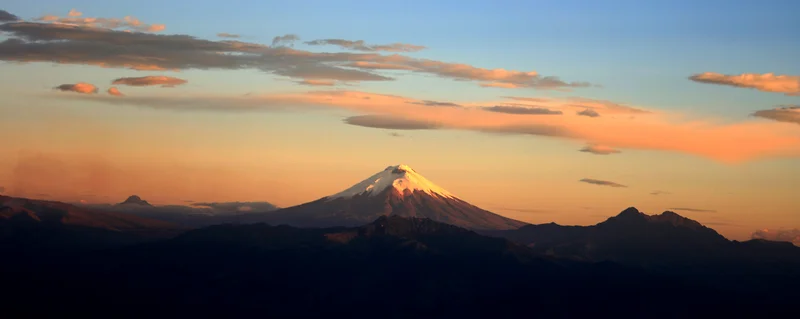
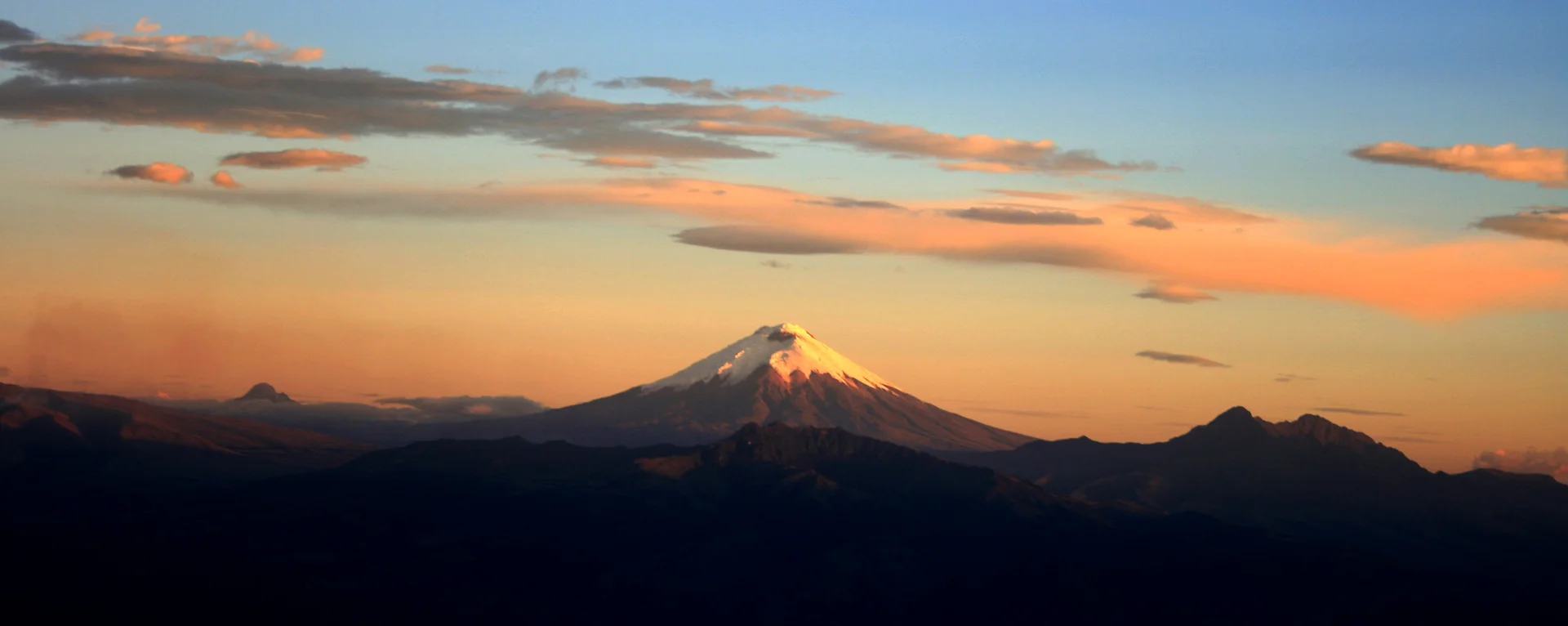
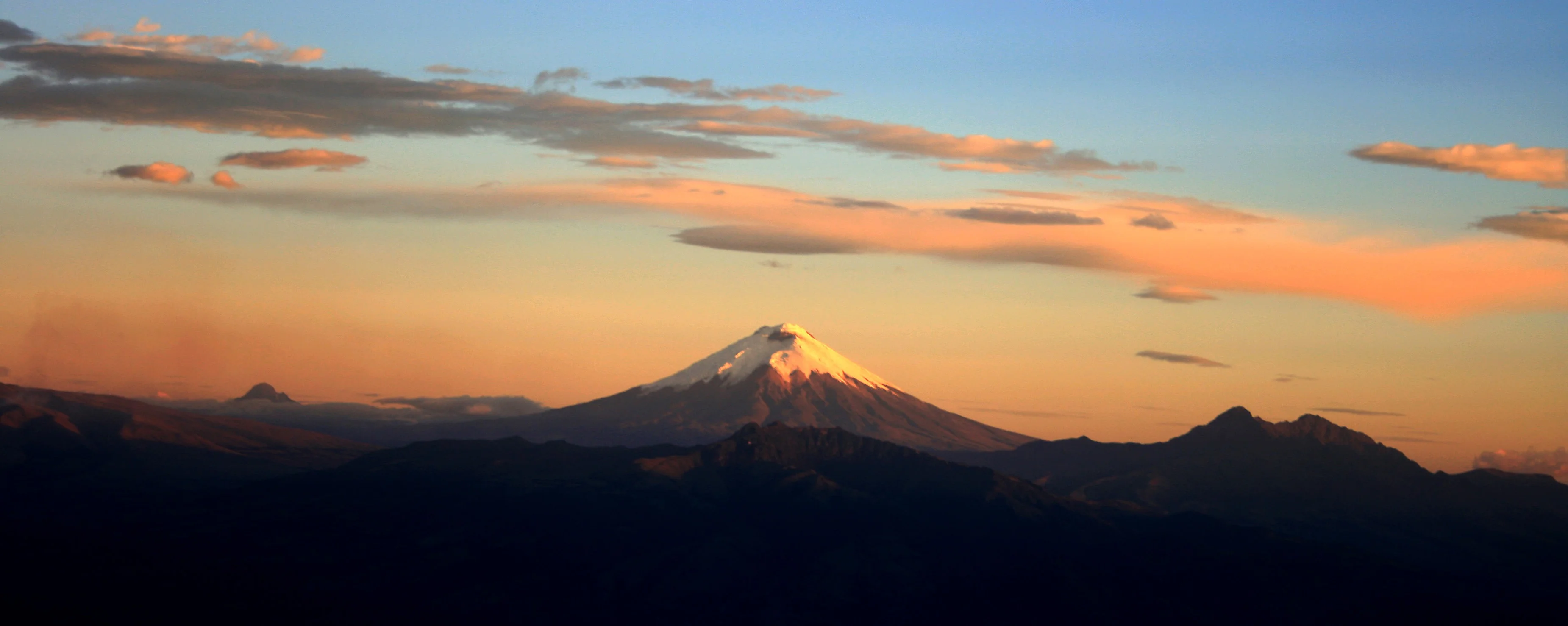
Cotopaxi, standing at 5,897 meters, counts as one of the highest active volcanoes in the world. Its symmetrical, glacier-crowned cone towers over the national park of the same name. Hiking up to the refuge at 4,800 meters is manageable for anyone in good physical condition. Experienced climbers can tackle the summit with a certified guide, an expedition that kicks off around midnight to catch the hard-frozen snow.
Chimborazo reaches 6,310 meters. This giant holds an unusual record: its peak is the furthest point on Earth's surface from the Earth's center due to the planet's equatorial bulge. Alpacas and vicuñas roam freely across its slopes, setting the scene for classic Andean photos.
Friendly tip: to dodge altitude sickness, drink plenty of water and skip heavy exertion for your first two days in Quito. Unlike in Peru, coca leaves are not commonly used here.
Quilotoa Crater Lake and the Andean Village Loop
The lagune de Quilotoa fills the caldera of an ancient volcano that collapsed 800 years ago. Its water shifts between emerald green and deep blue depending on the light. The view from the crater rim at 3,914 meters is striking. You can hike down to the lake in about forty minutes, but the climb back up takes closer to an hour and tests your lungs.
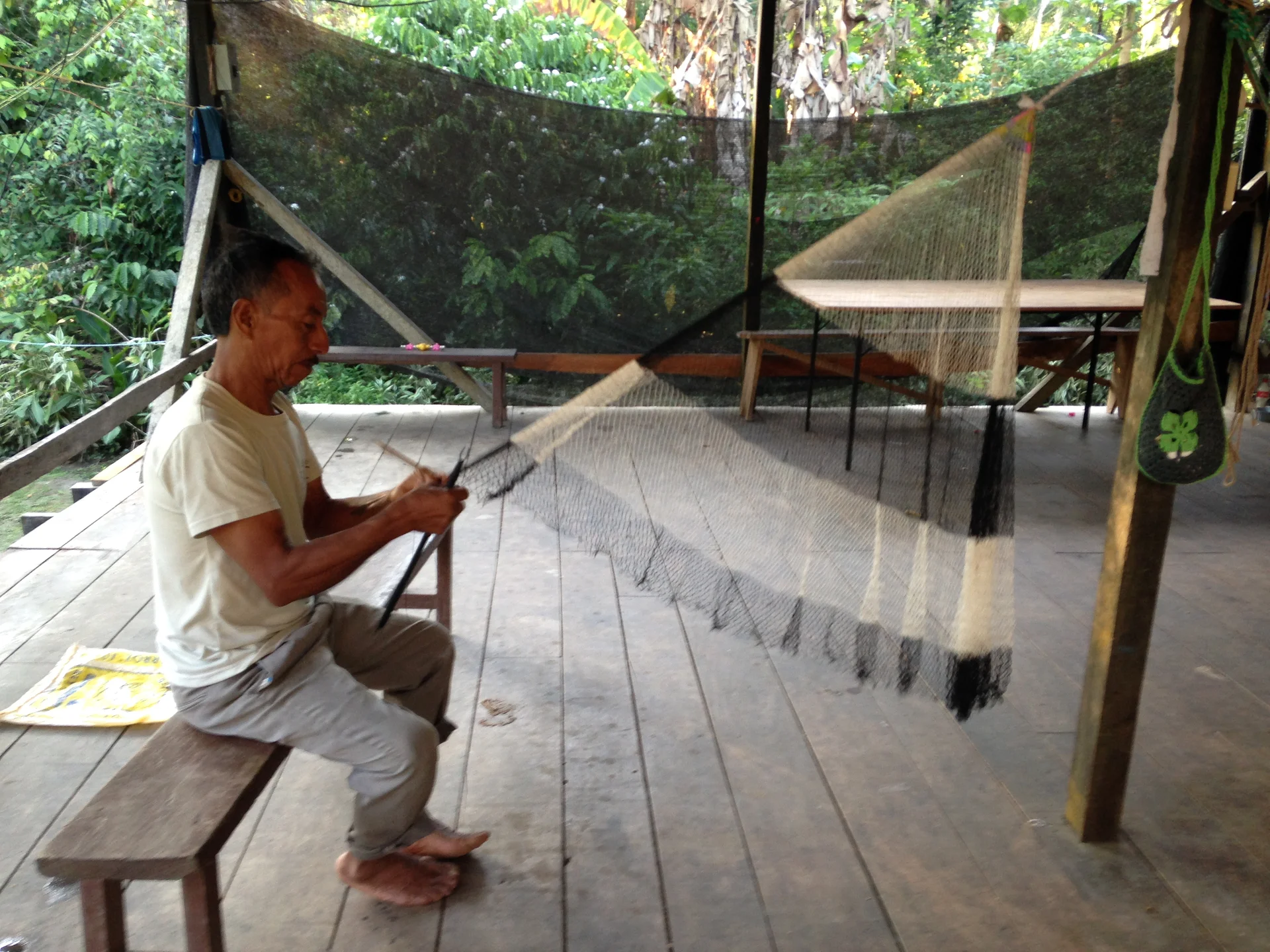
The Quilotoa Loop makes for a two to three day trek through Andean villages where life moves at a slower pace. Isinlivi, Chugchilán, and Sigchos offer simple, welcoming stays in family-run guesthouses. Weekly markets, such as the one in Guamote on Thursdays, offer a window into indigenous community life far away from standard tourist tracks.
The Galápagos Islands: Darwin's Dream Within Reach
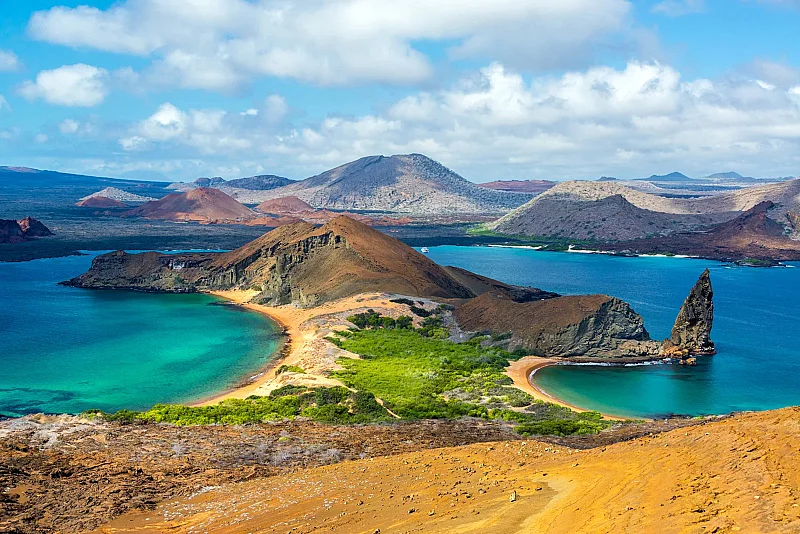
The isles Galápagos, sitting roughly a thousand kilometers off the coast, are a mecca for naturalists. Here, wildlife never learned to fear humans. Sea lions lounge on park benches, marine iguanas amble across paths without rushing, and blue-footed boobies perform mating dances just feet from visitors.
Travelers choose between two main approaches: a cruise or a land-based stay. Cruises provide access to remote islands and maximize your time, but prices climb fast. Budget $3,850 to $8,800* per person for a week. Land-based stays anchored on inhabited islands like Santa Cruz, San Cristóbal, or Isabela, combined with day trips, cost significantly less while delivering incredible animal encounters.
The national park entrance fee runs 200 $ per adult, plus a 20 $ transit control card. Domestic flights from Quito or Guayaquil cost between 350 and 500 $ round-trip.
Friendly tip: book your diving or snorkeling excursions once you arrive rather than from the mainland. Prices are often sharper, and you can vet the operators in person.
The Ecuadorian Amazon: The Accessible Jungle
Unlike Peru or Brazil, the Ecuadorian Amazon sits just a few hours' drive from Quito. The Cuyabeno reserve in the northeast protects some of the best-preserved primary forest on the continent. Visitors arrive by dugout canoe, gliding over dark, mangrove-lined waters where caimans watch quietly from the banks.
The Tena and Misahuallí region offers an easier, budget-friendly alternative. Local lodges run two-to-four-day packages featuring forest hikes, visits with Huaorani or Cofán communities, and night safaris. River river dolphins, howler monkeys, and macaws populate these biodiverse forests.
Amazon trips are usually packaged as all-inclusive tours starting from Quito or Coca. Plan on $165 to $330* for three days at a midrange lodge, with transfers and activities included.
Ecuadorian Cuisine: From the Andes to the Coast
Ecuadorian food reflects the country's varied geography. In the Sierra, locro de papa takes center stage: a creamy potato, cheese, and avocado soup that warms up cold mountain evenings. Cuy, or roasted guinea pig, remains an Andean specialty served during festivals and family milestones. You have to push past any initial hesitation to enjoy its tender meat.
On the coast, shrimp ceviche differs from its Peruvian counterpart by bathing seafood in a tomato and lime broth, served with toasted corn and plantain chips. Encebollado, a tuna, onion, and yuca stew, serves as the local hangover cure and appears in popular markets at dawn. Bolones de verde, mashed green plantain dumplings stuffed with cheese or pork cracklings, anchor coastal breakfasts.
Markets overflow with fruits you rarely see elsewhere: naranjilla, granadilla, pitahaya, chirimoya. Freshly pressed juices cost under a dollar and beat out any capital-city smoothie bar.
When to Visit Ecuador
Ecuador welcomes visitors year-round, but each region operates on its own weather cycle. In the Sierra, the dry season runs from juin à septembre, bringing sunny days and crisp nights. Temperatures stay steady through the year, hovering between 10 and 20°C depending on elevation. The rainy season, from December to May, brings short downpours mostly hitting in the late afternoon.
On the Pacific coast, the pattern flips: the warm and humid season runs from décembre à avril, which works best for beach days. Humpback whale watching off Puerto López happens from June to September. In the Amazon, the drier months stretch from août à février, though the jungle stays damp regardless.
In the Galápagos, both seasons bring distinct perks. The warm season, from December to May, brings warmer water for snorkeling and active bird nesting. The cool season, from June to November, draws divers with clearer underwater visibility and whale sharks cruising around Darwin and Wolf islands.
How to Get to Ecuador
From major US hubs, nonstop flights to Quito depart from gateways like Miami, Houston, and Atlanta, while other travelers route through Madrid on Iberia or Air Europa, Amsterdam on KLM, or US connecting points on American Airlines. Expect total travel times ranging from 13 à 18 heures de voyage total depending on your routing. Fares run between $770 et $1,320* aller-retour, with better rates popping up in March and September.
Guayaquil on the coast provides an alternative gateway to Quito, sometimes priced lower and convenient for anyone heading straight to the Galápagos or the southern beaches. LATAM, Avianca, and Delta also service this route.
US citizens do not need a visa for tourist stays under 90 days. Your passport must remain valid for at least six months past your planned return date.
Getting Around Ecuador
The bus network covers the entire country with impressive efficiency. Private companies offer several comfort levels, from basic local coaches to air-conditioned ejecutivo buses with reclining seats. The Quito-Cuenca run takes about eight hours for 10-15 $. Bus stations, known as terminales terrestres, generally sit on the edges of cities.
Renting a car provides welcome freedom, particularly for the Avenue of the Volcanoes, though local driving styles can overwhelm newcomers. Road signs can be sparse, and slow trucks back up mountain routes. Budget $39 à $55* par jour for a midrange vehicle, and full coverage insurance is strongly recommended.
In the Galápagos, ferry connections link the inhabited islands for about 25 à 30 $ par traversée. Speedboats work well but can bounce passengers around in rough seas. In Quito and Guayaquil, rideshare apps like Uber operate smoothly and offer a reliable alternative to standard street taxis.