Kandersteg, where the Bernese Alps close in around a high valley
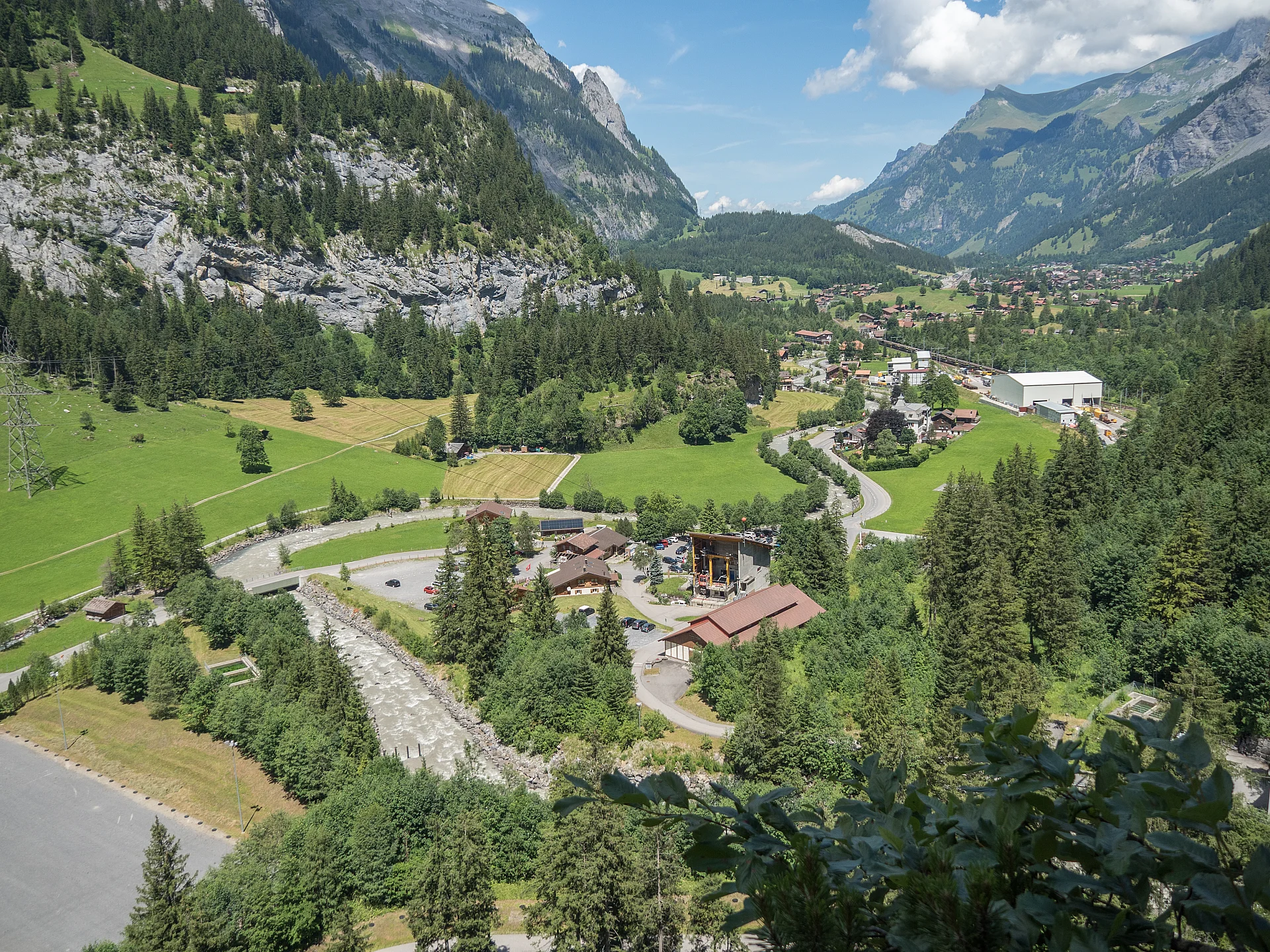
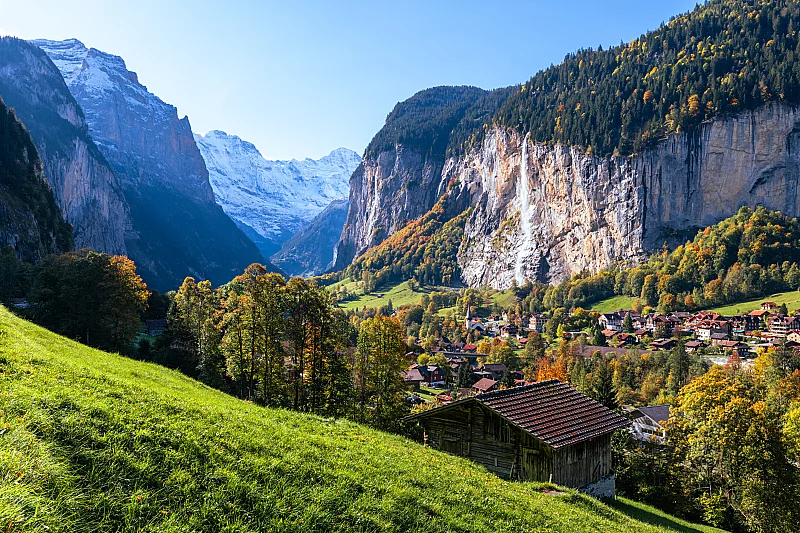
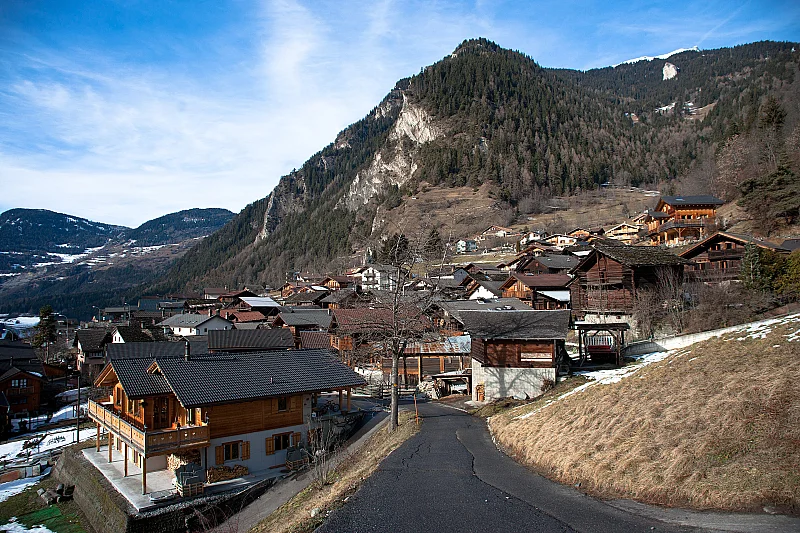
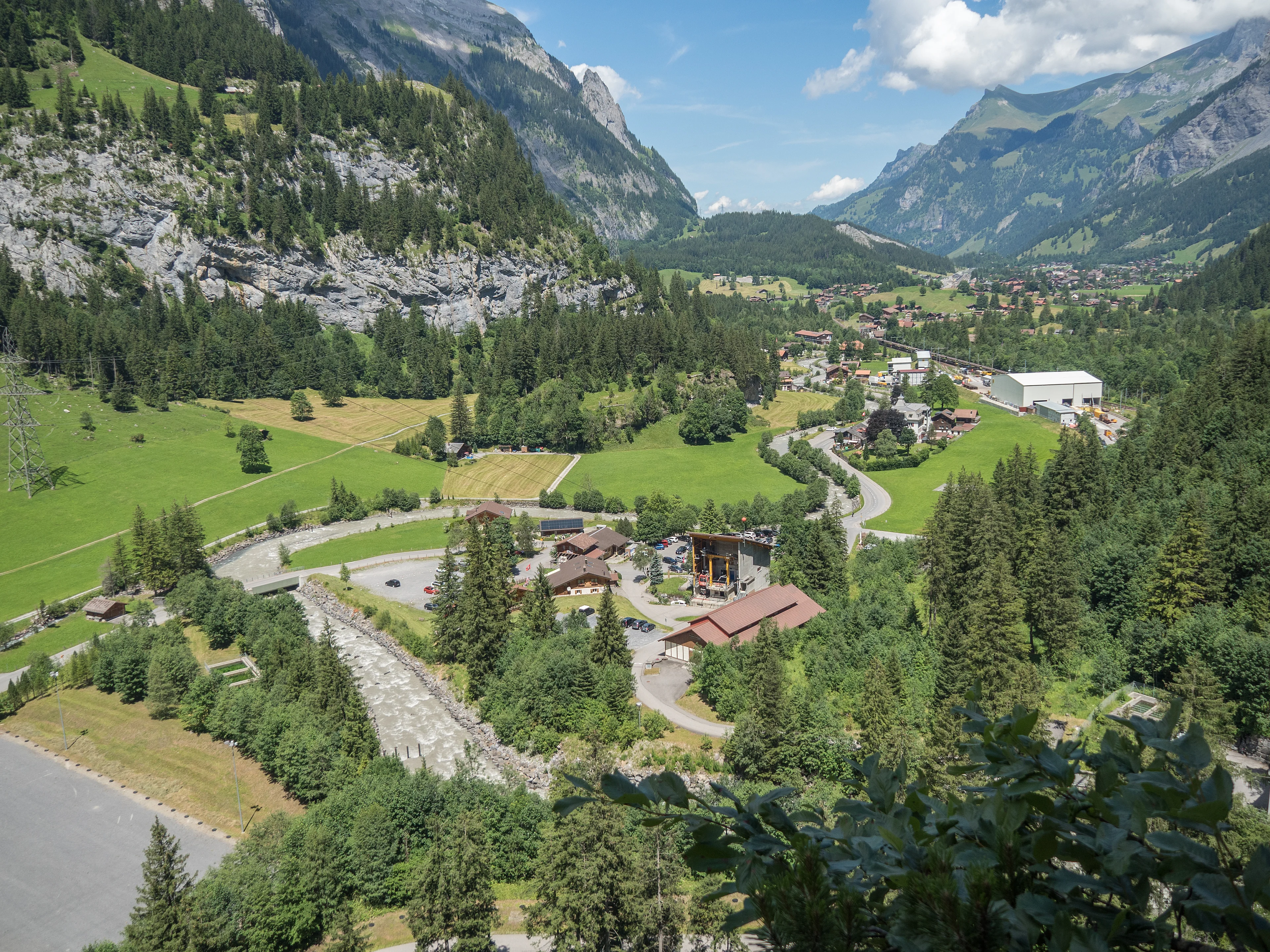
At the far end of the Kander valley, the sheer rock walls draw in so tightly that the sky feels like a narrow strip overhead. The village of around 1,100 residents stretches across a flat valley floor, hemmed in by towering cliffs, cascading waterfalls, and hanging glaciers. The loudest sound here is always water, rushing from every direction.
Is this the right destination for you?
Kandersteg rewards travelers who like to start hiking early, breathe crisp mountain air, and turn in early. Trailheads sit right next to the train station, Lake Oeschinen is the obvious headline act, and winter brings cross-country skiing, sledding, and snowshoeing far from the mega-resort crowds.
If you are looking for late-night bars, shopping malls, or a bustling historic downtown to explore, skip it. After dark, the village goes quiet, and that is entirely by design.
Best suited for:
- Hikers, from easy scenic balconies to high-alpine routes
- Families traveling with children
- Car-free travelers, thanks to excellent train access
- Anyone looking for a quiet nature getaway
Not suited for:
- Nightlife seekers
- Tight budgets, since Switzerland remains expensive
- Visitors who expect guaranteed blue skies in any weather
Swiss prices with no exceptions
Dining and lodging follow the high general price point of the Bernese Oberland. Campgrounds and hostel dorms are the most practical ways to keep costs manageable.
Practical realities
The local language is German (specifically a Bernese dialect), but English is spoken fluently in all shops and hotels. The village is compact enough to navigate entirely on foot.
Mountain weather turns on a dime, so pack a warm layer even in midsummer. Afternoon thunderstorms are common in July and August, which is another good reason to hit the trails early.
Lake Oeschinen and the upper valley
Lake Oeschinen
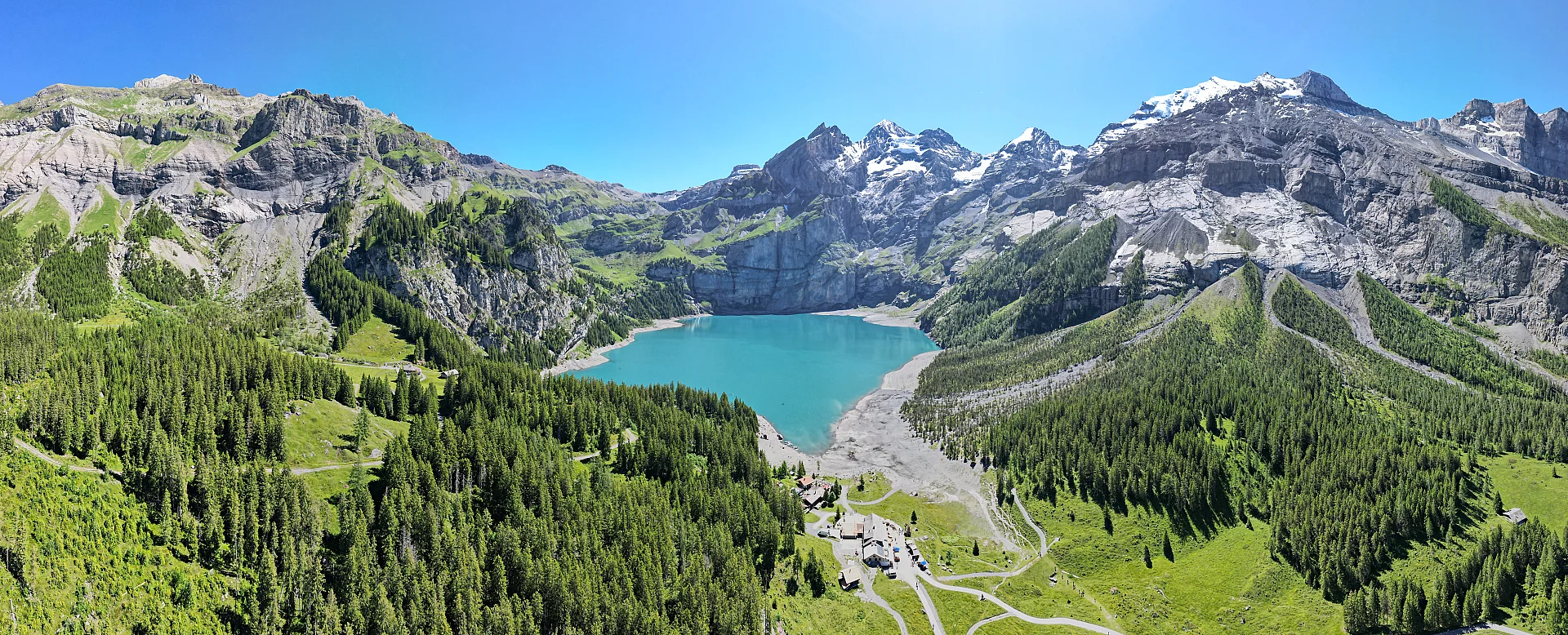
This is why most visitors make the trip. The milky-blue lake sits directly beneath the Blüemlisalp massif and its hanging glaciers. A gondola runs from the village up to a path that drops down to the shoreline in about thirty minutes.
As part of the Jungfrau-Aletsch UNESCO World Heritage site, the lake gets very busy during peak season. Aim for early morning or late afternoon.
Friendly tip: the hike up to the lake takes longer than the gondola ride, but it rewards you with views of the village below and far fewer people along the path.
Gasterntal
The neighboring Gasterntal valley, reached through a narrow road carved into the Kander gorges, offers a wilder escape with flat meadows, a clear glacial river, and tiny timber hamlets. It is a nearly flat walk, making it an ideal backup plan when the high peaks are socked in clouds.
Winter in Kandersteg
The valley floor cross-country skiing loops and snowshoe trails are the main draw here. Downhill skiing is available at Sunnbüel and Oeschinensee, on a much smaller scale than neighboring Adelboden or Gstaad. The charm here comes from the small-village atmosphere rather than high-speed mega-lifts.
The village and the Lötschberg railway
Kandersteg sits at the northern portal of the Lötschberg tunnel, which punches through to the Valais canton. A dedicated car-shuttle train loads vehicles right here, a spectacle visible from the station that never fails to fascinate kids.
The village also hosts a major international scout center, which explains the colorful neckerchiefs you will see on the trails all summer long.
Where to eat and drink in Kandersteg?
Expect hearty mountain fare: rösti, fondue, raclette, and seasonal dishes featuring regional cheeses. High-altitude mountain inns near the lake also serve simple, satisfying meals with panoramic views.
Where to stay in Kandersteg and the surrounding area?
Lodging ranges from rented chalets and family-run village hotels to campgrounds and group lodges. Staying in the center puts you within a short walk of both the train station and the gondola. Book well ahead for July, August, and the February school breaks.
How to get to Kandersteg?
The train station sits directly on the Lötschberg line, with easy connections in Spiez and Bern. From Bern, the train takes about one hour. International travelers arriving via European hubs can connect through Basel or Geneva before catching a connecting train to Bern.
There is no airport in Kandersteg itself; the most practical international gateways are Zurich, Geneva, and EuroAirport Basel-Mulhouse.
How to get around Kandersteg?
On foot is best. The village is flat, and local gondolas and buses handle the rest. Tourist passes and guest cards provided by local accommodations can cut down on transport costs, so make sure to ask for yours when you check in.
Having a car lets you drive into the Gasterntal, but parking areas near popular trailheads fill up fast during peak season.
When to go?
Visit from June to September for hiking and snow-free lake views. Head over from December to March for cross-country skiing and snowshoeing. Spring and early autumn are much quieter, though some lifts and mountain huts operate on reduced schedules.