Visiting Madeira
A mountain set down in the Atlantic: fifty-seven kilometres long, peaks above 1,800 metres, and almost no beach. On the south side, Funchal and its banana terraces soak up the sun. On the north side, the laurel forest, a UNESCO World Heritage Site, holds on to the clouds and the water.
People carried that water south through the levadas, more than two thousand kilometres of channels. The maintenance paths beside them are now the finest trails on the island, and they are what you will come for.
You'll love it if
- You want to walk every day without ever seeing the same landscape twice
- Mild weather in the middle of winter appeals to you
- You like gardens, markets and simple food
Give it a miss if
- You are after a week on a sandy beach
- Hairpin roads and tunnels wear you out
- You expect sunshine across the whole island on the same day
The must-sees
-
1 From Pico do Arieiro to Pico Ruivo Hike
Seven kilometres of ridge between the island's three highest peaks, from 1,818 to 1,862 metres, along steps cut into the rock and through tunnels. Allow three and a half hours one way. Set off at dawn, before the clouds rise, and finish at Achada do Teixeira, above Santana, where a taxi booked the day before is waiting. The trail reopened at the end of April 2026: book your time slot in advance, and expect a higher fee than on other trails.
-
2 The levadas of Rabaçal Hike
On the Paul da Serra plateau, the 25 Fontes levada runs for 4.6 kilometres to a pool where water pours in from every side at once. A paid shuttle covers the first two kilometres of road, or you can walk them. Get there before ten: by midday the trail is packed. For a full day, the Caldeirão Verde levada, above Santana, leads in thirteen kilometres there and back to a hundred-metre waterfall. Bring a head torch for the tunnels.
-
The cable car climbs from Funchal's old town to Monte in a quarter of an hour, over rooftops and gardens. A ticket costs €14.50 one way and €20 return in 2026. Up top, the church of Nossa Senhora do Monte and the Monte Palace tropical gardens fill a morning. Come down in a wicker sledge, pushed by two carreiros in straw boaters along two kilometres of steep street: once the way locals got about, now the thing everyone does here.
-
4 The natural pools of Porto Moniz
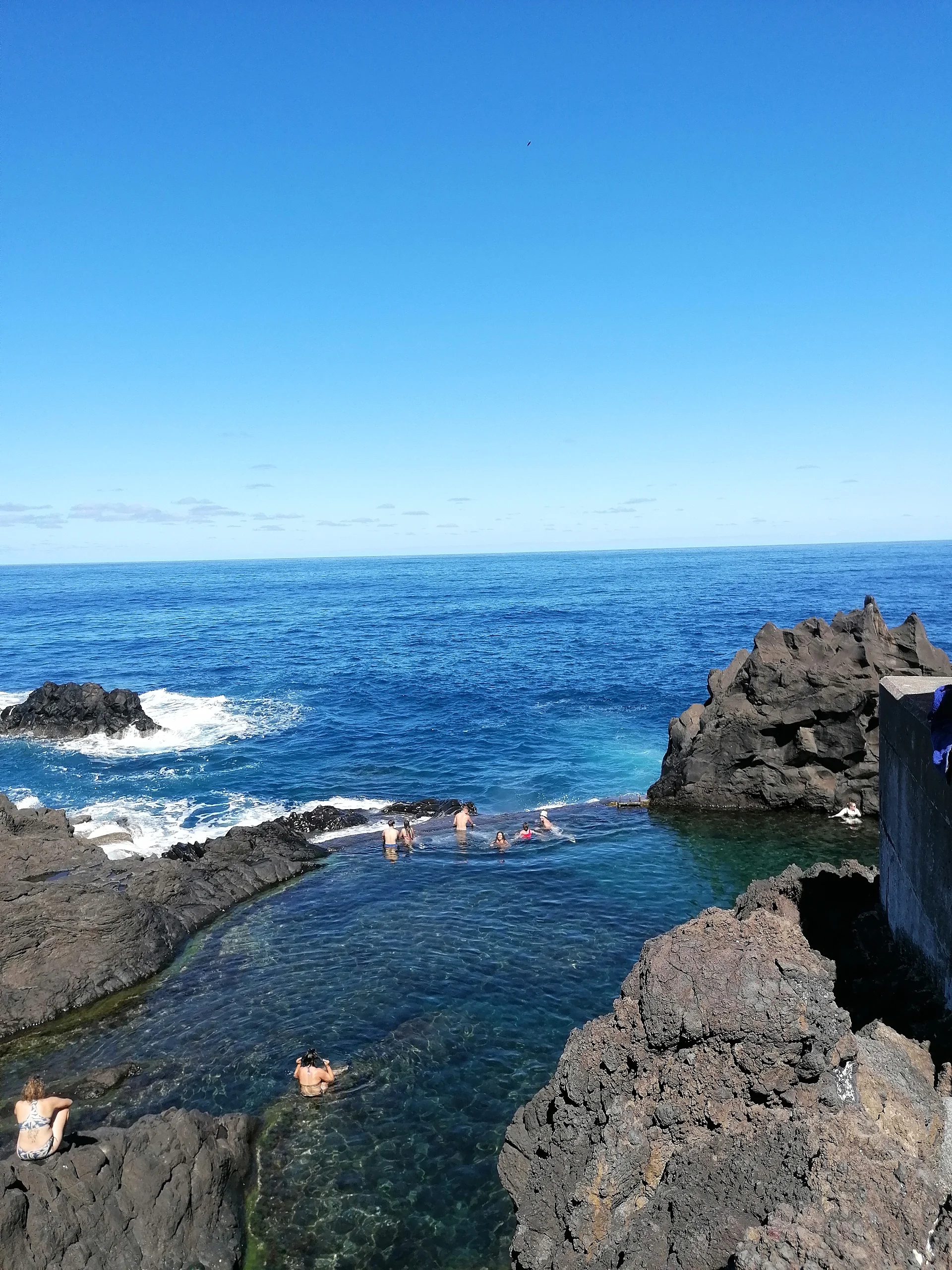
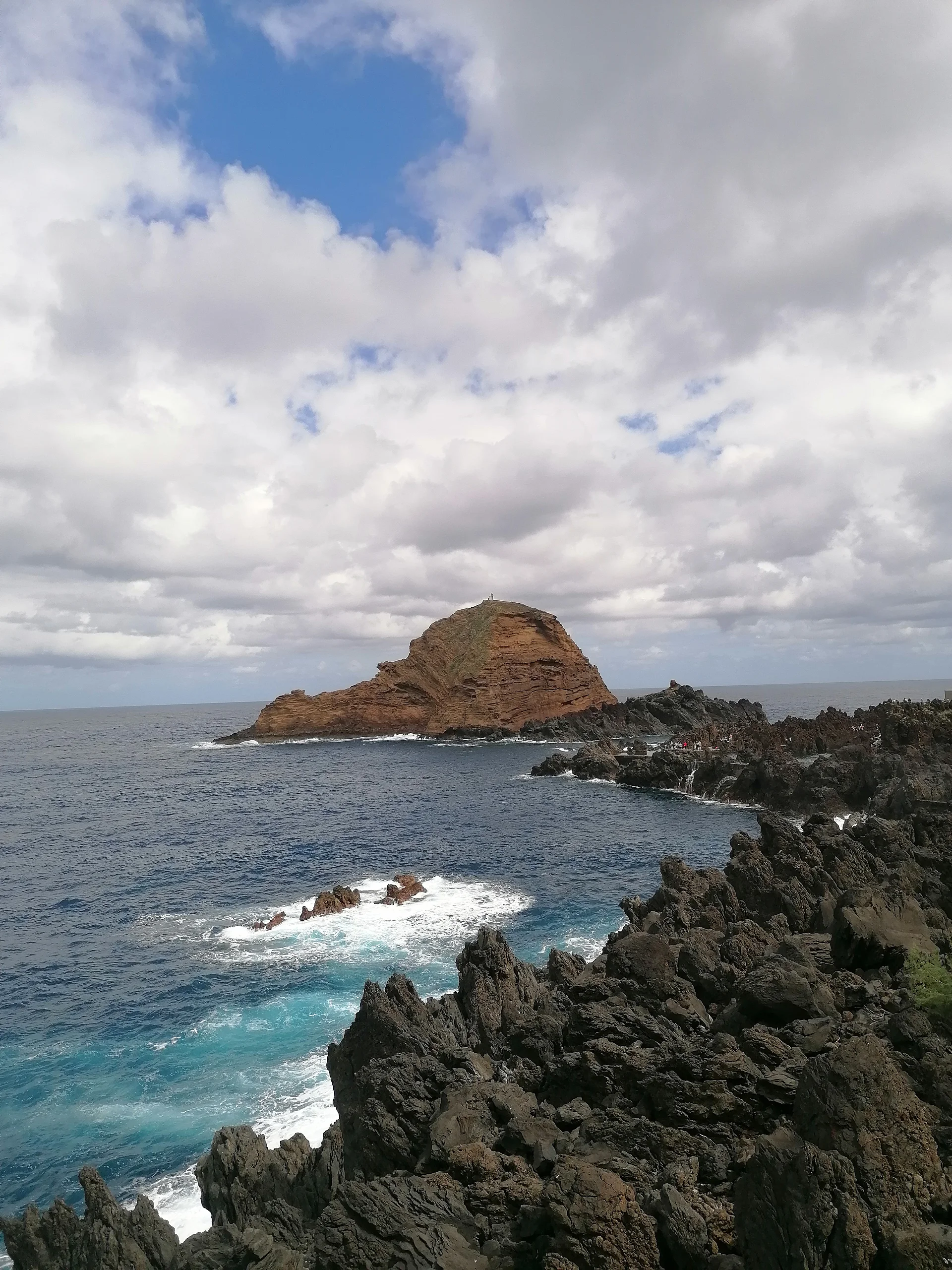
At the far north-western tip, the lava has left basins that the ocean refills with every wave. You swim in seawater, sheltered from the swell, with the breakers crashing a few metres away. The developed pool charges an entry fee and has showers and sunloungers; the rocks next to it are free. Come between June and October, when the water warms up, and make it the lunch stop on a tour of the island.
-
5 The Flower Festival April and May
For a month, from late April to late May, Funchal is covered in carpets and mosaics of flowers. On the first weekend, hundreds of children each place a flower on the Wall of Hope, in Praça do Município. On the Sunday, the big parade comes down Avenida Arriaga, with floats and costumed dancers. Book your hotel in winter: the city is full during these weeks.
The classic mistake
Turning up at a trailhead without a booking. Since 2025, the island's official hiking trails require a half-hour time slot booked online, and non-residents pay a €4.50 fee. Book the day before, and check the weather on the peaks that morning: above 1,500 metres, the clouds can hide everything.
Our itineraries in Madeira
| Length | Itinerary | What you see |
|---|---|---|
| Long weekend (4 days) | Funchal › Monte › Câmara de Lobos › Cabo Girão | Town, gardens, sea cliffs |
| 1 week | Funchal › Pico do Arieiro › Santana › Porto Moniz › Calheta | Peaks, north, south-west |
| 10 days | Funchal › Machico › Santana › Porto Moniz › Ponta do Sol › Porto Santo | The island, then the beach |
Madeira is best explored hub-and-spoke. Keep one or two bases and head out from there: nowhere on the island is more than an hour from Funchal on the expressway. Want to end with a week at the beach? It is on Porto Santo, the neighbouring island, two and a half hours away by boat.
When to visit Madeira
| Verdict | Season | Temperatures | Sea | Crowds and prices |
|---|---|---|---|---|
| WinterDec. to Feb. | 13 to 20 °C | 18 to 19 °C | Average | |
| SpringMar. to May | 14 to 22 °C | 18 to 19 °C | Average | |
| SummerJun. to Sep. | 19 to 27 °C | 21 to 24 °C | High | |
| AutumnOct. and Nov. | 16 to 24 °C | 21 to 23 °C | Low |
Our advice
Aim for May, June or September: the days are long, the trails dry, and prices stay below August's. For New Year's Eve, when the fireworks light up Funchal bay, book months ahead. In winter, keep a spare day: the peaks are often hidden in cloud.
Getting to Madeira
-
Direct flights Simplest
Direct flights link Funchal with London and several other UK airports, in around four hours. The airport is in Santa Cruz, twenty minutes from the capital on the expressway.
-
Via Lisbon or Porto Most choice
Flights to Madeira leave Lisbon and Porto several times a day. This is the option if your city has no direct flight, or if you want to pair the island with a few days in mainland Portugal.
-
To Porto Santo The only beach island
The ferry leaves Funchal harbour in the morning and takes two and a half hours. A small plane makes the trip in a quarter of an hour from Madeira airport.
Coming for the hiking? A direct flight, a hire car at the airport, and you are on the trails the next day. Wind sometimes makes landing impossible: leave some slack on your return day before a connection.
Getting around Madeira
Hire a car: buses link Funchal well with the villages, but not with the trailheads at the time you need to be there. The south-coast expressway runs through tunnels and puts everything within an hour. Elsewhere, roads are narrow and very steep: pick an engine that can climb, not the smallest category.
Good to know
In Funchal, leave the car behind: the old town's streets are steep and parking is scarce. If you hire, choose a hotel with parking, and for the long linear hikes, book a taxi at the finish, since the trail does not loop back to your car.
What to eat in Madeira
- Espetada: cubes of beef rubbed with garlic and salt, grilled on a bay-laurel skewer that hangs above the table.
- Bolo do caco: a flatbread baked on a stone, served warm with garlic butter.
- Espada com banana: black scabbardfish, a deep-sea fish caught at night, served fried with a Madeiran banana.
- Lapas: limpets grilled in the pan with butter and lemon. At the harbour in Câmara de Lobos or in Porto Moniz.
- Poncha: sugarcane spirit, honey and lemon, whisked with a stick in a jug. Drink it in the small bars of Câmara de Lobos and Serra de Água.
- Madeira wine: a fortified wine aged in warmth, from dry Sercial to sweet Malvasia. The lodges in Funchal offer tastings.
At the Funchal farmers' market, ask the price per kilo before tasting the fruit you are handed: some stalls target hurried visitors. For espetada, leave the marina and head up to a village restaurant, where you will pay less for a better skewer.
Where to stay in Madeira
| Area | What for | Worth knowing |
|---|---|---|
| Funchal | Old town, gardens, restaurants | The most practical base |
| Caniço and the east | Quiet, sea, close to the airport | Little going on at night |
| Ponta do Sol and Calheta | Sunshine, sunsets, Rabaçal levadas | The driest side |
| Porto Moniz, São Vicente, Santana | Forest, natural pools, cliffs | More rain and mist |
| Porto Santo | Nine kilometres of sand | Another island, by boat |
How much does a trip in Madeira cost?
| Trip | Length | Budget per person |
|---|---|---|
| Budget (guesthouse, bus, market food) | 7 days | €500 to €800 |
| Comfort (4-star hotel, car, restaurants) | 7 days | €1,100 to €1,700 |
| Luxury (5-star hotel, guide, boat trips) | 7 days | €2,500 to €4,500 |
- Timing: New Year's Eve, Easter, the Flower Festival and August are the most expensive weeks. November and January are the easiest on the budget.
- The car: it is the big item, fuel and parking included. For two people, it costs less than the group excursions it replaces.
- Trails: allow €4.50 per official hike per person, more for the crossing of the peaks.
- Porto Santo: the return ferry is a separate cost. One day there is enough to make it worthwhile, two nights are better.
- Meals: a dish of the day in a village costs half what a table on Funchal's marina does.
Traditions and way of life in Madeira
People speak Portuguese, and a bom dia followed by obrigado or obrigada changes the welcome. In summer, if you pass through a village on a festival night, follow the music: every parish has its arraial, with a procession, a band and espetada skewers grilling in the street.
In Santana, the small triangular thatched houses, the palheiros, recall the farming life of the north. Madeira embroidery and Camacha wickerwork are still made by hand: before buying embroidery, look for the seal that certifies it.