Peso da Régua, the understated capital of Douro wine country
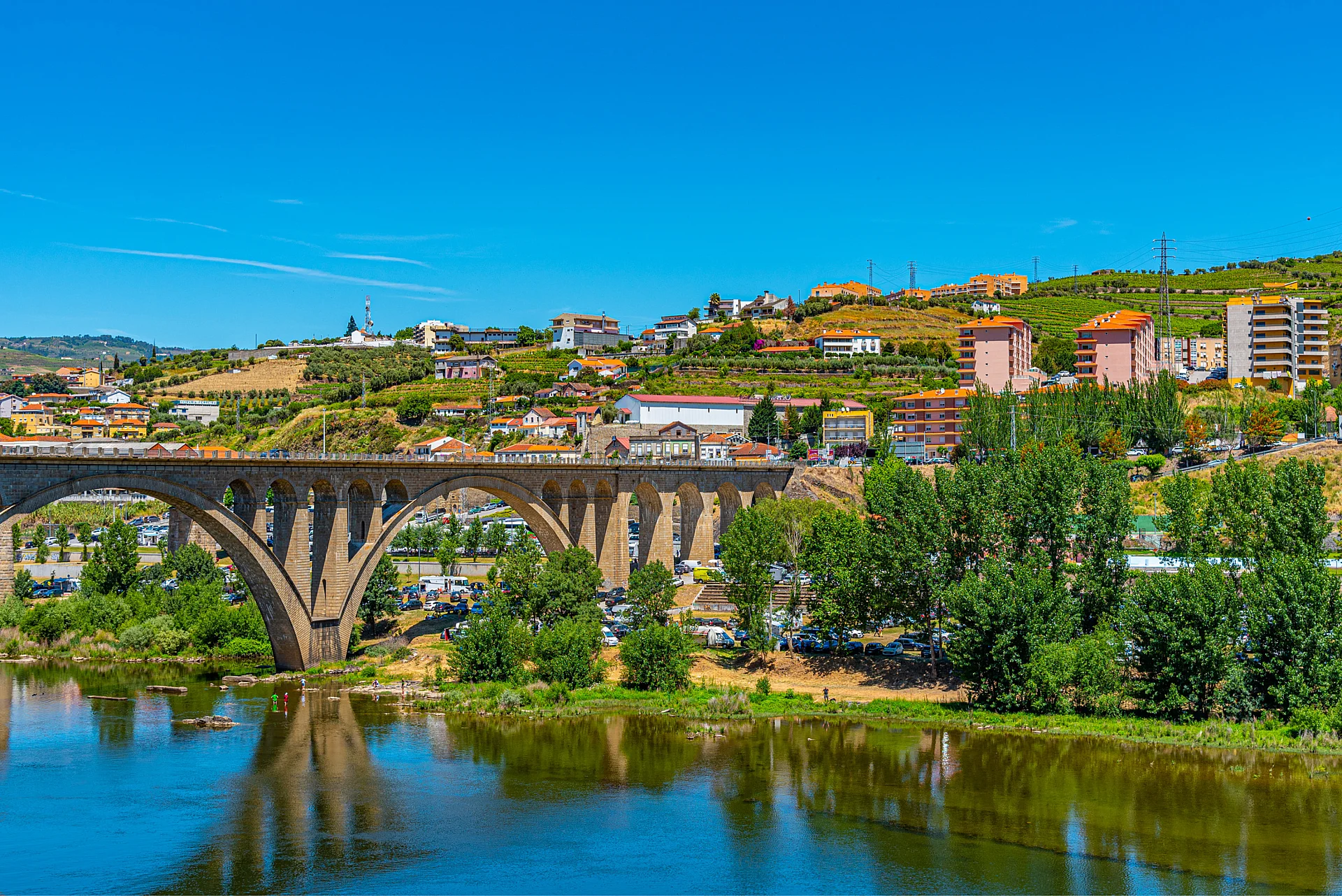
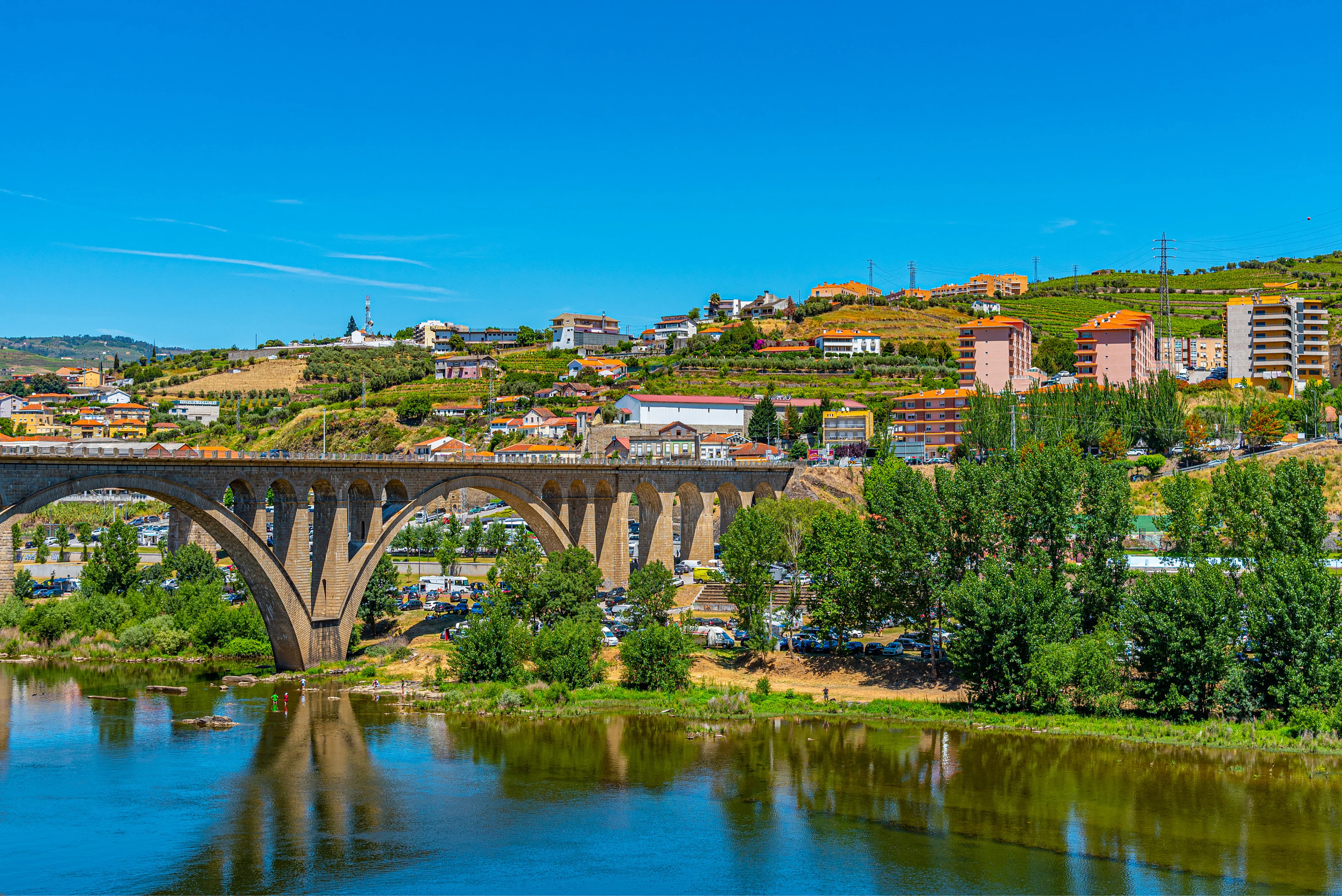
Along the banks of the Douro River, slate-terraced vineyards climb toward the horizon while the town stretches out at the base of these dry-stone walls. Peso da Régua is the anchor of the valley, the place where you arrive by train, board a boat, and taste the local vintage.
Is this destination for you?
Do you love vineyard landscapes, wine, and slow journeys along the water? Régua is an ideal base for exploring the Alto Douro, a UNESCO World Heritage site. The town is compact and practical, and its surroundings are nothing short of spectacular.
If you are looking for a string of major monuments or a pulsing nightlife scene, you might find yourself wanting more. With a population of around 5,000, the town moves at a relaxed pace.
Best suited for:
- Wine and enotourism enthusiasts
- Travelers traveling by train or boat
- Landscape photographers drawn to terraced hillsides
- Anyone wanting a quiet base for exploring the valley
Less suited for:
- Monument hunters
- Nightlife seekers
- Travelers without transportation who want to visit isolated quintas
A reasonable budget for a wine region
We do not provide a set pricing grid because costs vary significantly depending on the harvest season and the type of quinta. Keep in mind that the Douro remains more affordable for dining out than major Portuguese cities, and that wine tastings at the estates will be your main expense to plan for.
Practical realities
Downtown Régua can be easily explored on foot in just a few minutes. The quintas, however, are scattered across the hills, making a car or a taxi essential. Roads are winding, and the slopes are steep.
Summers in the valley are hot, often intensely so, while winters tend to be cooler and damp.
Wine and its museums
Museu do Douro
Located right by the river, the Museu do Douro traces the history of the wine region, from vineyard work to the port wine trade. It makes for the best introduction before heading out to the estates.
The surrounding quintas
Numerous wine estates around town offer tours and tastings of Douro and port wines. Book ahead, especially during the autumn harvest season.
Friendly tip: pick one or two quintas a day rather than four. The roads are slow going, and a proper tasting is meant to be enjoyed without watching the clock.
The river and the train
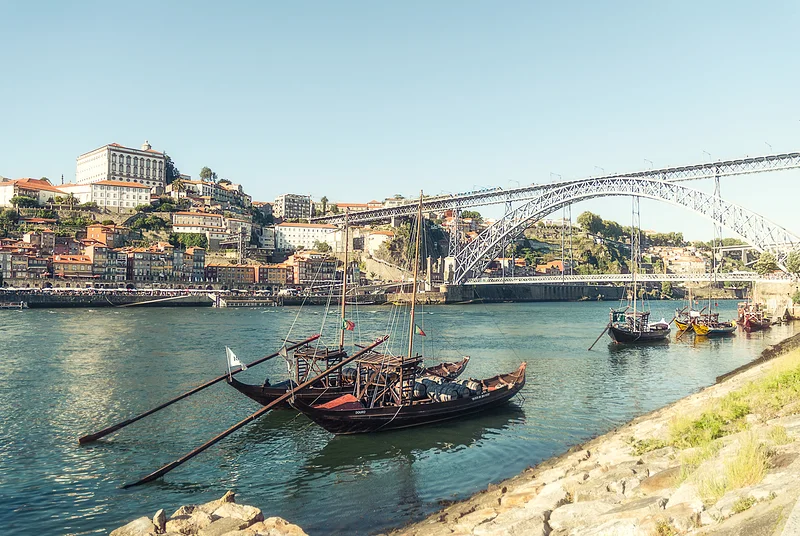
Régua is a major stop for Douro River cruises. Boat excursions offer a view of the terraced hillsides from the water, right down to their reflections.
The Douro railway line runs alongside the river and offers one of the most scenic train rides in the country, winding between vineyards and steep gorges. Grab a seat on the river side.
Where to eat and drink in Peso da Régua?
Sample the Douro wines, both reds and whites, and of course, port wine. When it comes to food, northern Portuguese cuisine favors grilled meats and salt cod, best paired with a bottle from the local vineyards.
Where to stay in and around Peso da Régua?
Downtown features practical hotels close to the train station and the river. For the full wine-country experience, quintas tucked into the hills offer rooms right among the vines. It is the most memorable option, though it does require having a vehicle.
How to get to Peso da Régua?
The town is about 100 km from Porto, which serves as the closest international airport with direct flights from Europe. Expect roughly 1 hour and 30 minutes by car or train from Porto, depending on connections and traffic.
How to get around Peso da Régua?
The center is walkable, and the train station serves as an easy landmark. To reach the hilltop wine estates, rent a car or arrange a private transfer with a local driver.
When to go?
Spring brings vibrant green vines and mild temperatures. Autumn, coinciding with the grape harvest, paints the hills in gold and russet tones, though it brings larger crowds. Summer can feel stifling down in the valley.