
Visiting Amsterdam, where every bridge tells a story
Have you ever had that strange sensation of being in an open-air museum and a friend's living room at the same time? Amsterdam exudes a unique magic where Dutch lifestyle blends with four centuries of merchant history, all set to the gentle lapping of canal water and the constant chime of bicycle bells.
The capital for urban wanderers
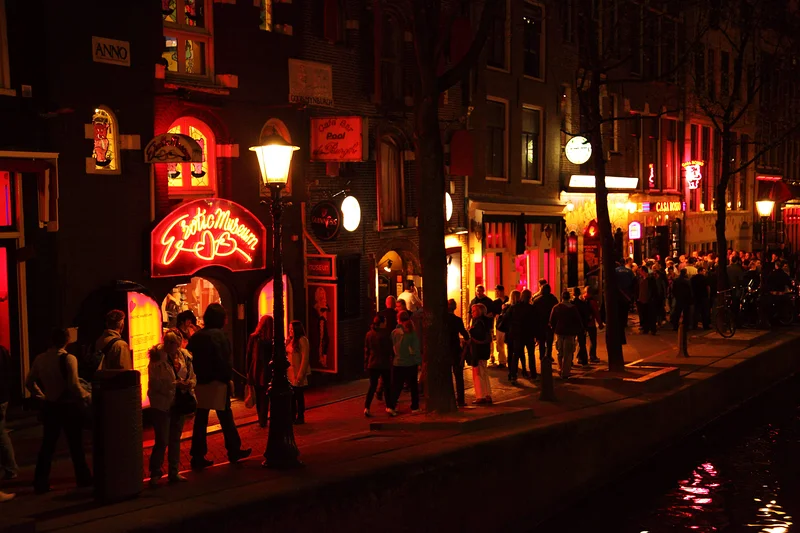
Moving steadily past the scandalous reputation once fueled by its red-light district and coffee shops, Amsterdam today caters to curious travelers who enjoy taking their time and appreciate preserved authenticity. With 600,000 bicycles for 740,000 residents, the city naturally moves at a slow, contemplative pace. If you are looking for the monumental grandeur or the high-octane nightlife of a massive metropolis, you might find its intimate scale a bit underwhelming.
Budget-wise, plan on roughly 80 to 100 euros (about $85 to $110) per day for a comfortable stay, including lodging. The city is perfectly suited for exploring on foot or by bike, making public transit largely unnecessary. Families find it easy to navigate thanks to the numerous parks and safe atmosphere, while culture seekers can easily fill a week rotating between museums, galleries, and historic landmarks.
The historic heart and its hidden treasures
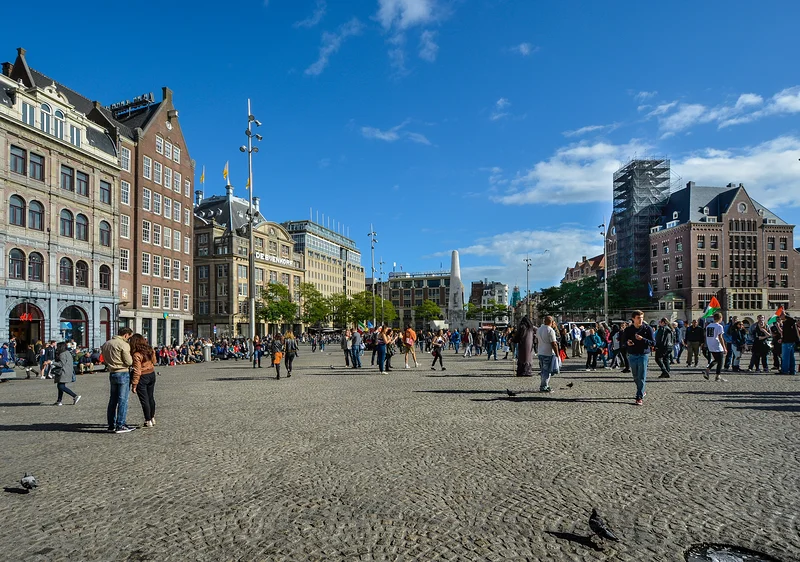
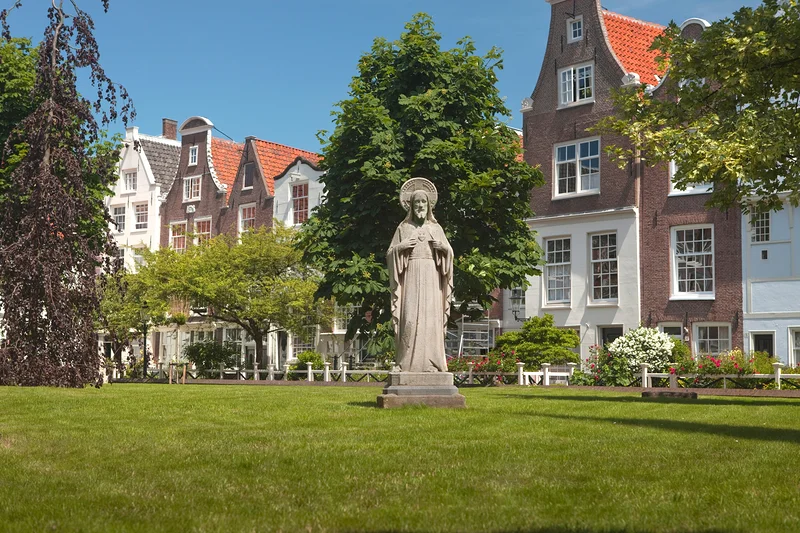
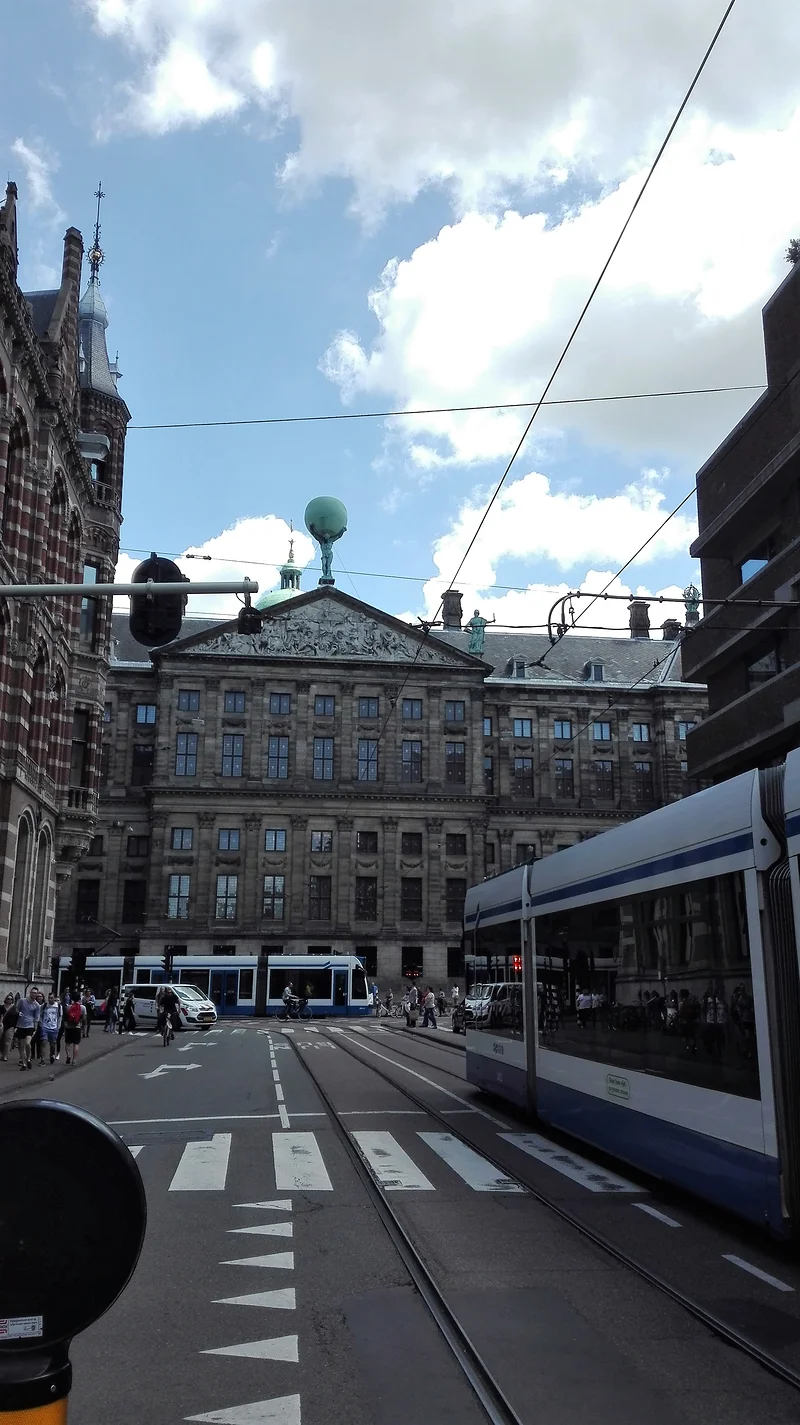
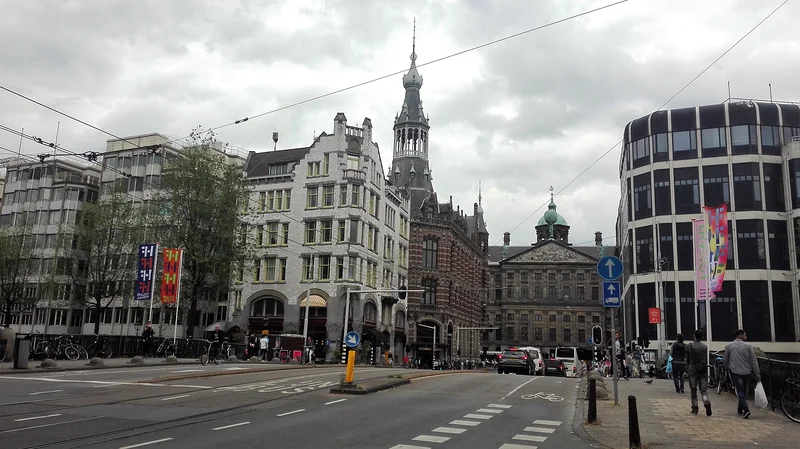
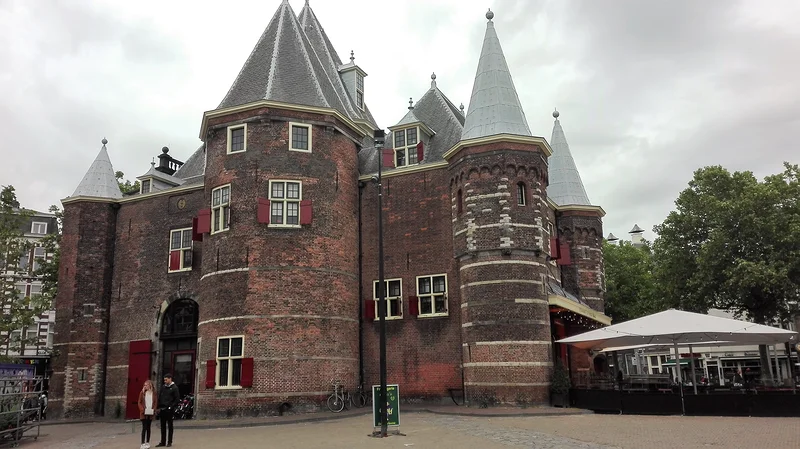
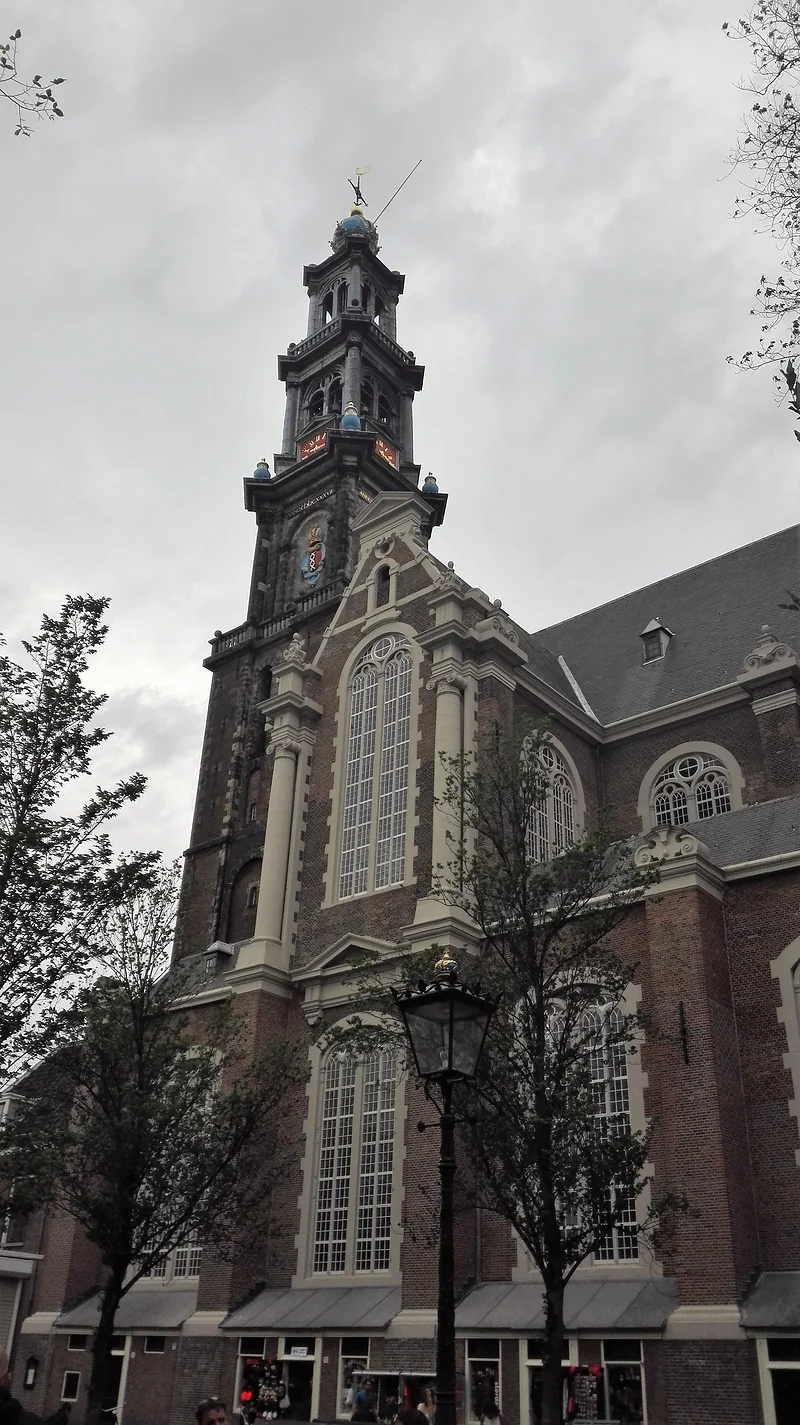
The city center unfolds with its gabled houses lining canals that are recognized as a UNESCO World Heritage site. Dam Square is the ideal starting point, dominated by the Royal Palace and the imposing Nieuwe Kerk. From there, lose yourself in the Begijnhof, a 14th-century secret courtyard where time seems to stand still among its wooden houses and clandestine chapel.
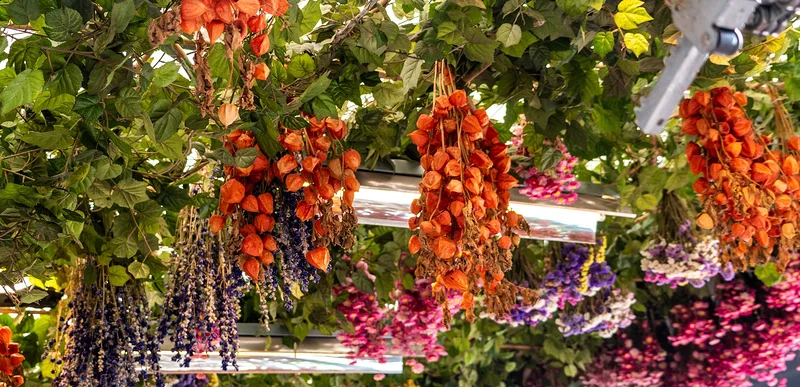
The Bloemenmarkt, the world's only floating flower market, scents the quays with multicolored tulips and bulbs ready to take home. But the real gems are tucked into the side streets: quiet antique shops, contemporary art galleries, and the famous brown cafes with wood paneling stained by centuries of conversation.
Insider tip: Visit the Begijnhof late in the day after the crowds have cleared out. The mystical atmosphere of this religious enclave is much more striking when it is quiet.
The canals, arteries of the eternal city
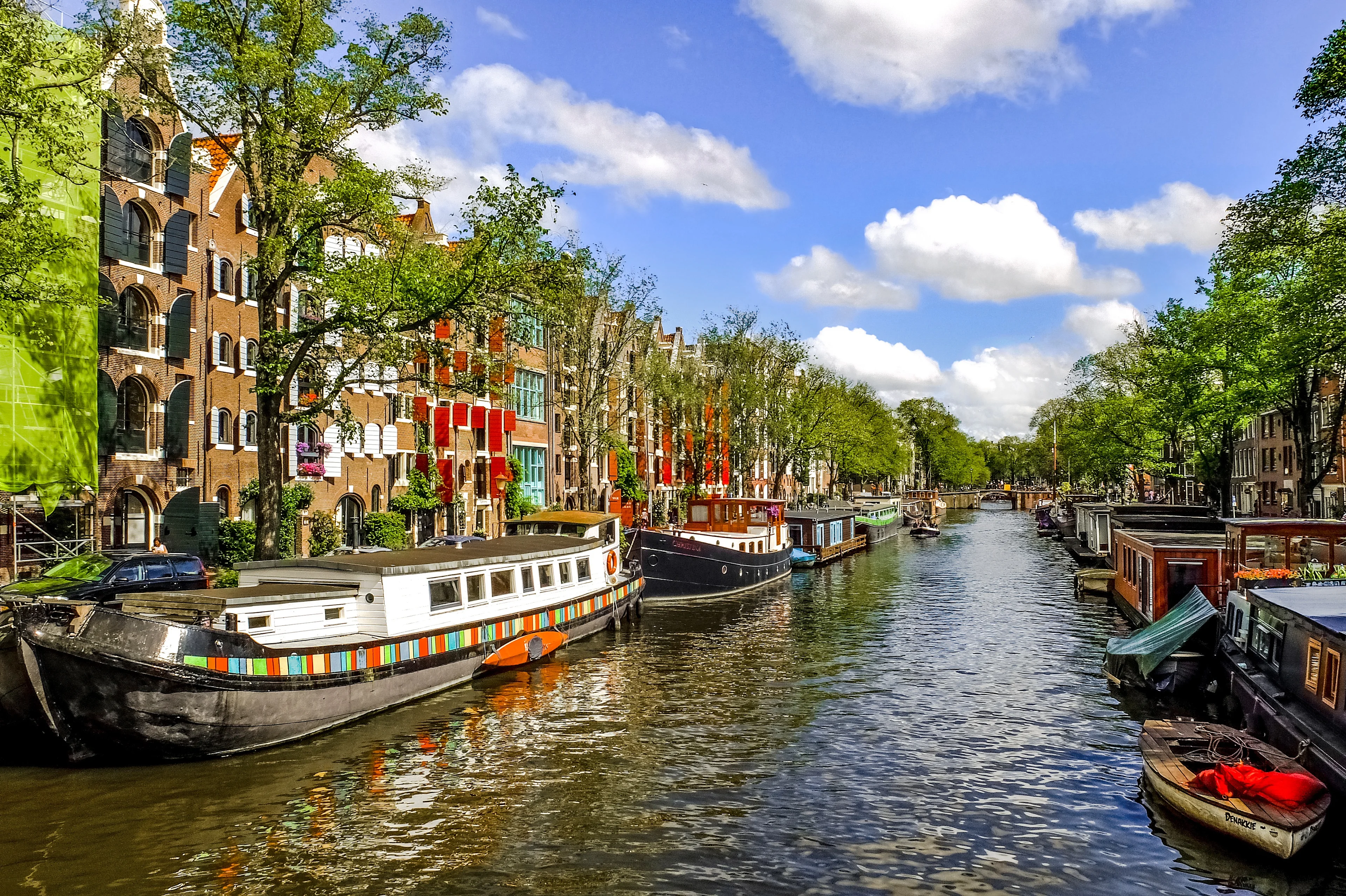
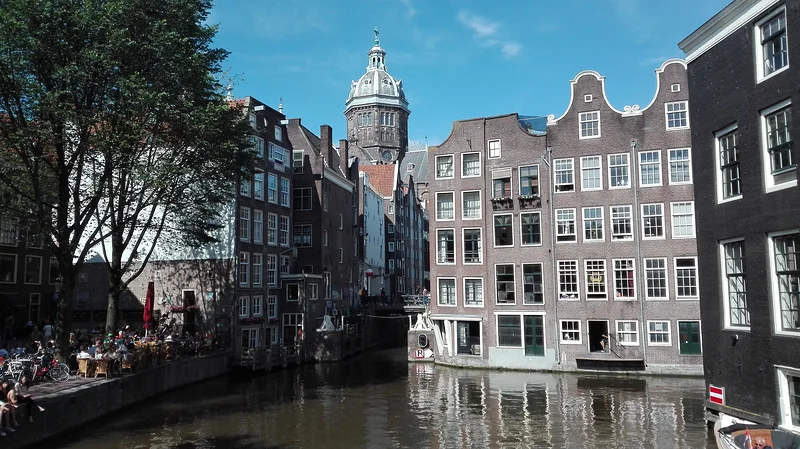
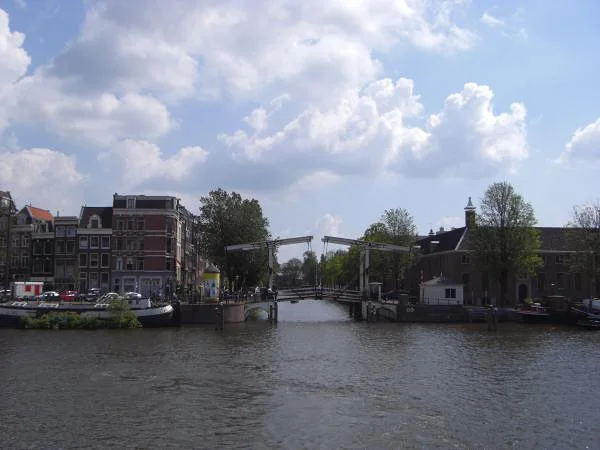
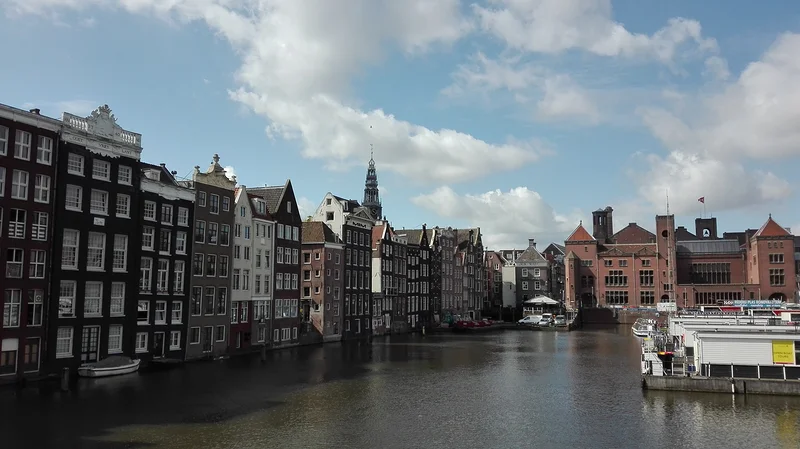
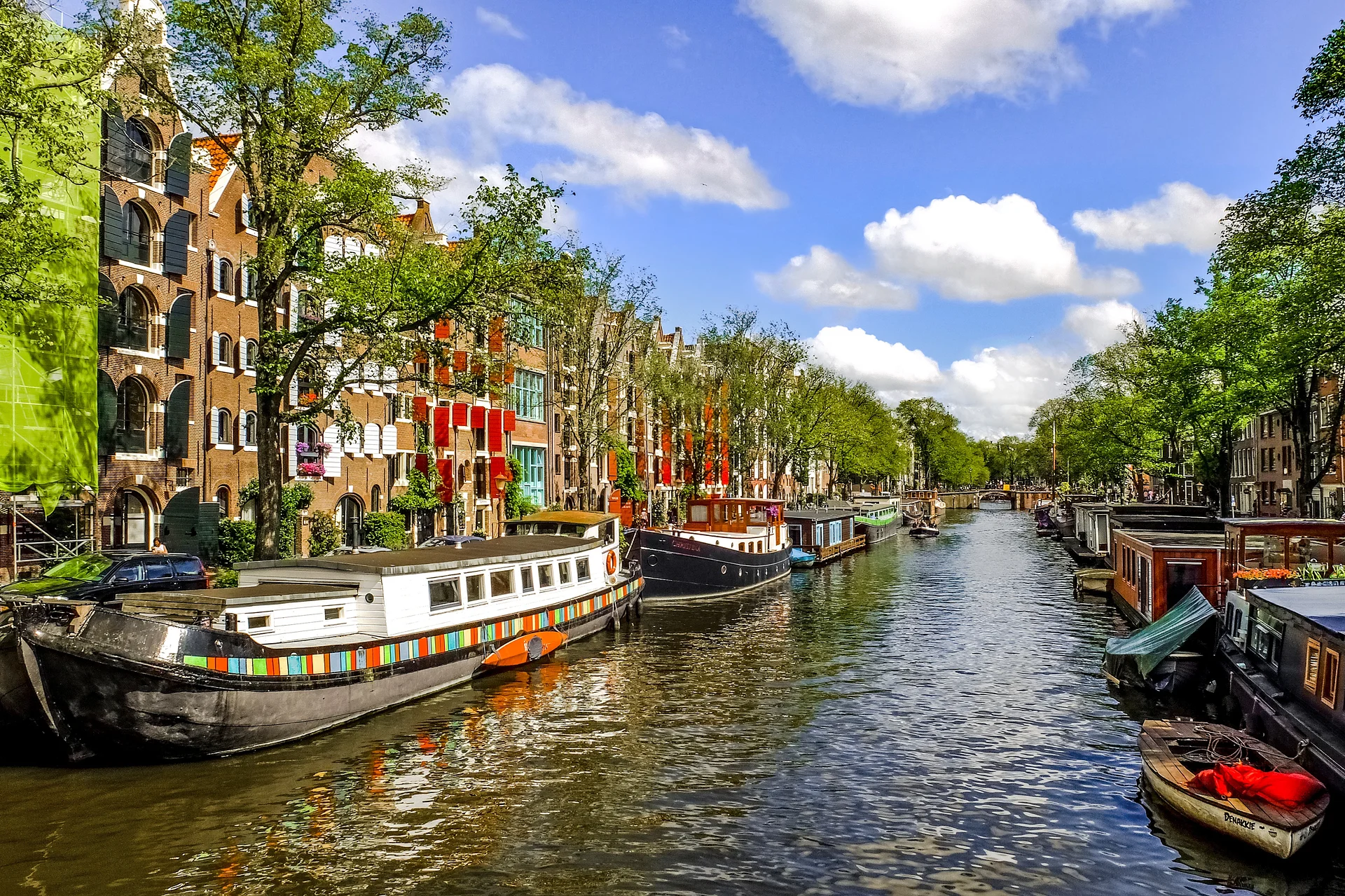
More extensive than Venice, the Amsterdam canal network is best experienced by boat. These 1,280 bridges create an aquatic labyrinth where every turn reveals a new postcard view. The Herengracht, nicknamed the "Champs-Élysées of Amsterdam," is lined with patrician mansions from the 17th and 18th centuries.
For a more intimate experience, opt for a kayak or rent an electric boat. You will navigate at the pace of the centuries-old locks and discover corners inaccessible to traditional tourist boats. At night, when the facades light up, the city is at its most magical.
Insider tip: Skip the crowded commercial cruises and look for small local companies that offer themed tours, specifically those focused on the architecture of the Golden Age.
Jordaan and Vondelpark, the soul of Amsterdam
The former working-class neighborhood of Jordaan has kept its authenticity despite gentrification. Its narrow alleys hide lush interior courtyards, artist studios, and vintage shops that are a dream for treasure hunters. On Saturdays, the Noordermarkt market brings the square to life with organic food stalls and antiques.
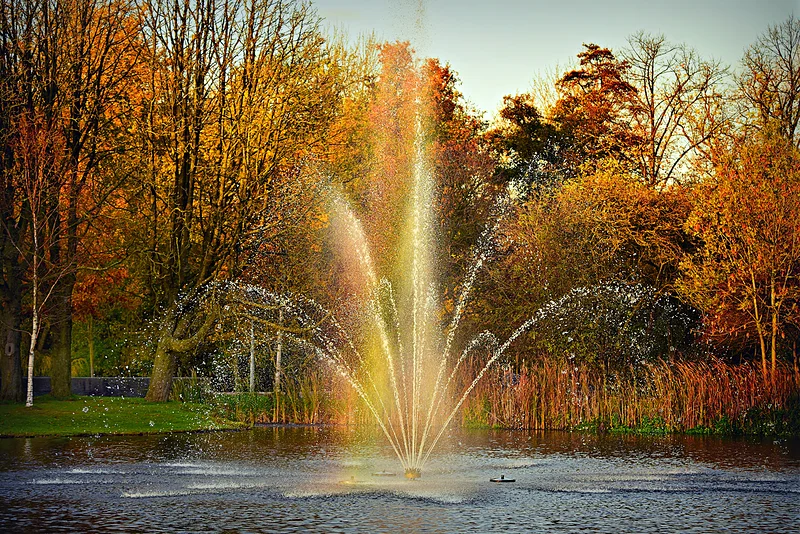
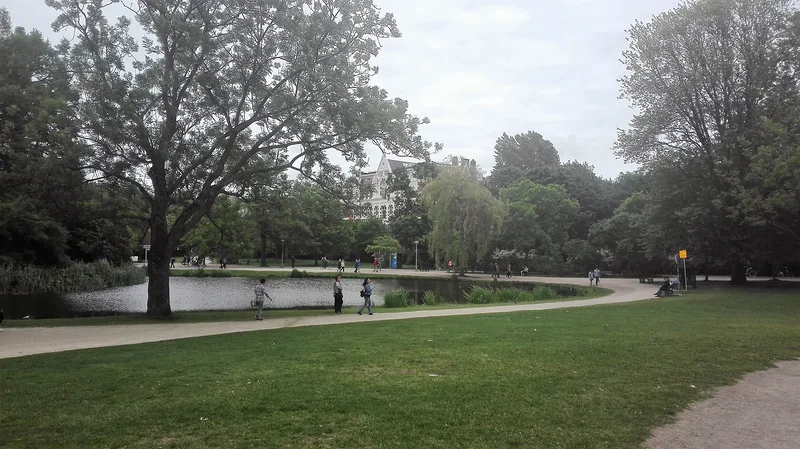
Vondelpark offers a breath of fresh air in the heart of the city. This 116-acre lung hosts family picnics, impromptu concerts, and morning yoga sessions. Its ponds are home to surprising wildlife, and its lawns become the playground for locals as soon as the sun comes out.
Insider tip: Finish your exploration of the Jordaan with a drink on a floating canal terrace. Several cafes offer this unique experience, which is particularly magical at sunset.
The temples of Dutch art
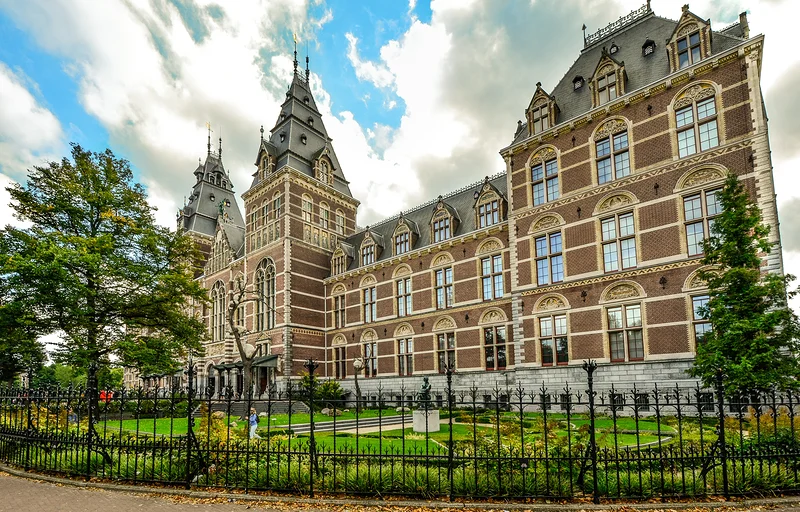
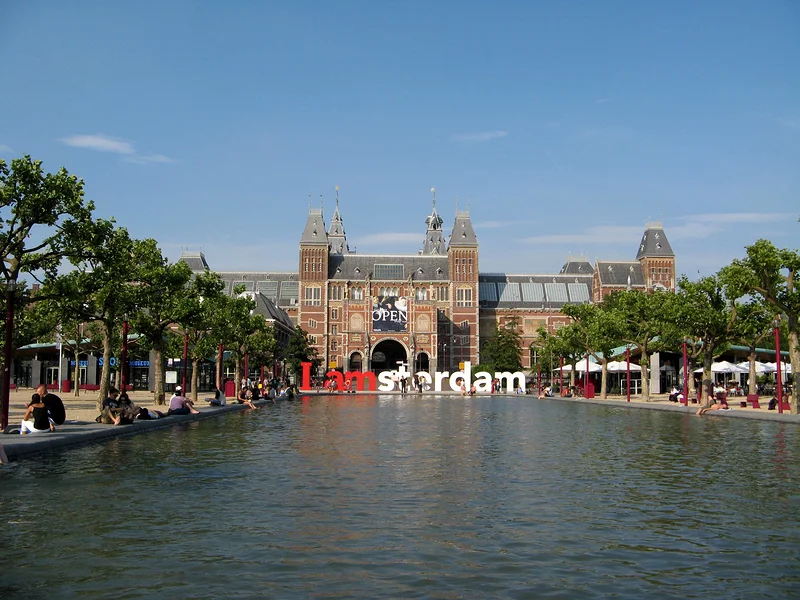
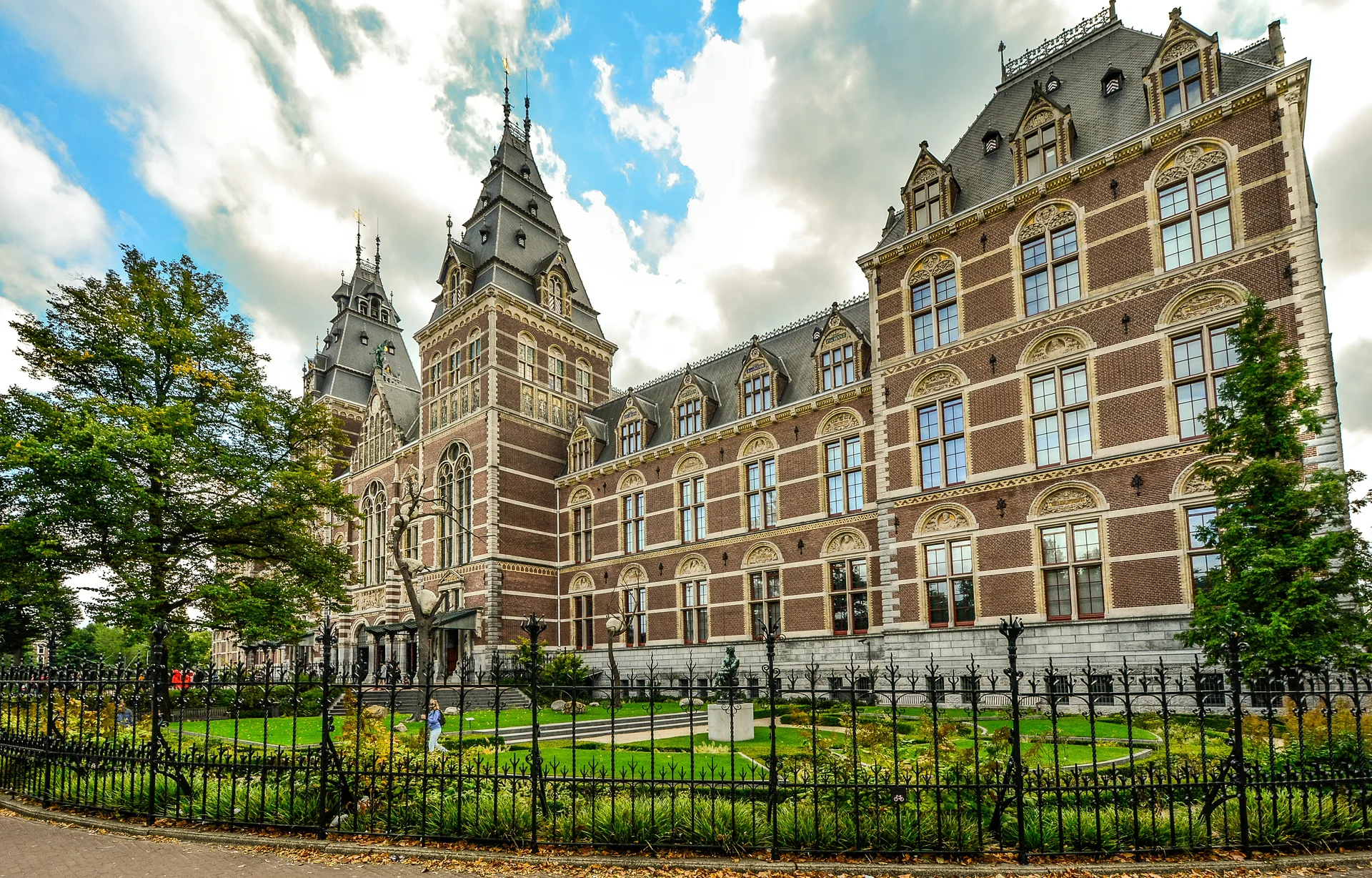
The Rijksmuseum is the essential cultural jewel with its collections of Dutch and Flemish masters. Rembrandt, Vermeer, and their contemporaries showcase four centuries of artistic genius in a sumptuous architectural setting. The Night Watch is worth the price of admission alone.
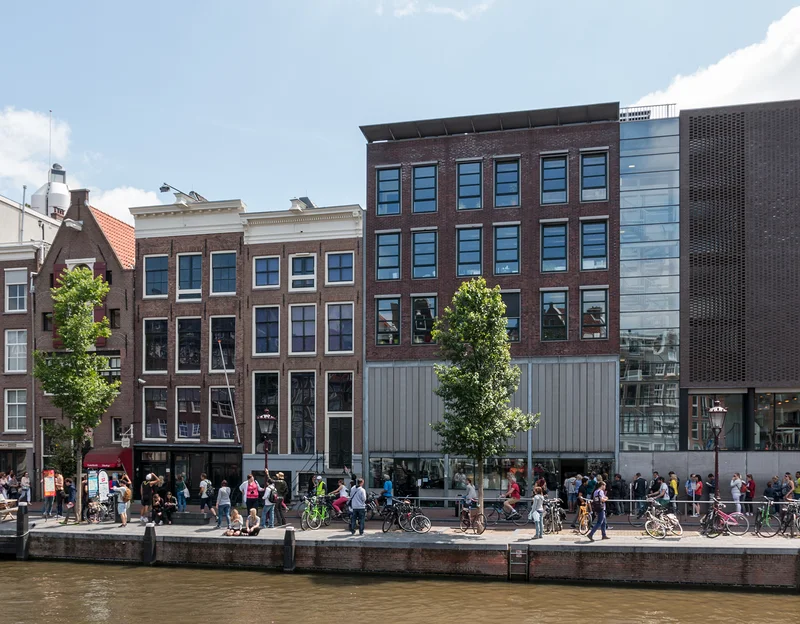
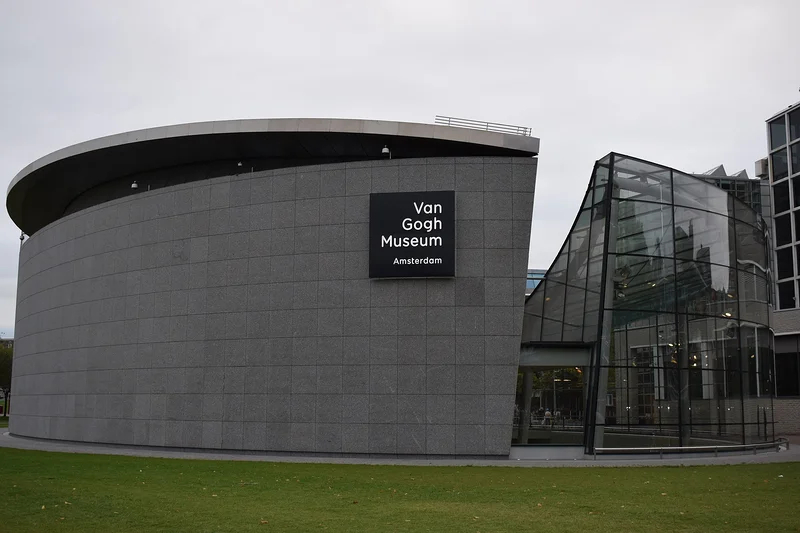
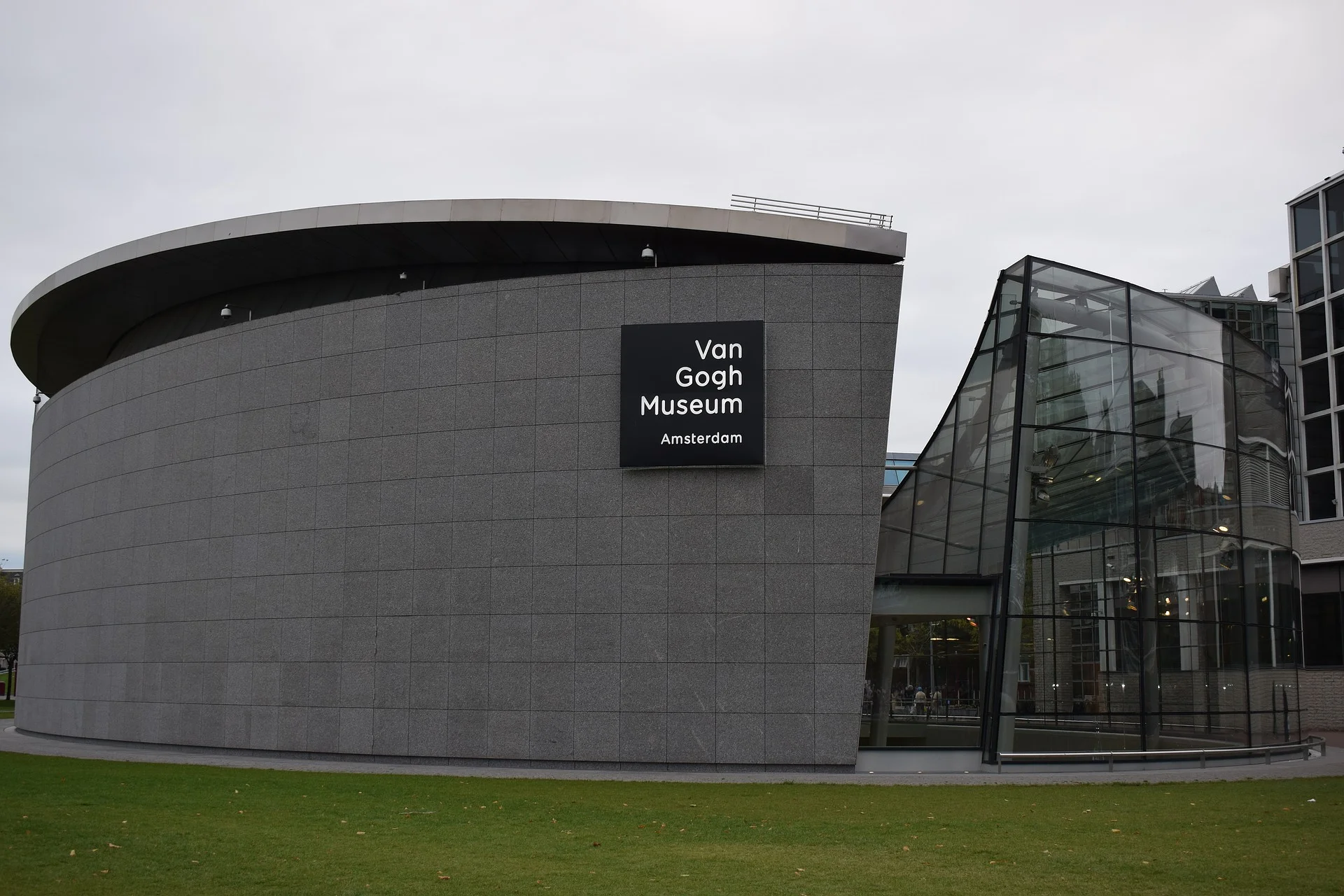
The Van Gogh Museum traces the rapid evolution of the post-impressionist painter through the world's largest collection of his work. More intimate, the Anne Frank House is profoundly moving in its preserved state: the secret annex serves as a raw, emotional testament to those dark years of the Occupation.
Insider tip: Book your tickets for the Anne Frank House several weeks in advance and choose a late-day slot to avoid school groups.
Where to eat and drink in Amsterdam?
The Amsterdam food scene goes far beyond the clichés of stroopwafels and cheese. Try bitterballen, those crispy, melt-in-your-mouth croquettes served with local mustard, or oliebollen, the powdered-sugar donuts typical of winter. Pickled herring is best enjoyed directly from street vendors, topped with raw onions and pickles.
For drinks, the local Heineken is everywhere, but explore craft breweries like Brouwerij 't IJ, located in a former windmill. The brown cafes serve Dutch gin in a warm, smoky atmosphere that has been a social institution for centuries.
Where to sleep in Amsterdam and the surrounding area?
The historic center has the most variety, from hostels to boutique hotels in former patrician mansions. For more peace and quiet, the museum district offers elegant establishments near Vondelpark. Jordaan is appealing for its intimate bed and breakfasts in authentic canal houses.
Budget travelers should look toward Amsterdam Noord, a neighborhood undergoing a massive revival that is accessible by a free ferry, offering modern accommodations at lower prices. Book well in advance for weekends, as Amsterdam attracts steady tourism year-round.
How to get around Amsterdam?
Schiphol Airport is 15 minutes from the city center by direct train. If you are coming from Paris, the flight takes about 1 hour and 15 minutes for roughly 150 euros (about $165), or you can take the train for about 3 hours and 30 minutes for a similar price. Driving is an option, but parking in the city center is expensive and difficult.
In Amsterdam, the bicycle is king: rent one as soon as you arrive to blend in with the flow of local cyclists. Public transport (trams, buses, metro) effectively covers the network, but the city's human scale makes walking very pleasant. A daily bike rental costs between 10 and 15 euros (about $11 to $16).
When to go?
Mid-April to mid-May transforms Amsterdam into a giant garden thanks to the tulip bloom, especially in the Keukenhof gardens located 30 minutes from the city. Summer remains ideal for making the most of the floating terraces and outdoor festivals, despite the heavier crowds. Avoid winter if you want to cruise the canals, as many companies shut down between November and March.
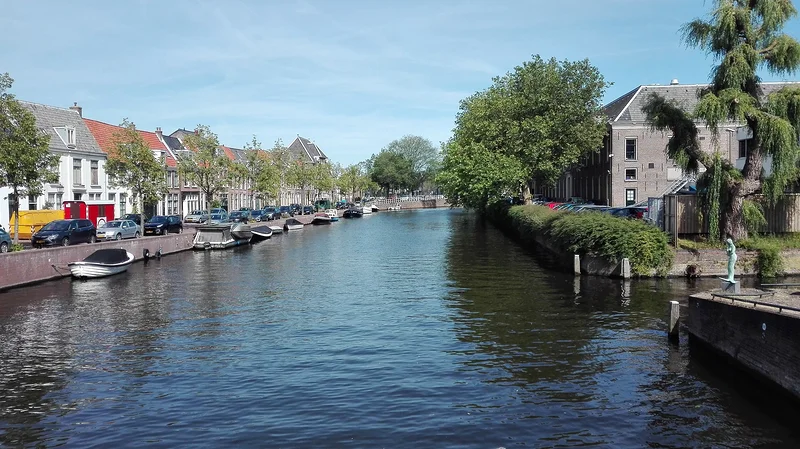
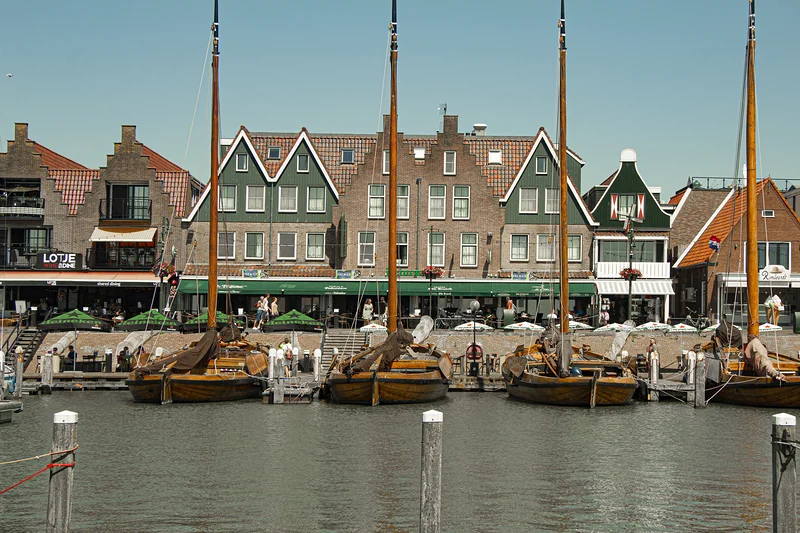
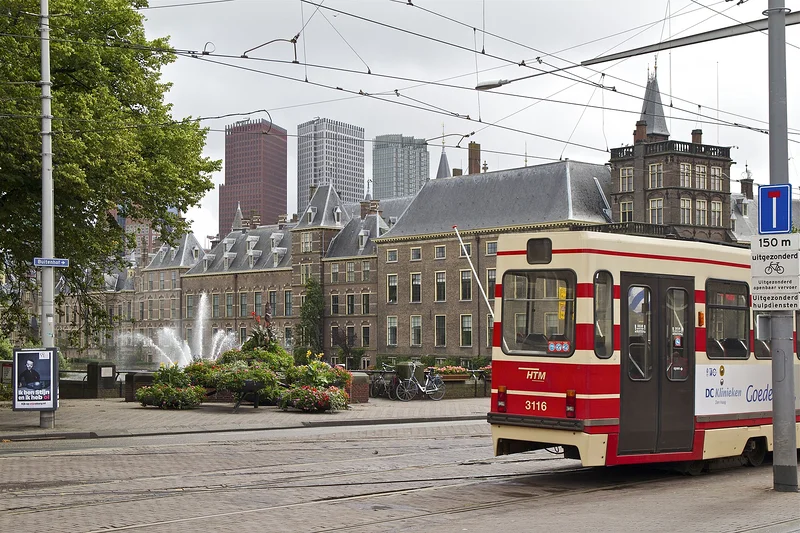
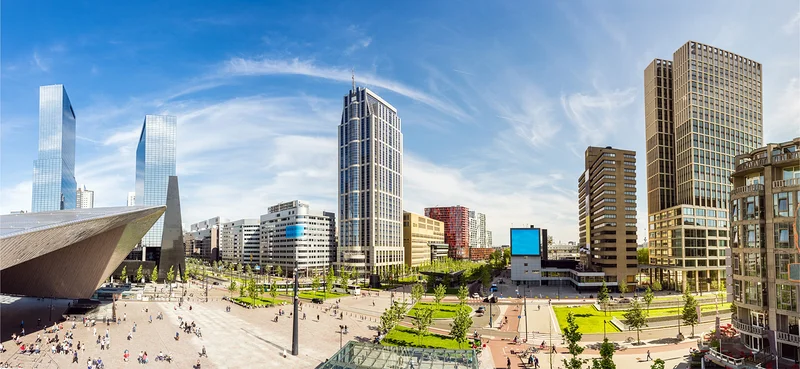
We visited Amsterdam with friends and kids. We quickly realized that there is something here for everyone. During the day, it is really nice to wander through the historic center, stroll along the canals, and go shopping on the main streets. In the evening, many places offer local culinary specialties, though watch out for the prices sometimes. At night, the city turns into a real party hub, where kids don't really belong anymore! One full day wasn't enough to discover this magnificent city, and we will definitely be back!