Visiting Luxembourg, a European Microstate With Many Sides
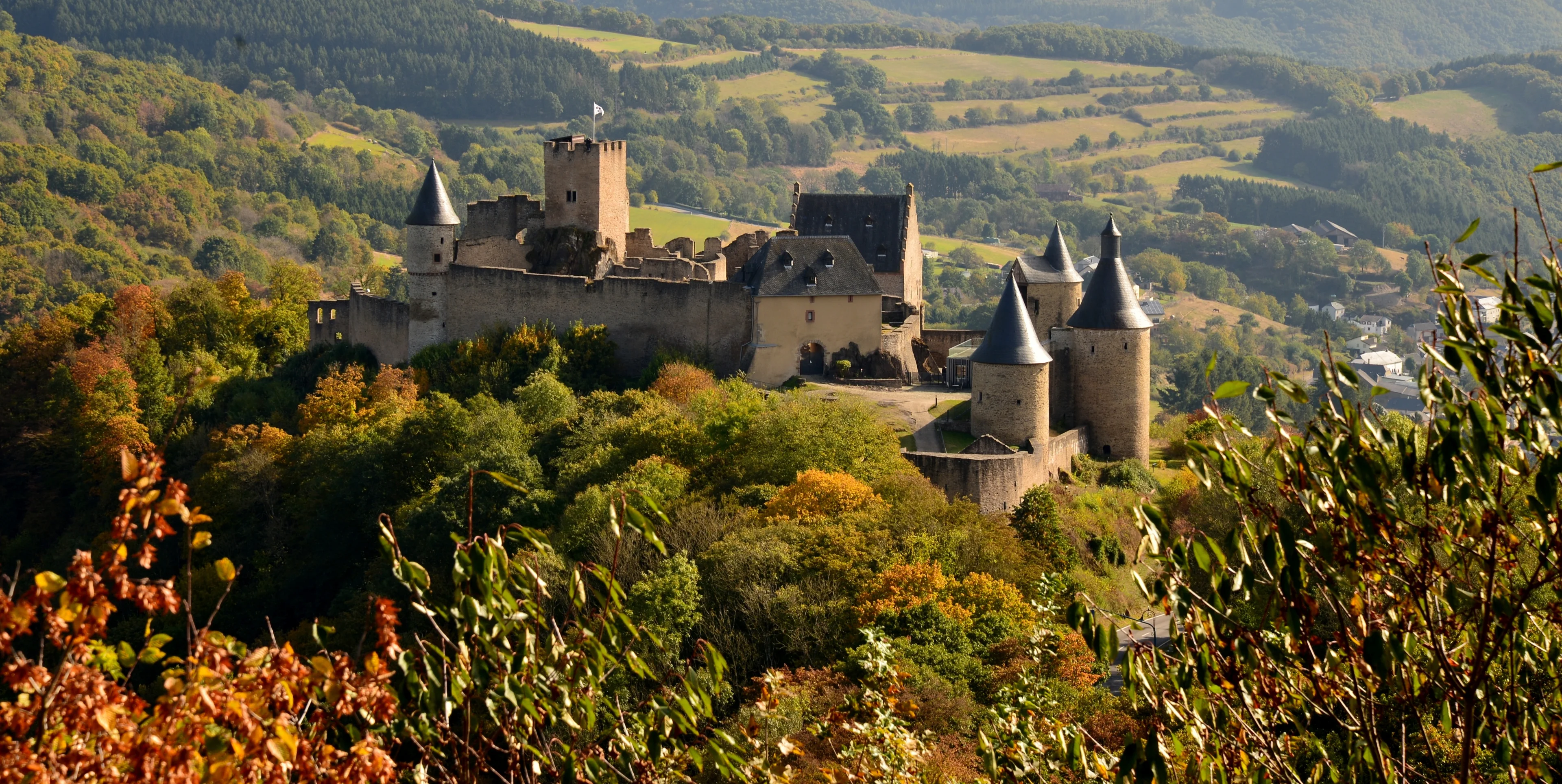
Tucked between France, Belgium, and Germany, Luxembourg is a destination that constantly defies expectations. This compact country of 2,500 km² hides a deep cultural and natural richness beneath its reputation as a financial hub. Featuring medieval castles perched on rocky spurs, lush river valleys, and an ultra-modern capital, the Grand Duchy offers plenty of surprises for anyone who takes the time to look past the surface.
Is This Destination Right For You?
Luxembourg suits curious travelers who enjoy off-the-beaten-path and authentic destinations. If you are looking for sandy beaches or massive monuments, you might want to look elsewhere. However, if the idea of exploring an entire country in just a few days appeals to you, and you appreciate rolling countryside, preserved medieval architecture, and warm local interactions, you will find yourself right at home.
Keep in mind that Luxembourg is one of the most expensive destinations in Europe. A simple coffee can easily run over $5*, and lodging rates are high. That financial hurdle comes with a major upside, as service standards are exceptionally high and public safety is absolute.
A Capital Balancing Tradition and Modernity
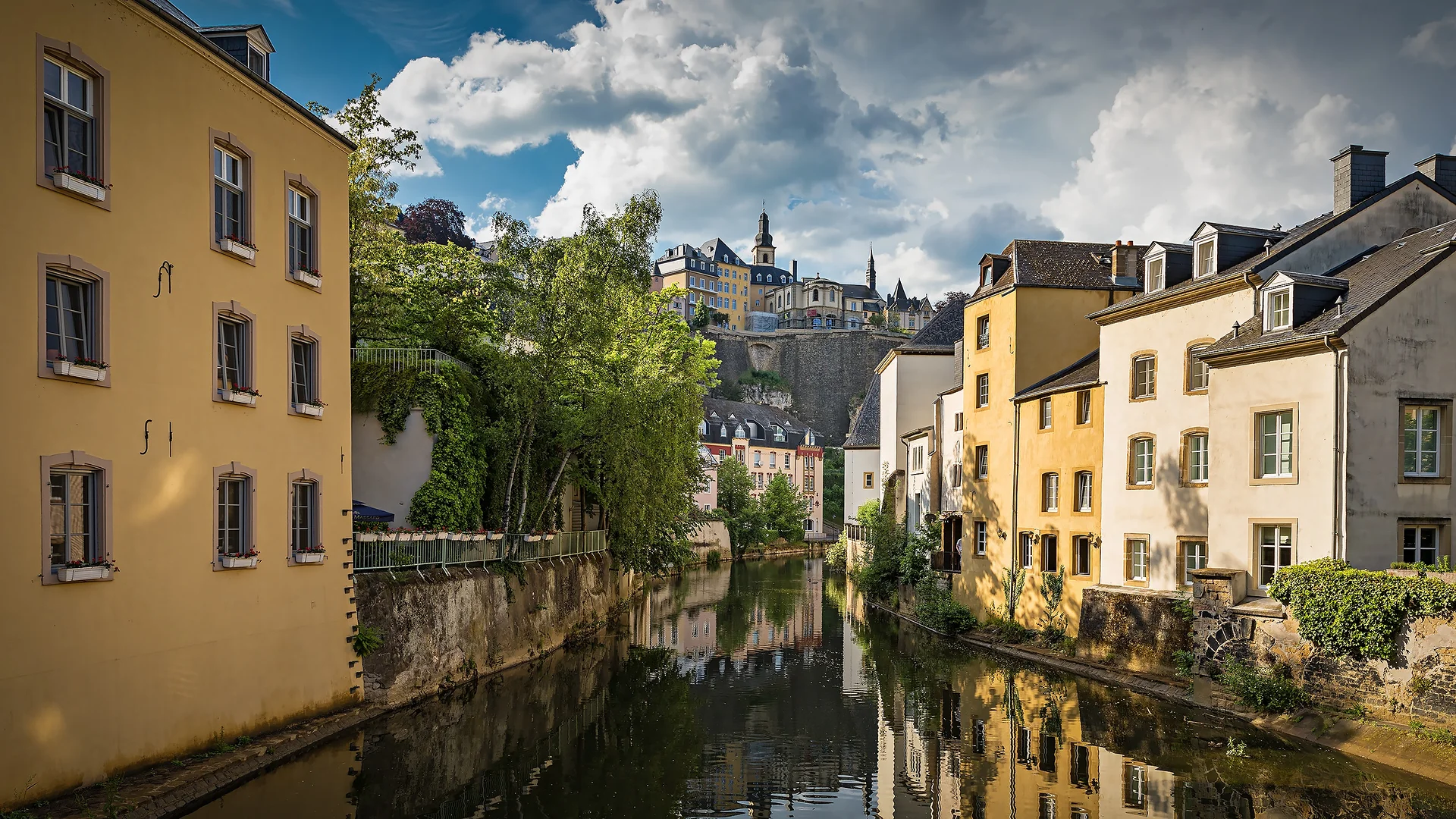
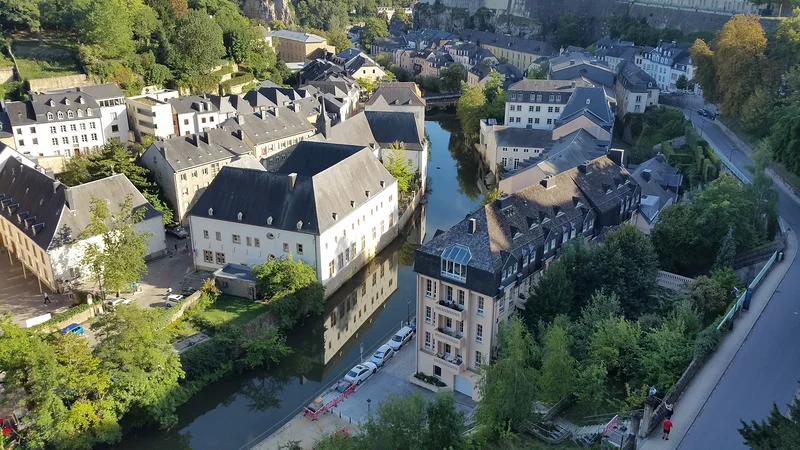
Luxembourg City disorients visitors with its striking mix of deep history and sleek modernity. The Grund neighborhood, nestled in the Alzette River valley, looks straight out of a postcard with its colorful houses and cobblestone alleys. Head back up to the upper town to explore the Bock casemates, an underground network of defensive tunnels that point back to the capital's history as an impregnable fortress.
The contrast hits hard when you step into the Kirchberg plateau. Here, the glass towers of European institutions stand right alongside the Museum of Modern Art, a striking architectural gem designed by Ieoh Ming Pei. Between meetings, Eurocrats fill the downtown upscale restaurants, creating a cosmopolitan vibe you will not find anywhere else quite like this.
Local insider tip: Take advantage of the free panoramic elevators that connect the upper town to the Grund. They offer striking views over the deep ravines and serve as a clever way to understand the capital's unique geography.
Fairytale Castles and Authentic Villages
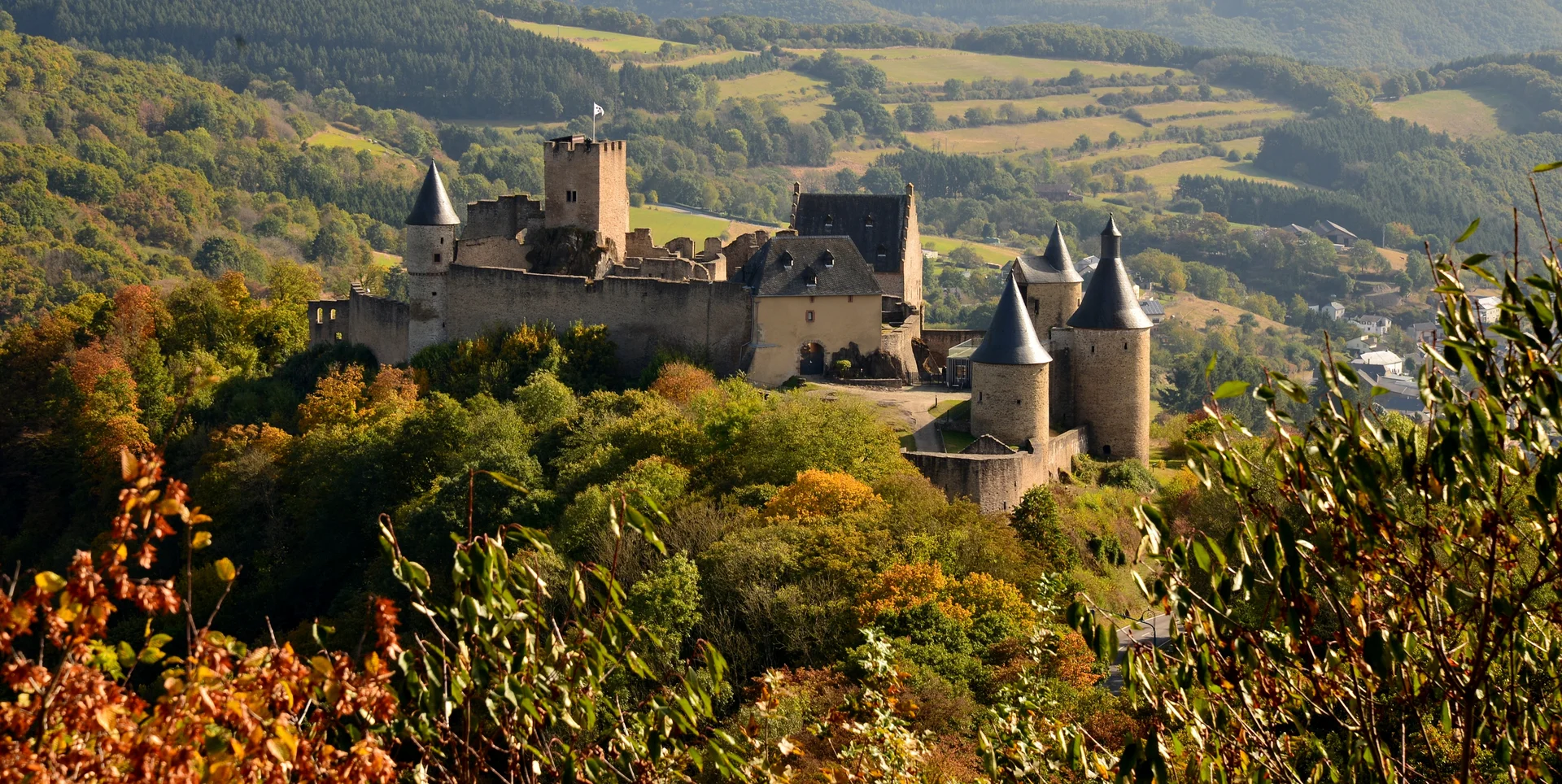
Luxembourg packs more castles per square mile than any other European nation. Vianden Castle towers majestically over the Our River valley, restored down to the smallest detail using medieval construction methods. Victor Hugo lived here and fell completely in love with the place.
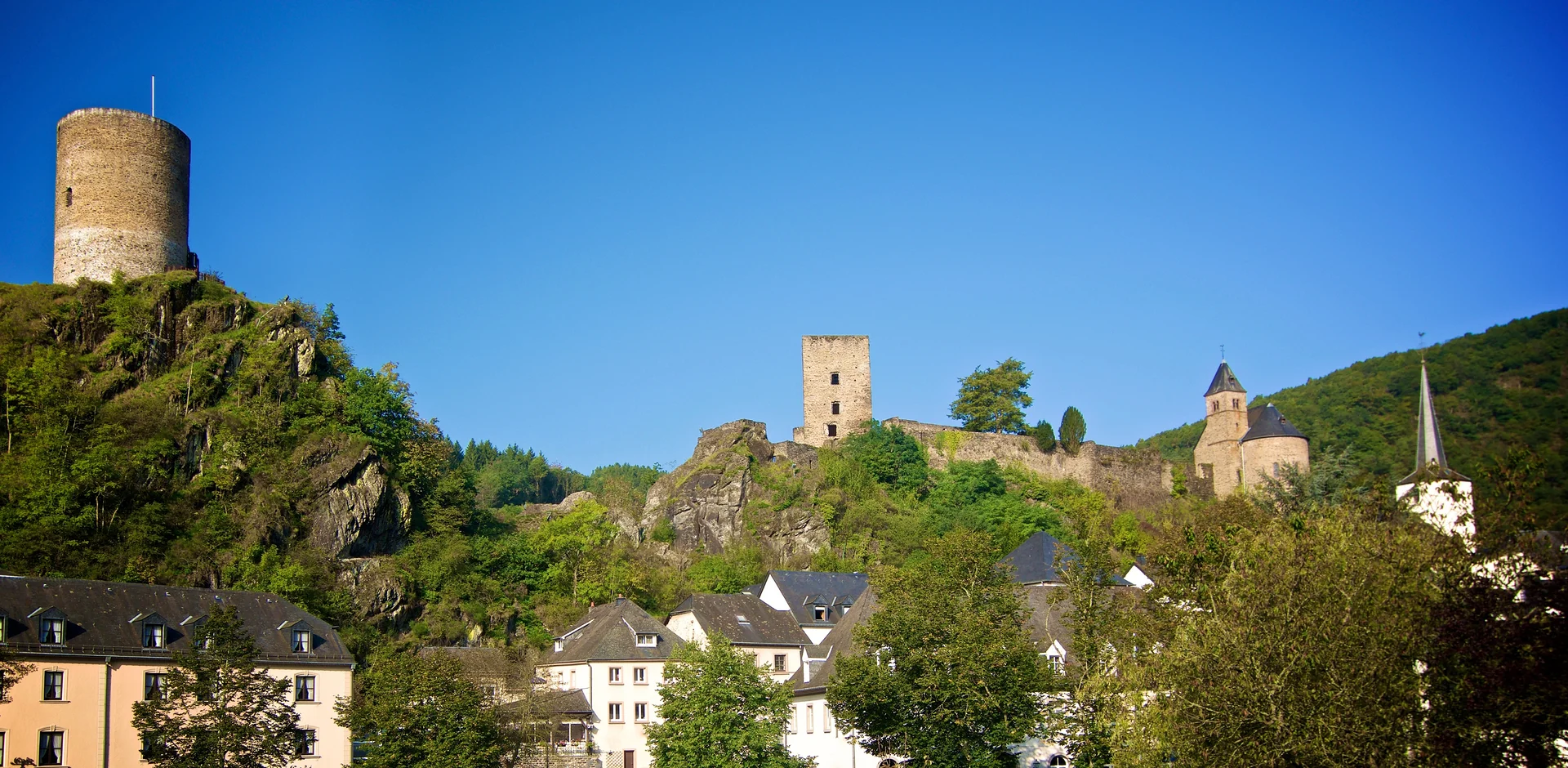
On a more intimate scale, Clervaux charms visitors with its Benedictine abbey and the famous "The Family of Man" photography exhibition by Edward Steichen. The village of Echternach, the oldest in the country, shares its heritage through its traditional hopping procession, recognized by UNESCO.
The Moselle Valley, A Winemaker Haven
Between Schengen and Wasserbillig, terraced vineyards blanket the hillsides, producing high-end Rieslings and crémants. Family-owned wine cellars open their doors for genuine tastings far removed from tourist-trap crowds.
Protected Nature and Quiet Trails
The Mullerthal region, often called "Little Switzerland," features dramatic rock formations and dense forests. Trails wind through boulder fields, quiet waterfalls, and ancient beech groves, carrying an atmosphere that echoes the nearby German borderlands.
Up north, the Luxembourg Ardennes offer rolling hills dotted with traditional farmhouses. Mountain bikers will find plenty of singletrack here, while hikers enjoy the well-marked trails connecting rural villages to scenic viewpoints.
Local insider tip: Download the "Luxembourg Nature" app, which maps out every hiking trail and suggests themed routes based on your fitness level and interests.
A Repurposed Industrial Past
The former mining region in the south reveals a lesser-known side of Luxembourg. Esch-sur-Alzette and Dudelange have converted their industrial brownfields into avant-garde cultural districts. The Belval site illustrates this transformation clearly, as old blast furnaces now anchor the University of Luxembourg and the City of Sciences.
This shift highlights the country's adaptability, proving it can reinvent its identity without turning its back on its working-class roots.
Luxembourg on Your Plate: Rural Traditions and Border Influences
Luxembourgish cuisine draws from peasant traditions while taking heavy cues from German and French cooking. Judd mat gaardebounen (smoked pork collar with broad beans) serves as the hearty, comforting national dish.
Sweet tooths will want to try quetschentaart (plum tart) and äppelkuchen, which fill local bakeries with autumn scents. When it comes to drinks, Moselle wines pair naturally with local specialties, while Bofferding beer remains a point of national pride.
Fine-dining spots in Luxembourg City rival top Parisian kitchens, run by chefs who elevate local ingredients with modern techniques.
When to Visit Luxembourg?
Luxembourg is pleasant to visit year-round, but each season brings distinct highlights:
- Spring (April to May) washes the landscape in soft colors and makes for ideal hiking weather without summer heat.
- Summer (June to August) brings festivals and outdoor events, including the Schueberfouer, Luxembourg City's massive historic funfair. Temperatures rarely cross 25°C, keeping sightseeing comfortable.
- Autumn turns the forests into impressionist paintings and marks the grape harvest along the Moselle. December brings Christmas markets that give historic towns a storybook feel.
- Winter stays mild but damp, making it the right time to explore museums and enjoy cozy traditional restaurants.
How to Get to Luxembourg?
Findel Airport, located 6 kilometers from the capital, handles direct flights from major European hubs. Budget airlines run regular flights at competitive rates, which helps offset the high cost of living on the ground.
The train is the greenest and often the most practical choice. From Paris, the direct TGV ride takes 3h15. Connections from Brussels, Frankfurt, or Zurich require a quick transfer in Metz or Koblenz.
Driving a car makes it easy to explore the countryside, with French, Belgian, and German highway networks feeding right into the Grand Duchy. Watch out for frequent speed cameras and strictly enforced speed limits.
Getting Around Luxembourg
Since March 2020, all public transit in Luxembourg is entirely free, a world first. Buses, trains, and trams weave efficiently across the territory, making a car optional for most travel needs.
Regional trains quickly connect major towns. The Luxembourg to Troisvierges line cuts through the scenic northern highlands, while the route toward Wasserbillig tracks alongside the wine-producing Moselle River.
For hiking trails and remote villages, car rental remains essential. Distances are short, as it takes a maximum of 1h30 to drive straight across the country. Biking is a strong alternative thanks to a national network of paved bike paths and gentle terrain across most regions.