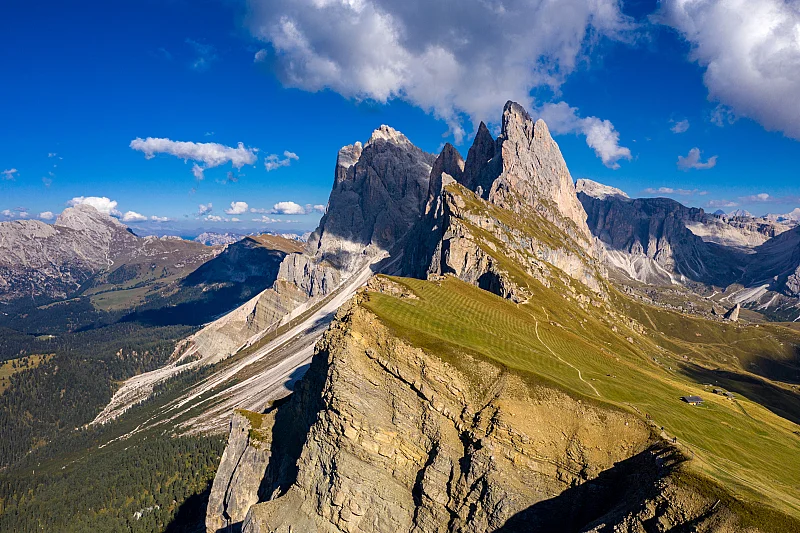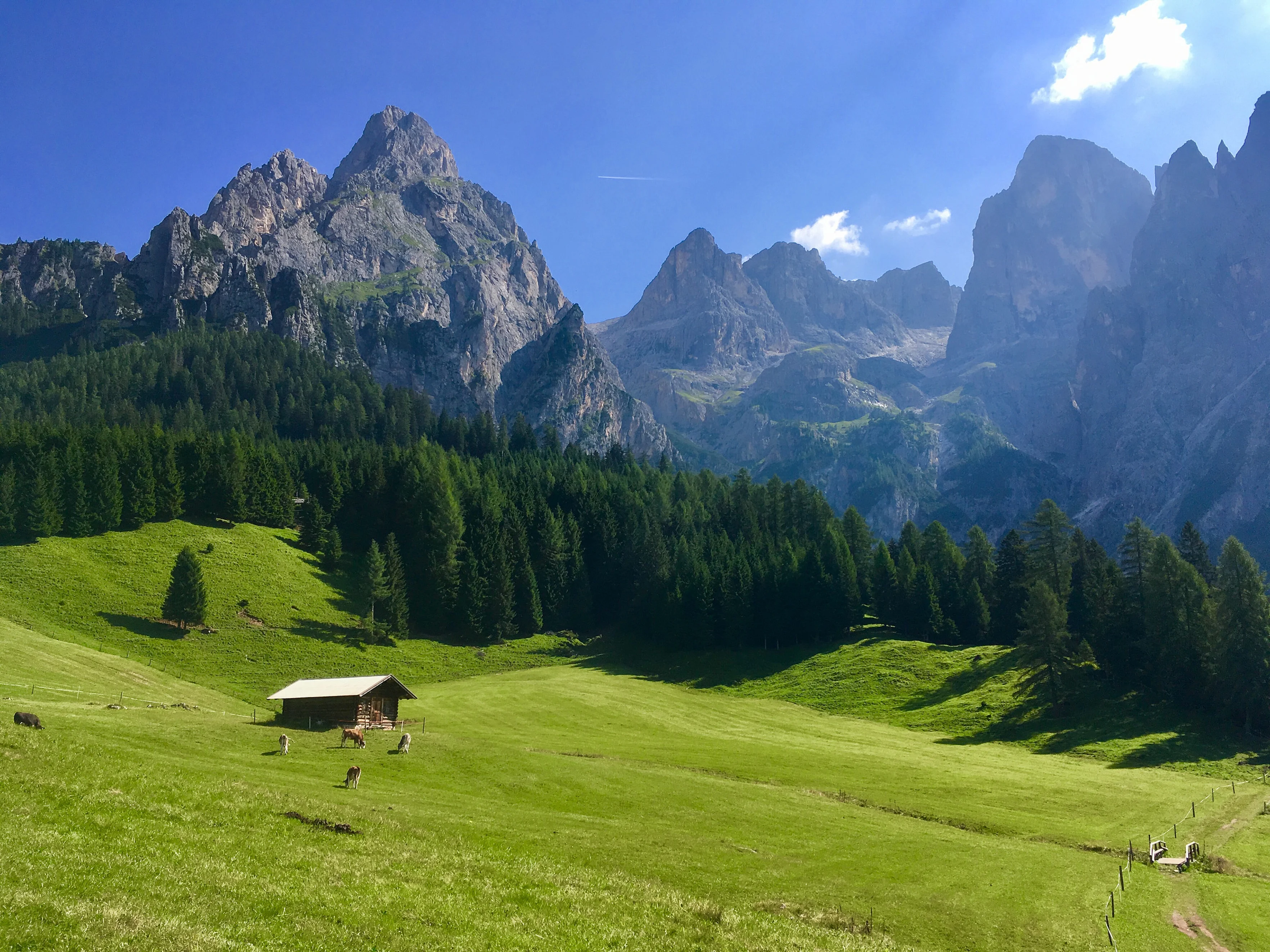
San Martino di Castrozza, the Pale di San Martino within reach of the cable car
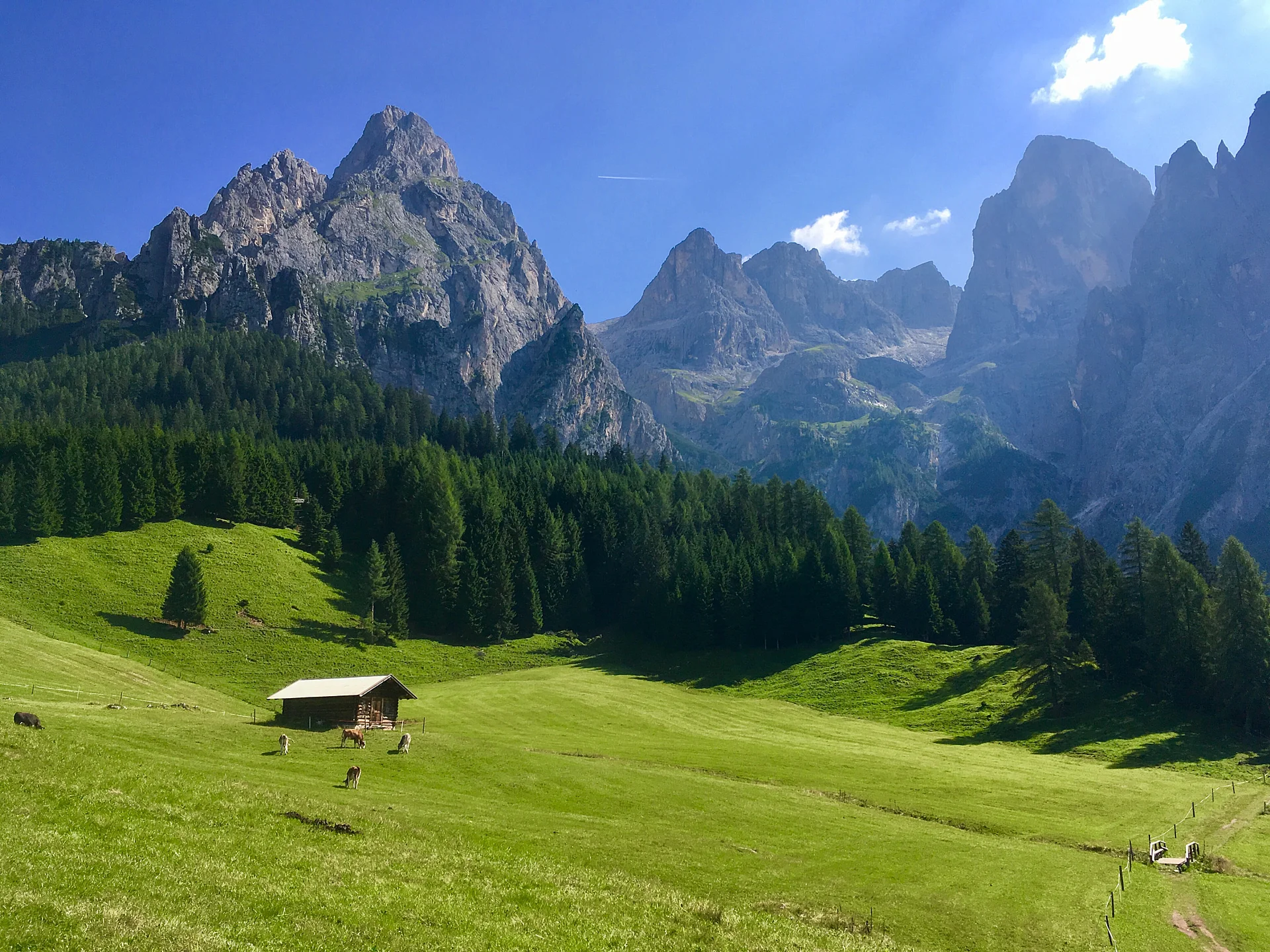
At the end of the Primiero valley, the spruce forest suddenly opens up against a wall of dolomite rock. The Pale di San Martino glow pink at sunset, a daily show visible right from the terrace of almost every hotel in town.
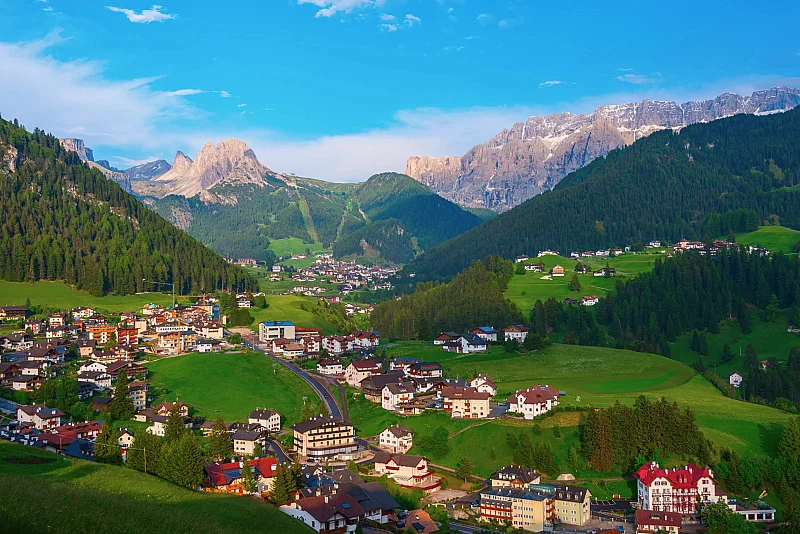
The place feels like a quiet mountain resort, home to 402 permanent residents and hotels lining the main road. Most of the action happens higher up.
Is this destination for you?
San Martino appeals to hikers, skiers, and anyone wanting the Dolomites without the crowds of Cortina or Val Gardena. The village works as a base camp: you sleep here, ride up to the plateaus quickly, and come back down for dinner.
On the flip side, it might disappoint travelers looking for a historic old village with lots of character or a buzzing nightlife scene. The vibe is strictly Italian alpine: functional, quiet, and entirely focused on the mountains.
Best suited for:
- Hikers, from easy valley walks to high-altitude ridge routes
- Skiers and families looking for a manageable, down-to-earth ski area
- Mountain landscape photographers
Not recommended for:
- Travelers looking for nightlife
- Fans of historic architecture and old cobblestone alleyways
- Anyone who wants to get everywhere without a car or physical effort
Resort pricing that shifts with the seasons
Prices follow seasonal swings: winter and peak summer cost significantly more than the shoulder season. Exact rates for lodging and ski passes change from year to year, so it is best to check them directly when booking.
Practical realities
The village sits in the province of Trentino, within Trentino-Alto Adige. Signs and menus are in Italian, but English is spoken without issue at most hotels and guesthouses. Weather up on the peaks can change in an instant, even in summer, so always pack a warm layer and a windbreaker.
Hiking the Pale di San Martino
Hiking is the main reason to come here. The massif is part of the Paneveggio - Pale di San Martino Natural Park, and the Pale range is recognized as a UNESCO World Heritage site as part of the Dolomites. Trailheads start right near town.
The Pale plateau
The lunar expanse of the Pale plateau, sitting at over 2,500 metres, is a stark, silent mineral landscape of pale rock. You can reach it on foot or by taking the cable car that climbs straight from the village up to Rosetta. This lift cuts out hours of steep climbing and opens up sweeping 360-degree views.
Mid-mountain trails
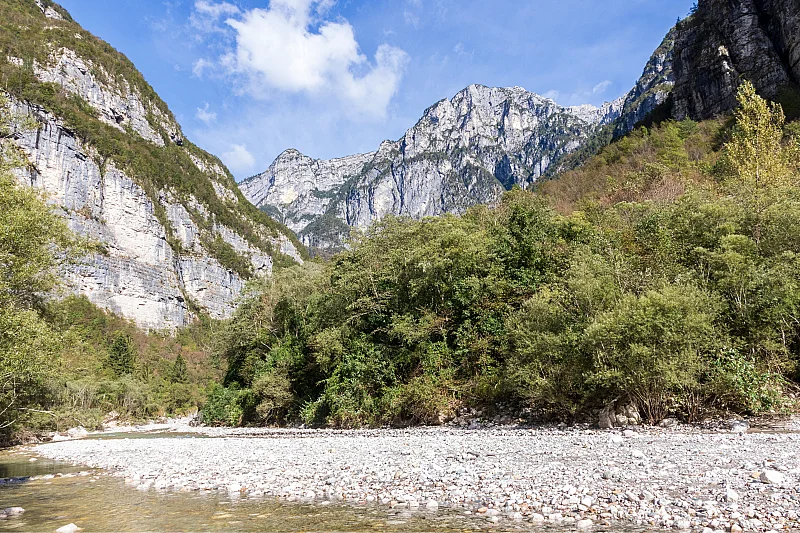
For a gentler day out, the mountain huts (rifugi) scattered across the alpine pastures make great loop hikes with a stop for polenta or cured meats along the way. The park also maintains quieter paths winding through the Paneveggio forests.
Friendly tip: start early. Morning light carves out the rock faces while the trails stay quiet, and afternoon thunderstorms often build up over the peaks by early afternoon.
Skiing in San Martino
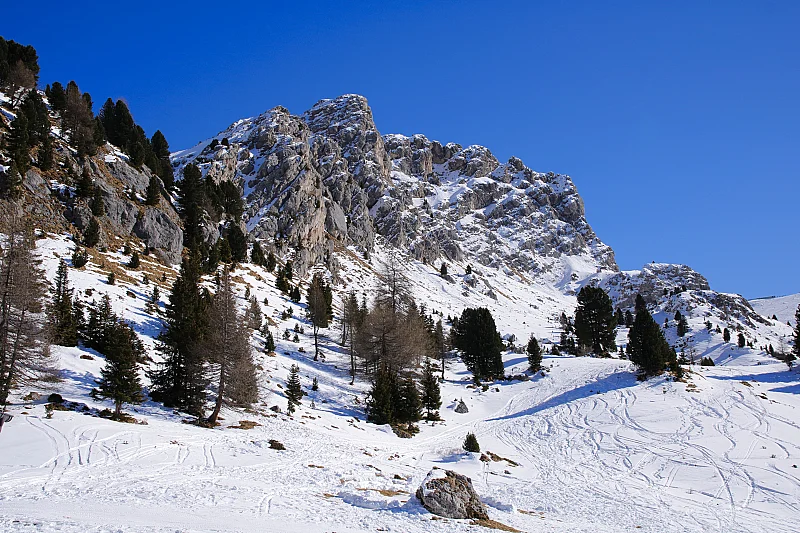
In winter, the village transforms into a ski resort connected to the Tognola area, which links directly into the wider Dolomiti Superski network. The slopes stay less crowded than neighboring hotspots, making it a great fit for families and intermediate skiers.
Where to eat and drink in San Martino di Castrozza?
Trentino cooking is hearty mountain food. Look out for canederli, bread dumplings served in broth or tossed in melted butter, and polenta served alongside local cheese or mushrooms.
Up at the mountain huts, meals are simple and filling, served with views that beat any restaurant interior. Down in the village, evening spots serve more refined regional dishes paired with local wines.
Where to stay in San Martino di Castrozza and the surrounding area?
Lodging consists mostly of mountain hotels, vacation rentals, and high-altitude mountain huts. Staying in the village keeps you close to the lifts. For a night out in total wilderness, booking a hut on the plateau lets you catch a sunrise with nobody else around.
If village prices stretch your budget, the Primiero valley just below offers quieter guesthouses a short drive away.
How to get to San Martino di Castrozza?
The most convenient airports are Venice and Verona, both served by international flights, followed by a scenic mountain drive to reach the village. Treviso and Bergamo are other options depending on the airline.
Renting a car is the most flexible way to get around. Coming from the north, the road cuts through northern Italy before climbing up toward the Passo Rolle, where winter tires or chains may be required depending on the month.
How to get around San Martino di Castrozza?
The village itself is entirely walkable. Cable cars and seasonal shuttle buses connect the town to major trailheads and ski lifts. Having a car makes it much easier to explore the nearby lakes and neighboring valleys outside the resort center.
When to go?
From June to September, the trails are clear of snow and the mountain huts are open. December to March is the prime ski window. Spring and early autumn are much quieter, but keep in mind that some services close down and snow can linger high up on the peaks.