
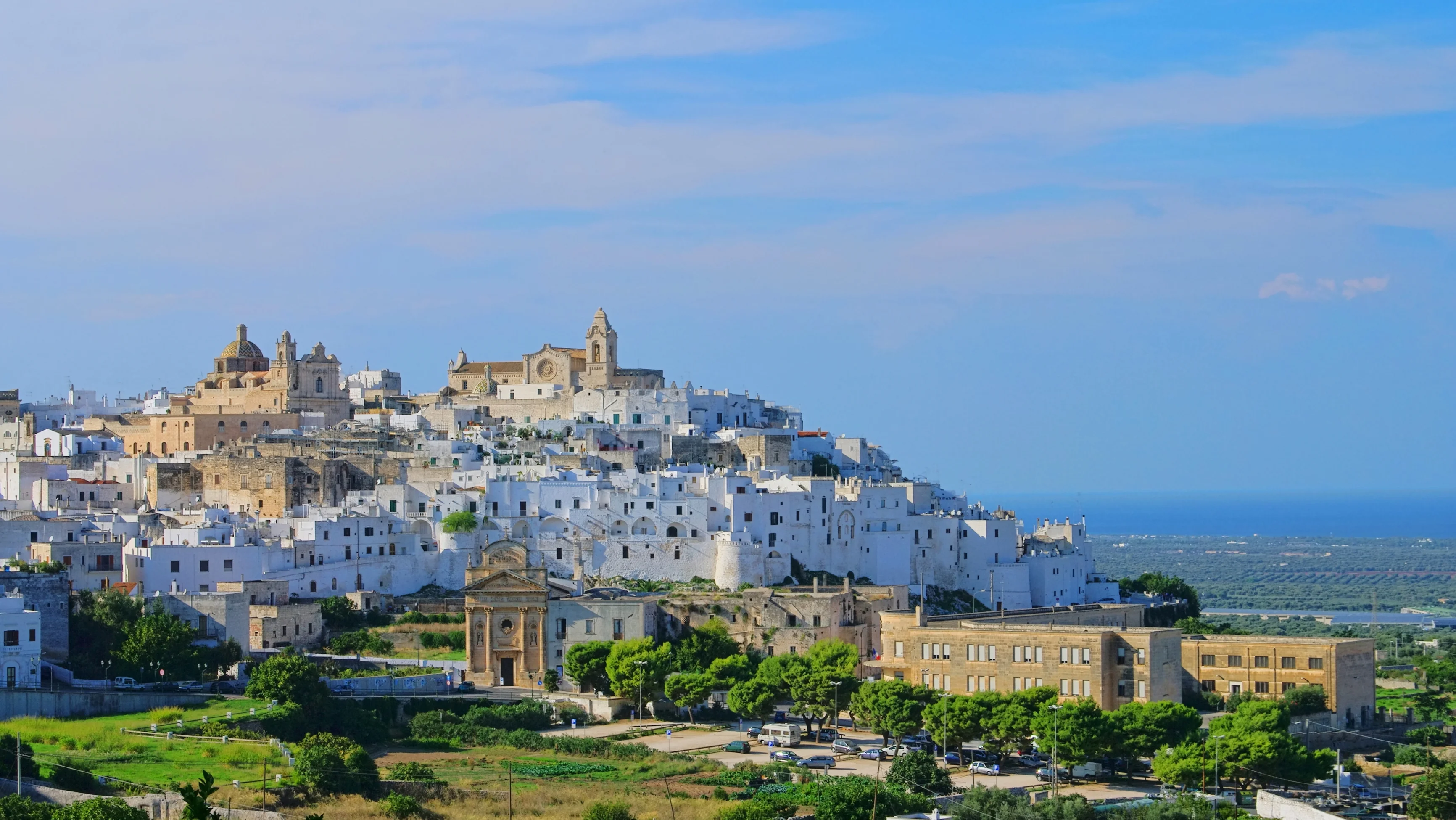
Visiting Ostuni, the White City of Puglia
With its whitewashed homes and maze of steep alleyways, Ostuni carries a distinct atmosphere. Perched across three hills, the city commands a view over a vast plain of olive groves stretching all the way to the Adriatic Sea. Walking through its narrow streets offers an authentic Mediterranean feel, far removed from the bustle of major tourist hubs.
A brilliant historic center
The old center of Ostuni, nicknamed la città bianca (the white city), invites you to wander through a labyrinth of immaculate buildings. The Santa Maria Assunta cathedral, with its Gothic facade, serves as a primary landmark. Around the main square, Piazza della Libertà, cafes and small shops bring the area to life.
The stroll also rewards you with small, quiet discoveries like steep staircases, carved doorways, and flower-filled balconies.
Views over the countryside and the sea
From the heights of Ostuni, overlooks offer crisp views of the sea and the surrounding rural landscape. Via Cattedrale leads to particularly beautiful vantage points, especially at sunset. A few miles away, the white sand beaches and clear waters of the Adriatic coast make for a pleasant addition to your visit.
Cultural heritage
Beyond its architecture, Ostuni is home to the Museum of Preclassical Civilizations of Southern Murgia, where you can see the famous mummy of the Lady of Ostuni. Every summer, the city vibrates to the rhythm of the La Cavalcata di Sant'Oronzo festival, a parade of horses in elaborate regalia honoring the city's patron saint.
Strolling and the art of living
Life in Ostuni is savored slowly. The often-shaded alleys house small art galleries, intimate restaurants, and hidden courtyards. In the evening, the city glows with thousands of lights, creating a peaceful, warm ambiance perfect for a night walk or dinner on a terrace.
Mediterranean flavors
Ostuni is a destination for food lovers. You will find orecchiette with broccoli rabe, friselle with tomatoes and olive oil, and aged caciocavallo cheese. For wine, do not miss the robust reds produced in the Brindisi region, which pair perfectly with local dishes.
Where to eat?
- Osteria del Tempo Perso (Historic center): A cave-like setting serving traditional cuisine with a refined touch.
- Cielo Restaurant (City center): A fine-dining experience inside a renovated former convent.
- Trattoria Fave e Fogghje (Old town): A small, family-run spot specializing in classic Puglian recipes.
Where to stay?
- Masseria Salinola (Countryside): A renovated fortified farmhouse featuring a pool and a Mediterranean garden.
- La Sommita Relais & Chateaux (Historic center): An elegant boutique hotel housed in a former palace.
- Relais Sant Eligio (City center): Offers sweeping views of the hills and immediate access to the center.
When to go?
Spring and early autumn offer mild temperatures perfect for wandering through Ostuni. In August, the city comes alive during the Cavalcata di Sant'Oronzo festivities, drawing significant crowds.
How to get there?
From Brindisi, located 35 kilometers (22 miles) away, Ostuni is easily reached by train or car. Expect a 30-minute drive or a 40-minute train ride, with tickets costing around 5 EUR (about $5.50).
Getting around
The historic center is entirely pedestrian-friendly, so exploring on foot is the best way to appreciate the charm of the white alleys.
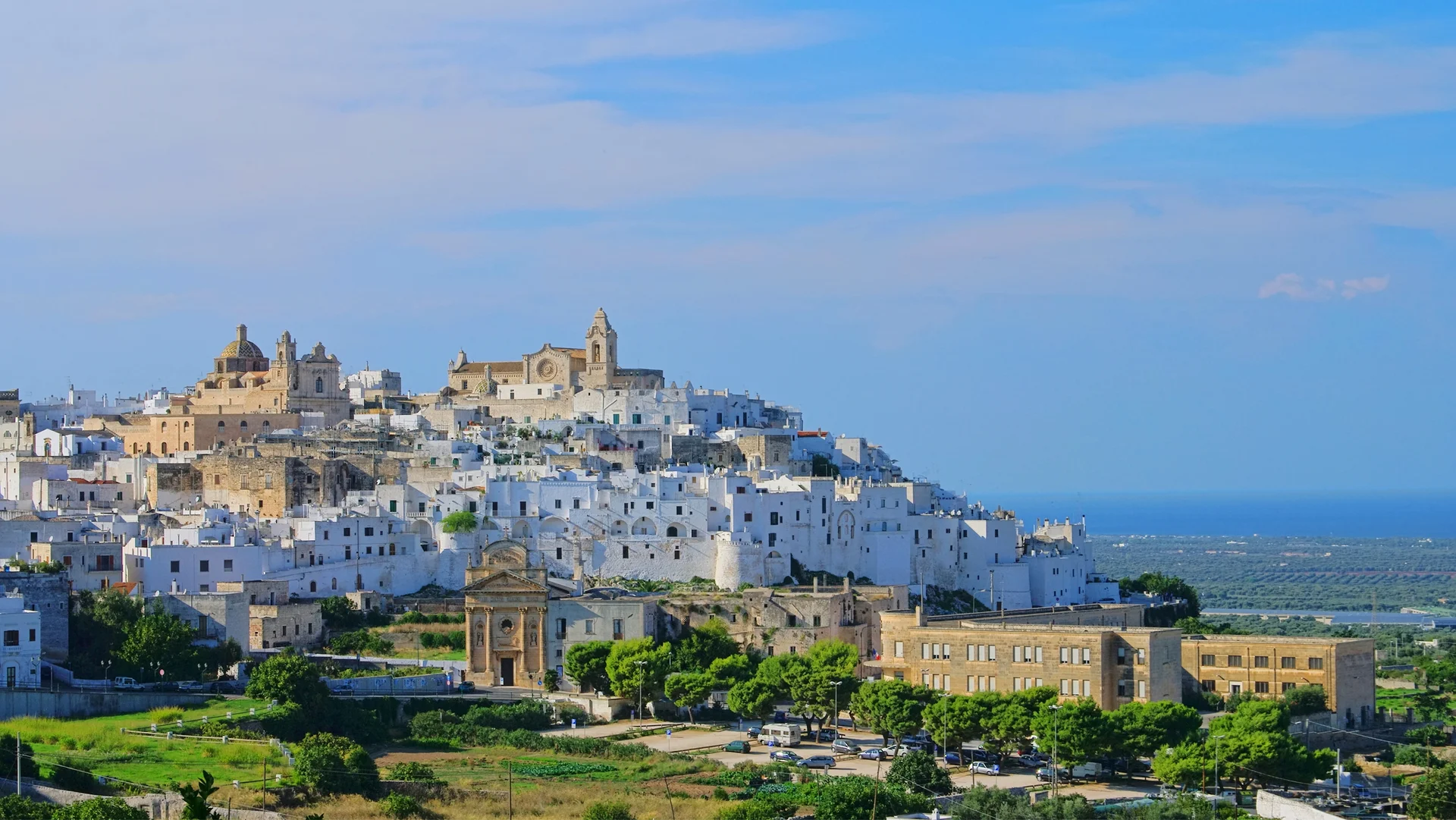
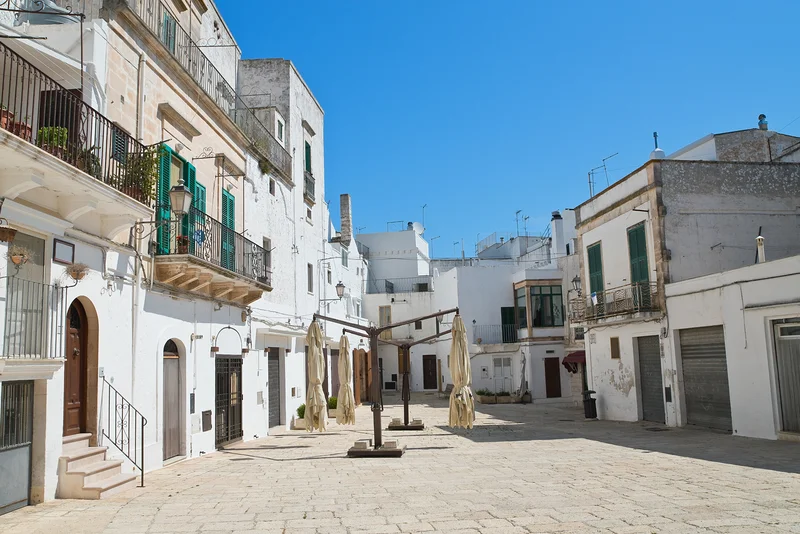
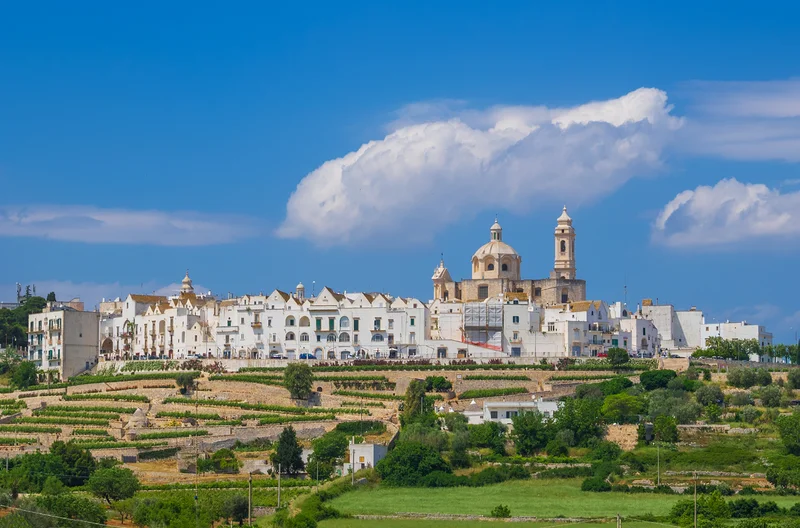
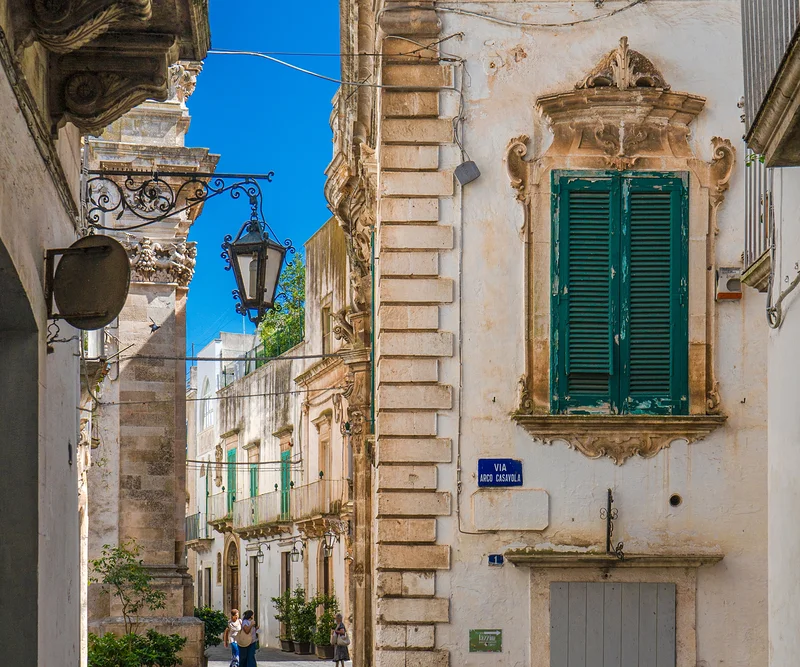
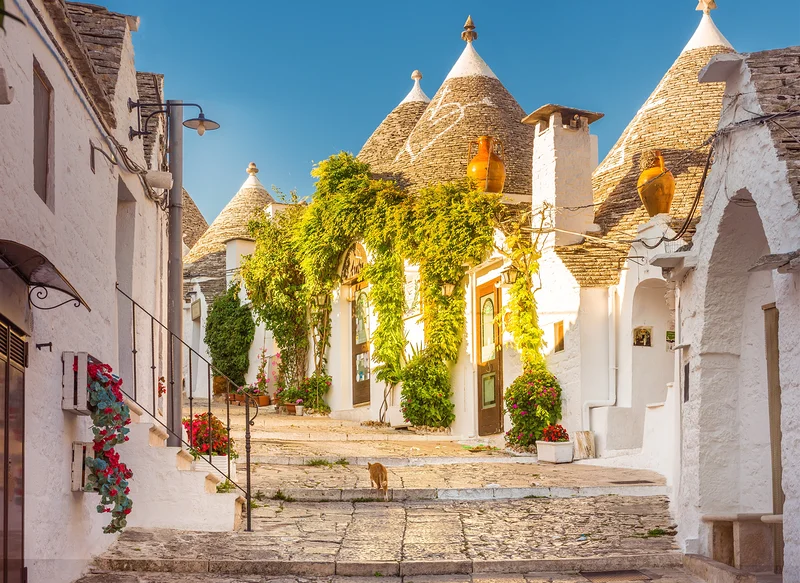
Ostuni is nicknamed the white city and you quickly understand why. The center is home to many houses with whitewashed facades. The result is really stunning and very bright. I recommend spending the day in this little village. Just a heads up, it gets really crowded during high season.