
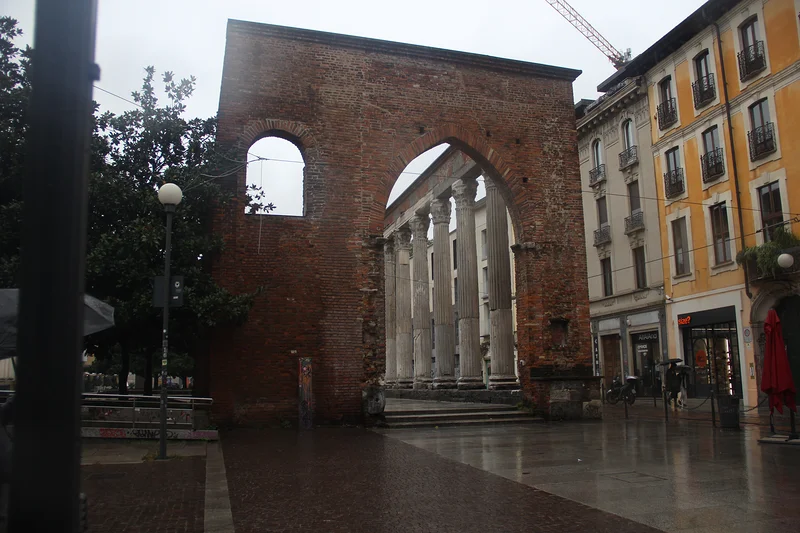
Visiting Milan, where tradition meets modern life
As Italy's industrial powerhouse and fashion capital, Milan presents a side of the country that is more complex than it first appears. Beyond the modern facades lies a deep cultural and historical layer worth peeling back. If you are looking for an Italian destination that balances historic landmarks, serious gastronomy, and contemporary creativity, Milan will likely surprise you.
The historic core: Gothic and Renaissance roots
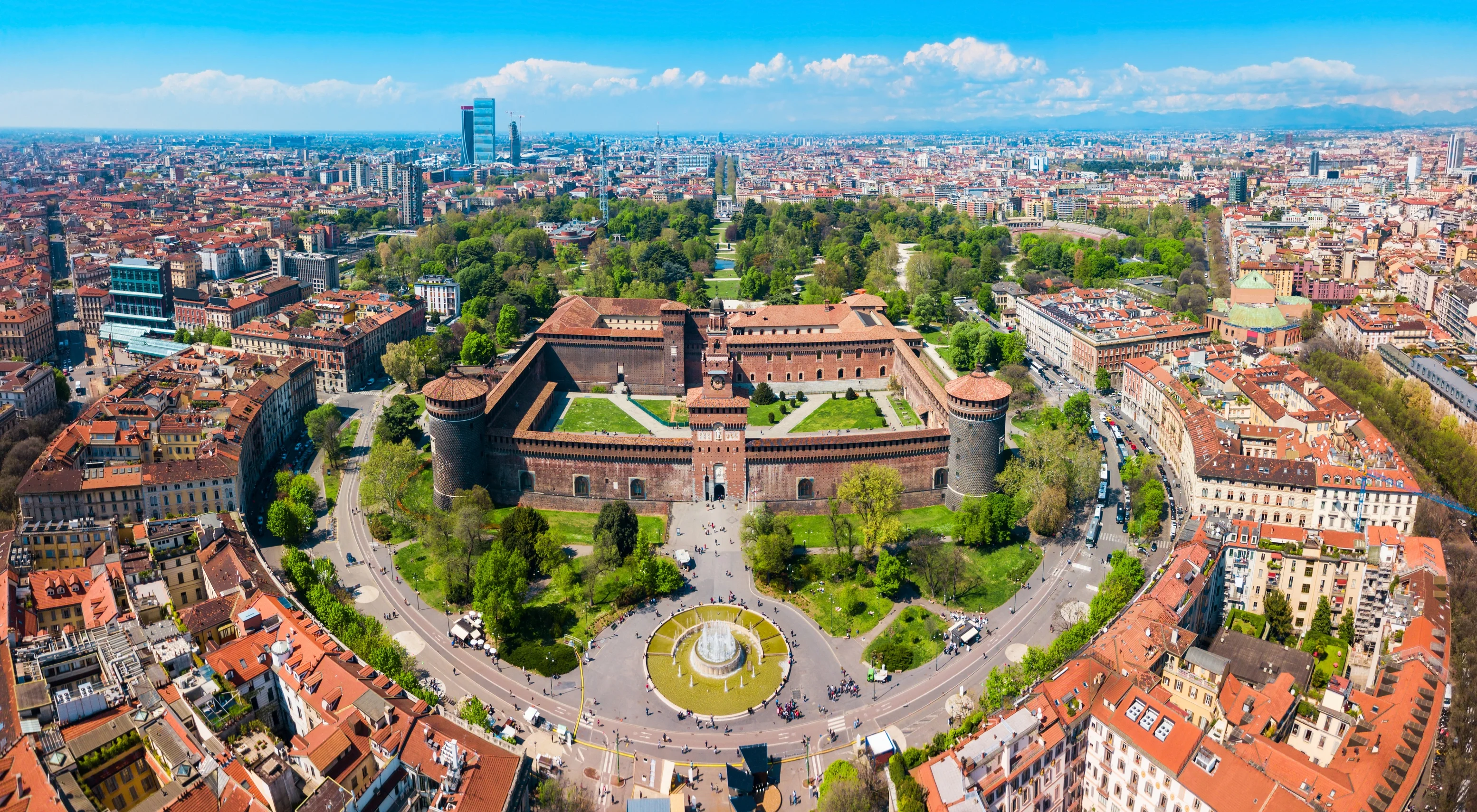
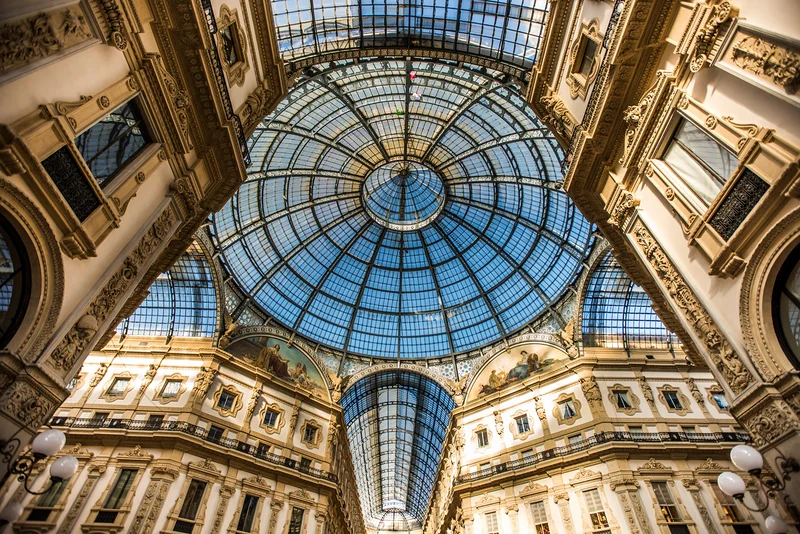
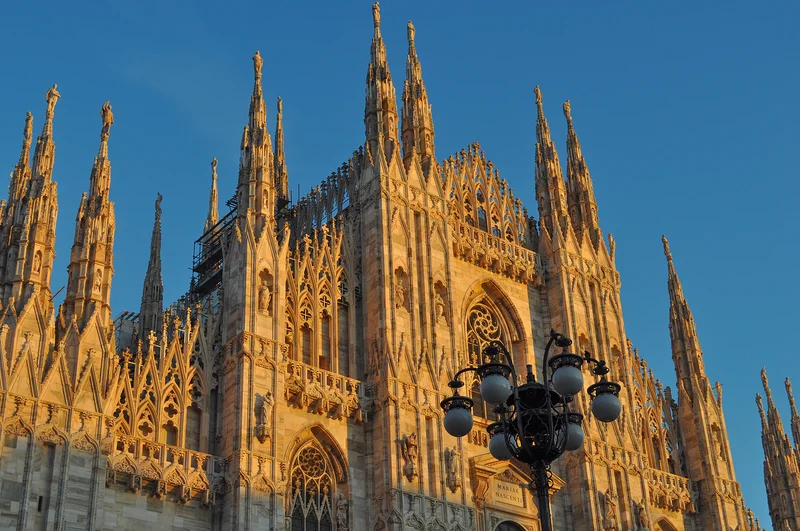
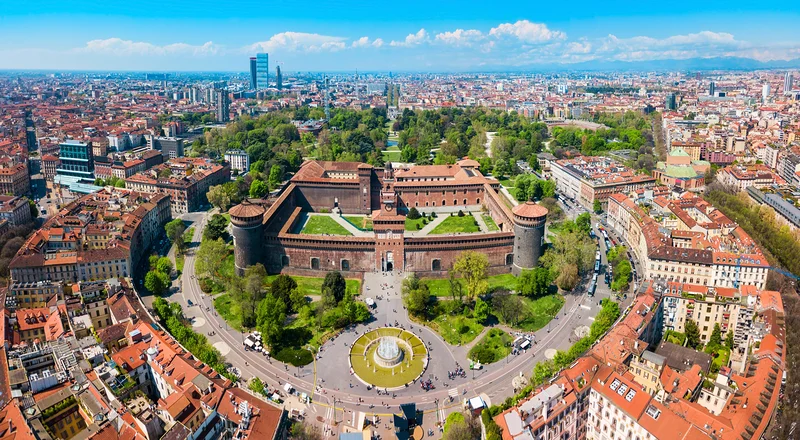
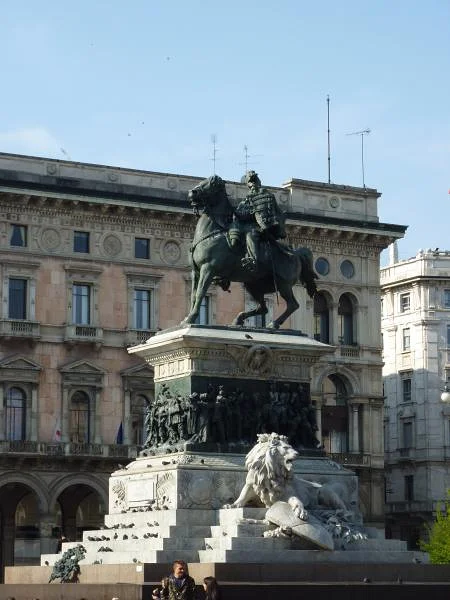
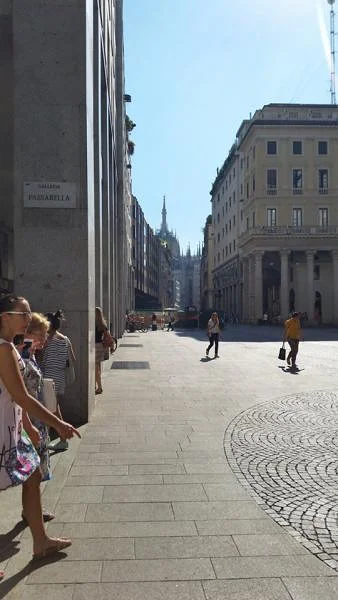
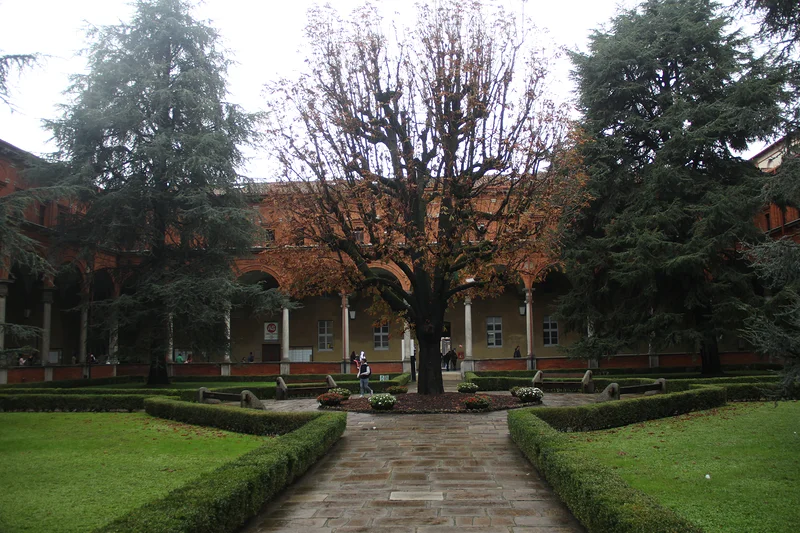
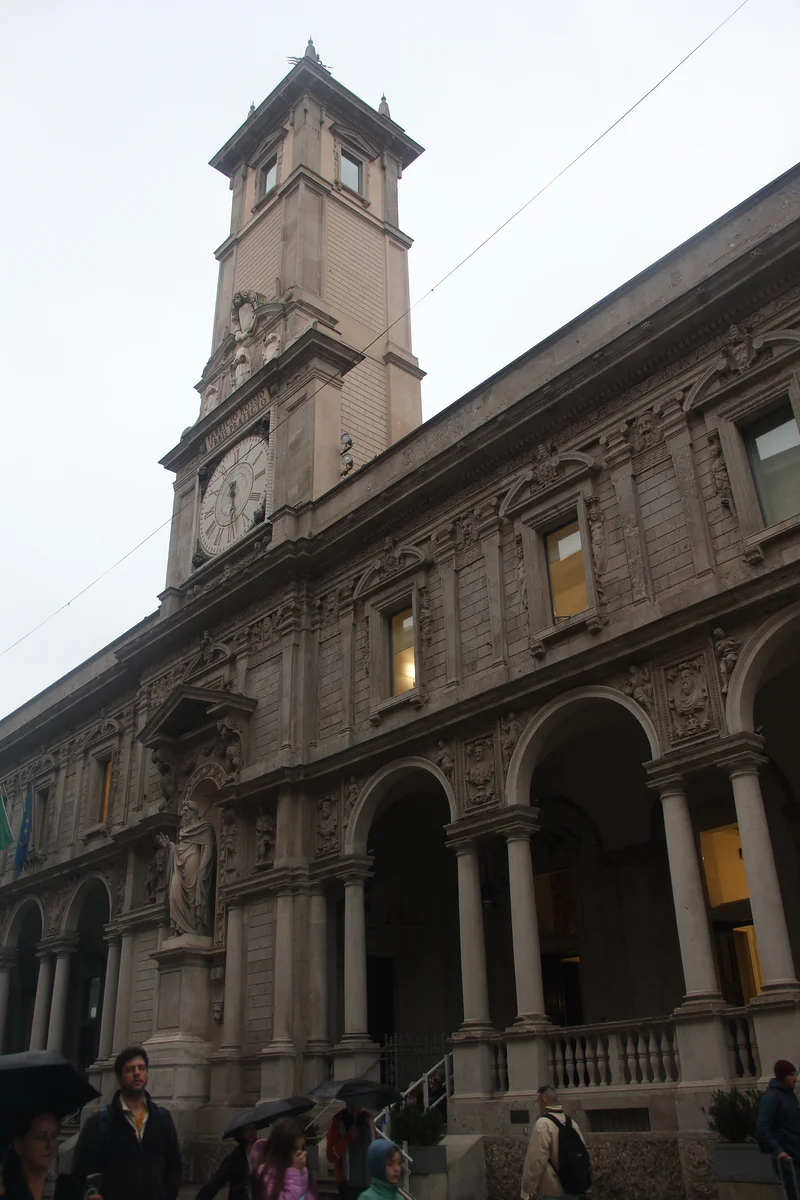
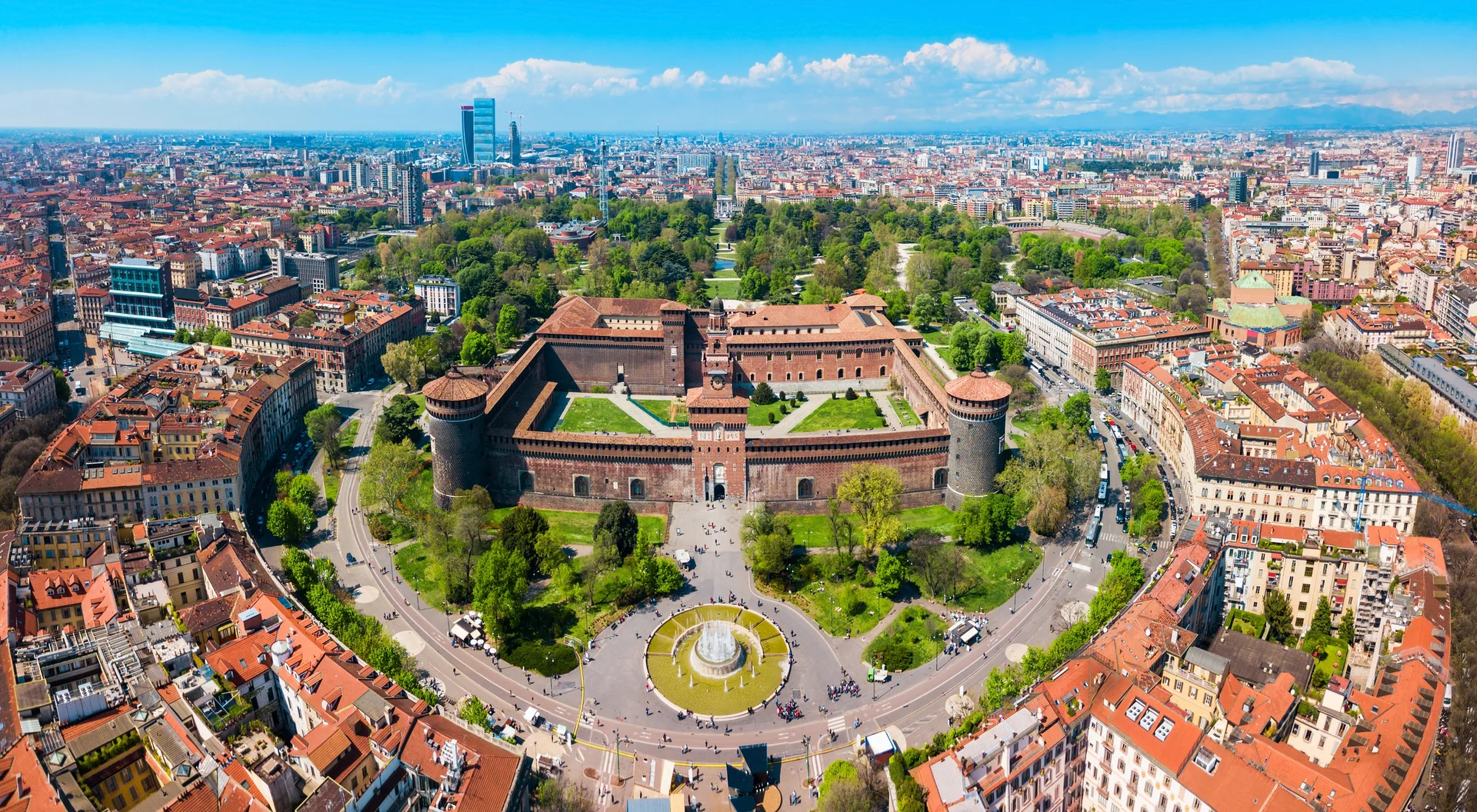
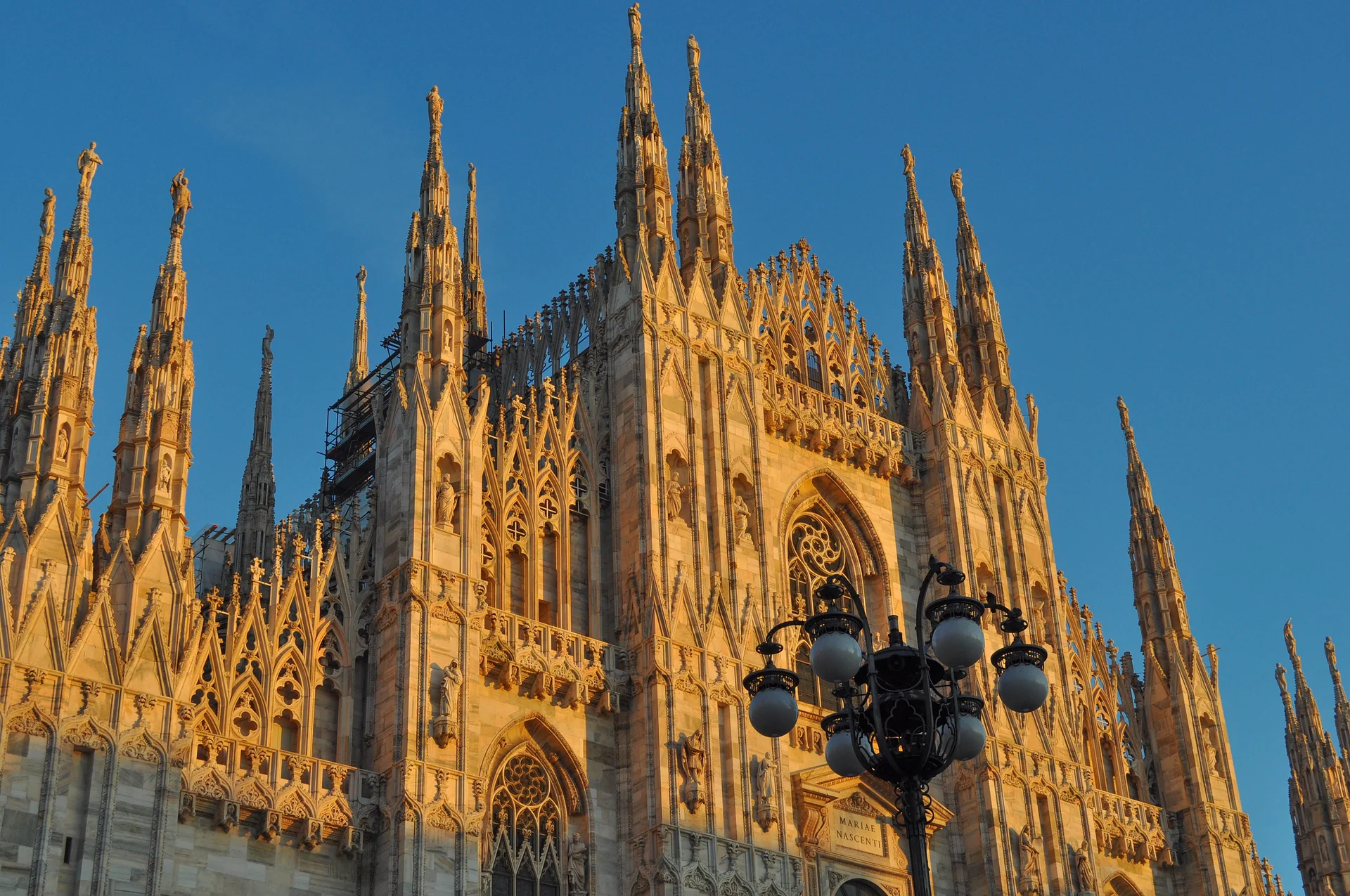
The Duomo di Milano, an imposing Gothic cathedral, defines the city skyline with its soaring spires. Head up to the terraces for a panoramic look at the city. Just a short walk away, the Galleria Vittorio Emanuele II stands out for its 19th-century architecture and high-end storefronts. Nearby, the Castello Sforzesco houses several museums and serves as a testament to the city's ducal past.
A dynamic arts scene
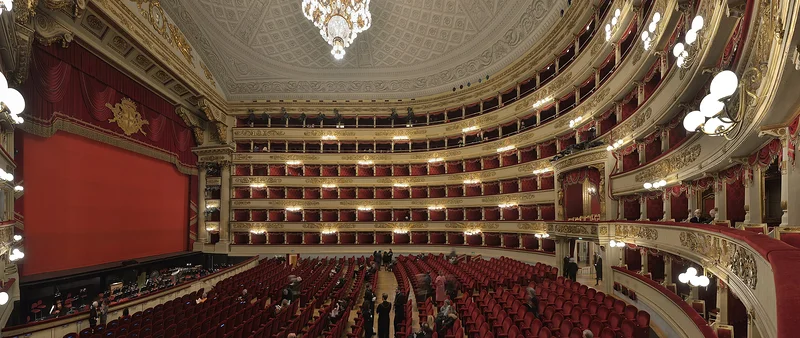
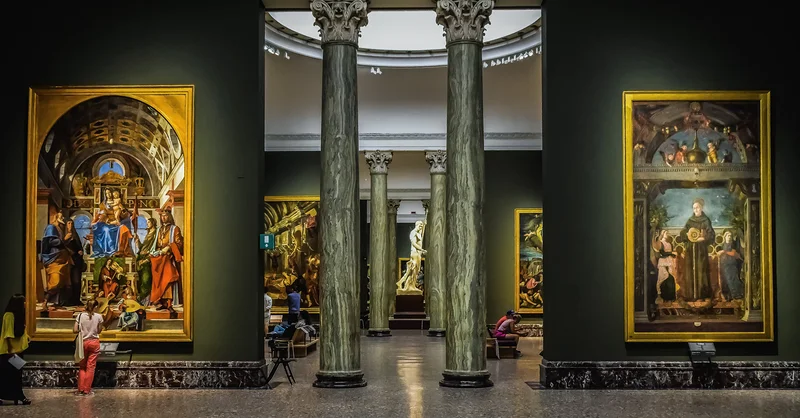
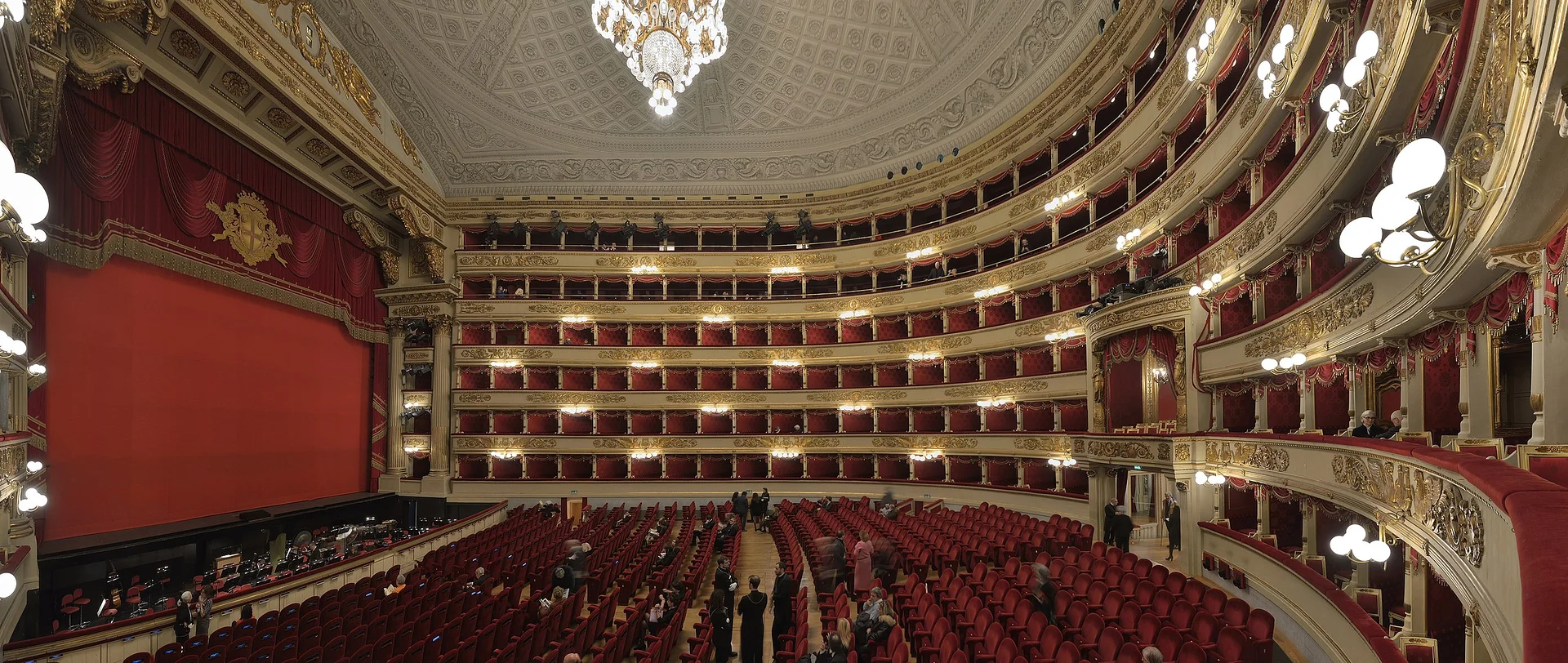
Milan functions as a major cultural hub. The Teatro alla Scala remains one of the most famous opera houses on the planet. Art lovers should prioritize the Pinacoteca di Brera for its extensive collection of Italian masters. For a contemporary shift, the Fondazione Prada hosts modern art exhibitions within a bold, industrial-chic architectural space.
Urban strolls and local neighborhoods
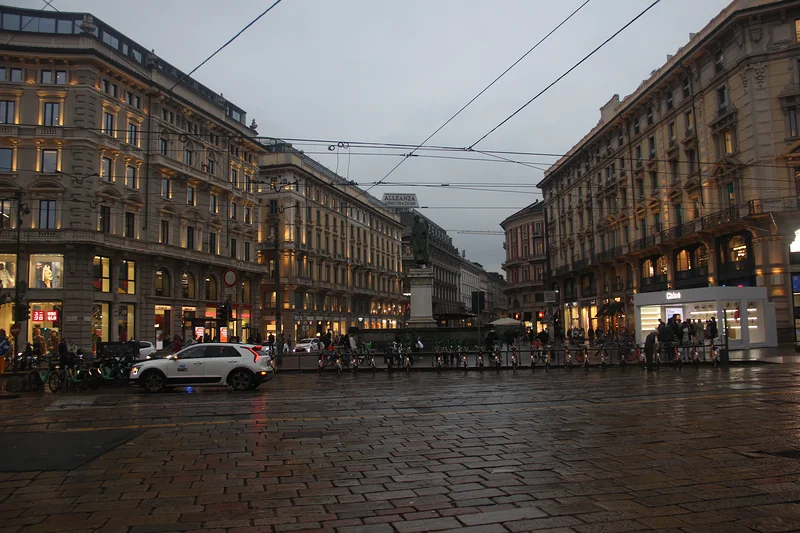
The Navigli district, with its canal-side cafes and galleries, is the perfect spot for an evening walk. The Quadrilatero della Moda is a treat for those who enjoy window-shopping at high-fashion boutiques. For a more bohemian vibe, the Brera neighborhood offers narrow cobblestone streets, small artist studios, and intimate restaurants.
Green space and downtime
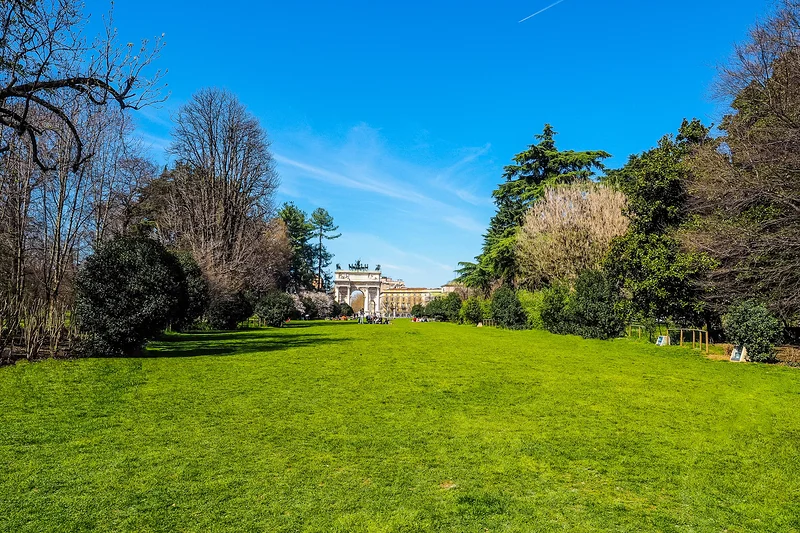
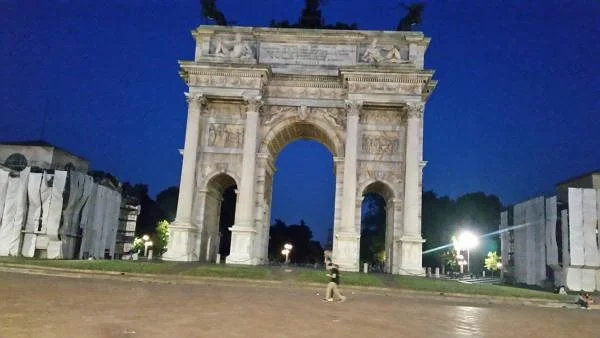
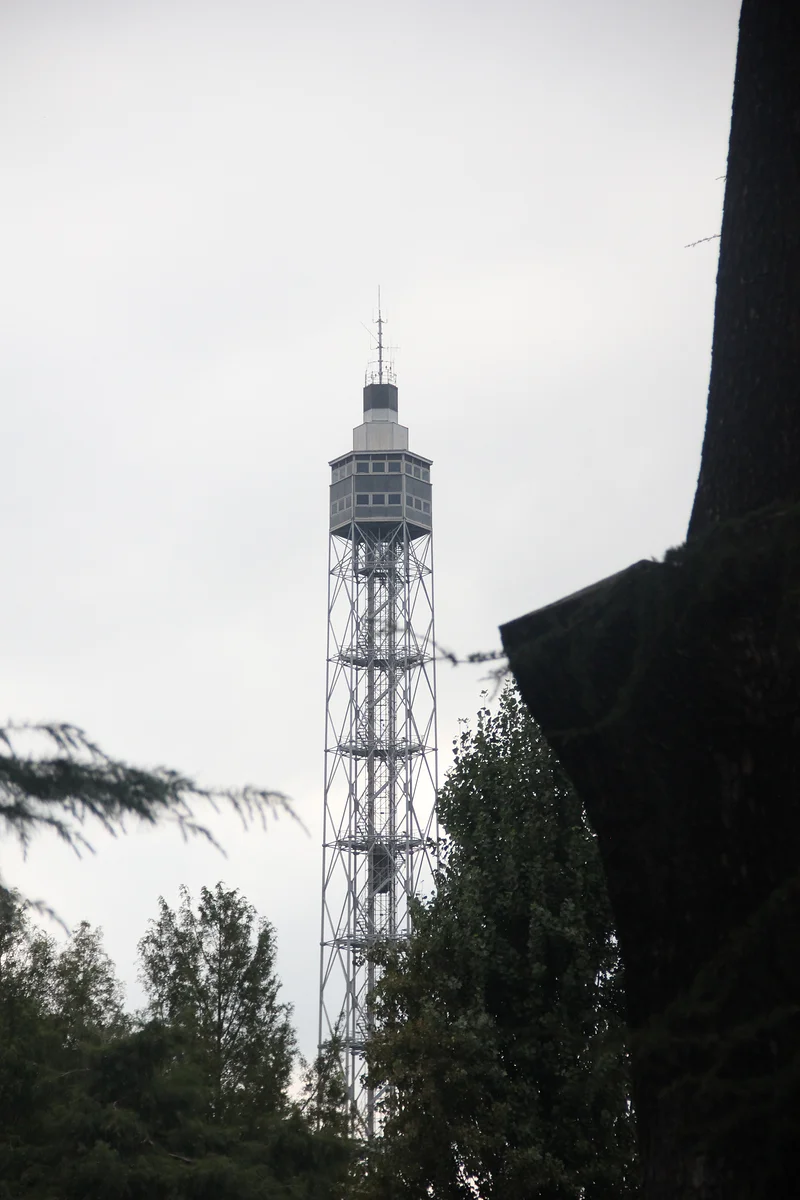
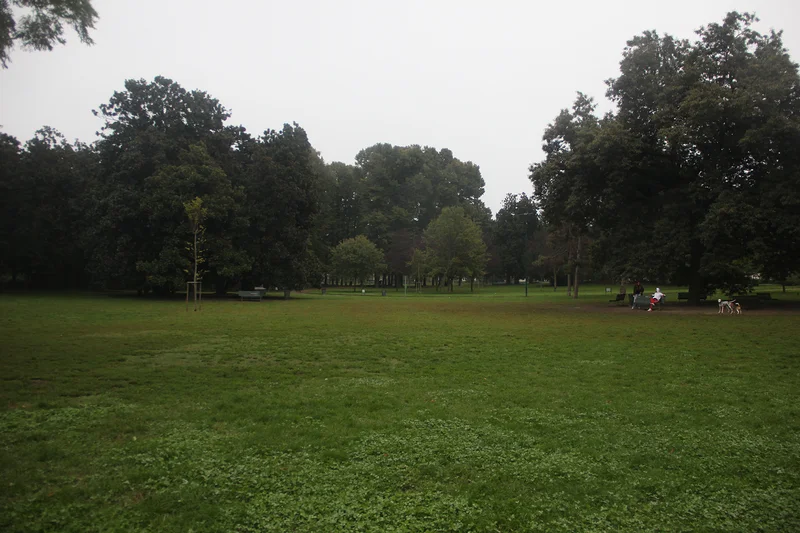
While the city is dense, Milan has some welcome patches of green. Parco Sempione, tucked behind the Castello Sforzesco, is ideal for a nature break. The Giardini Pubblici Indro Montanelli also provides a quiet oasis in the middle of the city grid, similar to a smaller-scale Central Park.
Gastronomy rooted in Lombard tradition
Milanese cuisine is known for its rich and savory profiles. Risotto alla milanese, infused with saffron, is a local staple. Ossobuco, a slow-cooked veal shank, is frequently served alongside the risotto. For dessert, panettone, a brioche filled with candied fruits, is a local specialty enjoyed year-round.
Where to eat?
- Trattoria Milanese (Navigli): Traditional cooking in a casual, friendly setting.
- Ristorante Da Giacomo (Porta Vittoria): Elegant atmosphere with refined dishes.
- Osteria del Binari (Navigli): Lombard classics served in a rustic, atmospheric space.
- Antica Trattoria della Pesa (Porta Garibaldi): A local institution serving classic fare since 1880.
Where to stay?
- Hotel Spadari al Duomo (City Center): Near the Duomo, featuring modern rooms and attentive service.
- Room Mate Giulia (City Center): Contemporary design in a central location.
- Hotel Berna (Central Station): Solid value, convenient for train travelers.
- Château Monfort - Relais & Châteaux (Porta Venezia): Luxury hotel with a romantic aesthetic.
When to go?
Spring (April-May) and autumn (September-October) offer pleasant temperatures and fewer crowds. In June, the city hosts Fashion Week Homme, drawing industry professionals and spectators from around the world.
How to get there?
Travelers from the US will typically arrive via major international hubs like Malpensa Airport. Once in Europe, there are frequent short flights from cities like Paris, or you can take the train, which provides scenic connections through Lyon and Turin.
How to get around?
Milan has an efficient public transit network, including a subway system, streetcars, and buses that cover the entire city. Walking remains the best way to explore the different neighborhoods at your own pace.
If you like energy and big cities, then you should really like Milan. It is a very dynamic city where there is always something to do or see. Culture is very present there, as are fashion and architecture. On the other hand, do not expect a postcard of traditional Italy, as it is a big city and you can really feel it.