
Visiting Villasimius
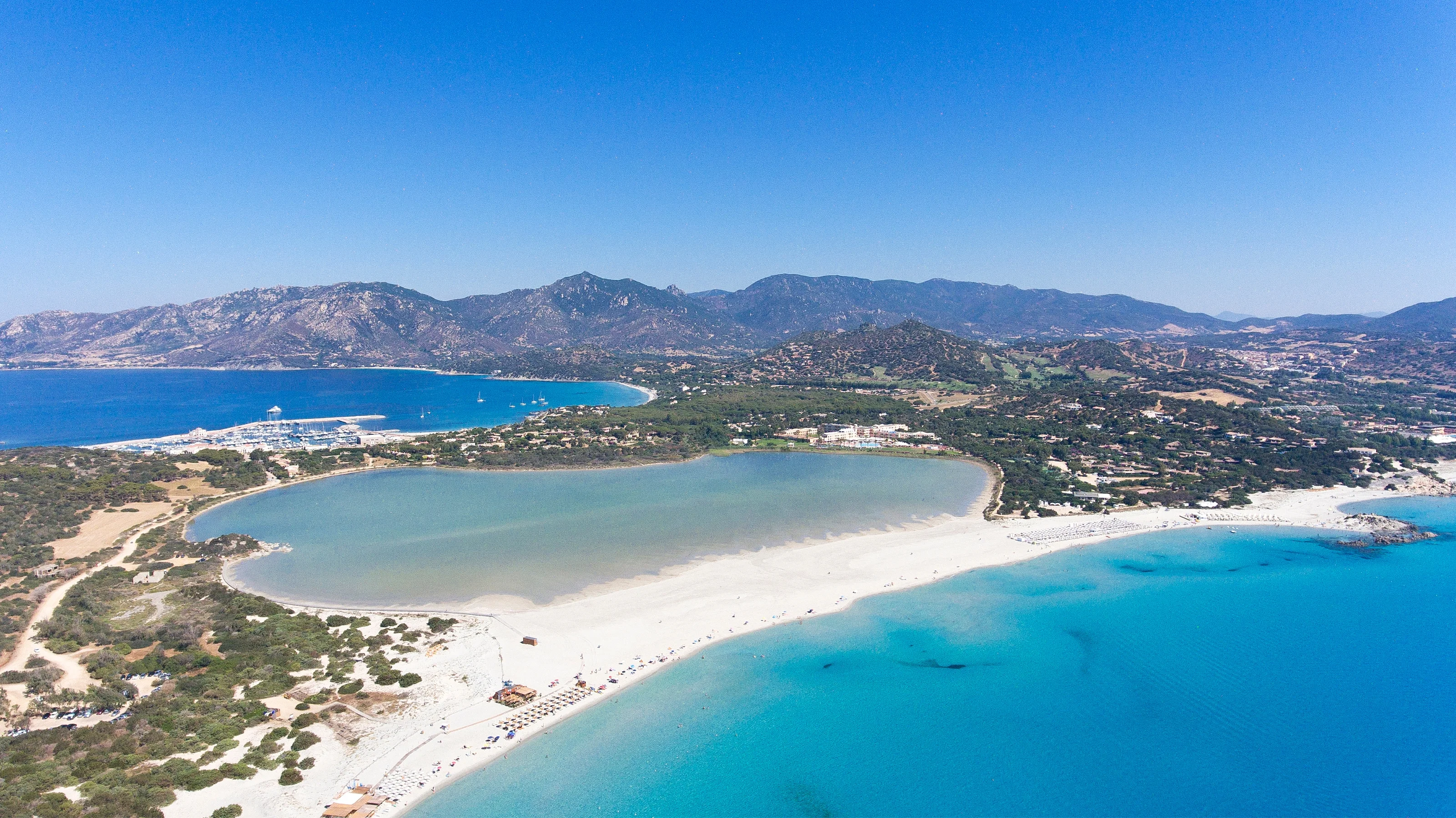
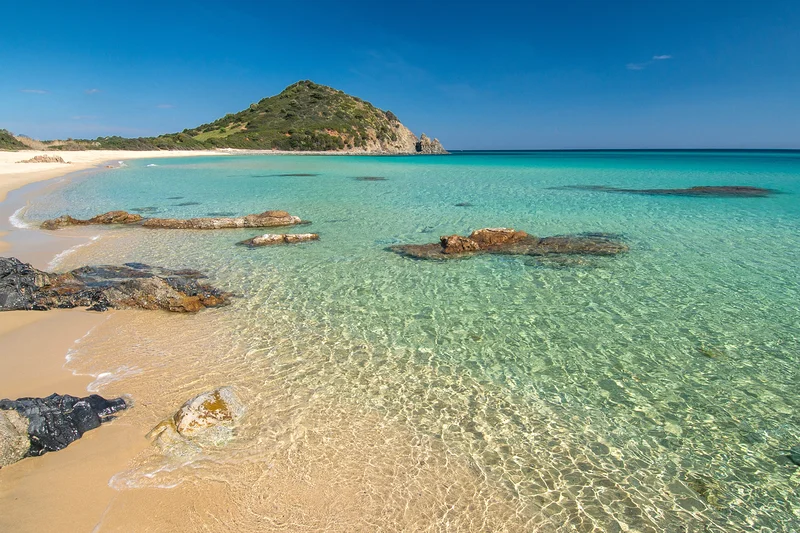
How does a town of 4,000 residents manage to host tens of thousands of people the moment the weather warms up? It comes down to the pull of 20 miles of coastline. Villasimius could have remained a quiet fishing village in southern Sardinia, defined by sheep farming, but tourism had other plans. Tucked at the foot of the Sette Fratelli mountain range, the town has become a major destination in Italy thanks to its beaches, mountain trails, and significant historical ruins.
Paradise-grade beaches
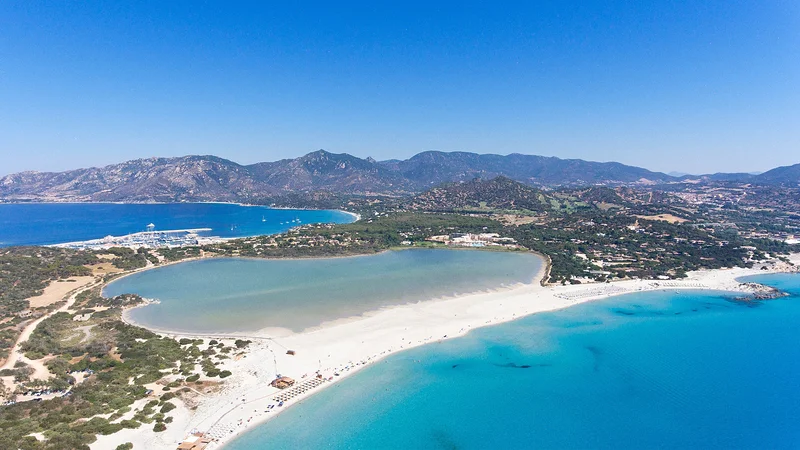
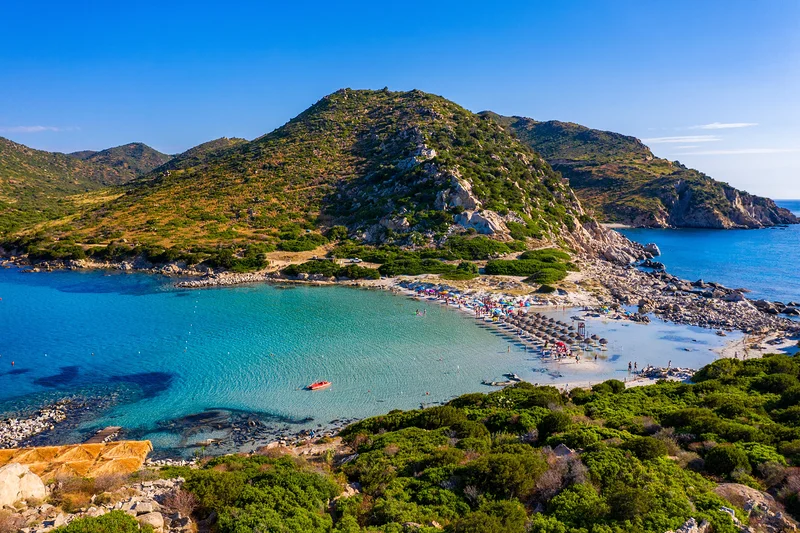
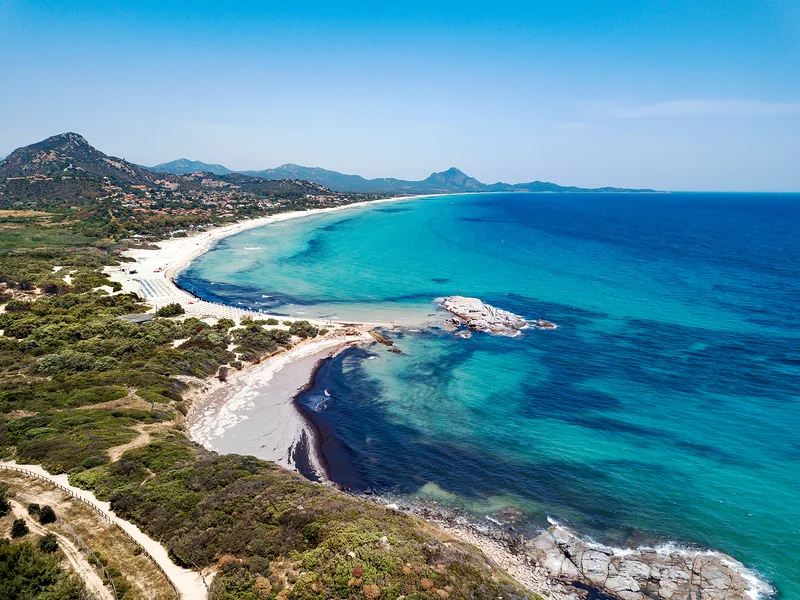
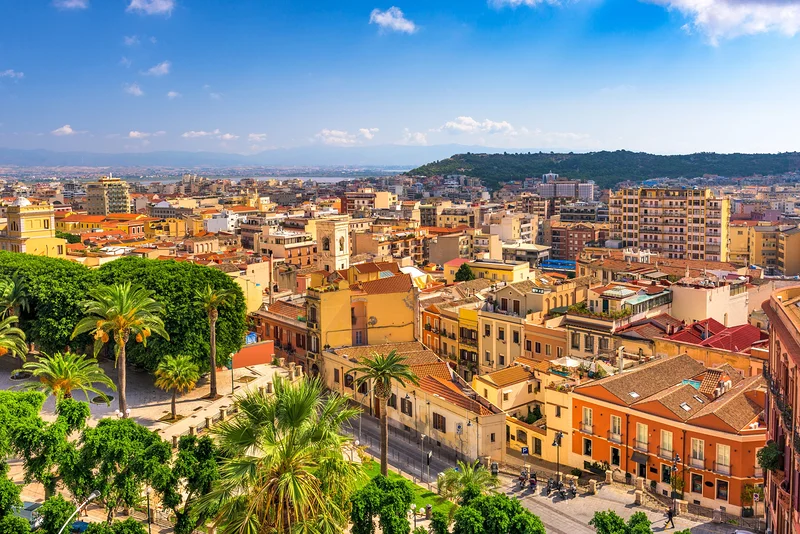
The town looks exactly like your mental image of a summer vacation spot, with low-slung, colorful buildings and palm trees creating a relaxed, scenic atmosphere. You will find plenty of artisan shops and food purveyors here. The local specialties are worth exploring, including local honey, Sardinian wines, Amaretti almond cookies, formaggelle (ricotta cakes), and seadas, which are honey-drenched, fried sweet ravioli. The port and the marina are the go-to spots for a drink on a terrace, and during the peak season, the area around rue Umberto is the hub for local events. Following this street leads you straight to Simius and its half-mile stretch of fine sand, the beach closest to the town center. There are about twenty beaches in total, tucked into coves and framed by rocks or lush, fragrant vegetation. Some feature pink-tinted sand, while others are covered in tiny, rice-like grains. Whether you reach them by dirt path or choose one with full beach club amenities, the sheer quality of the coastline is hard to beat. The water is exceptionally clear, with a turquoise hue that feels more like the Caribbean, and snorkeling spots like Campus are teeming with fish.
This is a premier playground for snorkeling, especially around the Capo Carbonara protected marine area. Look for locations like the Secca di Santa Caterina, where the granite seafloor drops to 100 feet. Two islands make for perfect day trips: l'isola del Cavoli, where a summer procession of decorated boats honors an underwater statue of the Madonna, and l'île de Serpentera.
A rich archaeological heritage
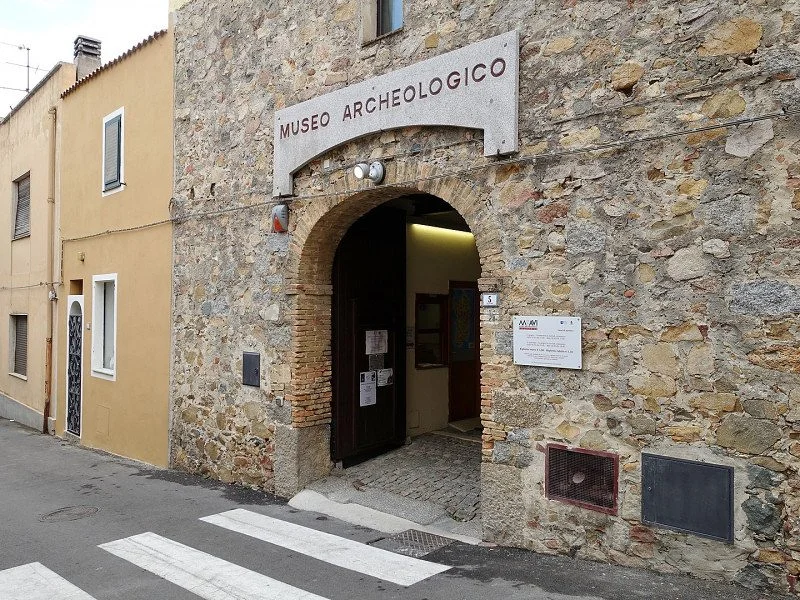
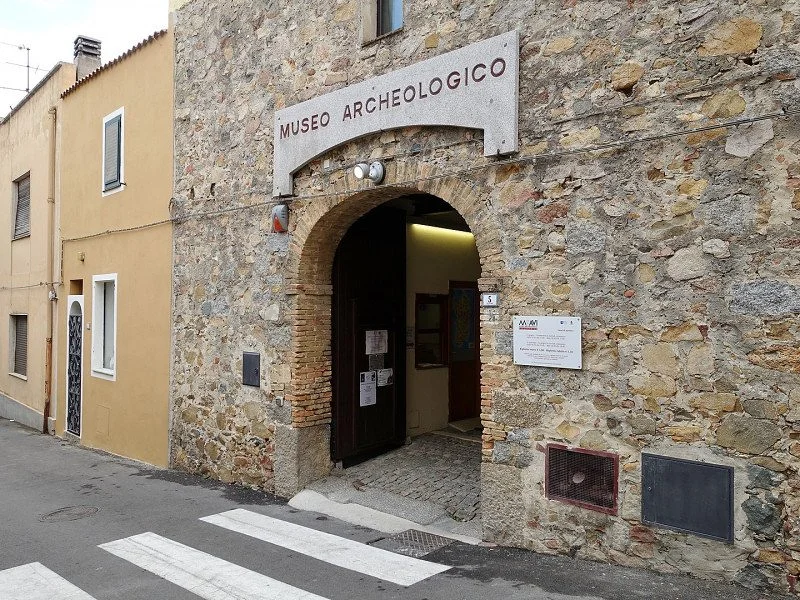
At the Timi Ama beach, a tall Spanish watchtower overlooks the sea. The coastal ruins here are a testament to the town's defensive history, which is a major draw for history buffs. You can visit sites like the domus de Janas, which are ancient tombs featuring megalithic corridors. The surrounding countryside is dotted with nuraghes, the iconic Bronze Age stone towers that served as centers of life for the Nuragic people, with the one in Giardone offering a great panoramic view. About 2 miles from the town center, la Fortezza vecchia is a 14th-century fortress perched on a promontory 2,300 feet above the l'étang de Notteri. Make time for the town's archaeological museum to get your bearings. Its four rooms cover everything from Neolithic tools and coins to treasures salvaged from a 15th-century shipwreck.
When to go
With mild winters and hot summers, Villasimius has a classic Mediterranean climate that is pleasant year-round. We suggest visiting during the shoulder seasons to avoid the heaviest crowds and the mid-summer heatwaves.
How to get there
The nearest international airport is in Cagliari, about 40 miles away. During the tourist season, there are frequent bus connections to the village. If you are arriving by ferry from mainland Europe, you will land at one of the main Sardinian ports and can connect to Villasimius from there. If you are driving, you can take the scenic coastal road or the SS 125 var highway.
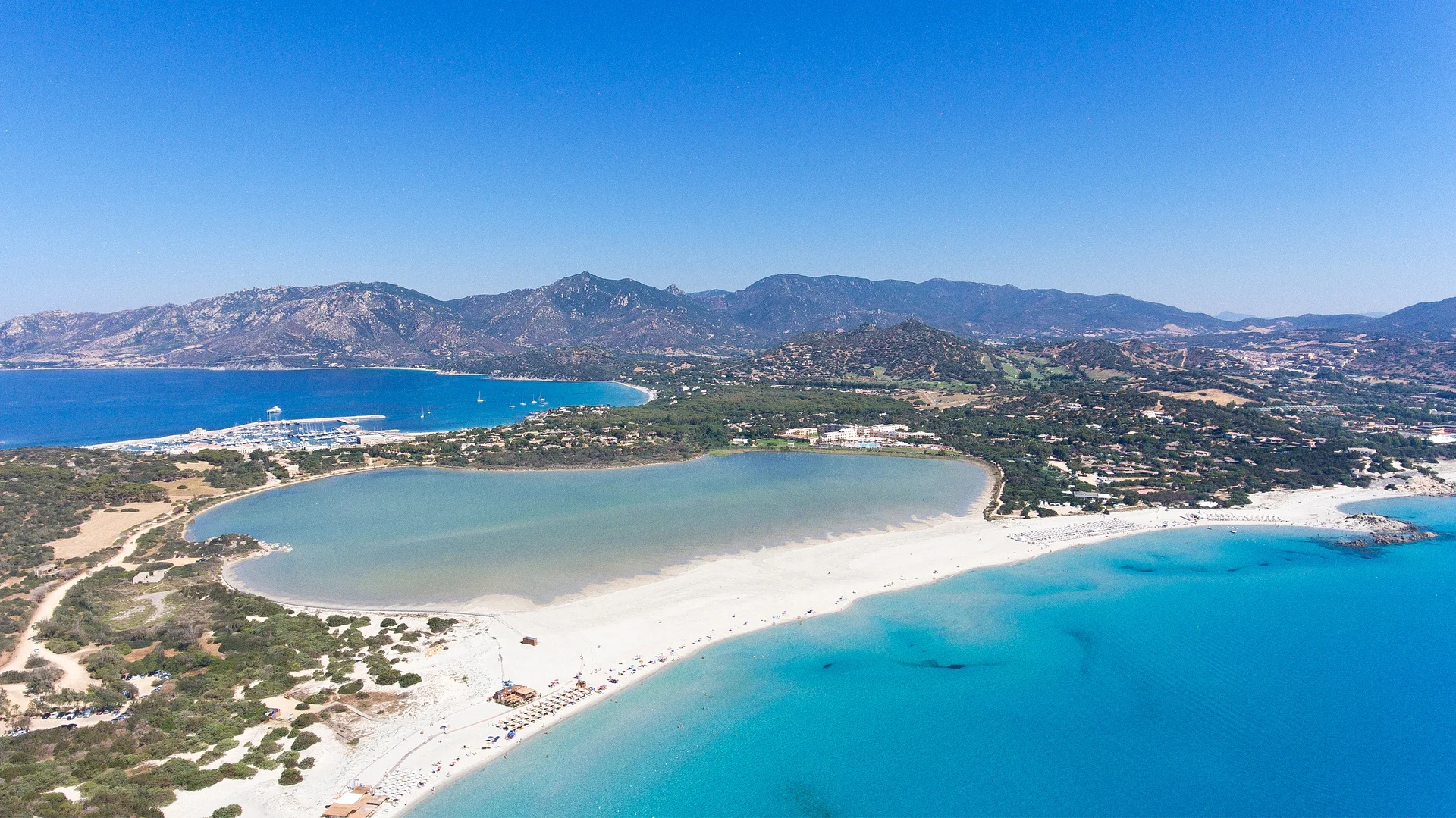
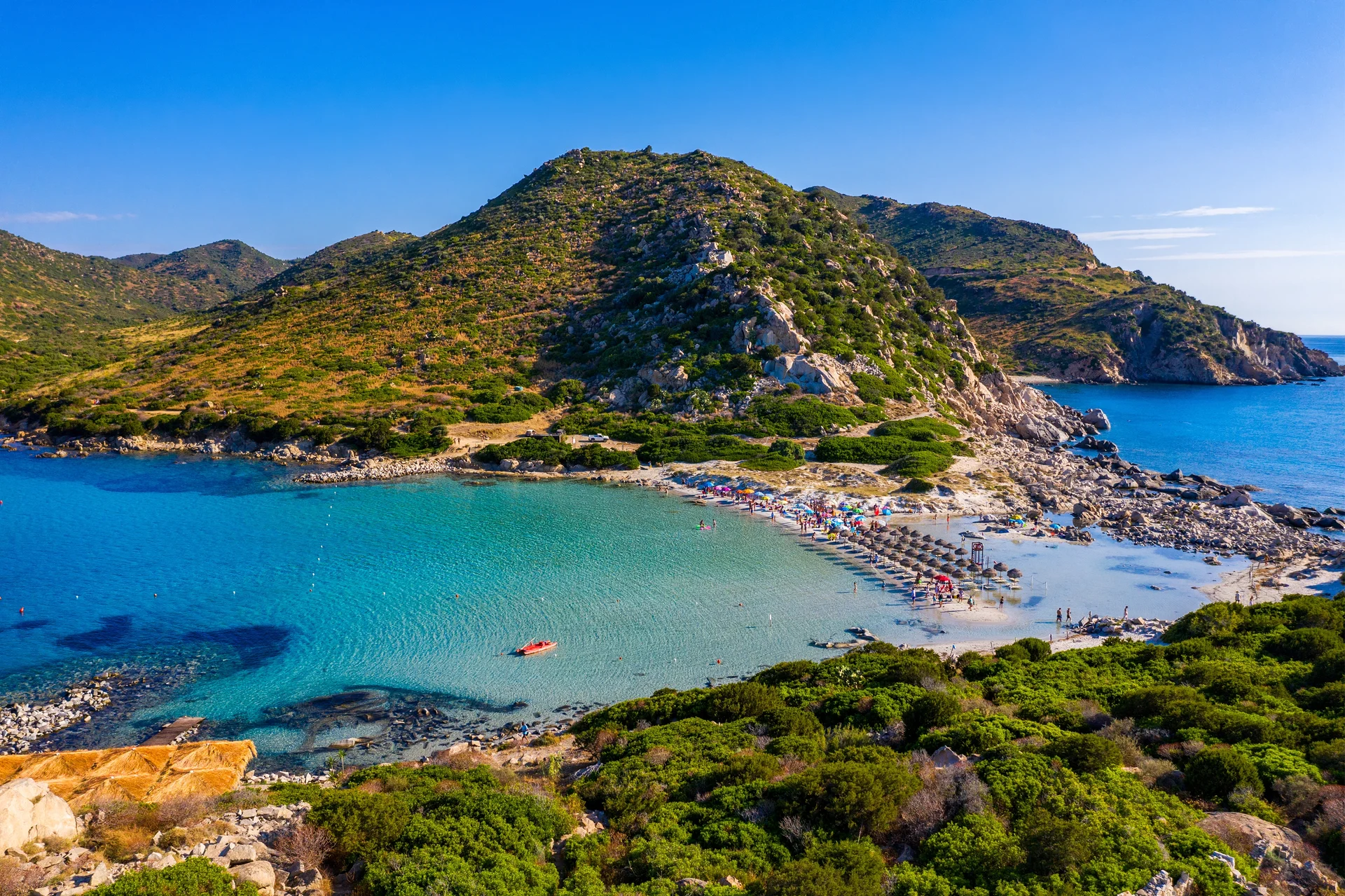
Picturesque village with charm, inland areas with heritage, coastline a bit crowded in the summer. Don't hesitate to head further out to find a bit more peace and quiet.