
Visiting Delphi, where the mountains whisper the secrets of the gods
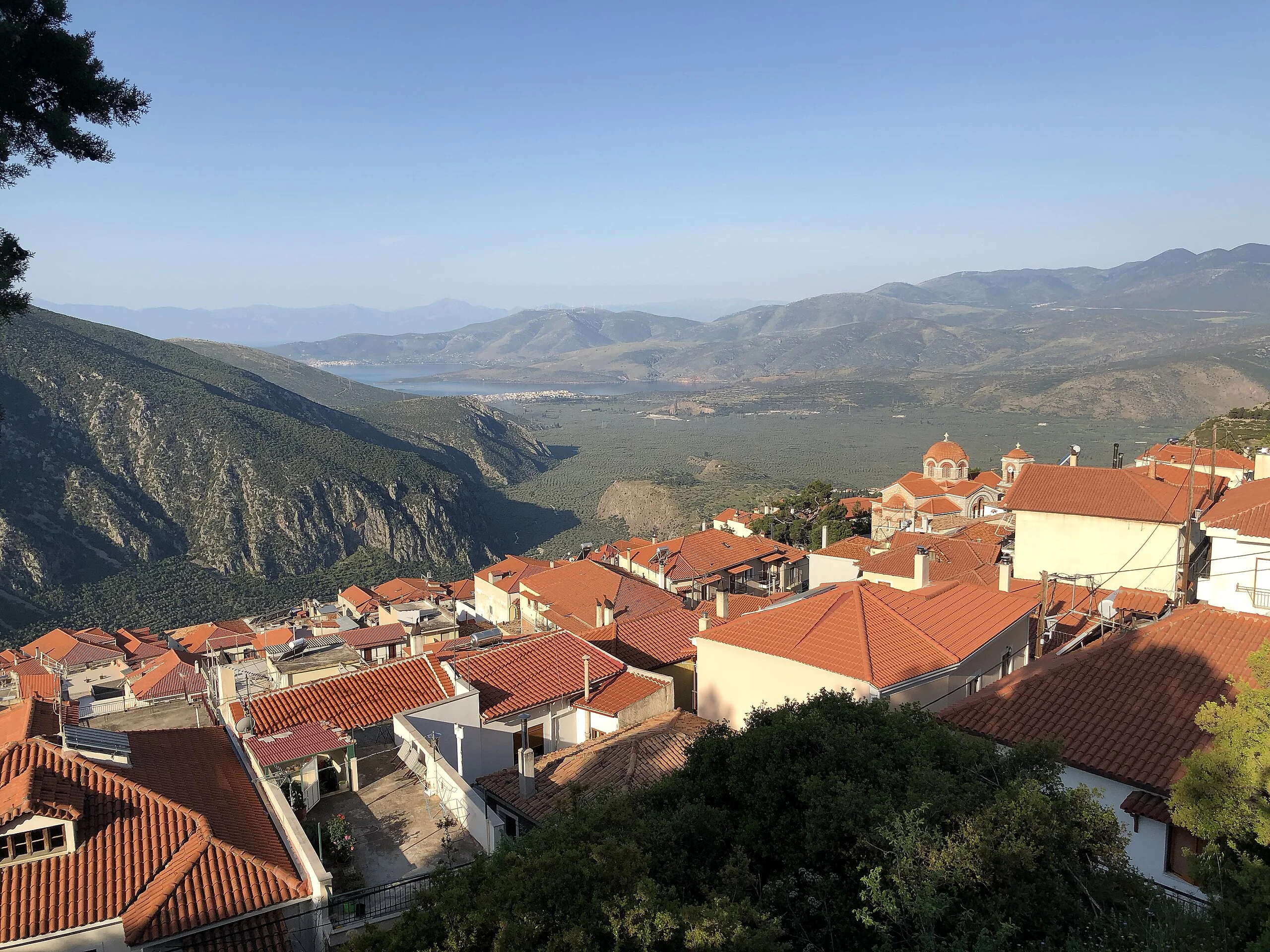
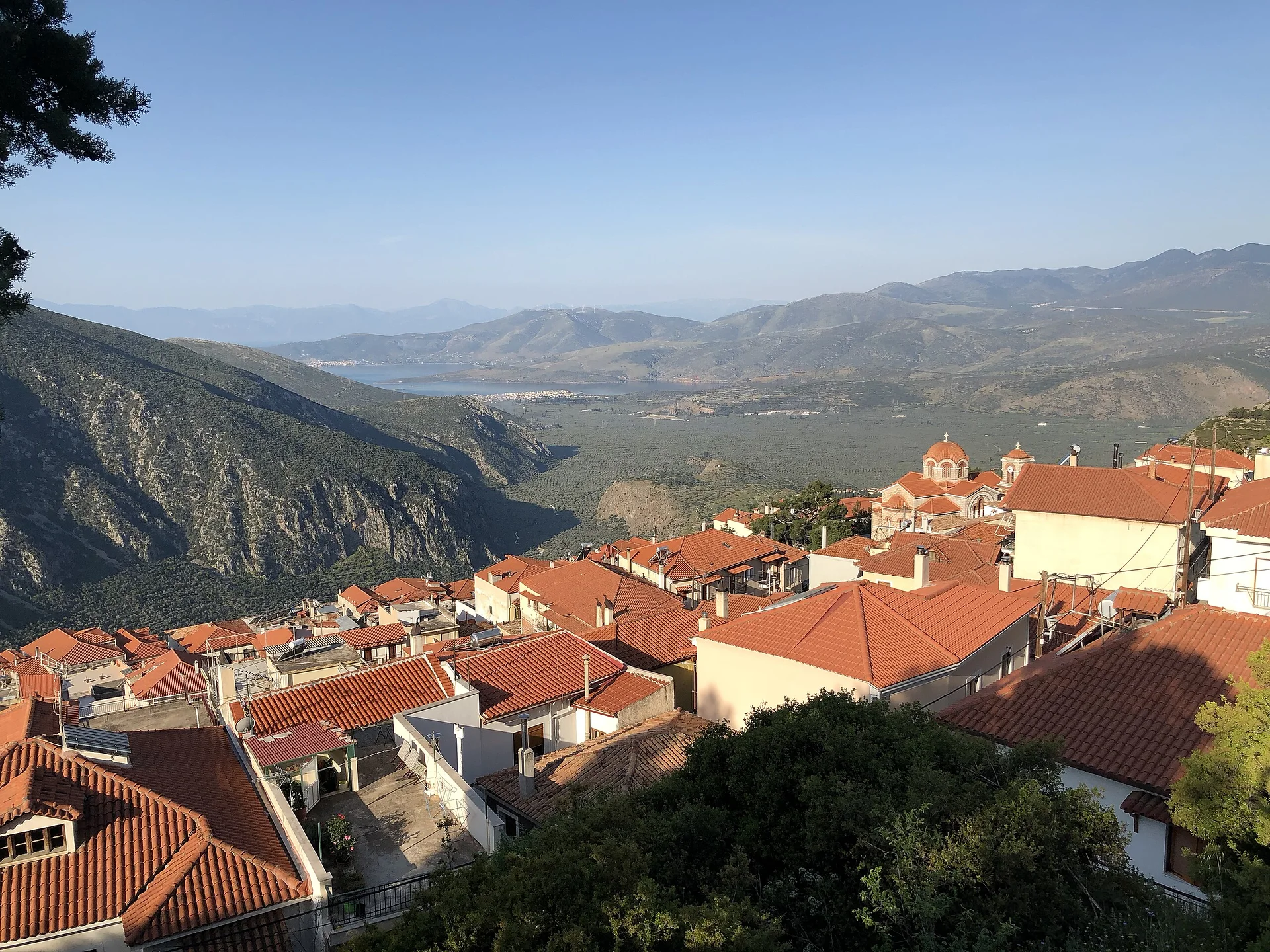
Have you ever felt that shiver down your spine when walking on ancient ground? Here, between the steep slopes of Mount Parnassus and the silver reflections of the Gulf of Corinth, time seems to stand still. The air is crisp, carrying the mysterious energy that once drew pilgrims from across the known world. It is no coincidence that the ancient Greeks considered this place the navel of the world.
Today, this village in Phocis in Central Greece continues to hold its fascination. But be aware: you do not visit Delphi like any other tourist trap. You come here to reconnect with something larger, to walk in the footsteps of those who sought divine wisdom.
A destination for souls seeking elevation
If you are looking for fine sand beaches and trendy clubs, keep driving. Delphi is for history and mythology lovers, for hikers dreaming of mountain trails, and for those who enjoy a sunset over the gulf with a glass of local wine.
The village itself is modest, with two main streets lined with tavernas. The main draw is obviously the archaeological site, but there are also fantastic hiking opportunities in the surrounding area.
Budget-wise, expect to spend between 60 and 100 EUR (about $65-$110) per day for a comfortable stay. A car is not strictly necessary to visit the site from the village, but it becomes valuable for exploring the surroundings. The pace is peaceful, perfect for disconnecting from daily life without getting bored.
The Sanctuary of Apollo: when stones tell of eternity
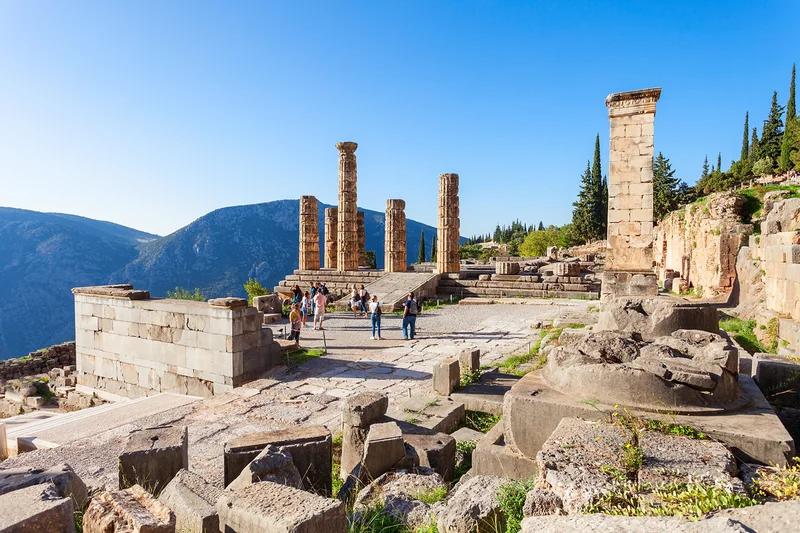
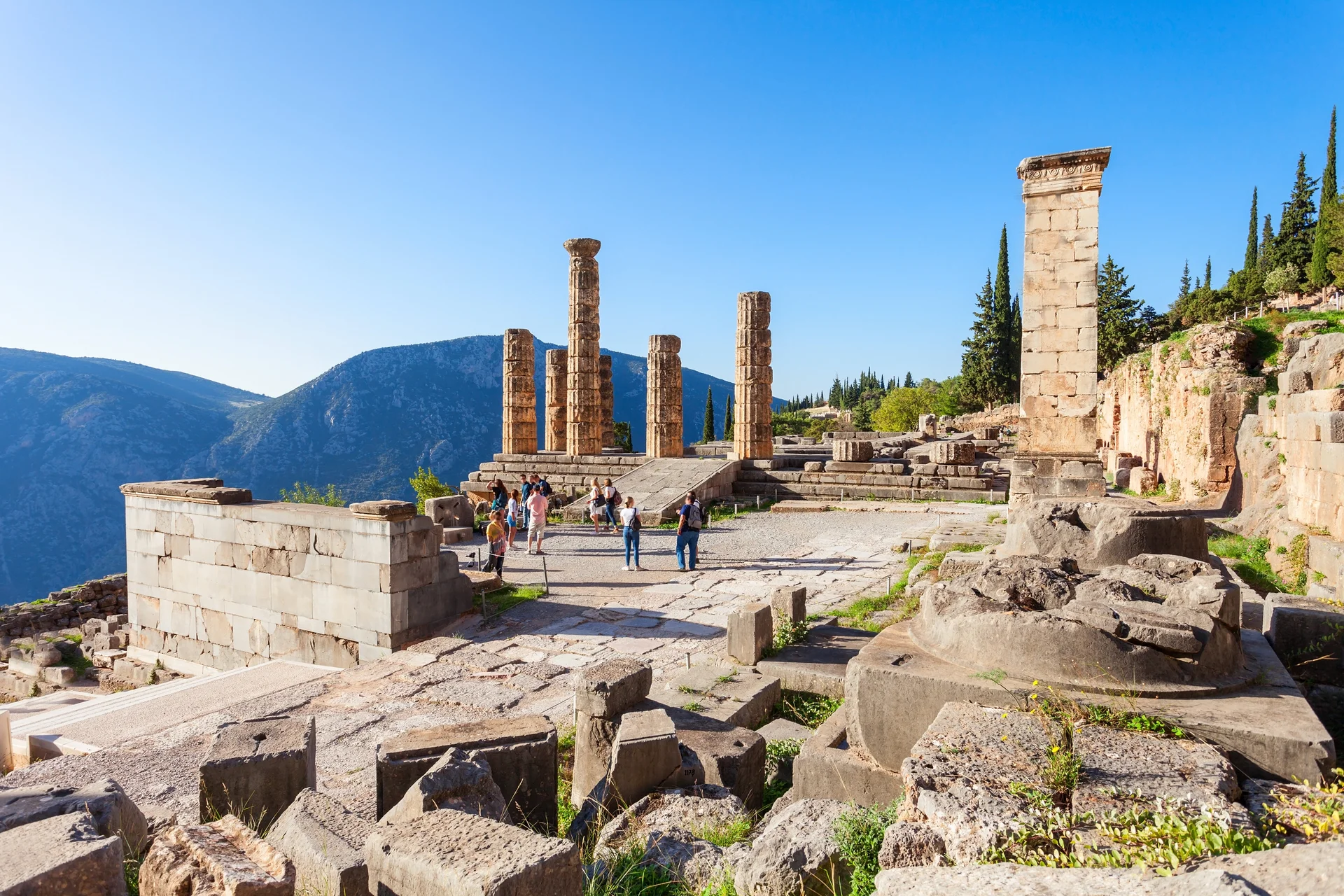
The archaeological site of Delphi deserves a full half-day, ideally early in the morning before the tour groups arrive. The Sacred Way winds through the ruins, leading you to the Temple of Apollo where the Pythia delivered her enigmatic oracles. Six Doric columns still stand, silent witnesses to a time when this place dictated the fate of nations.
Higher up, the ancient theater offers a view of the Pleistos valley blanketed in olive trees. Continue to the stadium, a sporting venue dating back to the 3rd century BCE. The climb is tough, but the visual reward is well worth the effort.
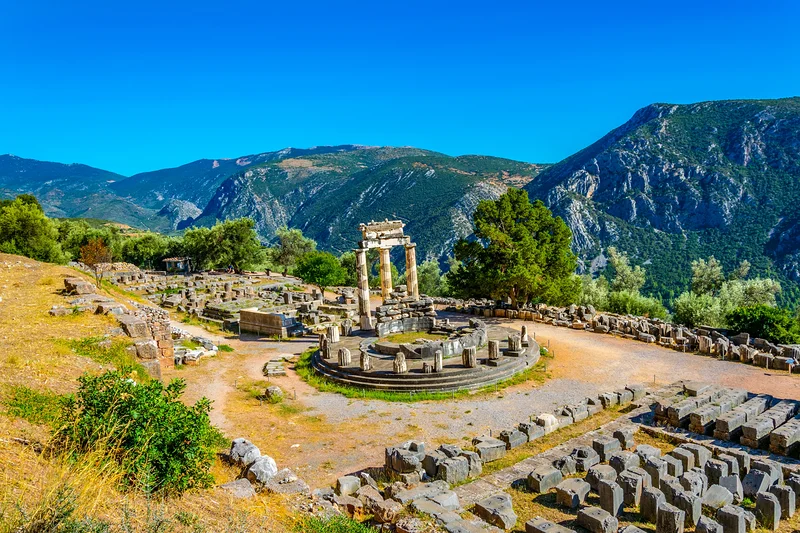
Below the main sanctuary, do not miss the Sanctuary of Athena Pronaia with its famous Tholos, a circular temple with perfect proportions where three columns remain. It is one of the most photographed monuments in Greece, and for good reason: its architectural grace defies the centuries.
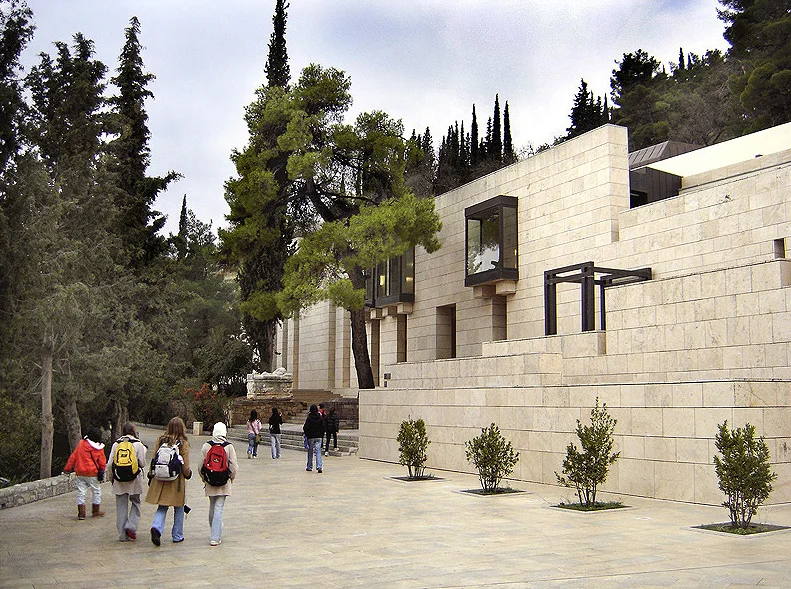
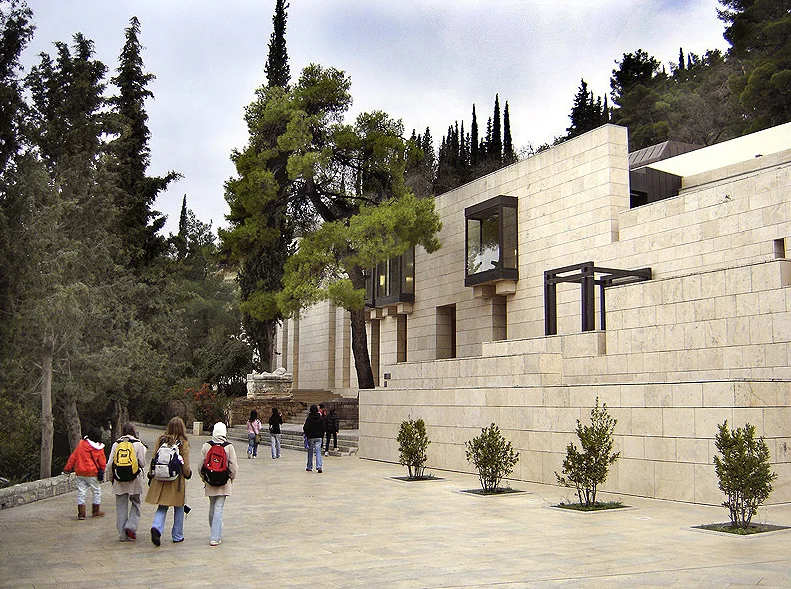
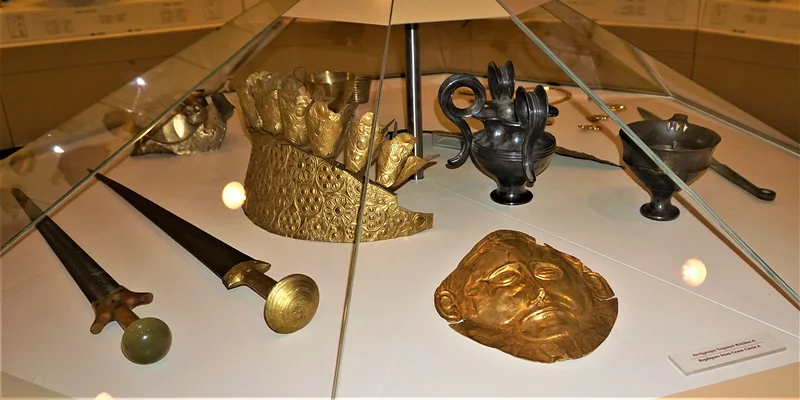
Friendly advice: start at the Archaeological Museum before visiting the site. The video reconstruction of the sanctuary in its original splendor will help you visualize what you see in ruins. The Charioteer of Delphi, a 1.82-meter bronze statue, is kept there and remains one of the most beautiful sculptures of Greek Antiquity.
Hiking and immersion in Parnassus
For walkers, Delphi is a gateway to extraordinary trails. The most legendary? The one leading to the Corycian Cave, a sacred lair dedicated to the god Pan and the nymphs. Allow 3 to 4 hours of walking from the village, or start from the plateau of Arachova for a shorter route of about 1.5 hours. The cave, perched at an altitude of 1,400 meters, is impressive in its scale: 60 meters wide and 140 meters deep.
The ancient path toward Itea follows the route once used by pilgrims coming from the port. This approximately 10-kilometer hike descends through centenarian olive groves and offers gorgeous panoramas of the gulf. The route is part of the European E4 trail and is well-marked.
In winter, the Parnassus Ski Center, 25 kilometers away, becomes the largest winter sports resort in Greece. A great option for those visiting the region in the cold season.
Friendly advice: for the Corycian Cave, bring a headlamp, water, and sturdy hiking boots. The trail is rocky and the climb is steep, especially under the midday sun. Visit in spring when the mountain explodes with wildflowers.
Surrounding villages: between mountain and sea
Arachova, the mountain pearl
Arachova, just 10 kilometers away, is the most picturesque village in the region. Its cobblestone alleys climb the mountainside between stone houses and slate roofs. In winter, the atmosphere is alpine with its luxury boutiques and chic restaurants. This is also where they produce the famous formaella, a PDO sheep cheese unique to the region, and brusque, a tannic red wine served directly from the barrel.
Galaxidi and Itea, the coastal charm
Head to the Gulf of Corinth for a completely different atmosphere. Galaxidi, 35 kilometers away, is an adorable seaside town with colorful neoclassical houses. Its double port still shelters a few fishing boats, and the Maritime Museum tells the story of its past as a naval power in the 19th century. Waterfront tavernas serve grilled fish and tender octopus at reasonable prices.
Itea, closer (15 kilometers), is less charming but practical for a dip in the crystal-clear water or an ice cream on a terrace facing the sea. The beaches of Kalafatis and Kirra are in the immediate vicinity.
Friendly advice: if you are in Galaxidi on a Monday during the carnival (mid-February), witness the Alevromoutzouroma ritual: a gigantic battle of colored flour that turns the port into a joyful battlefield. Bring old clothes!
Where to eat and drink in Delphi?
Local cuisine blends mountain flavors with products from the gulf. Definitely try the fried formaella from Arachova, served hot and melting, and trahanas, rustic pasta made from fermented yogurt. The Amfissa olives, harvested in the olive groves that blanket the valley, are among the best in Greece.
At Taverna Vakhos, on the main street of Delphi, they prioritize local and organic products, with a nice vegetarian menu and a panoramic terrace. Epikouros is known for its stewed wild boar with onions and its view overlooking the gulf. For a tight budget, head to Dionisis for generous gyros to-go.
In Arachova, the Fourlas taverna in the neighboring hamlet offers charcoal-grilled meats and farmhouse cheeses with a breathtaking panorama. E-Bar Restaurant offers a trendier vibe with creative Mediterranean cuisine.
Where to stay in Delphi and its surroundings?
The village of Delphi has several small family-run hotels with views of the gulf. Choose a room on the valley side to watch the sunrise over the shimmering water. The Kastalia Boutique Hotel and the Fedriades are two excellent options in the center, a 15-minute walk from the archaeological site.
For more charm, stay in Arachova in one of the character hotels like the Santa Marina Arachova Resort & Spa or the Domotel Anemolia Mountain Resort. The mountain atmosphere and fireplaces create a cozy feel, especially off-season. It takes 12 minutes by car to reach Delphi.
Tight budgets will appreciate the campsites between Delphi and Chrisso, such as Chrissa Camping, which has a pool with an exceptional panoramic view of the gulf.
How to get to and around Delphi?
From the US, fly into Athens. From there, KTEL buses leave four to five times a day from the Liosion station (Terminal B) toward Delphi. The trip takes 3 hours and costs about 15 EUR (about $16). Schedules and tickets are available online on the official KTEL website.
By car, expect 2 to 2.5 hours from Athens airport via the E75 motorway. Exit at Kastro and follow the signs. Parking is tolerated along the road in the village and is free.
Once there, everything is walkable. The archaeological site is 1 kilometer from the center, reachable in a 15-minute walk. Only exception: to explore Arachova, Galaxidi, or the isolated hiking trails, a car becomes essential. Guided excursions from Athens including transport and a guide are also available for those who prefer to delegate the logistics.
When to go?
Spring (April-May) and autumn (September-October) offer ideal conditions: mild temperatures between 18 and 25°C (64-77°F), beautiful light, and a less crowded archaeological site. Wildflowers blanket Mount Parnassus then. Summer is fine, but temperatures climb to 35°C (95°F) and tourist buses flock in between 10 AM and 4 PM.
Winter has its charm with the possibility of skiing at Parnassus, but bring warm clothing as temperatures often drop below 10°C (50°F). The archaeological site closes earlier (3:30 PM between November and March).
Avoid March and April if possible when Greek school groups invade the site. Weekends are consistently busier than weekdays.
People told me that I absolutely had to see Delphi, that it was a must-do in Greece.
Yes, it is a beautiful setting, with old stones, mountains, and the sea not too far away... Just like many other places in the country. So, why not stop here if it fits your itinerary. Otherwise...