Pélussin, sentinel of the Pilat above the Rhône valley
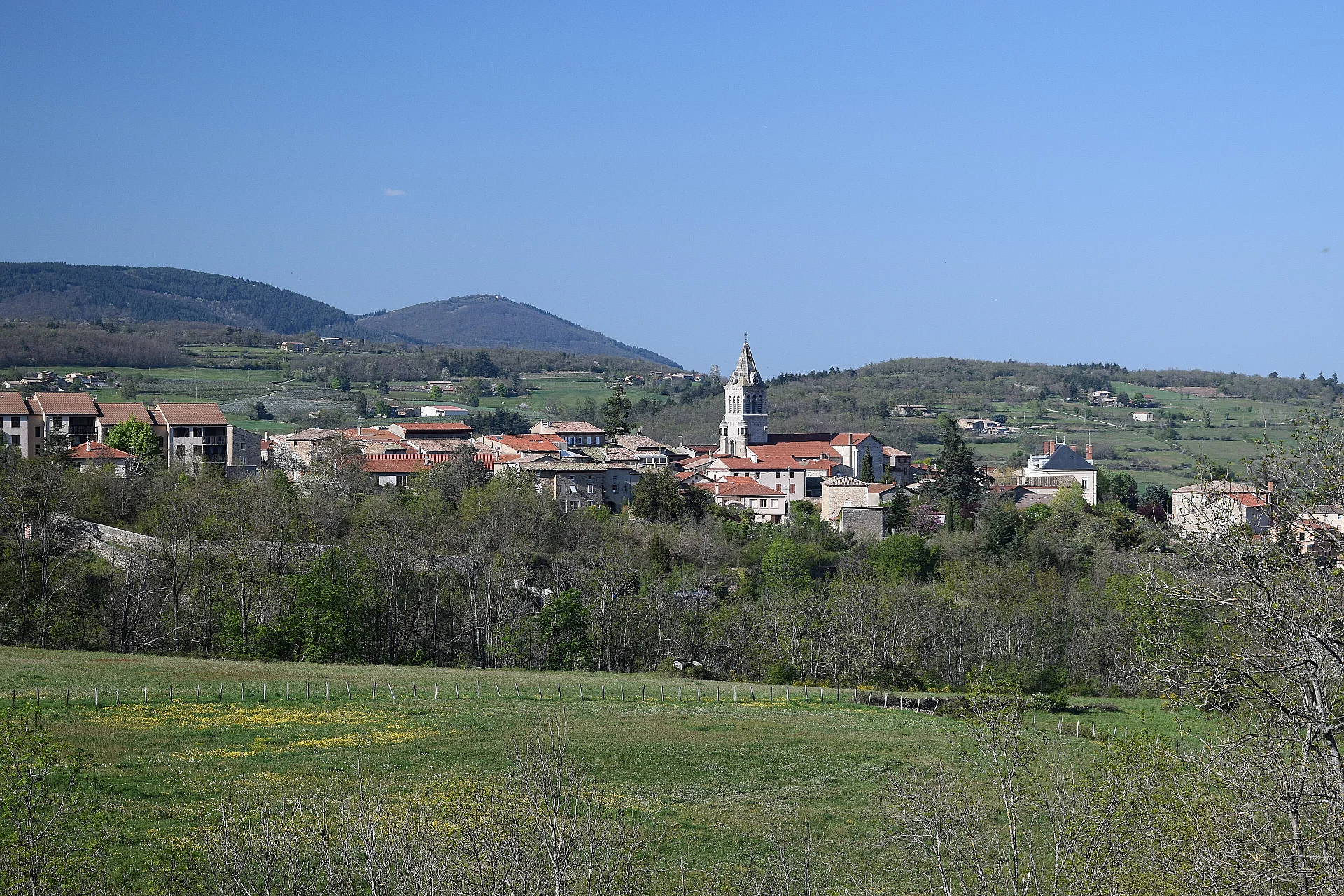
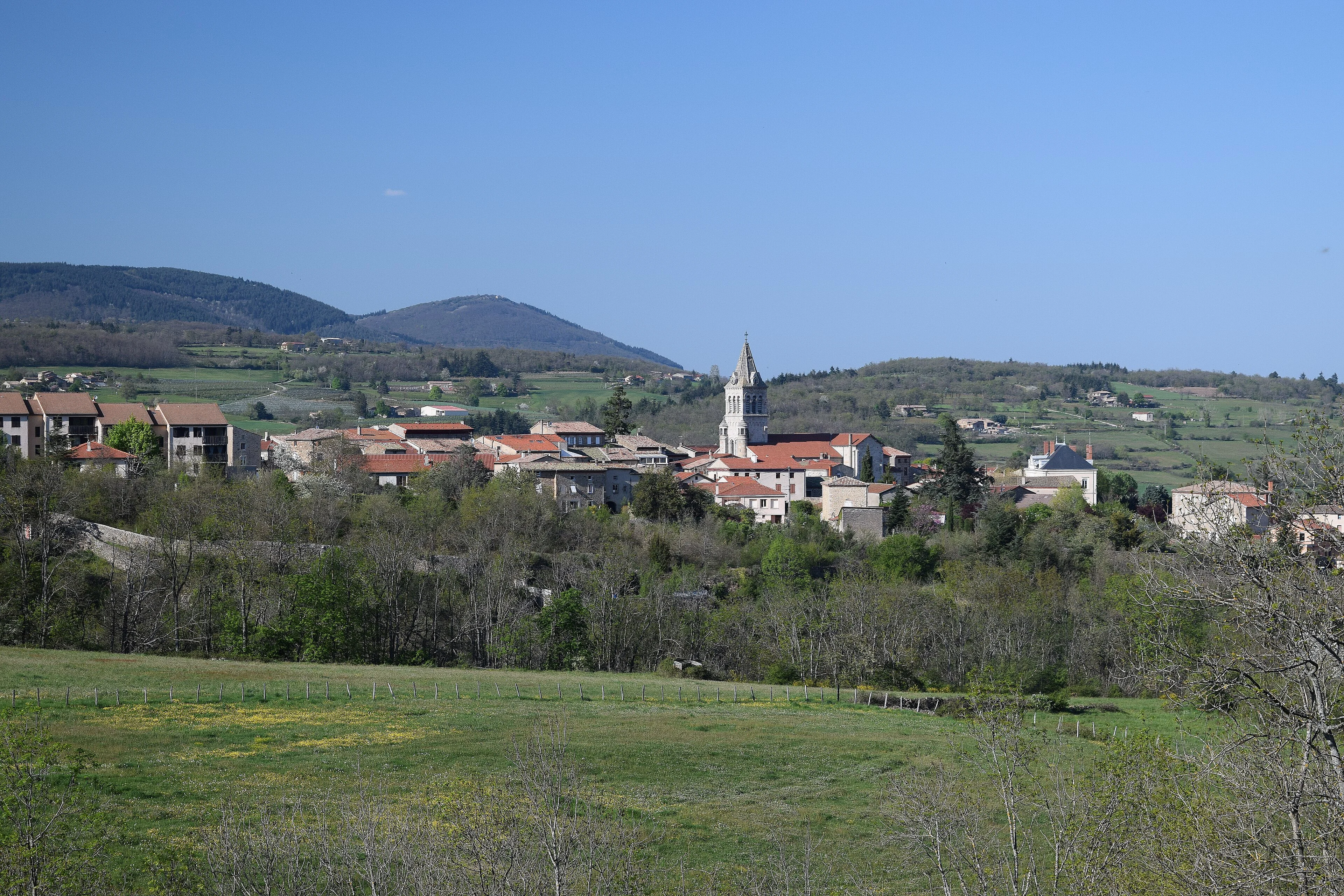
At 700 metres of altitude, on the edge of the Pilat massif, Pélussin looks down on the Rhône from a distance. The air smells of gorse and pine resin. Down below, the Saint-Alban nuclear power plant serves as a reminder that this is working rural France, where heavy industry and untouched countryside coexist without paying much attention to each other. That contrast sums up the village pretty well: raw, honest, and unpretentious.
Is this destination for you?
Pélussin suits hikers, cyclists, and nature lovers looking for a quiet base camp in the Parc naturel régional du Pilat. People come here to breathe, hit the trails, and eat local food, not for nightlife or museums.
If you expect a lively town, Michelin-starred fine dining, or a packed cultural calendar, keep moving. Life here moves slowly, best measured in worn-in hiking boots.
Best suited for:
- Hikers and lovers of wild nature
- Families looking for peace and fresh air
- Cyclists (both mountain biking and road biking on the roads of Pilat)
- Travelers who want to explore the Rhône countryside far from standard tourist routes
- Fans of regional farm products and local markets
Not recommended for:
- Travelers without a car (public transit connections to the village are sparse)
- Anyone looking for nightlife or urban cultural attractions
- Travelers who prefer to avoid walking or spending time outdoors
- City trippers searching for shopping or high-end dining
Budget: affordable, as long as you do not expect all-inclusive resorts
Pélussin remains an economical destination compared to nearby Alpine ski towns. Lodging is modest but honest, and local eateries keep their prices reasonable.
| Expense | Indicative range |
|---|---|
| Night in a gîte or bed and breakfast | $46 to $92* |
| Campsite night (high season) | $18 to $29* |
| Quick bite (bakery, market) | $9.20 to $14* |
| Restaurant meal | $18 to $33* |
| Activities (hiking, biking, admissions) | to $18* |
| Backpacker daily total | $46 to $69* |
| Comfort daily total | $92 to $149* |
Indicative rates subject to change
Practical realities
Having a car is practically mandatory. Bus connections from Saint-Étienne or Vienne exist, but run infrequently, especially on weekends. Once you arrive, the village center takes about twenty minutes to explore on foot. To reach the Pilat trails, you will need to get back behind the wheel.
The village handles basic daily needs with a bakery, grocery store, pharmacy, and doctor. For anything outside normal hours or larger shopping trips, head to Annonay or Saint-Chamond, about twenty kilometres away. Stock up on groceries if you arrive on a Sunday afternoon.
Pilat as your playground
Pélussin serves as one of the main gateways to the Parc naturel régional du Pilat, established in 1974 and covering over 70 000 hectares between the Loire and the Rhône. The massif features a well-marked trail network suited for both families and seasoned hikers.
The Crêt de la Perdrix, the highest peak in Pilat at 1 432 metres, can be reached from Pélussin via several routes. On a clear day, the views stretch all the way to Mont-Blanc. The climb takes between 3 and 5 hours depending on your starting point.
Friendly tip: head out early in the morning from the col du Tracol parking lot to beat the weekend crowds and catch the low morning light across the ridges. Weekdays usually mean you will have the trails mostly to yourself alongside a few locals.
Cyclists will find winding, demanding roads favored by riders from the Lyon area. Mountain biking the tour du Pilat à VTT is a local rite of passage that demands solid physical conditioning.
The village and its immediate surroundings
Downtown Pélussin preserves a few traditional stone houses and a modest Romanesque church typical of Pilat rural architecture. You will not find grand tourist monuments here, just a quiet atmosphere that helps you decompress.
Less than ten kilometres away, the château de la Condamine and the gorges of Malleval are worth the detour. Malleval is a medieval hamlet perched above a wooded gorge, easily ranking among the most unspoiled spots in the area while remaining completely off the mass-tourism radar.
The weekly market in Pélussin brings together local farmers and craftspeople. It is the best place to pick up regional goat cheeses, Pilat honey, and traditional country dry sausages. Check exact days and times with the local tourist office since schedules shift with the seasons.
Where to eat and drink in Pélussin?
Dining options are modest for a village of this size. A handful of restaurants serve honest local fare: country cold cuts, aged cheeses, and meats from neighboring Ardèche. The Rhône valley wine region is right at your doorstep, with bottles of Condrieu and Saint-Joseph produced just a few kilometres down the hill providing a natural pairing for any meal.
For a fast bite, the village bakery is a reliable bet. Local markets offer the best supplies for putting together a picnic before a hike.
Where to stay in and around Pélussin?
Lodging focuses heavily on chambres d'hôtes (bed and breakfasts) and gîtes ruraux (rural vacation rentals), often run by families who have lived in the massif for generations. A few campgrounds open during the summer months around the Pilat area.
For a wider selection of hotels, Vienne (35 km away) and Saint-Étienne (40 km away) provide complete hotel inventory while remaining close enough for day trips to Pélussin.
How to get to Pélussin?
Pélussin has no train station, making a car your best option. From Lyon, plan for about 1 hour via the A7 highway and country roads. From Saint-Étienne, 45 minutes is enough. From Vienne, the drive takes about thirty minutes.
The closest airport is Lyon-Saint-Exupéry, roughly 80 kilometres away. Renting a car at the airport is essential for reaching Pélussin.
How to get around Pélussin?
Walking works fine within the village itself. For trailheads and surrounding sights, a car is required. There are no rideshare bikes or tourist shuttles operating locally. Bring your own vehicle or plan your logistics ahead of time.
When to go?
Spring (April to June) and autumn (September to October) are the best times to visit, offering mild temperatures, clear trails, and manageable crowds. Summer attracts hikers and families, but stays far calmer than the overcrowded Alpine resorts.
Winter can bring snow to the high ridges and cause some gîtes to close for the season, so check ahead before making reservations.