Luz-Saint-Sauveur, the central Pyrenees base camp
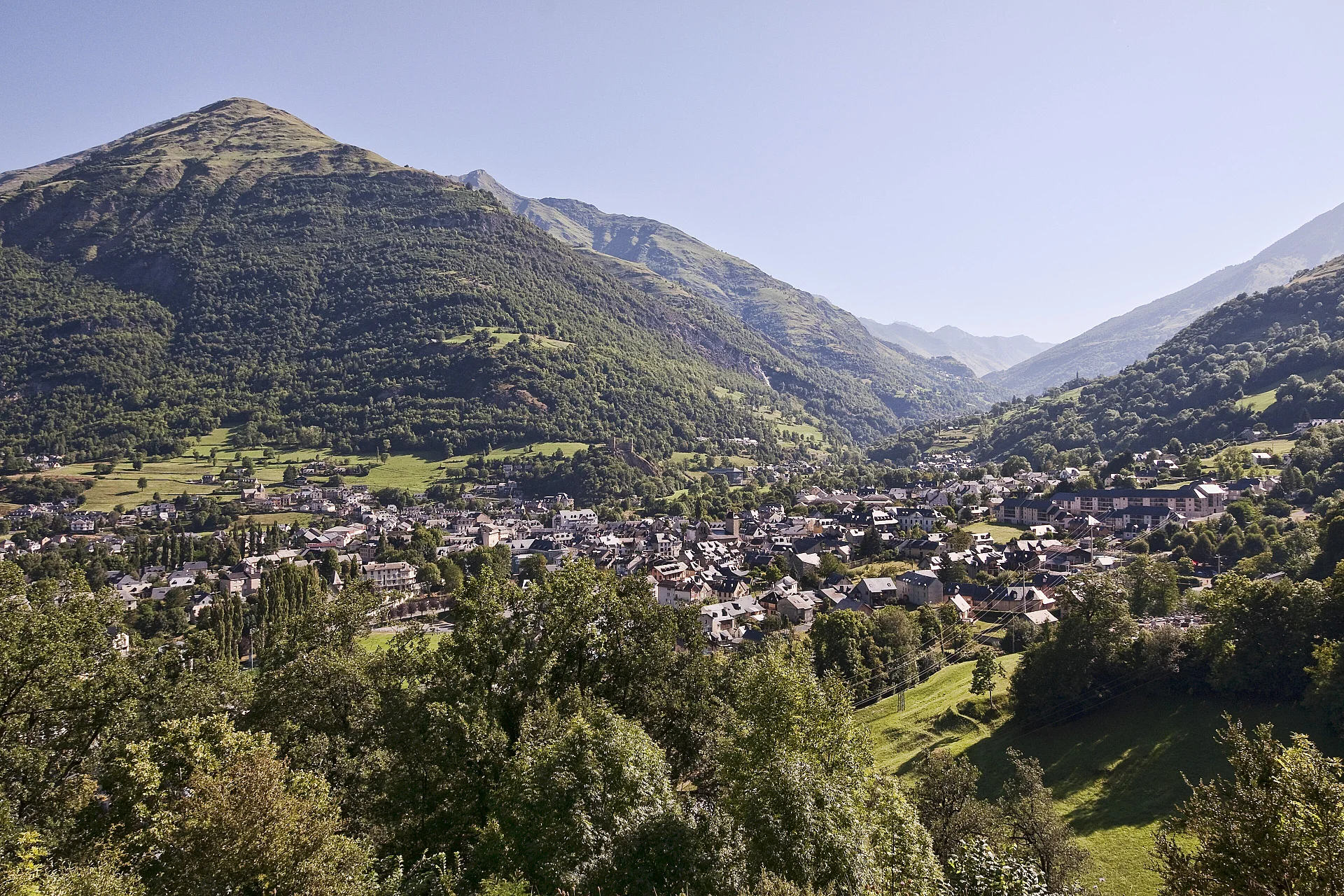
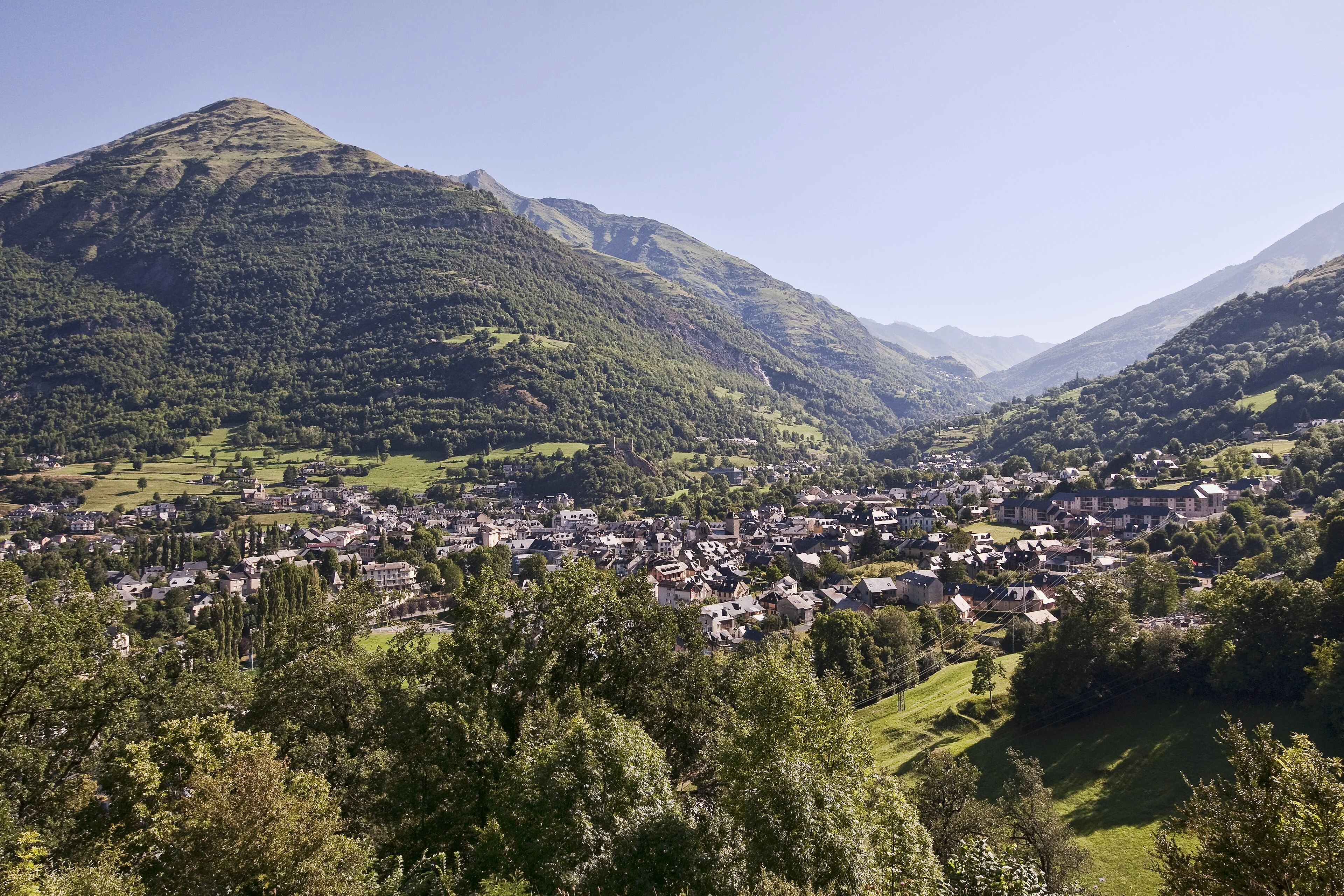
At an elevation of 710 meters, deep in the Gavarnie valley, Luz-Saint-Sauveur smells of pine resin and cold mountain streams. The village is small, barely 1,000 residents, but it holds a rare strategic position: just 20 kilometers from the cirque de Gavarnie, a UNESCO World Heritage site, and right at the foot of the switchbacks leading up to the col du Tourmalet.
This is not a resort town in the traditional sense. It serves as an anchor point, a transition zone between the plains and the high peaks.
Is this destination for you?
If you are coming to hike, cycle, ski, or simply breathe air that has not been air-conditioned, Luz-Saint-Sauveur hits every mark. The village follows the rhythm of the seasons, offering straightforward lodging and direct access to some of the finest natural sites in the French Pyrenees.
On the other hand, if you want a lively town with fine dining, nightlife, or museums, keep driving. Luz-Saint-Sauveur is not built for that, which is part of its appeal.
Good for:
- Hikers, from beginners to experienced mountaineers
- Cyclists drawn to the Tourmalet and the major Pyrenean mountain passes
- Families looking for a quiet, secure base village
- Skiers wanting to avoid massive crowded resorts, with Saint-Lary and La Mongie close by
- Travelers who want to visit the cirque de Gavarnie without paying peak resort prices
Skip if:
- You are traveling without a car, as public transit is very limited outside peak season
- You want a bustling village atmosphere year-round
- You are looking for gourmet dining or serious shopping
- You want to reach everything on foot directly from your hotel
Budget: reasonable for the French mountains
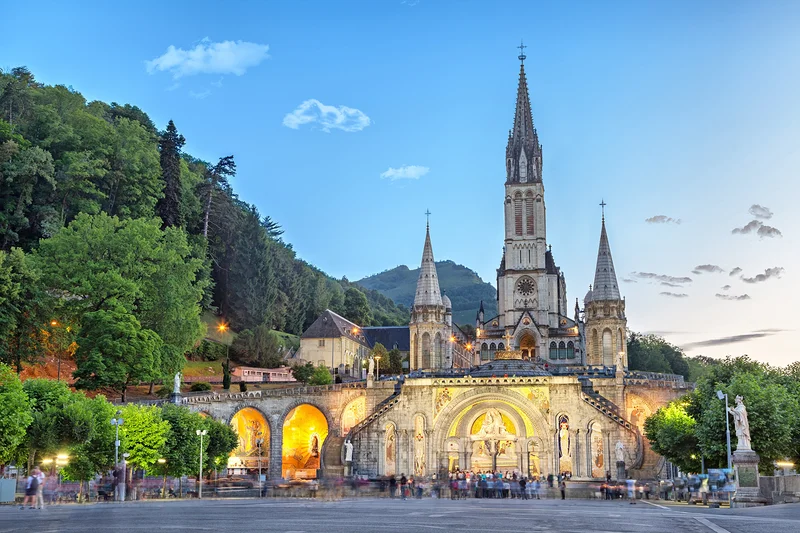
Luz-Saint-Sauveur remains affordable compared to larger resort towns like Cauterets, or to Lourdes during peak season. Accommodations tend to be simpler, and the prices reflect that.
| Expense | Indicative range |
|---|---|
| Night in a gîte or bed and breakfast | $46 to $81* |
| Night in a comfortable hotel | $81 to $127* |
| Quick bite (sandwich shop, bakery) | $9.20 to $14* |
| Sit-down restaurant meal | $21 to $35* |
| Activities (independent hiking, biking, thermal bath entry) | to $29* |
| Total daily budget for backpackers | $69 to $104* |
| Total daily budget for comfort travelers | $138 to $195* |
Indicative rates subject to change
Practical realities
Having a car is practically mandatory. Bus connections from Lourdes do exist, notably the regular line to Gavarnie, but frequencies are low and schedules do not align well with a full day of hiking. In July and August, the mountain roads toward the Tourmalet and Gavarnie get congested by mid-morning, so plan an early start.
The village has essential shops, a pharmacy, and a well-equipped tourist office. French is the primary language, but tourism staff generally speak English and Spanish, given that the Spanish border is less than 50 kilometers away.
What people really come here to do
The cirque de Gavarnie is the main draw for most visitors. This limestone giant, featuring a massive waterfall dropping more than 400 meters, is worth the trip. The walk from the village of Gavarnie to the base of the cirque takes about an hour and a half each way on an easy trail. However, Luz-Saint-Sauveur serves as a jumping-off point for plenty of other routes.
The vallée de Troumouse and the cirque d'Estaubé see fewer crowds than Gavarnie and appeal to travelers looking for high-altitude solitude. Both sites are accessible by car from Luz, with hiking trails opening up by late spring.
Friendly tip: if you visit the cirque de Gavarnie in July or August, get to the Gavarnie parking lot before 9:00 AM. After 10:30 AM, the road backs up and the site loses much of its wild feel. Weekdays are much quieter.
The Templar Church and old Luz
Guidebooks often overlook it, but the village has a solid architectural heritage. Saint-André Church, fortified in the 14th century by the Hospitallers of Saint John of Jerusalem, is one of the few intact fortified churches left in the Pyrenees. Its thick walls, defensive walkway, and gate tower speak to an era when the valley was a strategic corridor between France and Spain.
A visit takes 20 to 30 minutes. It is brief, but the building is striking in its simplicity. The adjoining cemetery, featuring gravestones with Gascon inscriptions, also warrants a few moments of attention.
The col du Tourmalet by bike or car
Sitting at 2,115 meters, the col du Tourmalet is the highest paved mountain pass in the French Pyrenees. Cyclists from all over the world come to tackle it, largely because it regularly features on the route of the Tour de France. By car, the drive up from Luz-Saint-Sauveur offers sweeping valley views with several scenic viewpoints along the way.
At the summit, the statue of the Géant du Tourmalet and a few gift shops greet visitors. The atmosphere varies wildly by season: festive and athletic in the summer, deserted and windy the rest of the year.
Where to eat and drink in Luz-Saint-Sauveur
The dining scene is modest but honest. Village restaurants mostly serve grilled meats, mountain dishes, and regional specialties like garbure, a hearty peasant soup made with cabbage, beans, and duck confit. A few grocery stores and bakeries make it easy to pack a picnic before setting out on a hike.
For a more refined meal, head down toward Lourdes or up to Gavarnie during the summer season, where several country inns serve solid post-hike meals.
Where to stay in Luz-Saint-Sauveur and surrounding areas
The village center holds most of the lodging options, including family-run hotels, bed and breakfasts, and a few gîtes. For extra quiet, neighboring hamlets like Esquièze-Sère, a neighboring commune, offer accommodations that tend to be more spacious. A well-equipped campground operates near the Gave de Pau during the summer months.
How to get to Luz-Saint-Sauveur
The closest airport is Tarbes-Lourdes-Pyrénées, about 40 kilometers away. Direct flights connect it from Paris and a few European cities in season. From Tarbes, you will need to rent a car or take a bus.
Driving from Toulouse takes about 2 hours and 30 minutes via the A64 and N21. From Bordeaux, plan for 3 hours. From Paris, the drive exceeds 8 hours, making the train to Lourdes followed by a rental car a much more practical choice.
Getting around Luz-Saint-Sauveur
You can walk across the village in twenty minutes. For the surrounding sights, a car is the only realistic option. Seasonal buses connect Luz to Gavarnie and Barèges in the summer, but check schedules with the local tourist office before planning your day.
When to go
June, July, and September are the most pleasant months for hiking. The mountain passes are open, the vegetation is lush, and the days are long. August brings peak season crowds, particularly at sites like Gavarnie.
Winter draws skiers, though many local businesses close between November and December. Avoid July and August weekends if you dislike heavy traffic on mountain roads.
Friendly tip: mid-September is the optimal time to visit the region. The summer crowds are gone, autumn colors start to tint the slopes, and temperatures remain ideal for walking. Lodging options are more open and often cheaper than in mid-summer.